Categories
Japanese Road Bikes

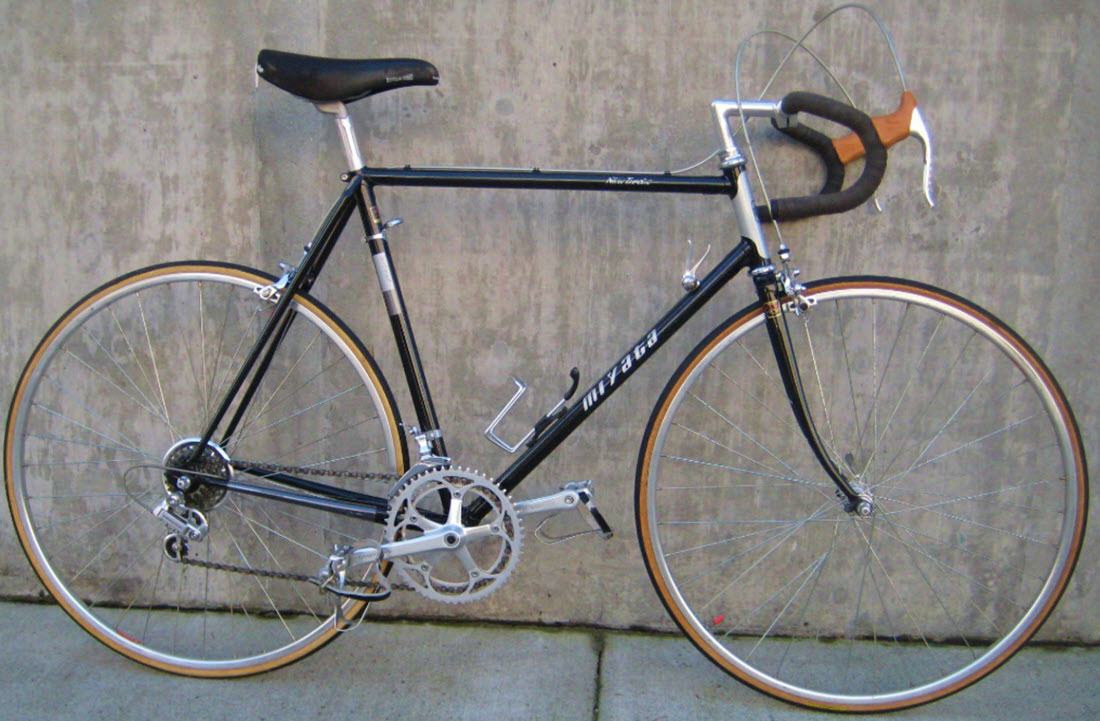
Vintage Miyata Bicycle: The Legendary 1984 912

912 Miyata Bicycle
SPECIAL THANKS TO CLASSICCYCLESUS.COM FOR THE IMAGES CONTAINED IN THIS ARTICLE!

Quick Answer: What Is the 1984 Miyata 912?

The 1984 Miyata 912 is a double-butted chromoly steel road bike from Miyata’s Semi-Pro line. It runs a full Shimano 600 groupset, Selle Italia Turbo saddle, Araya rims, and friction shifters. Built for reliability over flash, it remains one of the most collected vintage Miyata bicycles among restorers and everyday steel-frame riders.

 The 1984 Miyata 912 doesn’t try to impress you. No racingJapanese Steel Book pedigree story, no chrome overload — just a well-engineered touring machine that has outlasted nearly every trend in cycling. This vintage Miyata bicycle earned its reputation the old-fashioned way: by being consistently excellent.
Amazon Affiliate I earn from qualified purchases

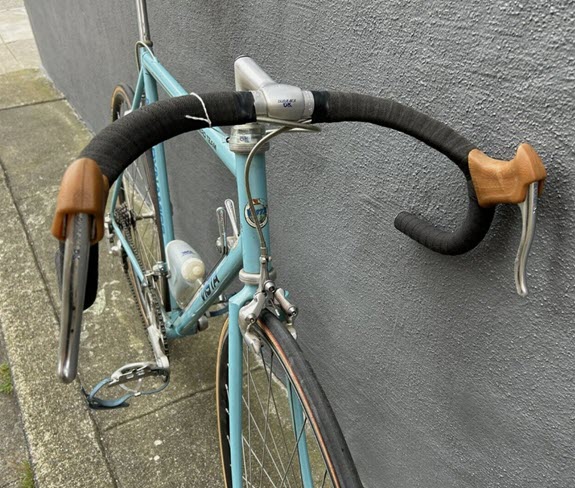
Miyata bicycle headtube

Miyata’s Road to Bicycle Manufacturing

Eisuke Miyata started out as a bowyer and rickshaw engineer in 19th-century Japan. His background in precision metalwork eventually steered the family business into firearms manufacturing for the Imperial Japanese Army. The shift to bicycles came through a local bike repair side business — one that caught the imagination of Eisuke’s son, Eitarō.

In 1890, Eitarō built the first Miyata bicycle prototype using repurposed rifle barrels, merging gunsmithing precision with cycling innovation. The company’s reputation grew quickly from there. When Crown Prince Yoshihito commissioned a custom bicycle, Miyata’s standing as a premier Japanese manufacturer was sealed. That heritage of exacting metalwork carried forward into everything the company built — including the 912.

Miyata bicycle headset

Where the 912 Sat in the Miyata Lineup

The 912 occupied Miyata’s Semi-Pro tier — designed for serious recreational riders who wanted professional-level components without paying for a full racing build. Think of it as the 1984 Honda Accord of Japanese road bikes: no drama, no unnecessary complexity, just everything working exactly as it should.

This vintage Miyata bicycle was built for distance. The geometry favors comfort on longer rides, and every component choice reflects that priority. It was never meant to win criteriums. It was meant to still be running perfectly twenty years later — and most of them are.

Keeping the drivetrain in spec is easy with the right tool. The Park Tool chain checker takes the guesswork out of knowing when to replace your chain before it wears the cassette. Grab the Park Tool CC-3.2 Chain Checker
on Amazon
— one of the most useful things in any home mechanic’s kit.  *Amazon Affiliate

Miyata bicycle rear derailleur

Frame Construction and Ride Quality

The 912 uses double-butted chromoly steel tubing throughout. Butting — thicker walls at the stress points, thinner in the middle — reduces weight without sacrificing strength where it matters. Miyata’s brazing and lug work on this frame is precise and clean, a direct product of the company’s long metalworking heritage.

The geometry sits between a road racer and a true tourer, giving the 912 versatility most riders appreciate. It’s stiff enough for spirited day rides, compliant enough for all-day saddle time. Steel flex is real, and on a well-built frame like this one, it works in the rider’s favor on rough roads.

Miyata bicycle chain ring

Drivetrain and Component Spec

The 912 runs a complete Shimano 600 group set — the same line that evolved into today’s Shimano Ultegra. The Aero shift levers were a forward-thinking design for 1984, integrating cleanly into the bar setup. Friction shifting feels unfamiliar to riders raised on indexed systems, but it offers precise control and is simpler to maintain in the field. No cable-pull calibration, no limit screw second-guessing — you dial it in by feel.

Braking comes from matched Shimano 600 calipers. The wheel build uses Araya rims, a Japanese manufacturer known for producing straight, durable hoops. The Selle Italia Turbo saddle was a top-tier choice at the time and remains a favorite among vintage Miyata bicycle collectors restoring to original spec.

If you’re putting the 912 back on the road, one of the best
period-correct tire choices you can make is the Panaracer Pasela PT. A classic touring tread that suits vintage Japanese steel perfectly.  Shop the Panaracer Pasela PT at JensonUSA and get it rolling the right way.

Miyata bicycle downtube

Why Riders Still Seek Out the 912

Collectors gravitate toward the 912 for the same reason riders loved it in 1984: it works. The chromoly frame hasn’t fatigued, the Shimano 600 components are fully serviceable, and replacement parts remain widely available. Unlike some vintage Japanese bikes that command prices based purely on rarity, the 912 earns its value through usability.

Riders returning to steel after years on carbon or aluminum often land on this vintage Miyata bicycle as the answer. The ride — that familiar flex and road compliance — is something stiffer materials can’t replicate. If you’ve never ridden a well-maintained double-butted steel frame, the 912 is a convincing argument.

Bar tape is usually the first thing to go on a restored vintage bike.  Lizard Skins DSP 2.5mm is a clean, durable choice that looks right on classic drop bars. Pick up Lizard Skins DSP bar tape at JensonUSA — free shipping on most orders over $50.

Frequently Asked Questions

What groupset does the 1984 Miyata 912 use?
The 912 uses the Shimano 600 groupset, the direct predecessor to today’s Shimano Ultegra. It includes Aero friction shift levers, matched brake calipers, and a complete drivetrain. All major components are still serviceable and parts remain available.

Is the 1984 Miyata 912 suitable for everyday riding?
Yes. The double-butted chromoly frame, reliable Shimano 600 drivetrain, and comfortable road geometry make it a strong choice for commuting and recreational riding. It was built for long-term use, and most examples still ride well today with basic maintenance.

How do I identify a vintage Miyata bicycle by serial number?
Miyata used a date-coded serial number system that encodes the year and month of manufacture. For a full guide, visit our Miyata Serial Numbers page.

Sponsored · Competitive Cyclist

Competitive Cyclist.
Check for current sales.

Browse All Deals →

Gear Up

Apparel
All-weather and performance cycling kit for every condition.
Shop Bikes

Bikes
Road, gravel, and performance bikes. Sales available — check current pricing.
Shop Now

Tools & Maintenance
Everything you need to keep your ride dialed.

Enjoy vintage Japanese bicycles? Visit pacelinebikes.com for cycling training tips and gear guides. And if you love seeing these classic bikes brought back to life, subscribe to Bicycle Restoration Man on YouTube — restoration videos, finished builds, and more.

We are an Amazon affiliate and earn from qualified Amazon purchases with no cost to you. This is for ANY product that you purchase through our links. We are also an affiliate for Competitive Cyclist and JensonUSA. This way we can provide you with competitive pricing and products.

Categories
Japanese Road Bikes

Zunow KYGM: Kageyama’s 650B Custom

Quick Answer: Zunow KYGM Randonneur

The Zunow KYGM is a rare early-1970s full-custom randonneur frame built by Takeru Kageyama — the founder of Zunow Cycles — in the French constructeur tradition. It uses Nervex lugs, 650B wheels, and pantographed Zunow components throughout. Only a handful of these bespoke frames are known to exist outside Japan, placing the Zunow KYGM among the most collectible examples of early Japanese custom framebuilding.

SPECIAL THANKS TO DJCATNAP.COM FOR THE IMAGE CONTAINED IN THIS ARTICLE!

The Zunow name is most associated with the Z-1Japanese Steel Book Hummingbird road bikes and track frames that defined the brand’s commercial peak. But before those bikes existed, Kageyama-san was executing something more demanding: full-custom randonneur work built squarely in the French constructeur tradition. The Zunow KYGM is a product of that early period — a purpose-built touring machine and one of the most refined examples of his pre-production craft.

Frame and Origins

The Zunow KYGM dates from the early 1970s, built when Kageyama was taking individual full-custom orders rather than running production lines. The frame uses Nervex lugs — a French lug set favored by constructeurs for their long points and cleanly filed transitions — and is designed around 650B wheels, the standard diameter for classic French randonneur bicycles. This is not a road frame adapted for touring duty. The Zunow KYGM was engineered from the ground up for long-distance loaded riding, with geometry that prioritizes stability under a front bag.

This particular example was sourced via Yahoo Japan Auctions in 2020 — still the most reliable market for locating pre-production-era Zunow customs — and professionally repainted in 2024 in dark blue sparkle with yellow accents before a full component rebuild.

📌 Coach’s Pick — Brake Pads: Cantilever brakes are only as good as the pads behind them. Kool-Stop Thinline Cantilever Brake Pads deliver consistent stopping power in wet and dry conditions — exactly what you need on a loaded randonneur bike with full fenders and long cable runs. → Kool-Stop Cantilever Brake Pads on Amazon

Components: Pantographed Details and Campagnolo Mix

The Zunow KYGM carries frame-matched pantographed parts that mark it as a genuine full-custom build: the seatpost, headset, and bottom bracket all bear Kageyama’s Zunow stamp. The crankset is a Sugino Pro Dynamic S — original to the frame — updated with modern SunXCD chainrings for compatibility with the current drivetrain without altering the visual character of the build.

The drivetrain mixes Campagnolo generations with intent: a 9-speed Racing T rear derailleur, Chorus Ergoshifters, Athena hubs, and a Centaur front derailleur. Cross-generation Campagnolo compatibility is well established in practice, and this combination delivers reliable shifting on a bike designed for loaded touring miles. The 650B wheelset pairs Soma Weymouth rims with the Athena hubs, shod with Grand Bois Hetre tires — a 42mm folding clincher that remains the benchmark for 650B randonneur use.

📌 Coach’s Pick — Chain Lube: A touring bike doing wet-road miles under full fenders needs a lube that runs clean between long service intervals. Muc-Off Bio Dry Bike Chain Lube  — zero black buildup on the drivetrain, holds up in mixed conditions, and won’t attract grit into your chain on gravel sections. →Muc-Off Bio Dry Bike Chain Lube

Brakes, Fenders, and Frame Details

The braking system uses Grand Bois cantilever brakes — originally sold by Velo-Orange as the MK3 Grand Cru cantilever in 2012 and no longer in production. Brake response is refined with Yokozuna compression-less brake housing and Kool-Stop brake pads, a pairing that delivers consistent lever feel regardless of cable run length — a meaningful detail on a fully fendered setup with longer housing runs.

The fenders are Lefol “le martele” hammered mudguards, a French-made set with a design history dating to 1938. The No. 17 plate-forme raised section on the rear fender is a period-correct detail that modern fender manufacturers rarely replicate.

Cockpit and Lighting

The stem is a Nitto Tallux with a 225mm quill — a longer-than-standard option chosen for a more upright randonneur riding position. Handlebars are Nitto B135 Grand Raundoner bars wrapped in Handlebar leather tape, finished with hemp twine. Saddle is a Brooks C17. The front bag is a Gilles Berthoud handlebar bag mounted to a stainless low-rider rack.

Lighting is handled by Kylie’s LM-018 USB-rechargeable bullet headlight — the only rechargeable bullet-style headlight currently on the market — with a LM-017 rear light on the seat stay.

The Zunow KYGM represents Kageyama’s early edge: a full-custom touring frame built in the French tradition by a Japanese framebuilder who had not yet scaled for volume. Among significant Zunow builds, it stands apart.


Frequently Asked Questions

What makes the Zunow KYGM different from other Zunow models? The Zunow KYGM is a full-custom randonneur frame from the early 1970s, predating the Hummingbird-series road and track bikes that made the brand widely known. Unlike production Zunow models, the KYGM was built to individual specification in the French constructeur tradition, with Nervex lugs, 650B wheels, and pantographed Zunow components throughout. Only a small number are known to exist outside Japan.

What is 650B and why did Kageyama use it on the Zunow KYGM? 650B is a wheel diameter that was standard for classic French randonneur and touring bicycles, sitting between the smaller 26-inch and larger 700C sizes. French constructeurs favored it for the combination of tire volume, rolling efficiency, and fender clearance it provides on a loaded touring bike. Kageyama used 650B on the Zunow KYGM to remain true to the French randonneur tradition the frame was built in.

Where can I find a Zunow KYGM for sale? Yahoo Japan Auctions is the most reliable source for locating rare early Zunow customs like the KYGM. A proxy bidding service such as Rinkya allows buyers outside Japan to participate. These frames appear infrequently and move quickly when they do, so setting up keyword search alerts is the most practical strategy.

We are an Amazon affiliate and earn from qualified Amazon purchases with no cost to you. This is for ANY product that you purchase through our links. We are also an affiliate for Competitive Cyclist and JensonUSA. This way we can provide you with competitive pricing and products.

Categories
Japanese Road Bikes

JITENSHA TOKYO EBIKE

JITENSHA TOKYO  EBIKE

EBIKE
SPECIAL THANKS TO JITENSHA FOR THE IMAGES AND INFORMATION CONTAINED IN THIS ARTICLE!

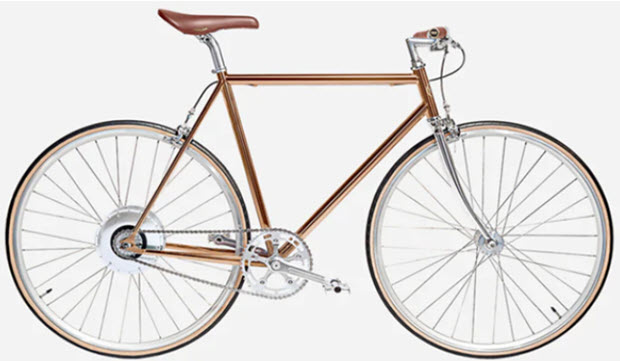
What is the E-JITENSHA Tokyo ebike? The E-JITENSHA Tokyo is a French hand-assembled electric bicycle powered by a rear-hub 250W VAE motor producing 40 Nm of torque, with a 173Wh battery fully integrated into the wheel hub. It delivers pedal-assist to 25 km/h, charges in 3 hours from a standard outlet, weighs 13.4kg complete, and extends range 10–20% through a regenerative braking system.

A TRUE EBIKE HYBRID

This week’s Japanese Bicycle of the Week is the E-JITENSHA Tokyo—a purpose-built electric bicycle that gets the engineering fundamentals right without adding unnecessary complexity. Designed with clean Japanese aesthetic principles and assembled by hand in Annecy, France, it is one of the more technically coherent hub-motor commuters currently available in the lightweight ebike category.

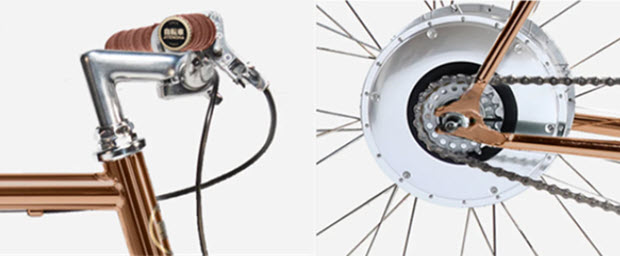
The specification is direct. A 250W VAE motor is built into the rear wheel hub, keeping the drivetrain uncluttered and the overall silhouette close to a conventional city bicycle. That motor produces 40 Nm of torque and assists pedaling to the EU-standard 25 km/h limit. The 173Wh battery is also embedded within the hub assembly—no external pack, no frame-mounted cell casing disrupting tube geometry. The complete system weight comes in at 13.4kg, battery included, which places the E-JITENSHA at the competitive low end of the assisted bicycle weight range.

EBIKE

Motor and Assist Performance

The VAE motor runs on a torque-sensor system rather than a basic cadence sensor. On grades of 8–10%, it holds a consistent 18–20 km/h with moderate pedal input. On steeper pitches, applying firm pressure to the pedals triggers higher power delivery—proportional, not stepped. The result is an assist character that reads more like a strong tailwind than a motor cutting in and out. There’s no throttle; rider input drives everything.

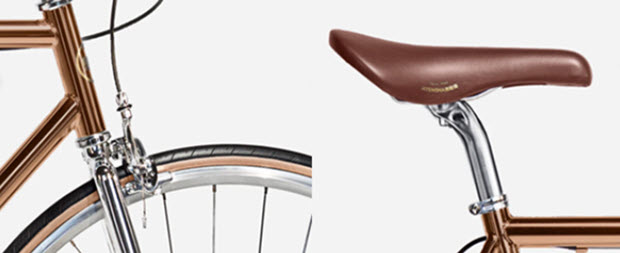
For riders doing consistent urban climbing, saddle position and fit affect both comfort and pedaling efficiency significantly on any assisted bike. A properly fitted saddle—something like the Brooks B17 Standard, which has a well-documented break-in profile and long service life—pays dividends on a bike designed for daily use.

Battery, Charging, and Regeneration

The 173Wh pack charges fully from a household outlet in approximately 3 hours. That turnaround is fast enough for midday top-offs without planning around long charge windows. Flat-ground range in moderate assist lands between 25–40km depending on rider weight and conditions—realistic figures for most urban commute distances.

What sets the E-JITENSHA apart from most hub-motor designs at this price point is its regenerative braking system. During deceleration, and particularly on descents, the motor runs in reverse, recovering kinetic energy into the battery. JITENSHA rates this at a 10–20% range extension depending on terrain. The system also functions as a mild engine brake on downhills, adding light resistance without requiring hard brake engagement. Over a hilly commute profile, that reduces brake pad wear and thermal loading on the braking surfaces—a meaningful mechanical benefit, not just a marketing claim.

Weight, Portability, and Storage

At 13.4kg, the E-JITENSHA weighs roughly half of a typical framed ebike with a conventional external battery pack. That difference is immediately practical—carrying the bike up stairs, loading it into a vehicle hatch, or storing it in a small apartment are all significantly less physical than managing a 25kg machine. The hub-integrated design also keeps the bike’s handling balance close to a conventional bicycle, avoiding the low-center-of-gravity steering effects associated with large downtube-mounted battery systems.

For securing any ebike at public parking, cut resistance matters more than lock weight. The Kryptonite New York Standard U-Lock provides solid protection against opportunistic theft and fits most city rack dimensions cleanly—worth factoring into any ebike purchase budget.

Hand Assembly and Maintenance

Each E-JITENSHA is built to order at the Annecy workshop, with individual mechanic inspection before shipping. Custom builds allow sizing and configuration adjustments at the order stage rather than requiring post-delivery modifications. The build-to-order model extends lead times compared to off-the-shelf alternatives, but ships a correctly configured bike rather than a compromise fit.

Routine maintenance is minimal. The hub motor and battery are sealed, requiring no user servicing. The conventional drivetrain—chain, derailleur, brakes—is fully serviceable by any standard bike shop without specialized e-bike tooling or diagnostic equipment. Beyond periodic cleaning, brake cable inspection, and chain lubrication, there is little else to manage. A clean-running wax chain lubricant like Silca Super Secret Wax
is well-suited to the urban use case here, reducing grime accumulation compared to wet lubes in mixed-weather conditions.

The E-JITENSHA Tokyo is not a feature-loaded spec sheet bike. It is a disciplined, lightweight commuter with a coherent engineering philosophy: integrate the system cleanly, keep the weight low, and let the rider remain in control of the effort.

Frequently Asked Questions

What range does the E-JITENSHA Tokyo deliver on a full charge? On moderate assist over flat terrain, expect 25–40km from the 173Wh battery. Regenerative braking on hilly routes extends this figure by an additional 10–20% depending on descent frequency and duration.

Does the E-JITENSHA use a torque sensor or cadence sensor for pedal assist? The E-JITENSHA uses torque sensors. Assist output scales proportionally with the force applied to the pedals, producing a natural ride feel compared to cadence-only systems, which apply assist in fixed steps regardless of pedal effort.

Can a standard bike shop service the E-JITENSHA? Yes. The conventional drivetrain, brakes, and cables are fully serviceable by any shop without specialized tooling. The hub motor and battery are sealed units; motor-specific repairs would require returning the bike to JITENSHA or an authorized service center.

We are an Amazon affiliate and earn from qualified Amazon purchases with no cost to you. This is for ANY product that you purchase through our links. We are also an affiliate for Competitive Cyclist and JensonUSA. This way we can provide you with competitive pricing and products.

Categories
Classic Japanese Bicycles

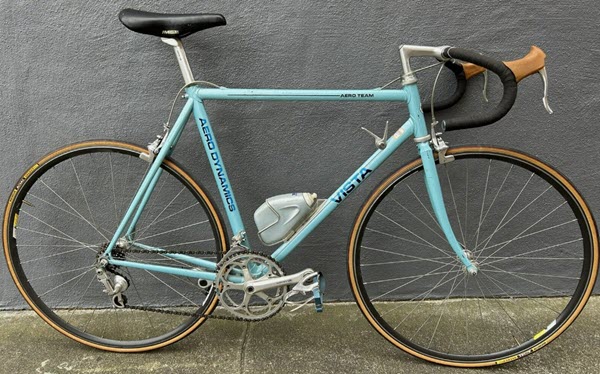
The Design and Innovation of the 1981 Vista Aero Bicycle Team Shimano

The Innovation of the 1981 Vista Aero Bicycle Team Shimano 

aero bicycle
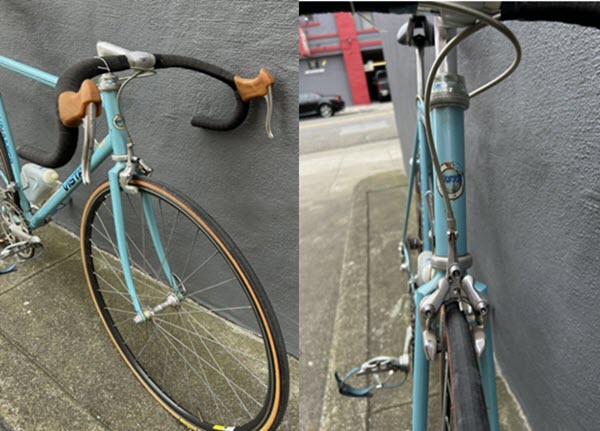
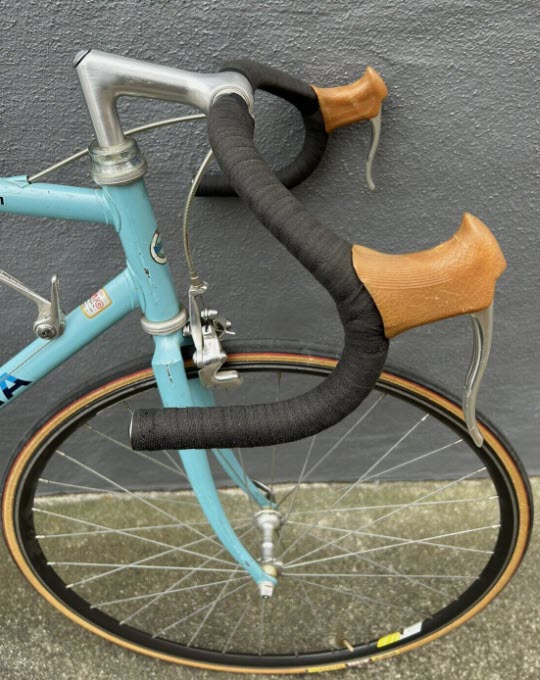
SPECIAL THANKS TO AMERICAN CYCLERY FOR THE IMAGES CONTAINED IN THIS ARTICLE.

What is the 1981 Vista Aero Bicycle Team Shimano?
The 1981 Vista Aero Bicycle is a Japanese-made road bike built by Araya and spec’d with the Shimano Dura-Ace AX 7300 aerodynamic groupset and Tange multi-shaped aero tubing. Produced during the short-lived Aero Era of the early 1980s, it was built specifically to showcase Shimano’s AX component system. It is now a sought-after collector’s bicycle valued for its technical specifications and period-correct engineering.

Background and Origin

The 1981 Vista Aero Bicycle was manufactured by Araya,Japanese Steel classic bicycle design from Japan a Japanese wheel and frame builder with a long production history. This was not a general-production road bike — it was built as a platform vehicle to demonstrate the Shimano Dura-Ace AX 7300 aerodynamic component group. Production was limited to the Aero Era, a brief window in the early 1980s when aerodynamic road equipment was being aggressively developed by Japanese component manufacturers.

The frame used Tange chromoly tubing with multi-dimensional aero profiling, meaning tube cross-sections varied in shape to reduce frontal drag — a significant departure from the round butted tubing standard of the time. The combination of an aero-profiled frame with a fully matched aero groupset made the Vista Aero a technically coherent package, uncommon among production bicycles of this period.

Sponsored · Competitive Cyclist

Competitive Cyclist

Gear Up for Spring.


Browse All Deals →

Up to 50% off
Gorewear Apparel
All-weather cycling kit for serious conditions.

Shop →

Up to 40% off
Spring Bike Clearout
Road and performance bikes at reduced pricing.

Shop →

Shop Now
Tools & Maintenance
Dial in your ride before the season starts.

Shop →

aero bicycle

Shimano Dura-Ace AX 7300 Components

The Shimano Dura-Ace AX 7300 groupset was introduced in 1981 and discontinued by approximately 1984. The AX designation stood for “Aero X” and represented Shimano’s first systematic attempt to engineer drag reduction across every component in a drivetrain.

Brake levers used fully internal cable routing, eliminating exposed housings along the handlebar — a feature that would not become standard practice until decades later. Derailleurs featured low-profile curved body shapes with the rear cable path routed under the bottom bracket shell rather than through a conventional down tube stop.

The crankset incorporated early chainring ramp and pin engineering within a streamlined spider profile. Pedals used a recessed cleat system with a flatter body than standard Dura-Ace of the era. Headset and seatpost components continued the cohesive aero shaping across the complete build.

Sponsored
JENSON USA
America’s Bike & Adventure Shop
★ FREE 1-Day Shipping over $50 to California
Tools & Maintenance — everything to keep your bike dialed.
Shop Tools & Maintenance →

The AX 7300 group faced practical criticism over cable tension consistency with the internal routing system, contributing to its short market life. This is also why complete, unmolested builds are uncommon today — the brake lever internal routing is the most frequently damaged or modified piece on surviving examples.

Tange Aero Tubing Construction

The Vista Aero frame used Tange chromoly with oval and teardrop-profile shaping on the fork blades and seat stays, with non-circular cross-sections incorporated into the main triangle. Multi-shaped tubing was technically demanding to produce — non-round tubes require specific jig setups and present different stress distribution characteristics than round tubing under load. Lugless construction was used throughout, consistent with higher-end Japanese frames of this period that prioritized clean joinery over European-style lugwork.

Collector Status and Market Value

Complete, unrestored examples with matching AX 7300 group sets are uncommon. The three-year production window of the AX group means sourcing replacement parts for incomplete builds is difficult. NOS AX components surface occasionally on eBay and Japanese auction platforms at significant premiums.

“For high-end component sourcing on restored builds, Competitive Cyclist carries an extensive road groupset selection.”

Collector condition priorities in order: AX groupset completeness, original frame finish, and correct wheel spec. A complete original-condition example in rideable spec represents a specific, documented moment in Japanese bicycle engineering that does not repeat elsewhere in the vintage market.

Legacy

Japanese manufacturers were not replicating European road bikes during this period — they were independently engineering aerodynamic solutions the broader industry would not fully address until the 1990s. The AX system, Tange aero tubing, and Araya frame construction represent a coherent engineering program. The 1981 Vista Aero Bicycle remains technically relevant both as a collector artifact and as a rideable example of early aero development done right.

Frequently Asked Questions

Q: Who manufactured the 1981 Vista Aero Bicycle frame?

A: The frame was built by Araya, a Japanese
manufacturer known for wheel production and frame building. The Vista Aero was built as a showcase platform for the Shimano Dura-Ace AX 7300 aerodynamic group during the early 1980s Aero Era.

Q: What made the Shimano Dura-Ace AX 7300 groupset technically distinctive?

A: The AX 7300 was Shimano’s first full-system aerodynamic drivetrain, featuring internally routed brake cables, low-profile aero derailleur bodies, and cable routing running under the bottom bracket shell. Produced from 1981 to approximately 1984, complete intact builds are rare today.

Q: What type of tubing was used on the Vista Aero frame?

A: Tange chromoly with multi-dimensional aero profiling — oval and teardrop cross-sections on fork blades and seat stays — combined with lugless construction. This was designed to reduce frontal air resistance and was technically more demanding to manufacture than standard round-tube frames.

About the Author
James Hickman is a former Expert coach with USA Cycling who coached cyclists across all skill levels, from CAT 2 racers to intermediate and beginning riders. He also served as a coach for the Leukemia and Lymphoma Society’s Team In Training program, where he successfully trained individuals of varying abilities to complete century (100-mile) rides, combining his passion for cycling with meaningful community impact.

We are an Amazon affiliate and earn from qualified Amazon purchases with no cost to you. This is for ANY product that you purchase through our links. We are also an affiliate for Competitive Cyclist and JensonUSA. This way we can provide you with competitive pricing and products.