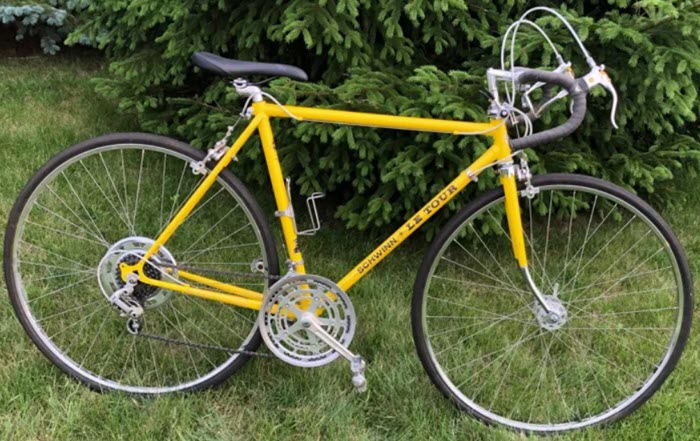
1974 SCHWINN LE TOUR
What is the Schwinn Le Tour?
The Schwinn Le Tour is a Japanese-built road bike produced from the early 1970s
through the mid-1980s. Manufactured in Japan by Panasonic (then the National brand)
under contract for Schwinn, it features a steel frame, Shimano derailleurs, centerpull
brakes, and an aluminum alloy crankset. Widely regarded as one of the best entry-level
vintage road bikes available, the Le Tour offers solid build quality, rideable geometry,
and strong collector value at an accessible price point.
If you’ve spent any time exploring vintage road bikes, few names carry more nostalgic weight than the Schwinn Le Tour. Born out of the American cycling boom of the 1970s, this classic tourer merged Schwinn’s brand authority with genuine Japanese craftsmanship — and the result was one of the most enduring road bikes of its era. This week’s Japanese Bicycle of the Week is a 1974 Le Tour in outstanding condition, and it’s a perfect reminder of why collectors are still tracking these bikes down more than 50 years later.
The Birth of the Schwinn Le Tour
The Le Tour debuted in the early 1970s, arriving precisely when Americans were rediscovering road cycling in large numbers. Schwinn — the most recognized bicycle brand in America since 1895 — needed a competitive 10-speed tourer to capture that momentum. Rather than aim at the premium market, they set out to deliver real road performance at a price accessible to everyday cyclists. What they produced was a bike that punched well above its class and helped cement Schwinn’s hold on the American market through that decade.
The Japanese Connection
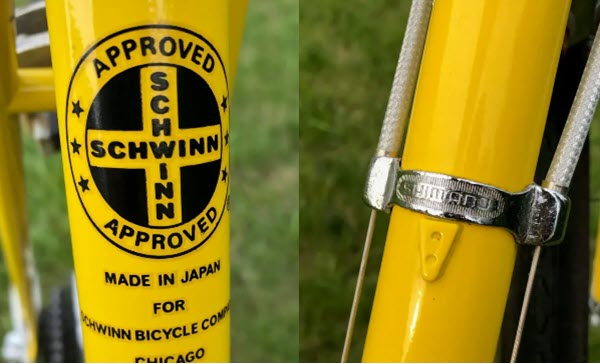
Here’s where the story gets interesting for followers of this site: the Le Tour wasn’t built in Chicago. Schwinn looked overseas, partnering with Panasonic — operating at the time under the National brand — to handle manufacturing in Japan. This was a forward-thinking move. Japan’s bicycle industry in the early 1970s had developed exceptional manufacturing capabilities, and Panasonic was at the forefront of that ecosystem.
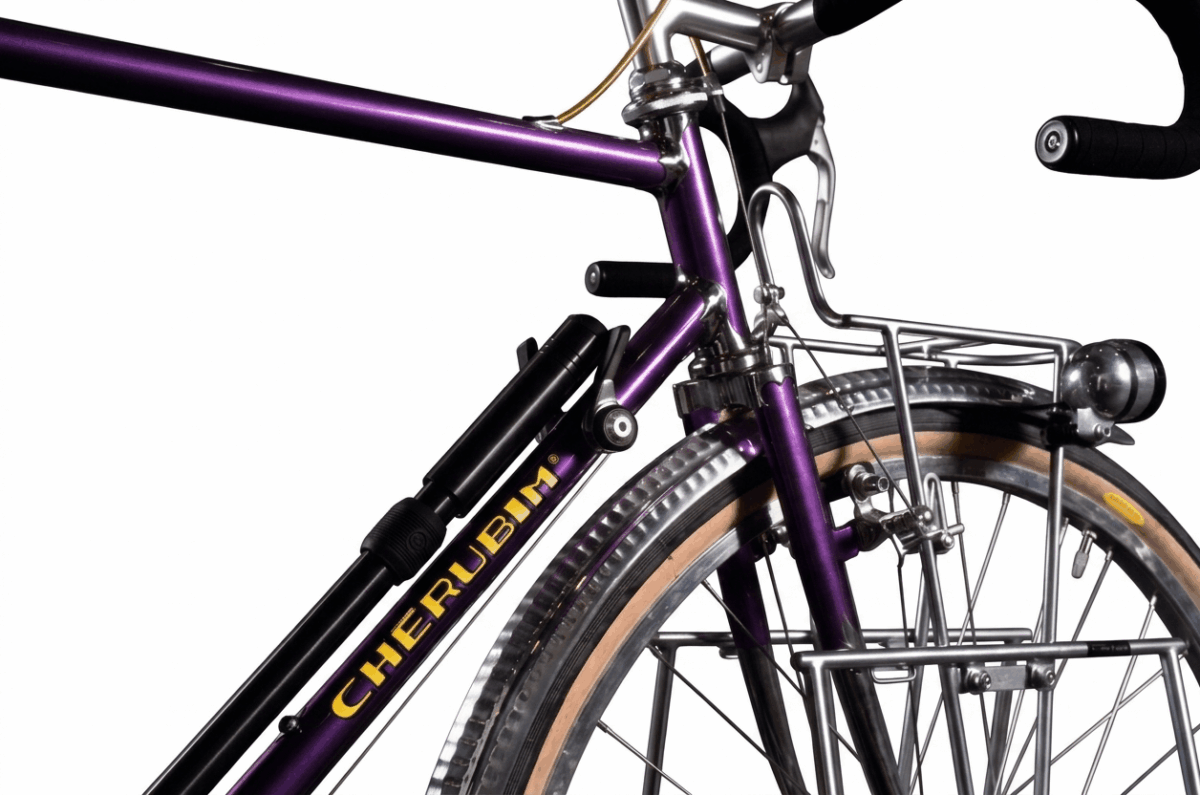
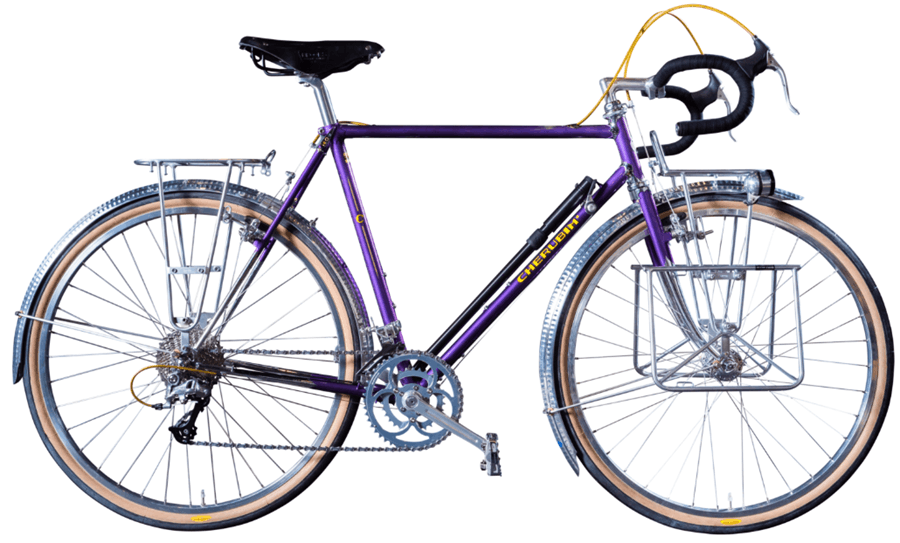
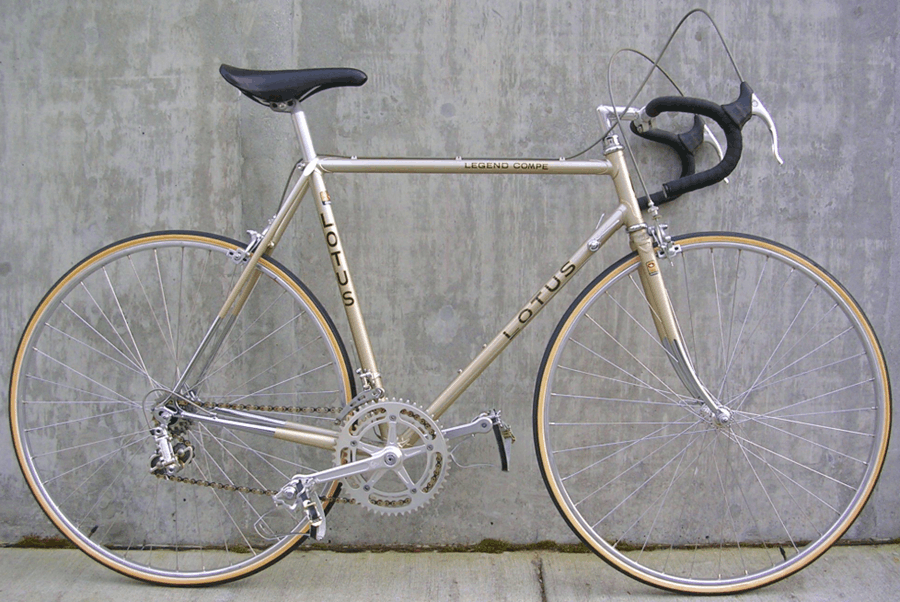
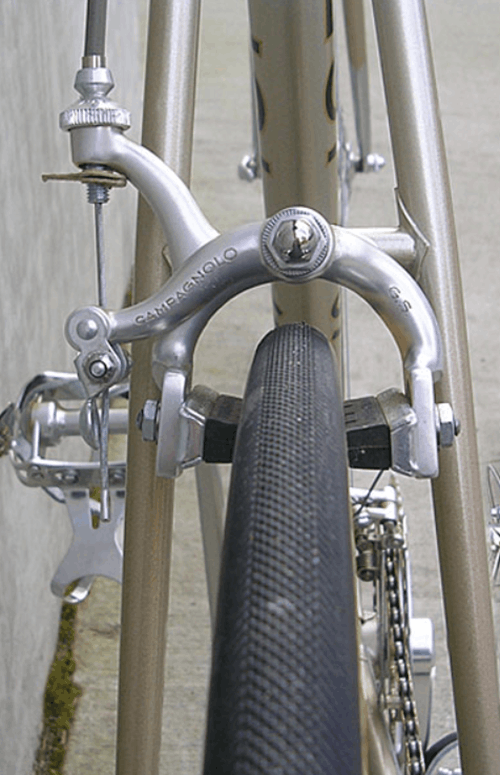
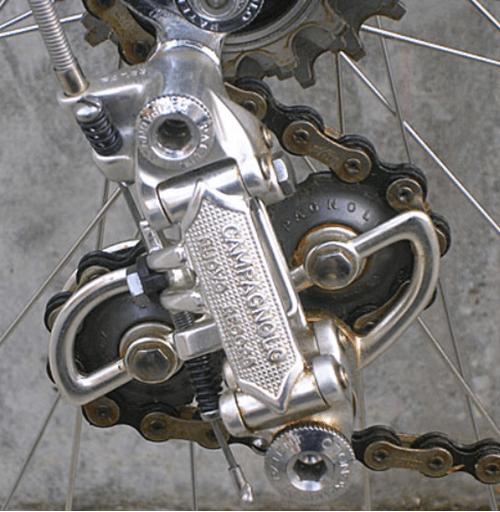
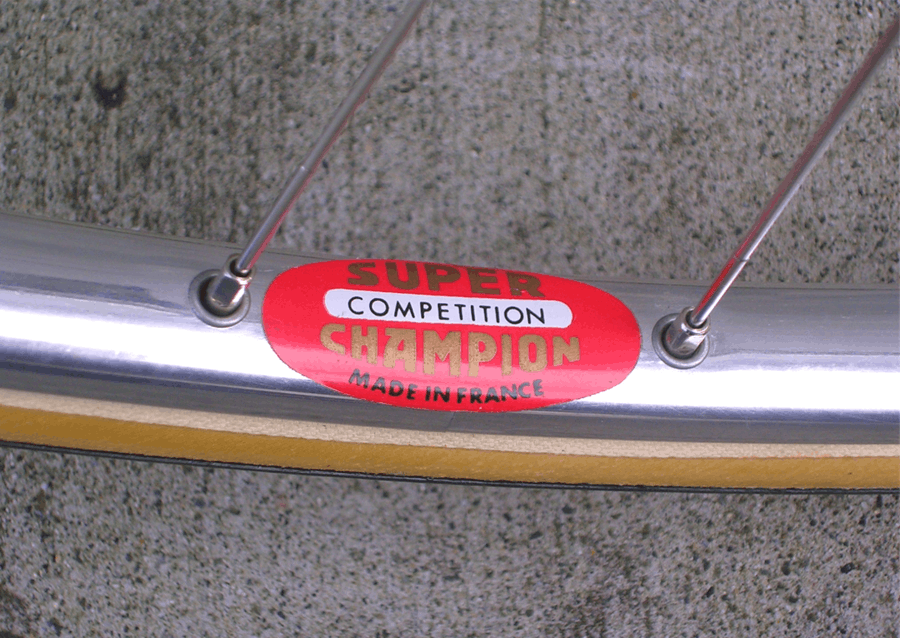
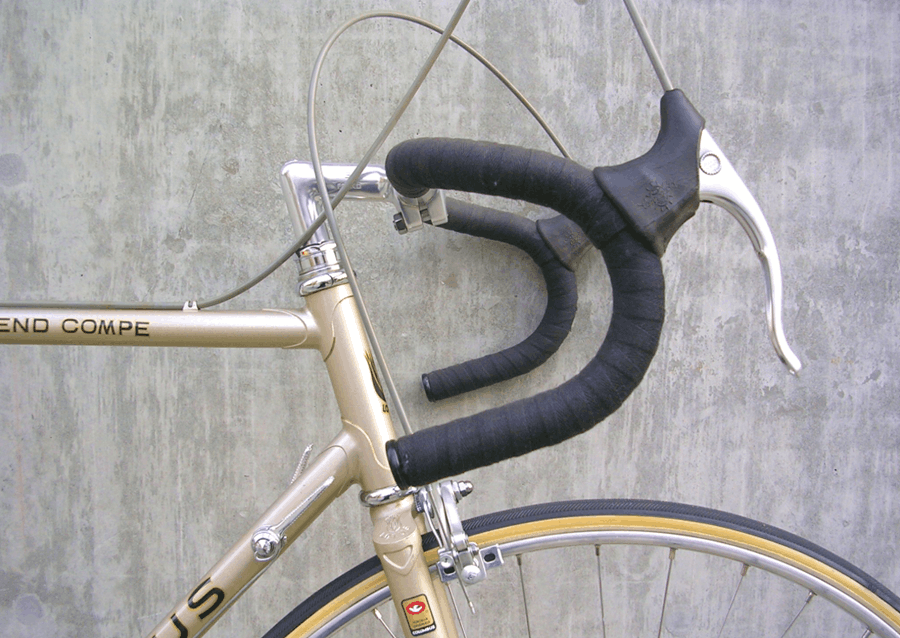
The partnership delivered. The specific bike featured here is a 21-inch frame in exceptional condition, weighing approximately 30 lbs. It runs Shimano front and rear derailleurs, a 5-cog cassette in a 10-speed configuration, centerpull brakes, steel rims, an aluminum alloy crankset, and quick-release aluminum hubs. Centerpull brakes were the preferred design of the era — offering balanced clamping force and predictable modulation — and this example demonstrates exactly why they were so well regarded.
|
Restoring a Vintage Bike? JensonUSA Has You Covered. From chain lubricants and brake cables to classic-compatible components, JensonUSA stocks everything you need to bring a vintage road bike back to life — at competitive prices with fast shipping. 👉 Shop Maintenance & Restoration Supplies at JensonUSA →
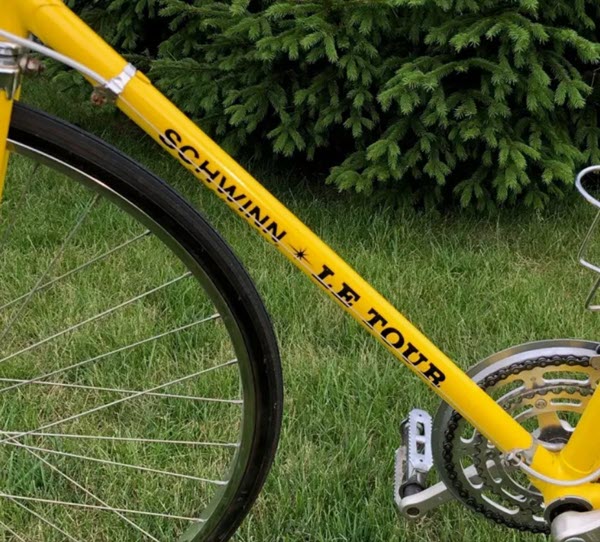
Why the Schwinn Le Tour Stands Out
What keeps the Le Tour in demand among collectors decades after production ended? Several things set it apart from other bikes of the era.
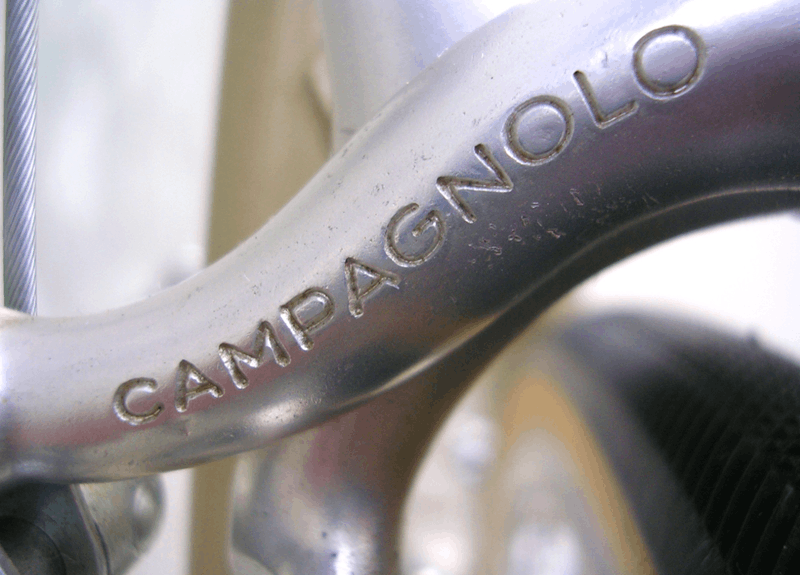
The component specification was genuinely impressive for the price point. Shimano derailleurs were already building their global reputation in the 1970s, and combined with Dia-Compe centerpull brakes, riders had reliable shifting and confident stopping power from day one. These weren’t budget parts — they were proper cycling components on a properly built machine.
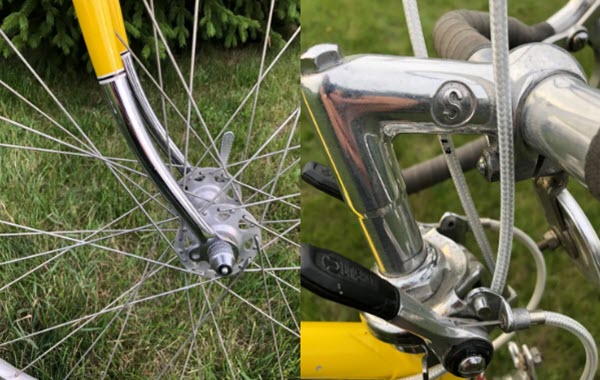
Japanese manufacturing standards at Panasonic’s facilities also meant that build quality was consistent and durable. A well-maintained example has survived in large numbers precisely because the assembly was done right the first time. Finding a complete, rideable Le Tour today is far more achievable than locating equivalent European vintage bikes in comparable condition.
The frame geometry deserves mention too. This bike was designed to be ridden, not displayed. Its proportions put the rider in a natural road position, and the steel frame delivers the comfortable, compliant ride feel that modern carbon bikes often can’t replicate on rough pavement.
Sponsored · Competitive Cyclist
Classic Taste, Modern Performance. Whether you’re restoring a vintage machine or building up a modern road bike, Competitive Cyclist carries top-tier components, wheels, and cycling apparel from the best brands in the sport. 👉 Shop Road Bike Components at Competitive Cyclist →
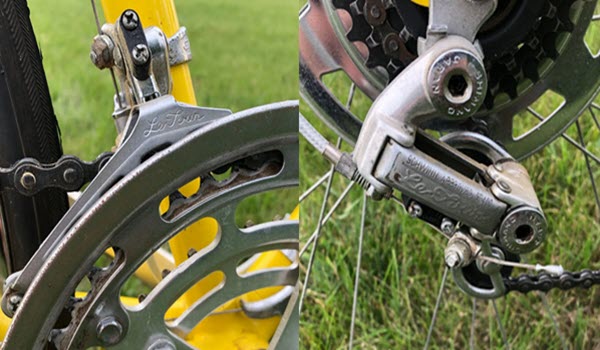
Finally, the aesthetics have aged exceptionally well. Classic lugged steel construction, clean proportions, and the iconic Schwinn badging give this bike a visual presence that holds up against any vintage European touring machine — at a fraction of the price.
The Legacy Continues
The Le Tour represents one of the smartest decisions in Schwinn’s long history. By embracing Japanese manufacturing at a time when American competitors were still resistant to overseas partnerships, they delivered a bike that exceeded expectations and earned genuine rider loyalty. Collectors who come across a well-preserved example today often report the same reaction: surprise at how complete, capable, and ready-to-ride it still feels.
As interest in vintage road cycling continues to attract new riders and seasoned enthusiasts alike, this classic Schwinn holds a firm position as an accessible and rewarding entry point into the hobby — one that delivers real riding enjoyment without the premium prices attached to rarer European counterparts. Whether you’re restoring one to showroom condition or rolling it out on a Sunday morning, the Le Tour delivers the full vintage road experience.
Frequently Asked Questions
Q: When was the Schwinn Le Tour produced? The Le Tour was manufactured from 1974 through the mid-1980s. The 1974 model year is among the most collectible, featuring high-quality original Japanese components and early production craftsmanship that collectors particularly value.
Q: Who actually built the Schwinn Le Tour? Despite being an American brand, Schwinn had the Le Tour built in Japan by Panasonic, which operated under the National brand name at the time. The Japanese manufacturing partnership was central to the bike’s quality, durability, and competitive price point.
Q: Is the Schwinn Le Tour a good vintage bike to buy today? Yes — the Le Tour is widely considered one of the best entry-level vintage road bikes available. Complete examples are relatively findable, replacement parts are accessible through the vintage market, and the overall build quality means most surviving bikes are in rideable condition with minimal restoration work required.
We are an Amazon affiliate and earn from qualified Amazon purchases with no cost to you. This is for ANY product that you purchase through our links. We are also an affiliate for Competitive Cyclist and JensonUSA. This way we can provide you with competitive pricing and products.