
The History of Sekai Bicycles
What was Sekai Bicycle? Sekai Bicycle was a Seattle-based brand launched in the late 1960s by a family-owned importer with Japanese connections. Frames were contracted through Shinwa Trading Company to multiple Japanese factories, with top-tier models built by the custom shop Miki. The brand was acquired by Norco of Canada in 1979 and discontinued in the early 1990s.
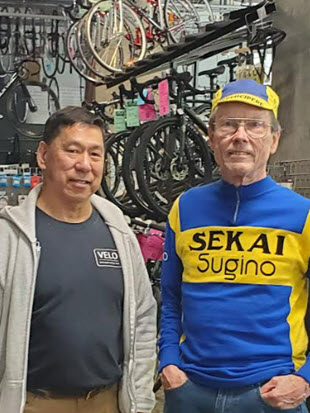
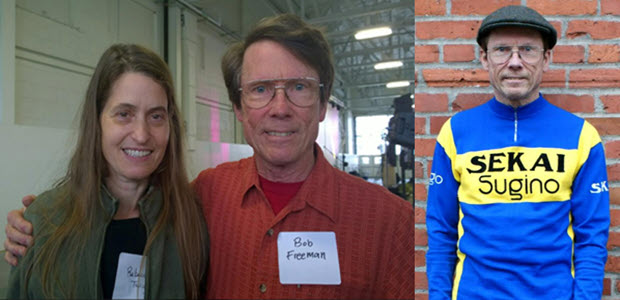
We want to extend our gratitude to Robert Freeman for granting us permission to share his information on the history of Sekai bicycles and the Velo bike shop in Seattle. We also appreciate the images provided by Mr. Freeman shown in the article.
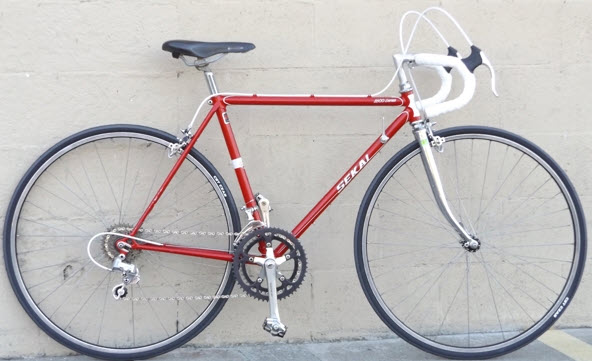
The History of Sekai Bicycle: Seattle Roots, Japanese Steel, and a Racing Legacy
Sekai Bicycle is one of the more underappreciated names from the American cycling boom of the 1970s. It was never a household brand, but it produced serious equipment, helped shape a national distribution network, and launched a racing program that produced world-class athletes. Its story is also a clear-eyed case study in how quickly a well-run small business could be undone by forces entirely outside its control.
Velocipede: Where It Started
The Sekai story begins with a Seattle family with Japanese heritage and existing import connections. In the late 1960s they opened a shop called Velocipede, bringing in bicycles and components from both Europe and Asia at a time when the American market had little access to quality imported product.
Velocipede grew quickly. The shop added a mail order catalog operation and expanded to four retail locations. During the bike boom of the early 1970s, demand outpaced normal supply chains entirely — by some accounts they were moving inventory directly off delivery trucks. It was that kind of market, and the family was in exactly the right position to take advantage of it.
Sponsored · Competitive Cyclist
The Sekai Brand and the Shinwa Partnership
To formalize their wholesale operation and create a house brand, the family partnered with Shinwa Trading Company of Osaka. Shinwa handled all export logistics from the Japanese side and co-owned the Sekai name. Under this arrangement, Sekai bicycles were contracted to several Japanese factories depending on the model tier.
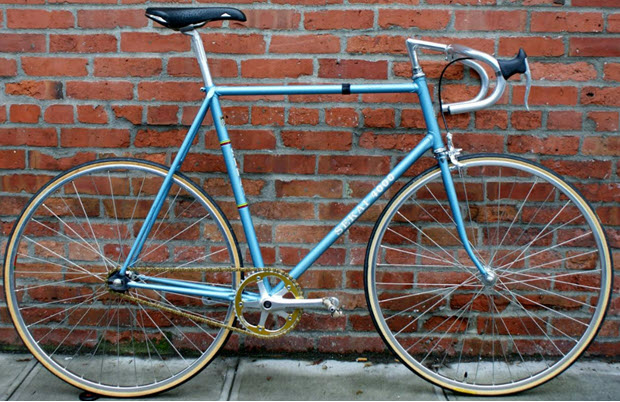
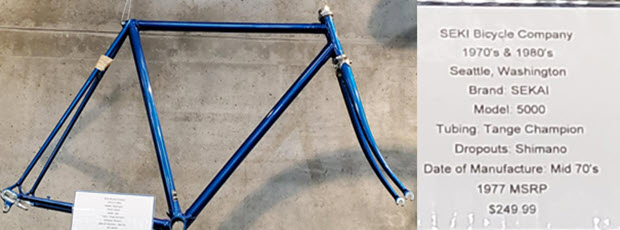
The top-of-the-line Sekai 4000 road and track frames, along with the ultralight Sekai 5000, were built by Miki — a small custom frame shop capable of producing work that competed with far more prominent brands of the era. Below those flagships, Sekai offered a full range of production bikes suited to the general market the company was building.
Distribution was handled through a network of respected regional dealers: Merry Sales in San Francisco, Yellow Jersey in Madison, Freewheel Bike Co-op in Minneapolis, and Turin in Denver. This gave Sekai legitimate national reach without the overhead of a traditional corporate sales structure.
The Velocipede Racing Team
The family’s principals were former racers, and they maintained a serious presence in Pacific Northwest competitive cycling through the Velocipede of Seattle racing team. The team carried sponsorship from Sugino and from the Sekai brand itself.
The roster it developed reads like a who’s-who of American cycling in the late 1970s and early 1980s:
- Rebecca Twigg — later a multiple World Champion
- Mark Pringle — went on to the US National Team and raced in Europe
- Kay Henshaw — World Masters Champion
- Jane Robinson — National Road Champion
- Graham Garcia, Linda Peters, Dennis Palmer
For a regional team running on modest sponsorship from a small importer, that output is remarkable. The team folded when Norco took over the company in 1979.
The 1977 Restructuring
In 1977, Shinwa and the Japanese supplier network required the family to formally separate their retail and mail order operations from the wholesale Sekai business. The two sides of the company that had grown up together had to be split apart. The family started over as Sekai Bicycle Company, a standalone wholesale entity, while the retail side continued under the Velocipede name.
The restructuring left Sekai Bicycle Company thinly capitalized at exactly the wrong moment.
|
The End of Sekai Bicycle
The late 1970s brought rapid appreciation of the Japanese yen against the US dollar. For any importer working on thin margins with Japanese-manufactured product, this was potentially fatal. Sekai Bicycle Company had neither the reserves nor the financing to absorb the exchange rate pressure, and the business became untenable.
Norco of Canada, another Shinwa customer, stepped in and took over. Through the 1980s the Sekai name continued in limited use, but Norco gradually replaced it with their own brand identity. The Sekai bicycle name was formally discontinued in the early 1990s, and Norco pulled out of the US market entirely by the mid-1990s.
The founding family, however, never left the industry. They still own Velo Bike Shop in Seattle today.
What Sekai Left Behind
The Sekai 4000 and 5000 frames continue to circulate among vintage collectors. They are well-regarded for their Miki craftsmanship and represent the upper tier of what Japanese contract manufacturing was producing in that era. The brand’s larger legacy, though, is the racing program — a small regional team that trained athletes who went on to win at the highest levels of the sport.
Source material courtesy of Robert D. Freeman.
FAQ
Q: Who manufactured Sekai bicycle frames? Sekai frames were contracted through Shinwa Trading Company to multiple Japanese factories. The top-tier Sekai 4000 road and track frames and the Sekai 5000 superlight frames were built by Miki, a small custom frame shop in Japan.
Q: What happened to Sekai Bicycle Company? Sekai was acquired by Norco of Canada in 1979 after exchange rate pressures made the business unsustainable. Norco phased out the Sekai name in the early 1990s and exited the US market by the mid-1990s.
Q: Did any professional cyclists ride for the Velocipede/Sekai racing team? Yes. The Velocipede of Seattle team produced Rebecca Twigg (multiple World Champion), Mark Pringle (US National Team), Kay Henshaw (World Masters Champion), and Jane Robinson (National Road Champion), among others.
We are an Amazon affiliate and earn from qualified Amazon purchases with no cost to you. This is for ANY product that you purchase through our links. We are also an affiliate for Competitive Cyclist and JensonUSA. This way we can provide you with competitive pricing and products.