Categories
Classic Japanese Bicycles

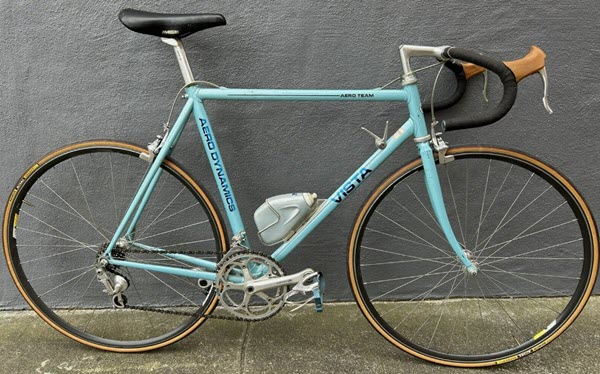
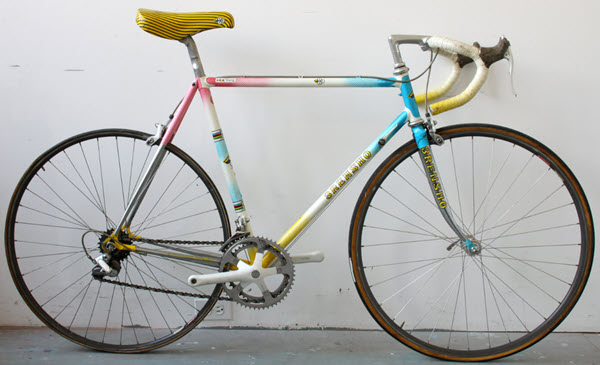
The Design and Innovation of the 1981 Vista Aero Bicycle Team Shimano

The Innovation of the 1981 Vista Aero Bicycle Team Shimano 

aero bicycle
SPECIAL THANKS TO AMERICAN CYCLERY FOR THE IMAGES CONTAINED IN THIS ARTICLE.

What is the 1981 Vista Aero Bicycle Team Shimano?
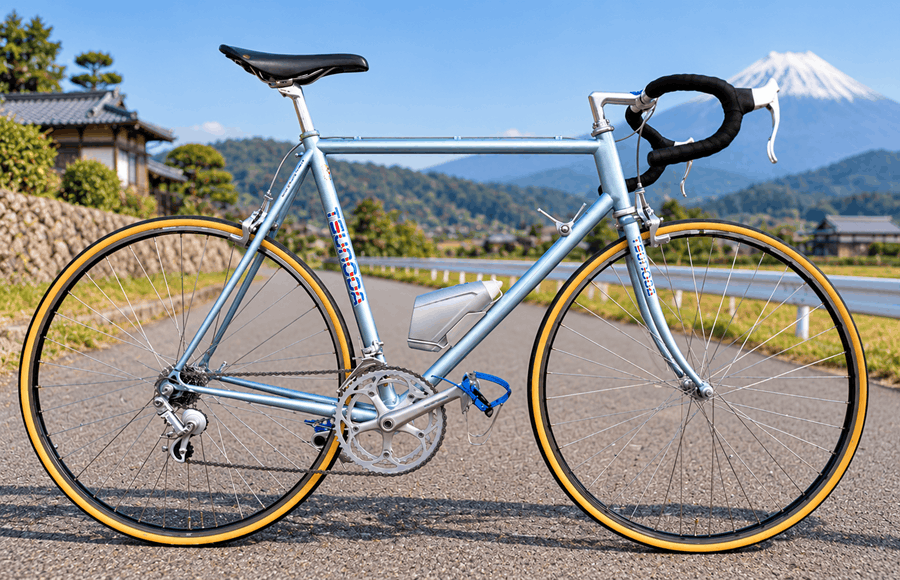
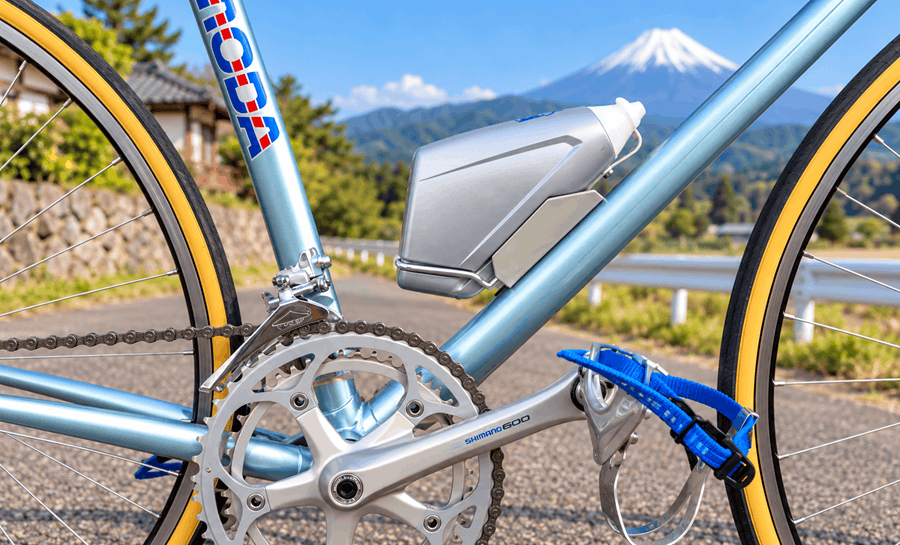
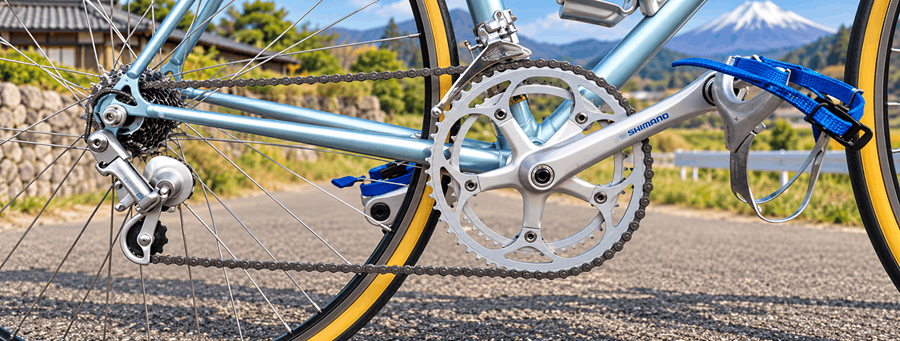
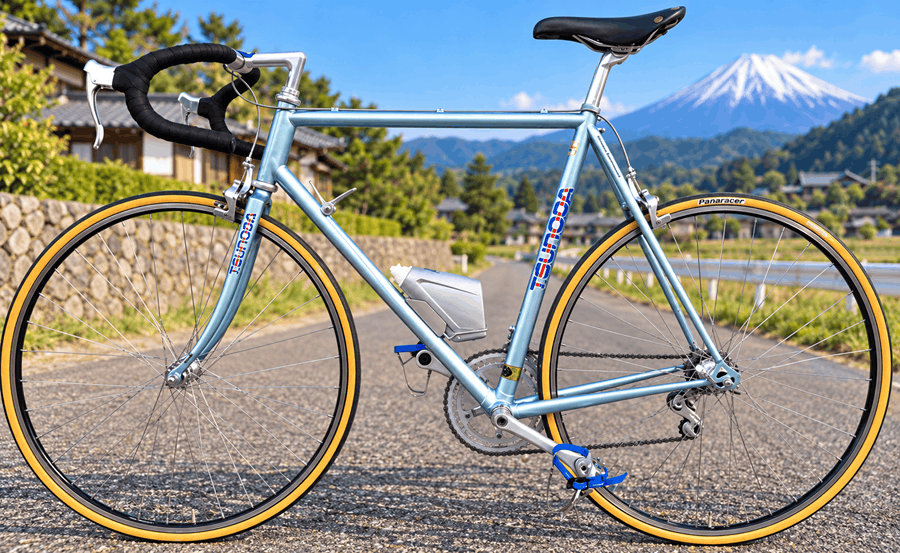
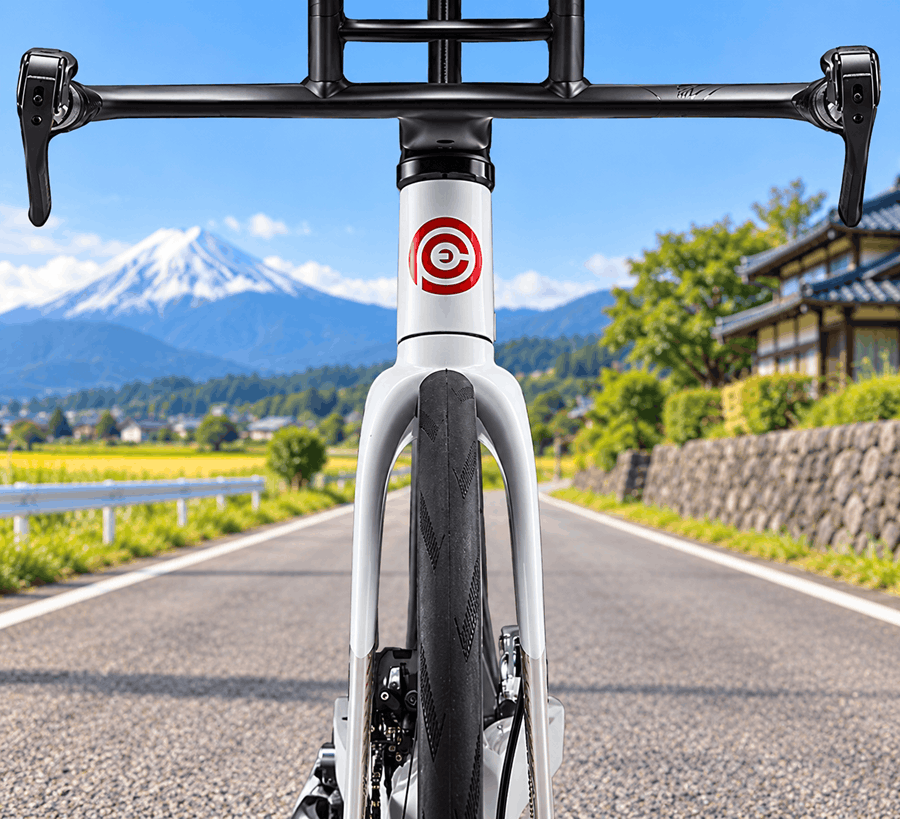
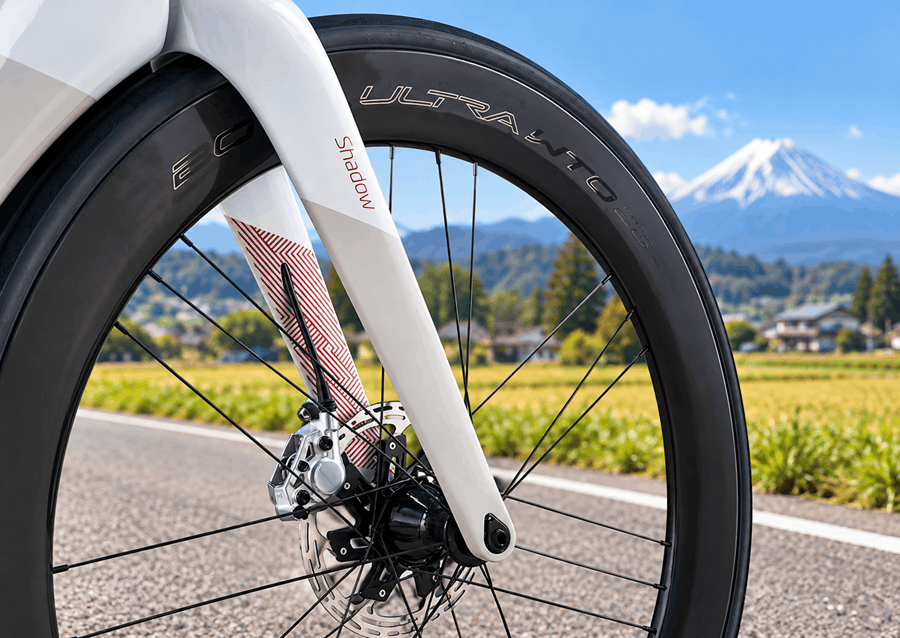
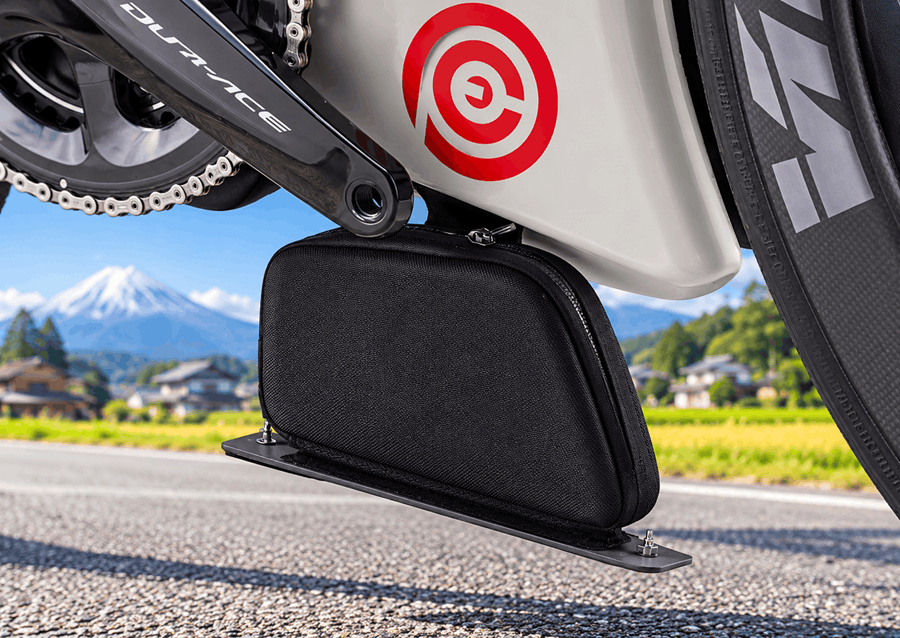
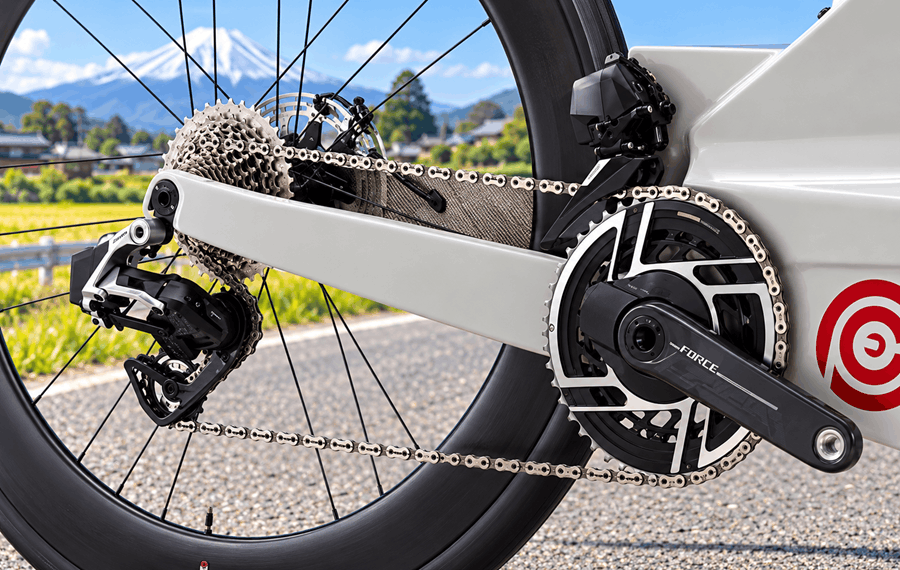
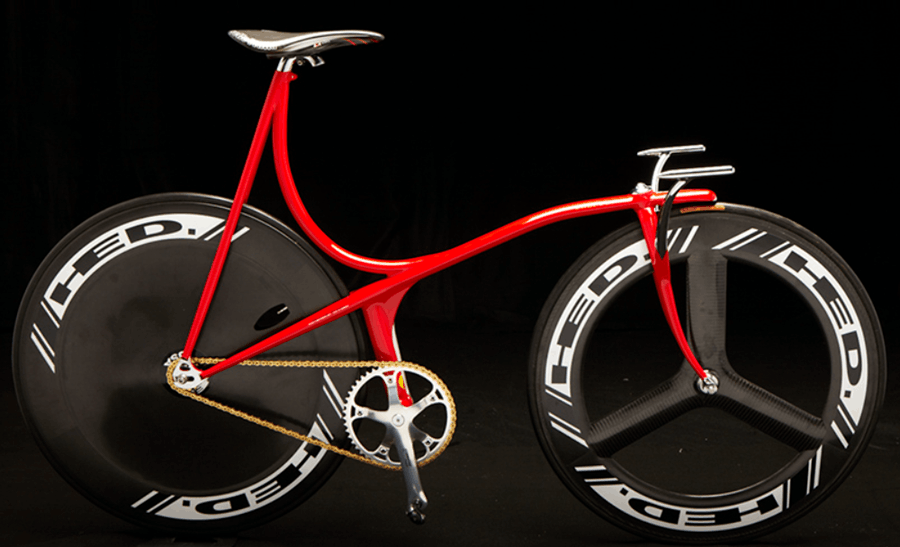
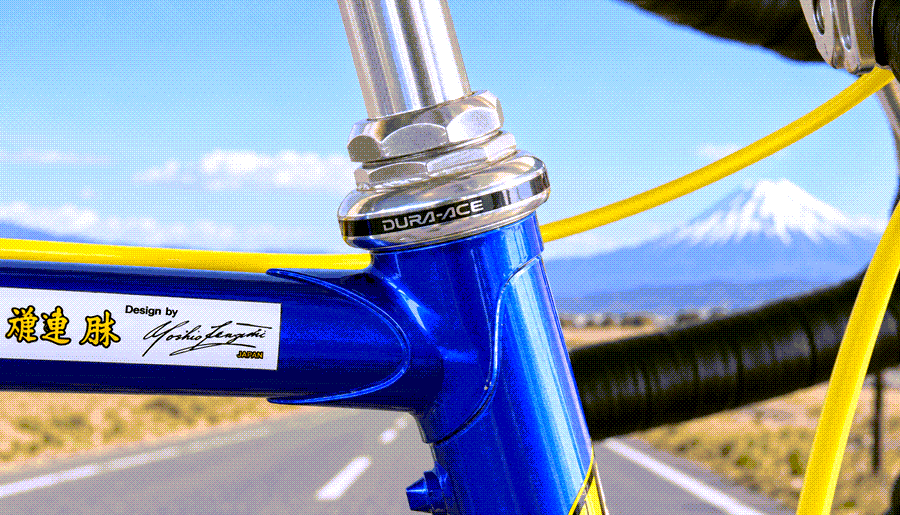
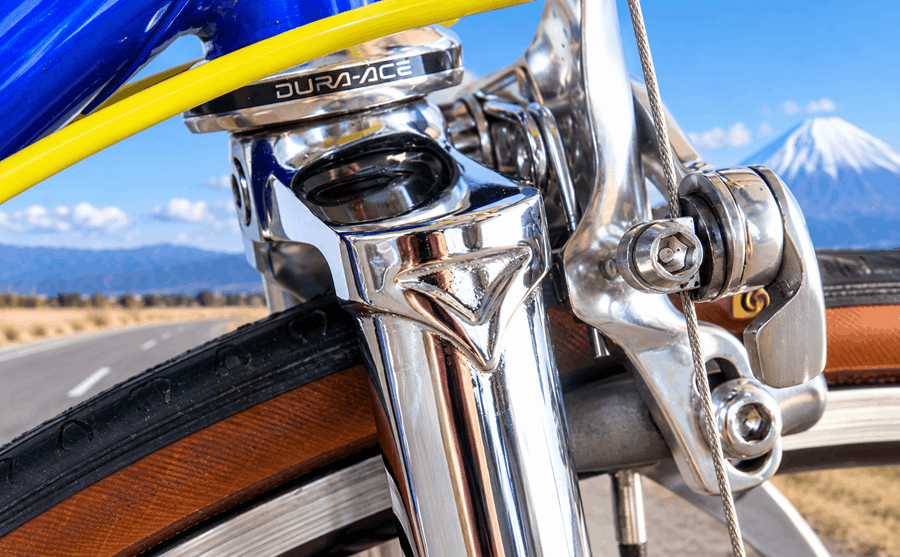
The 1981 Vista Aero Bicycle is a Japanese-made road bike built by Araya and spec’d with the Shimano Dura-Ace AX 7300 aerodynamic groupset and Tange multi-shaped aero tubing. Produced during the short-lived Aero Era of the early 1980s, it was built specifically to showcase Shimano’s AX component system. It is now a sought-after collector’s bicycle valued for its technical specifications and period-correct engineering.

Background and Origin

The 1981 Vista Aero Bicycle was manufactured by Araya,Japanese Steel classic bicycle design from Japan a Japanese wheel and frame builder with a long production history. This was not a general-production road bike — it was built as a platform vehicle to demonstrate the Shimano Dura-Ace AX 7300 aerodynamic component group. Production was limited to the Aero Era, a brief window in the early 1980s when aerodynamic road equipment was being aggressively developed by Japanese component manufacturers.

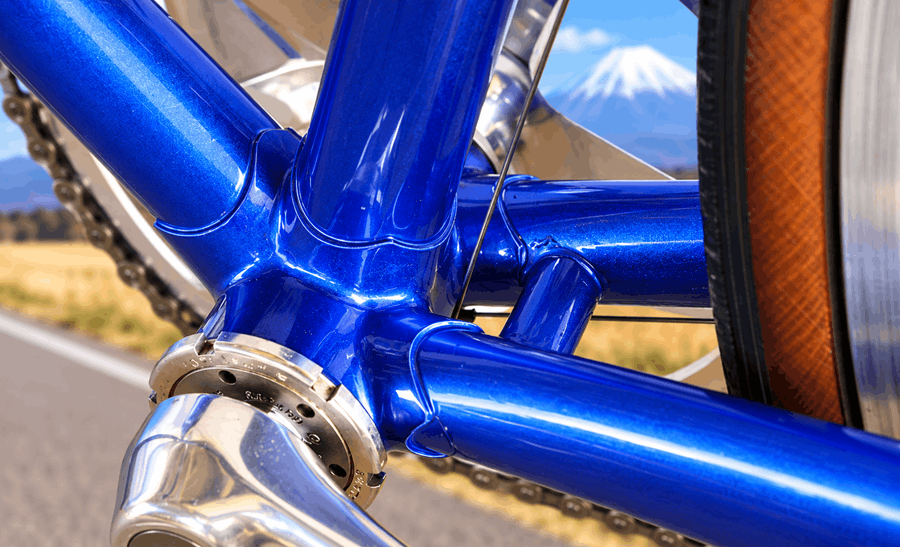
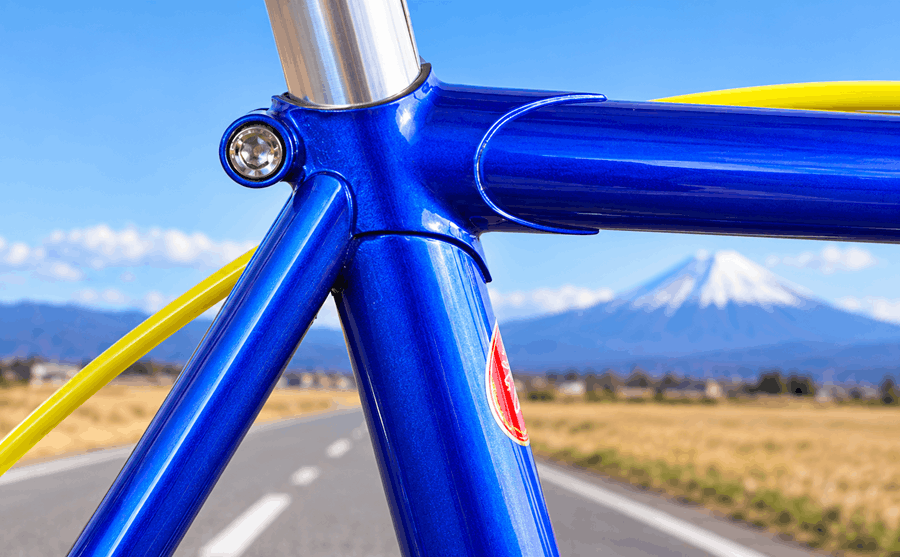
The frame used Tange chromoly tubing with multi-dimensional aero profiling, meaning tube cross-sections varied in shape to reduce frontal drag — a significant departure from the round butted tubing standard of the time. The combination of an aero-profiled frame with a fully matched aero groupset made the Vista Aero a technically coherent package, uncommon among production bicycles of this period.

Sponsored · Competitive Cyclist

Competitive Cyclist

Gear Up for Spring.


Browse All Deals →

Up to 50% off
Gorewear Apparel
All-weather cycling kit for serious conditions.

Shop →

Up to 40% off
Spring Bike Clearout
Road and performance bikes at reduced pricing.

Shop →

Shop Now
Tools & Maintenance
Dial in your ride before the season starts.

Shop →

aero bicycle

Shimano Dura-Ace AX 7300 Components

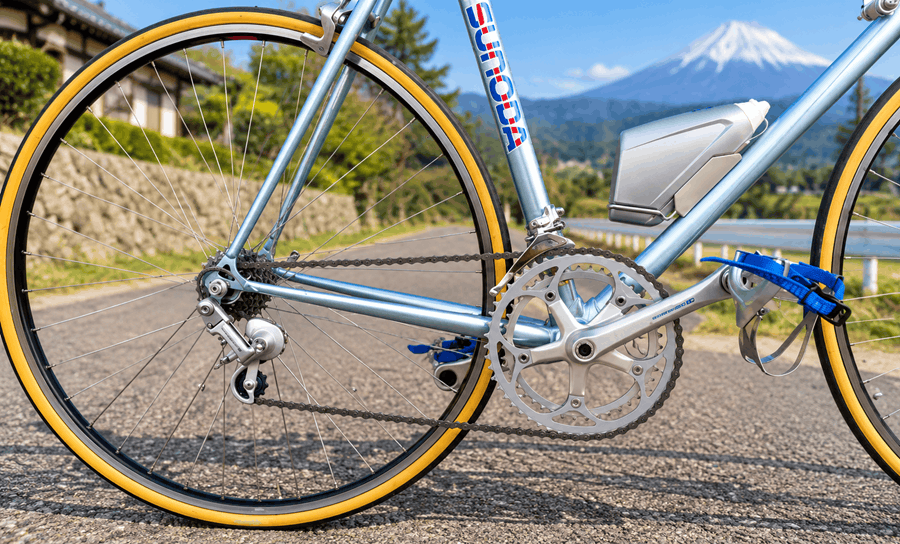
The Shimano Dura-Ace AX 7300 groupset was introduced in 1981 and discontinued by approximately 1984. The AX designation stood for “Aero X” and represented Shimano’s first systematic attempt to engineer drag reduction across every component in a drivetrain.

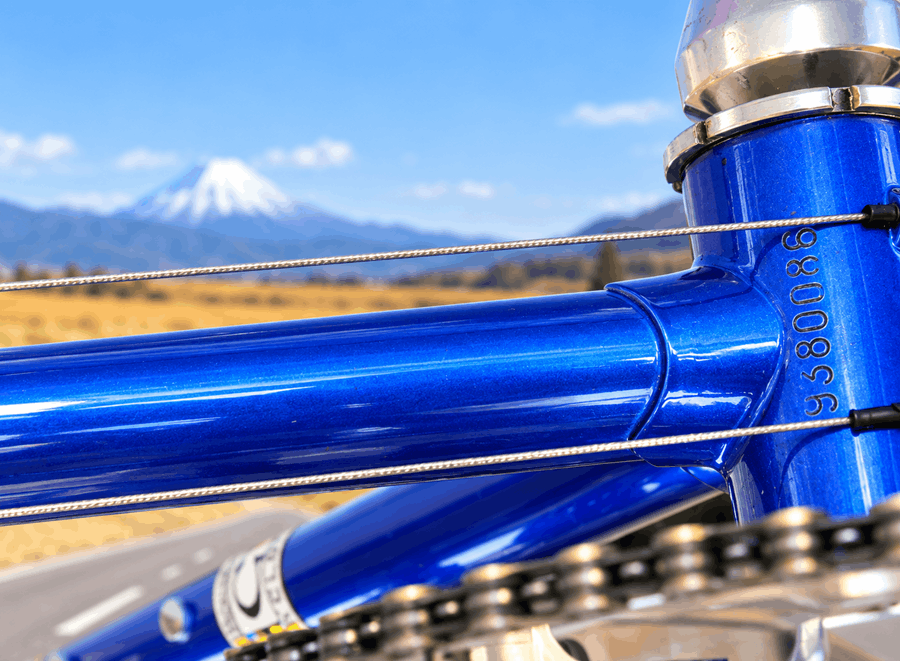
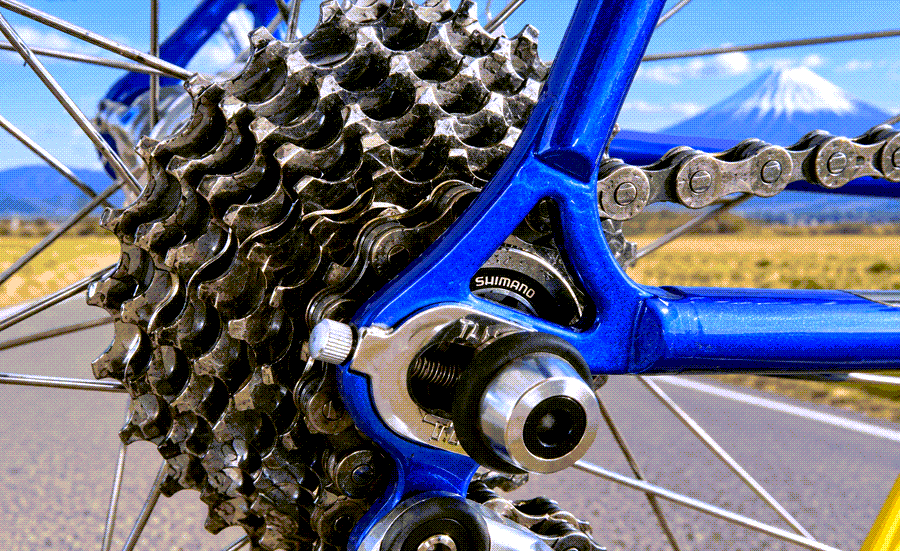
Brake levers used fully internal cable routing, eliminating exposed housings along the handlebar — a feature that would not become standard practice until decades later. Derailleurs featured low-profile curved body shapes with the rear cable path routed under the bottom bracket shell rather than through a conventional down tube stop.

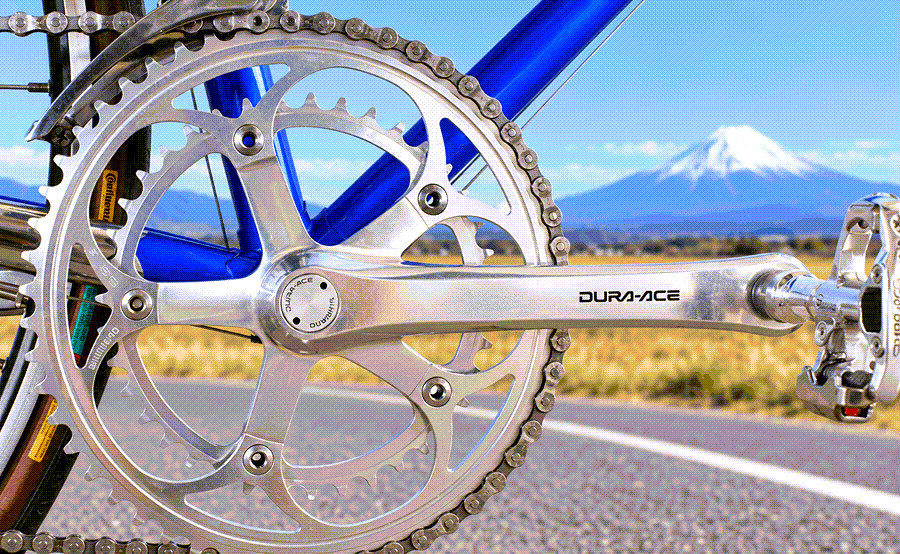
The crankset incorporated early chainring ramp and pin engineering within a streamlined spider profile. Pedals used a recessed cleat system with a flatter body than standard Dura-Ace of the era. Headset and seatpost components continued the cohesive aero shaping across the complete build.

Sponsored
JENSON USA
America’s Bike & Adventure Shop
★ FREE 1-Day Shipping over $50 to California
Tools & Maintenance — everything to keep your bike dialed.
Shop Tools & Maintenance →

The AX 7300 group faced practical criticism over cable tension consistency with the internal routing system, contributing to its short market life. This is also why complete, unmolested builds are uncommon today — the brake lever internal routing is the most frequently damaged or modified piece on surviving examples.

Tange Aero Tubing Construction

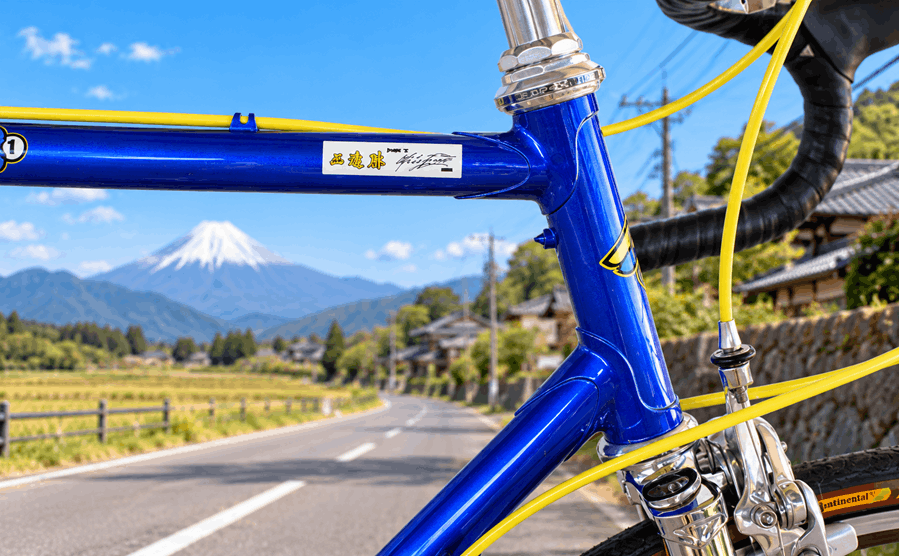
The Vista Aero frame used Tange chromoly with oval and teardrop-profile shaping on the fork blades and seat stays, with non-circular cross-sections incorporated into the main triangle. Multi-shaped tubing was technically demanding to produce — non-round tubes require specific jig setups and present different stress distribution characteristics than round tubing under load. Lugless construction was used throughout, consistent with higher-end Japanese frames of this period that prioritized clean joinery over European-style lugwork.

Collector Status and Market Value

Complete, unrestored examples with matching AX 7300 group sets are uncommon. The three-year production window of the AX group means sourcing replacement parts for incomplete builds is difficult. NOS AX components surface occasionally on eBay and Japanese auction platforms at significant premiums.

“For high-end component sourcing on restored builds, Competitive Cyclist carries an extensive road groupset selection.”

Collector condition priorities in order: AX groupset completeness, original frame finish, and correct wheel spec. A complete original-condition example in rideable spec represents a specific, documented moment in Japanese bicycle engineering that does not repeat elsewhere in the vintage market.

Legacy

Japanese manufacturers were not replicating European road bikes during this period — they were independently engineering aerodynamic solutions the broader industry would not fully address until the 1990s. The AX system, Tange aero tubing, and Araya frame construction represent a coherent engineering program. The 1981 Vista Aero Bicycle remains technically relevant both as a collector artifact and as a rideable example of early aero development done right.

Frequently Asked Questions

Q: Who manufactured the 1981 Vista Aero Bicycle frame?

A: The frame was built by Araya, a Japanese
manufacturer known for wheel production and frame building. The Vista Aero was built as a showcase platform for the Shimano Dura-Ace AX 7300 aerodynamic group during the early 1980s Aero Era.

Q: What made the Shimano Dura-Ace AX 7300 groupset technically distinctive?

A: The AX 7300 was Shimano’s first full-system aerodynamic drivetrain, featuring internally routed brake cables, low-profile aero derailleur bodies, and cable routing running under the bottom bracket shell. Produced from 1981 to approximately 1984, complete intact builds are rare today.

Q: What type of tubing was used on the Vista Aero frame?

A: Tange chromoly with multi-dimensional aero profiling — oval and teardrop cross-sections on fork blades and seat stays — combined with lugless construction. This was designed to reduce frontal air resistance and was technically more demanding to manufacture than standard round-tube frames.

About the Author
James Hickman is a former Expert coach with USA Cycling who coached cyclists across all skill levels, from CAT 2 racers to intermediate and beginning riders. He also served as a coach for the Leukemia and Lymphoma Society’s Team In Training program, where he successfully trained individuals of varying abilities to complete century (100-mile) rides, combining his passion for cycling with meaningful community impact.

We are an Amazon affiliate and earn from qualified Amazon purchases with no cost to you. This is for ANY product that you purchase through our links. We are also an affiliate for Competitive Cyclist and JensonUSA. This way we can provide you with competitive pricing and products.
Categories
Japanese Road Bikes

Schwinn Le Tour: Rediscovering the Classic

1974 SCHWINN LE TOUR

SCHWINN LE TOUR
SPECIAL THANKS TO FRUGAL AVERAGE BICYCLIST FOR THE IMAGES CONTAINED IN THIS ARTICLE!

What is the Schwinn Le Tour?

The Schwinn Le Tour is a Japanese-built road bike produced from the early 1970s
through the mid-1980s. Manufactured in Japan by Panasonic (then the National brand)
under contract for Schwinn, it features a steel frame, Shimano derailleurs, centerpull
brakes, and an aluminum alloy crankset. Widely regarded as one of the best entry-level
vintage road bikes available, the Le Tour offers solid build quality, rideable geometry,
and strong collector value at an accessible price point.

If you’ve spent any time exploring vintage road bikes, fewJapanese Steel classic bicycle design from Japan names carry more nostalgic weight than the Schwinn Le Tour. Born out of the American cycling boom of the 1970s, this classic tourer merged Schwinn’s brand authority with genuine Japanese craftsmanship — and the result was one of the most enduring road bikes of its era. This week’s Japanese Bicycle of the Week is a 1974 Le Tour in outstanding condition, and it’s a perfect reminder of why collectors are still tracking these bikes down more than 50 years later.

The Birth of the Schwinn Le Tour

The Le Tour debuted in the early 1970s, arriving precisely when Americans were rediscovering road cycling in large numbers. Schwinn — the most recognized bicycle brand in America since 1895 — needed a competitive 10-speed tourer to capture that momentum. Rather than aim at the premium market, they set out to deliver real road performance at a price accessible to everyday cyclists. What they produced was a bike that punched well above its class and helped cement Schwinn’s hold on the American market through that decade.

The Japanese Connection

Here’s where the story gets interesting for followers of this site: the Le Tour wasn’t built in Chicago. Schwinn looked overseas, partnering with Panasonic — operating at the time under the National brand — to handle manufacturing in Japan. This was a forward-thinking move. Japan’s bicycle industry in the early 1970s had developed exceptional manufacturing capabilities, and Panasonic was at the forefront of that ecosystem.

The partnership delivered. The specific bike featured here is a 21-inch frame in exceptional condition, weighing approximately 30 lbs. It runs Shimano front and rear derailleurs, a 5-cog cassette in a 10-speed configuration, centerpull brakes, steel rims, an aluminum alloy crankset, and quick-release aluminum hubs. Centerpull brakes were the preferred design of the era — offering balanced clamping force and predictable modulation — and this example demonstrates exactly why they were so well regarded.

Sponsored
JENSON USA
America’s Bike & Adventure Shop
★ FREE 1-Day Shipping over $50 to California
Tools & Maintenance — everything to keep your bike dialed.
Shop Tools & Maintenance →

Restoring a Vintage Bike? JensonUSA Has You Covered. From chain lubricants and brake cables to classic-compatible components, JensonUSA stocks everything you need to bring a vintage road bike back to life — at competitive prices with fast shipping. 👉 Shop Maintenance & Restoration Supplies at JensonUSA →
SCHWINN LE TOUR

Why the Schwinn Le Tour Stands Out

What keeps the Le Tour in demand among collectors decades after production ended? Several things set it apart from other bikes of the era.

The component specification was genuinely impressive for the price point. Shimano derailleurs were already building their global reputation in the 1970s, and combined with Dia-Compe centerpull brakes, riders had reliable shifting and confident stopping power from day one. These weren’t budget parts — they were proper cycling components on a properly built machine.

Japanese manufacturing standards at Panasonic’s facilities also meant that build quality was consistent and durable. A well-maintained example has survived in large numbers precisely because the assembly was done right the first time. Finding a complete, rideable Le Tour today is far more achievable than locating equivalent European vintage bikes in comparable condition.

The frame geometry deserves mention too. This bike was designed to be ridden, not displayed. Its proportions put the rider in a natural road position, and the steel frame delivers the comfortable, compliant ride feel that modern carbon bikes often can’t replicate on rough pavement.

Sponsored · Competitive Cyclist

Competitive Cyclist Deals.
No code required.

Browse All Deals →

Up to 50% off

Gorewear Apparel
All-weather cycling kit built for serious conditions.
Up to 40% off

Bikes on Sale
Selected road and performance bikes at reduced pricing.
Shop Now

Tools & Maintenance
Everything you need to keep your ride dialed.

Classic Taste, Modern Performance. Whether you’re restoring a vintage machine or building up a modern road bike, Competitive Cyclist carries top-tier components, wheels, and cycling apparel from the best brands in the sport. 👉 Shop Road Bike Components at Competitive Cyclist →
SCHWINN LE TOUR

Finally, the aesthetics have aged exceptionally well. Classic lugged steel construction, clean proportions, and the iconic Schwinn badging give this bike a visual presence that holds up against any vintage European touring machine — at a fraction of the price.

The Legacy Continues

The Le Tour represents one of the smartest decisions in Schwinn’s long history. By embracing Japanese manufacturing at a time when American competitors were still resistant to overseas partnerships, they delivered a bike that exceeded expectations and earned genuine rider loyalty. Collectors who come across a well-preserved example today often report the same reaction: surprise at how complete, capable, and ready-to-ride it still feels.

As interest in vintage road cycling continues to attract new riders and seasoned enthusiasts alike, this classic Schwinn holds a firm position as an accessible and rewarding entry point into the hobby — one that delivers real riding enjoyment without the premium prices attached to rarer European counterparts. Whether you’re restoring one to showroom condition or rolling it out on a Sunday morning, the Le Tour delivers the full vintage road experience.


Frequently Asked Questions

Q: When was the Schwinn Le Tour produced? The Le Tour was manufactured from 1974 through the mid-1980s. The 1974 model year is among the most collectible, featuring high-quality original Japanese components and early production craftsmanship that collectors particularly value.

Q: Who actually built the Schwinn Le Tour? Despite being an American brand, Schwinn had the Le Tour built in Japan by Panasonic, which operated under the National brand name at the time. The Japanese manufacturing partnership was central to the bike’s quality, durability, and competitive price point.

Q: Is the Schwinn Le Tour a good vintage bike to buy today? Yes — the Le Tour is widely considered one of the best entry-level vintage road bikes available. Complete examples are relatively findable, replacement parts are accessible through the vintage market, and the overall build quality means most surviving bikes are in rideable condition with minimal restoration work required.

We are an Amazon affiliate and earn from qualified Amazon purchases with no cost to you. This is for ANY product that you purchase through our links. We are also an affiliate for Competitive Cyclist and JensonUSA. This way we can provide you with competitive pricing and products.


Categories
Classic Japanese Bicycles

Cherubim Bicycle Review: Super Touring Edition

Cherubim bicycle sport touring
SPECIAL THANKS TO CHERUBIM BICYCLES FOR THE IMAGES CONTAINED IN THIS ARTICLE?

Quick Answer

The Cherubim Super Touring is a Japanese handbuiltJapanese Steel classic bicycle design from Japan touring bicycle crafted by master framebuilder Hitoshi Nago at Cherubim Cycles in Tokyo. Built to custom geometry with 650x38B tires, cantilever brakes, and a 130mm rear spacing, it blends classic Japanese craftsmanship with modern touring performance. It supports Rinko-style disassembly for train and travel use, making it one of the most refined all-world touring machines available today.

There is a particular kind of bicycle that stops experienced riders mid-stride. Not because it’s loud or covered in carbon fiber, but because every line is exactly right — balanced, purposeful, and clearly made by someone who understands what a bicycle is supposed to feel like. The Cherubim Super Touring is that kind of bicycle.

Built by hand in Tokyo by one of Japan’s most respected frame builders, the Super Touring occupies a rare space in the cycling world: a custom touring frame with the responsiveness of a road bike, built to carry you anywhere on earth and last a lifetime doing it.

Cherubim seat tubr

A Brief History of Cherubim Cycles

Cherubim Cycles was founded by Hitoshi Nago in Tokyo, and over decades has earned a reputation as one of Japan’s finest custom frame builders. Nago-san builds every frame himself, hand-filing lugs, hand-brazing joints, and fitting each frame to the individual rider. Unlike production manufacturers, Cherubim produces a limited number of frames each year, and each one is a direct collaboration between builder and rider.

Cherubim is known for building across disciplines — road, track, randonneur, and touring — but the unifying thread in every frame is an obsessive attention to ride quality. Nago-san has spoken extensively about his belief that a bicycle should feel alive under the rider, not just structurally sound. That philosophy is present in every tube junction and dropout on the Super Touring.

Cherubim bicycle chain stays

The Super Touring: What Makes It Different

The name might suggest a traditional, heavy-footed tourer, but the Cherubim Super Touring is built around a modern interpretation of the category. The geometry is designed to give the rider a responsive, connected feel — closer to a road bike than the upright, sluggish ride associated with older touring frames. This is a deliberate choice, reflecting how long-distance touring has evolved toward faster, more efficient riding positions.

Sponsored
JENSON USA
America’s Bike & Adventure Shop
★ FREE 1-Day Shipping over $50 to California
Tools & Maintenance — everything to keep your bike dialed.
Shop Tools & Maintenance →

Frame size and color are fully custom, meaning every Super Touring is built to the individual rider’s measurements and preferences. This is not off-the-shelf touring. This is a frame that fits you specifically. The 650x38B tire spec is particularly thoughtful — the 650B wheel diameter offers a more responsive, lively feel than 700c at wider tire sizes, with better low-speed handling when the bike is loaded. If you’re building around the 650x38B standard, Competitive Cyclist has the Hutchinson Override TLR 650B tire  in stock — one of the most popular choices for this wheel size.

The 1-inch JIS head tube and 27.2mm seat post reflect a refined Japanese standard, pairing well with a wide range of classic and modern components. The 68mm BSA bottom bracket shell is universally compatible, giving the builder flexibility when speccing the drivetrain. Rear hub spacing at 130mm accommodates standard road hubs while remaining compatible with a wide range of touring wheelsets.

Cherubim bicycle cockpit

Cantilever brakes are a considered choice for a touring frame of this type. They offer excellent mud and tire clearance, consistent modulation under load, and the ability to run wider rubber without compromise.
For sourcing cantilever brake pads or replacement hardware, JensonUSA carries a solid selection of touring-compatible brake components including Shimano options that pair well with classic Japanese builds.  The 38mm width delivers comfort and traction on varied surfaces without sacrificing efficiency on pavement.

One of the most distinctive features is the Super Touring’s compatibility with Rinko style packing — the Japanese practice of partially disassembling a bicycle to fit it into a bag for train or airline travel. For serious cycle tourists, this is not a footnote. It is a fundamental design consideration, and Cherubim builds the Super Touring with this use case fully in mind.

Cherubim bicycle sport touring

This is a bicycle built to take you around the world, then do it again.

Sponsored · Competitive Cyclist

Competitive Cyclist Deals.
No code required.

Browse All Deals →

Up to 50% off

Gorewear Apparel
All-weather cycling kit built for serious conditions.
Up to 40% off

Bikes on Sale
Selected road and performance bikes at reduced pricing.
Shop Now

Tools & Maintenance
Everything you need to keep your ride dialed.

FAQs

What is a Cherubim bicycle? A Cherubim bicycle is a custom handbuilt frame made by Hitoshi Nago at Cherubim Cycles in Tokyo, Japan. Each frame is built to the individual rider’s measurements and is regarded as one of the finest examples of Japanese framebuilding craft available today.

What does Rinko style mean on a touring bike? Rinko is a Japanese term for the practice of partially disassembling a bicycle — typically removing the wheels and handlebars — so it can be packed into a soft bag and carried on trains or checked as luggage. The Cherubim Super Touring is designed to support this style of travel-friendly packing.

Why does the Cherubim Super Touring use 650B wheels instead of 700c? 650B wheels with wide tires offer a more responsive and comfortable ride than 700c at equivalent tire widths, particularly when the bike is loaded for touring. The smaller diameter improves low-speed handling and allows for greater tire volume without compromising frame clearance.

We are an Amazon affiliate and earn from qualified Amazon purchases with no cost to you. This is for ANY product that you purchase through our links. We are also an affiliate for Competitive Cyclist and JensonUSA. This way we can provide you with competitive pricing and products.
Categories
Japanese bicycles

Mr.I EQUILIBRIUM: The Titanium Carbon Hybrid Road Bike Hand Built in Tokyo

titanium carbon hybrid road bike
SPECIAL THANKS TO EQUILIBRIUMCYCLEWORKS.COM FOR THE IMAGES CONTAINED IN THIS ARTICLE!

The Mr. I EQUILIBRIUM is a custom titanium carbon hybrid road bike handcrafted in Tokyo by Equilibrium Cycleworks. It pairs a titanium main triangle with a carbon fiber fork and rear stays, built to individual rider geometry. The result is a long-life, compliance-optimized road frame with no production-run compromises.

titanium carbon hybrid road bike rear angle

Equilibrium Cycleworks is a small-batch frame builderJapanese Steel classic bicycle design from Japan operating out of Tokyo. Their Mr. I model is a titanium carbon hybrid road bike designed for road use, built entirely to order, and welded by hand. There is no standard sizing, no warehouse stock, and no off-the-shelf geometry. You submit your measurements, discuss your riding style and intended use, and the frame is constructed around that data.

Frame Construction: Titanium Main Triangle, Carbon Stays and Fork

titanium carbon hybrid road bike Main triangle

The Mr. I uses titanium tubing for the main triangle — top tube, down tube, and seat tube — and pairs it with carbon fiber for the fork and rear stays. This is a deliberate material assignment based on where each performs best.

titanium carbon hybrid road bike down tube

Titanium has a Young’s modulus of roughly 105–110 GPa, compared to steel at around 200 GPa. That lower stiffness, combined with titanium’s natural micro-flex under load, is what gives Ti frames their well-documented vibration damping characteristics. Over four or five hours in the saddle, that compliance translates to measurably less fatigue than an equivalent aluminum or full-carbon frame. Titanium also has a fatigue limit — unlike aluminum, it does not accumulate damage from sub-threshold stress cycles — which is why properly built Ti frames carry lifetime warranties and genuinely earn them.

titanium carbon hybrid road bike seat stays

Carbon fiber rear stays contribute lateral stiffness for power transfer while keeping weight low at the back end. The carbon fork handles steering precision and further reduces road buzz to the hands. This is the material split you see on many high-end custom builds: titanium where you want compliance and longevity, carbon where you want rigidity and weight savings at critical contact points.

titanium carbon hybrid road bike CeramicSpeed

Geometry: Fully Custom

Every Mr. I frame is built to the buyer’s geometry. That means stack, reach, head tube length, seat tube angle, chain stay length, and bottom bracket drop are all specified for the individual — not approximated from a size chart. For riders who have spent time chasing fit on production frames through stem swaps and saddle rail adjustments, a correctly specced custom geometry eliminates the compromise at the source.

titanium carbon hybrid road bike bottom bracket

Equilibrium builds for road riding, and the Mr.I geometry reflects that — a performance-oriented position without the aggressive extremes of a dedicated race bike. It suits endurance road riding, long-distance events, and riders who log significant annual mileage and want a frame that holds up over years of use rather than a product cycle.

titanium carbon hybrid road bike Custom build

Finish and Weld Quality

Titanium frames are typically left with a raw brushed or polished finish. There is no paint to hide poor workmanship. Weld quality on a Ti frame is immediately visible, and on the Mr. I the execution is clean — a reflection of the workshop’s Tokyo-based craft culture where precision is a baseline expectation, not a marketing point.

Build Kit Considerations

The Mr.I frame is sold as a frameset; the build is the buyer’s responsibility. A few practical notes:

titanium carbon hybrid road bike headset

Electronic groupsets are a natural pairing with a custom Ti frame. Cable-actuated shifting introduces housing compression and cable stretch variables that electronic systems eliminate entirely, and the cleaner routing suits the raw aesthetic of the frame.

Competitive Cyclist is running spring sales on cycling apparel from Sidi, Giro, Pearl Izumi, Fi’zi:k, Shimano, and Vittoria — the footwear, shorts, and jerseys worth picking up before the season is fully underway.

titanium carbon hybrid road bike rear derailleur

For wheelsets, a carbon clincher or tubeless-ready carbon rim in the 35–50mm depth range balances aerodynamics with the all-day riding this frame is optimized for.

Finishing kit — handlebar, stem, seat post — should be specified after a proper bike fit, not before. On a custom geometry frame, fit data should drive component selection, not the other way around.

titanium carbon hybrid road bike drive train

Consumables and drivetrain components — chains, cassettes, brake pads, tires, tubes, and bar tape — are items you’ll replace regularly regardless of frame choice. JensonUSA carries a wide selection of drivetrain consumables and finishing kit at competitive prices — a reliable source for stocking up once your build is complete.

Who This Frame Is For

The Mr. I makes practical sense for a rider with specific fit requirements that production frames don’t address, someone who has settled on their position and wants a long-term frame to build around it, or a cyclist who prioritizes durability and ride quality over the marginal weight savings of a full-carbon production bike. It is not the fastest frame on the market by raw numbers. It is likely the last road frame many buyers will need to purchase.


Frequently Asked Questions

What is a titanium carbon hybrid road bike? A titanium carbon hybrid road bike uses titanium tubing for the main frame structure and carbon fiber for components like the fork and rear stays. Each material is placed where its mechanical properties — compliance and longevity for titanium, stiffness and low weight for carbon — are most beneficial.

How is the Mr. I EQUILIBRIUM different from a production road bike? The Mr. I is built to the individual buyer’s geometry measurements at Equilibrium Cycleworks in Tokyo. Stack, reach, head tube length, chain stay length, and seat tube angle are all specified per rider. There is no standard sizing run.

Is titanium better than carbon fiber for road bikes? They serve different purposes. Titanium has a lower modulus than carbon, which gives it better road compliance and vibration damping. It also has a fatigue limit, making it extremely durable over time. Carbon fiber offers higher stiffness-to-weight ratios. A titanium carbon hybrid road bike uses both where each performs best.

How do I order an EQUILIBRIUM custom frame? Orders are placed through equilibriumcycleworks.com. Their “How to Order” page outlines the measurement and consultation process.

We are an Amazon affiliate and earn from qualified Amazon purchases with no cost to you. This is for ANY product that you purchase through our links. We are also an affiliate for Competitive Cyclist and JensonUSA. This way we can provide you with competitive pricing and products.