
Quick Answer: What Is the 1984 Miyata 912?
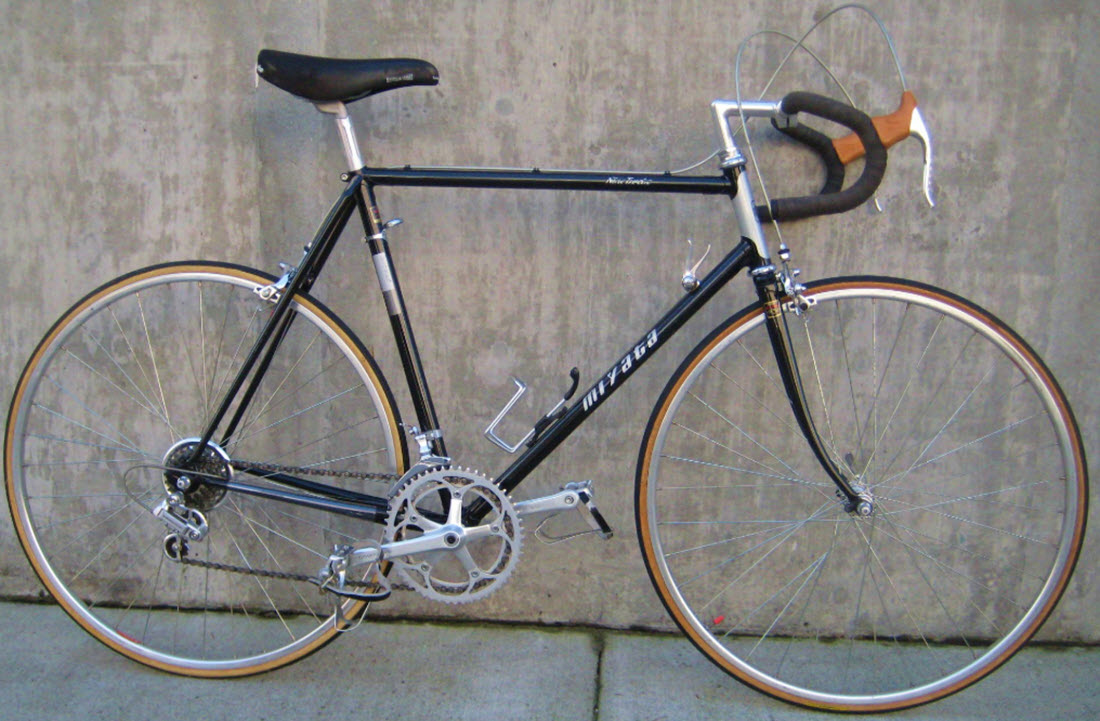
The 1984 Miyata 912 is a double-butted chromoly steel road bike from Miyata’s Semi-Pro line. It runs a full Shimano 600 groupset, Selle Italia Turbo saddle, Araya rims, and friction shifters. Built for reliability over flash, it remains one of the most collected vintage Miyata bicycles among restorers and everyday steel-frame riders.
The 1984 Miyata 912 doesn’t try to impress you. No racing pedigree story, no chrome overload — just a well-engineered touring machine that has outlasted nearly every trend in cycling. This vintage Miyata bicycle earned its reputation the old-fashioned way: by being consistently excellent.
Amazon Affiliate I earn from qualified purchases

Miyata’s Road to Bicycle Manufacturing
Eisuke Miyata started out as a bowyer and rickshaw engineer in 19th-century Japan. His background in precision metalwork eventually steered the family business into firearms manufacturing for the Imperial Japanese Army. The shift to bicycles came through a local bike repair side business — one that caught the imagination of Eisuke’s son, Eitarō.
In 1890, Eitarō built the first Miyata bicycle prototype using repurposed rifle barrels, merging gunsmithing precision with cycling innovation. The company’s reputation grew quickly from there. When Crown Prince Yoshihito commissioned a custom bicycle, Miyata’s standing as a premier Japanese manufacturer was sealed. That heritage of exacting metalwork carried forward into everything the company built — including the 912.

Where the 912 Sat in the Miyata Lineup
The 912 occupied Miyata’s Semi-Pro tier — designed for serious recreational riders who wanted professional-level components without paying for a full racing build. Think of it as the 1984 Honda Accord of Japanese road bikes: no drama, no unnecessary complexity, just everything working exactly as it should.
This vintage Miyata bicycle was built for distance. The geometry favors comfort on longer rides, and every component choice reflects that priority. It was never meant to win criteriums. It was meant to still be running perfectly twenty years later — and most of them are.
Keeping the drivetrain in spec is easy with the right tool. The Park Tool chain checker takes the guesswork out of knowing when to replace your chain before it wears the cassette. Grab the Park Tool CC-3.2 Chain Checker
on Amazon — one of the most useful things in any home mechanic’s kit. *Amazon Affiliate

Frame Construction and Ride Quality
The 912 uses double-butted chromoly steel tubing throughout. Butting — thicker walls at the stress points, thinner in the middle — reduces weight without sacrificing strength where it matters. Miyata’s brazing and lug work on this frame is precise and clean, a direct product of the company’s long metalworking heritage.
The geometry sits between a road racer and a true tourer, giving the 912 versatility most riders appreciate. It’s stiff enough for spirited day rides, compliant enough for all-day saddle time. Steel flex is real, and on a well-built frame like this one, it works in the rider’s favor on rough roads.

Drivetrain and Component Spec
The 912 runs a complete Shimano 600 group set — the same line that evolved into today’s Shimano Ultegra. The Aero shift levers were a forward-thinking design for 1984, integrating cleanly into the bar setup. Friction shifting feels unfamiliar to riders raised on indexed systems, but it offers precise control and is simpler to maintain in the field. No cable-pull calibration, no limit screw second-guessing — you dial it in by feel.
Braking comes from matched Shimano 600 calipers. The wheel build uses Araya rims, a Japanese manufacturer known for producing straight, durable hoops. The Selle Italia Turbo saddle was a top-tier choice at the time and remains a favorite among vintage Miyata bicycle collectors restoring to original spec.
If you’re putting the 912 back on the road, one of the best
period-correct tire choices you can make is the Panaracer Pasela PT. A classic touring tread that suits vintage Japanese steel perfectly. Shop the Panaracer Pasela PT at JensonUSA and get it rolling the right way.

Why Riders Still Seek Out the 912
Collectors gravitate toward the 912 for the same reason riders loved it in 1984: it works. The chromoly frame hasn’t fatigued, the Shimano 600 components are fully serviceable, and replacement parts remain widely available. Unlike some vintage Japanese bikes that command prices based purely on rarity, the 912 earns its value through usability.
Riders returning to steel after years on carbon or aluminum often land on this vintage Miyata bicycle as the answer. The ride — that familiar flex and road compliance — is something stiffer materials can’t replicate. If you’ve never ridden a well-maintained double-butted steel frame, the 912 is a convincing argument.
Bar tape is usually the first thing to go on a restored vintage bike. Lizard Skins DSP 2.5mm is a clean, durable choice that looks right on classic drop bars. Pick up Lizard Skins DSP bar tape at JensonUSA — free shipping on most orders over $50.
Frequently Asked Questions
What groupset does the 1984 Miyata 912 use?
The 912 uses the Shimano 600 groupset, the direct predecessor to today’s Shimano Ultegra. It includes Aero friction shift levers, matched brake calipers, and a complete drivetrain. All major components are still serviceable and parts remain available.
Is the 1984 Miyata 912 suitable for everyday riding?
Yes. The double-butted chromoly frame, reliable Shimano 600 drivetrain, and comfortable road geometry make it a strong choice for commuting and recreational riding. It was built for long-term use, and most examples still ride well today with basic maintenance.
How do I identify a vintage Miyata bicycle by serial number?
Miyata used a date-coded serial number system that encodes the year and month of manufacture. For a full guide, visit our Miyata Serial Numbers page.
James Hickman is a former USA Cycling Expert-level coach who has worked with cyclists at every level, from beginners to competitive racers. He served as a coach for the Leukemia & Lymphoma Society’s Team In Training program, helping riders prepare for and complete century events. A Masters-category racer himself, he competed and earned podium finishes in Southern California events and holds a Platinum finish at El Tour de Tucson, completing the 100+ miles in under five hours.
Sponsored · Competitive Cyclist
Enjoy vintage Japanese bicycles? Visit pacelinebikes.com for cycling training tips and gear guides. And if you love seeing these classic bikes brought back to life, subscribe to Bicycle Restoration Man on YouTube — restoration videos, finished builds, and more.
We are an Amazon affiliate and earn from qualified Amazon purchases with no cost to you. This is for ANY product that you purchase through our links. We are also an affiliate for Competitive Cyclist and JensonUSA. This way we can provide you with competitive pricing and products.