
|
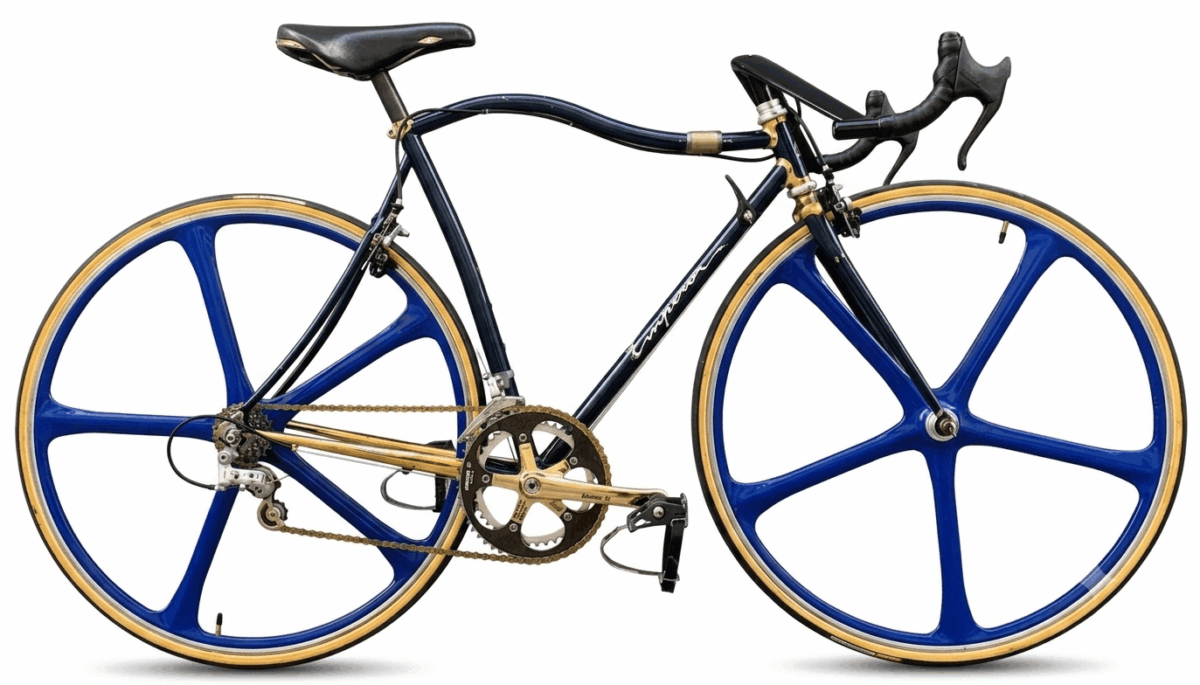
Quick Answer: The Maruishi Emperor is the touring flagship of Maruishi Bicycle, a Japanese manufacturer with roots going back to the 1880s. The Emperor 901-SXR is a rare departure from that touring identity — a road-specific variant built almost entirely around a Sugino SG75 component group, featured once in a 1990 Japanese cycling magazine, and rarely seen since. |
Amazon Affiliate I earn from qualified purchases
Most of what collectors know about Maruishi Bicycle comes from the brand’s touring lineup. The Emperor name has carried that reputation since the 1970s, built around long-haul comfort, rack mounts, and frames that could carry a loaded rider across Japan without complaint. So when a road-specific Emperor shows up wearing a Sugino house build top to bottom, it’s worth a closer look.
That’s exactly what the Maruishi Emperor 901-SXR is. I haven’t been able to track down another example of this bike anywhere online, and the only documentation I could find traces back to a single magazine feature from 1990. For a Maruishi bicycle this specific, that scarcity is part of the story.
If you’re chasing down a Japanese road bike from this era and you’re not sure what you’re looking at, the model name stamped on the down tube or top tube is usually your fastest path to an answer. Serial numbers help narrow a build year, but they won’t tell you whether you’re holding a touring Emperor or something closer to what’s pictured here. When the spec sheet doesn’t match what you’d expect from the nameplate, that’s usually a sign you’ve found something built outside the standard catalog run.
What Is the Maruishi Emperor?
The Emperor line is Maruishi Bicycle’s longest-running touring nameplate, dating to at least the 1970s. Most Emperor models built their reputation on triple-triangle frame geometry — a French “campeur” style where the seat stays cross over the top tube for extra rigidity under loaded panniers — paired with long wheelbases and rinko-friendly quick-release fittings for train travel. It’s a working bike, designed for distance, not speed.
That context matters because it makes the 901-SXR such an outlier. For the full story on the brand, including serial number identification, see our Maruishi Bicycle guide.
The Maruishi Emperor 901-SXR — A Different Kind of Emperor
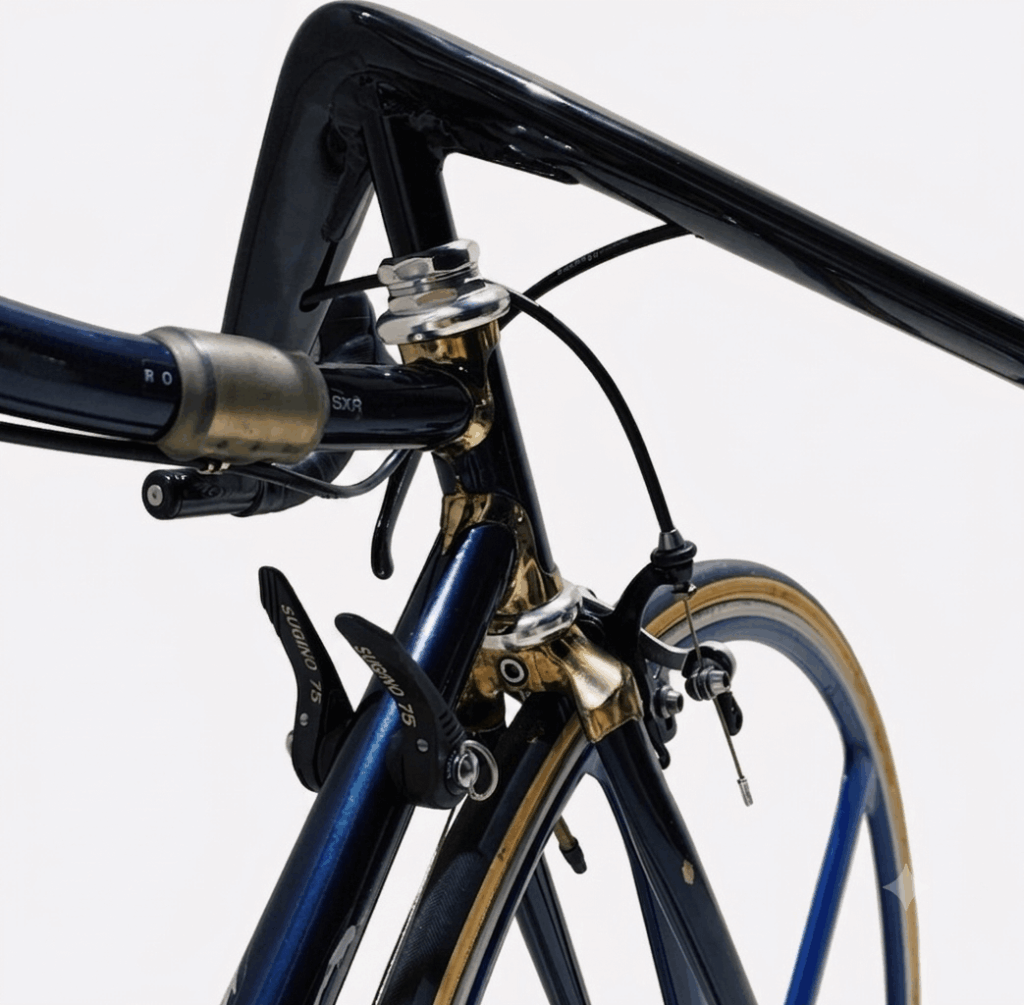
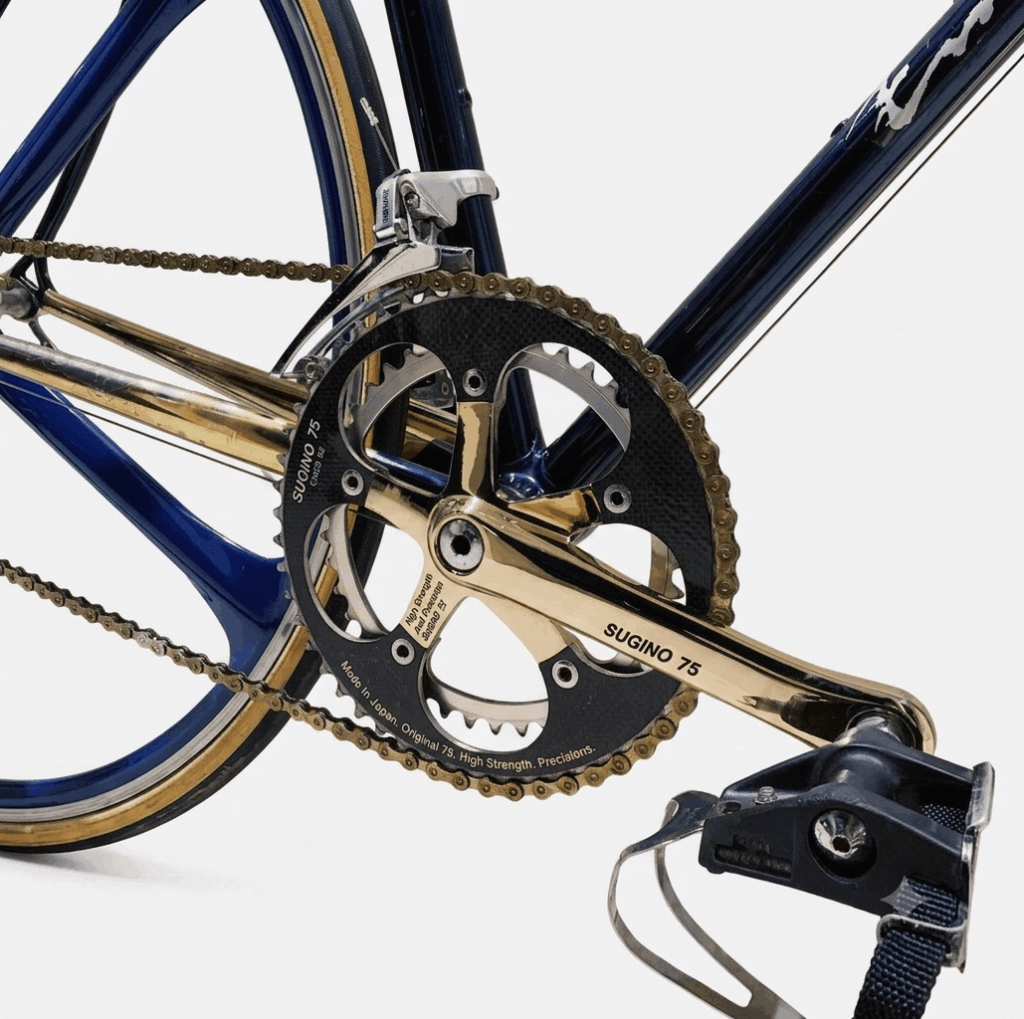
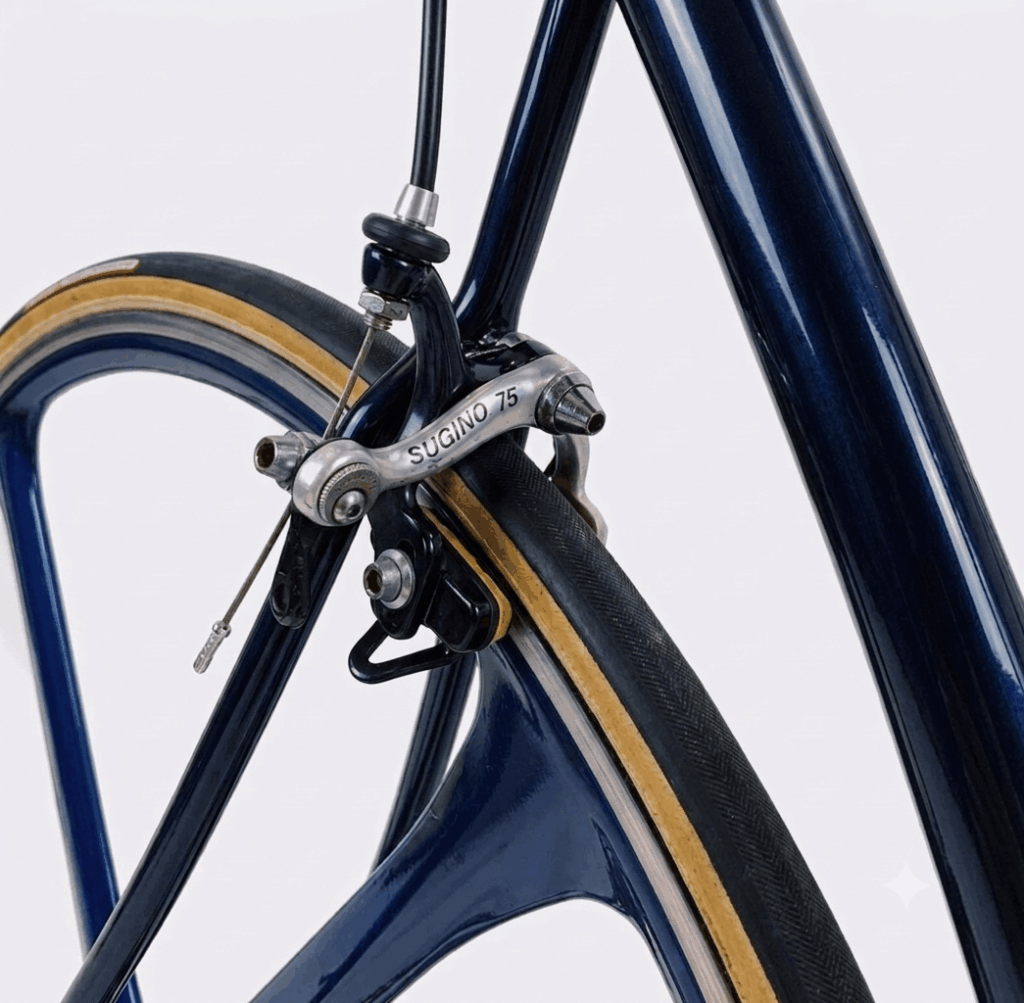
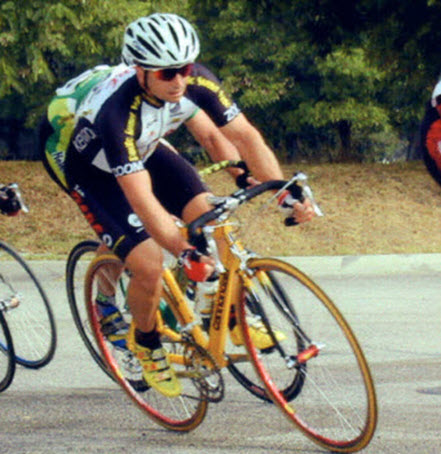
The 901-SXR drops the touring brief entirely. This is a road bike, and a special one. Where most Emperor models from this era mix components from Suntour, Shimano, and Sugino — typical for Japanese builds of the period — the 901-SXR is built almost entirely from a single Sugino SG75 group. That’s an unusual choice for any Maruishi bicycle of this era, let alone one wearing the brand’s touring flagship name.
Frame and Build
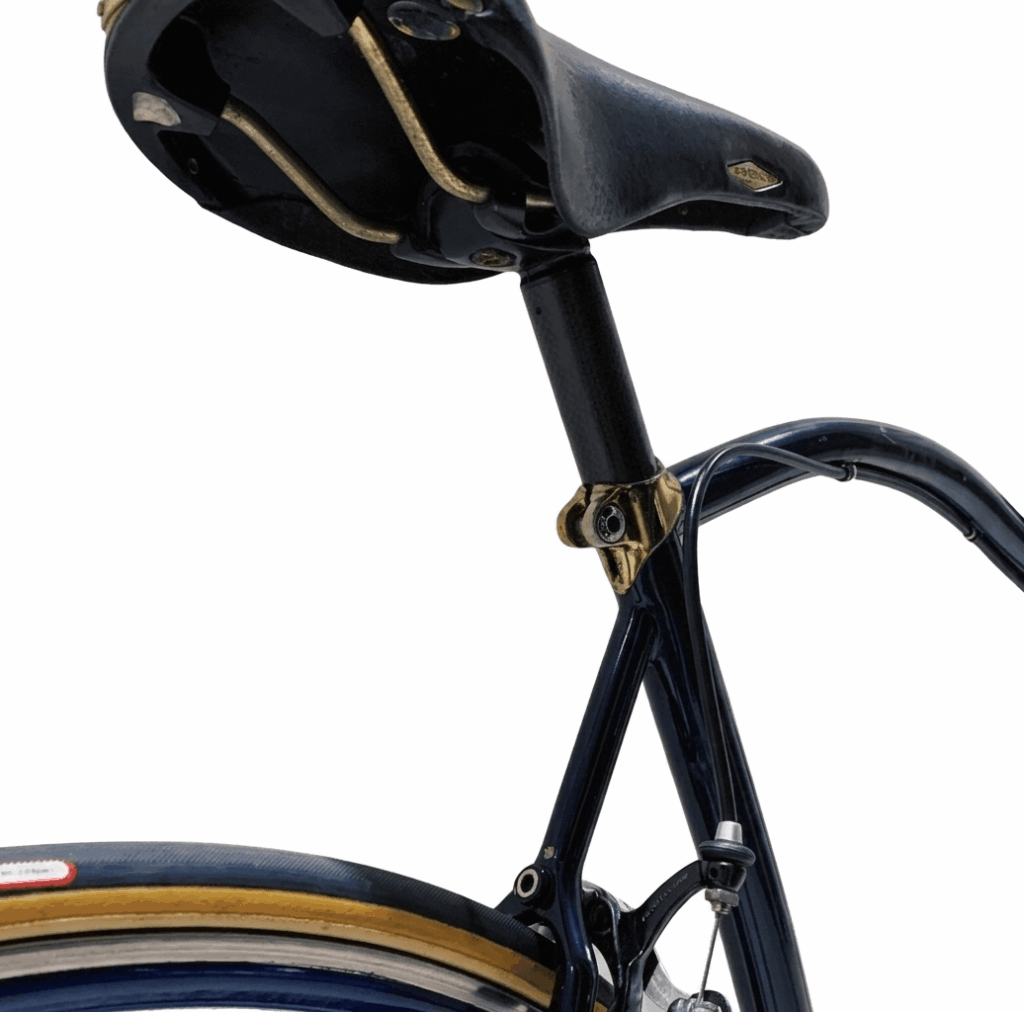
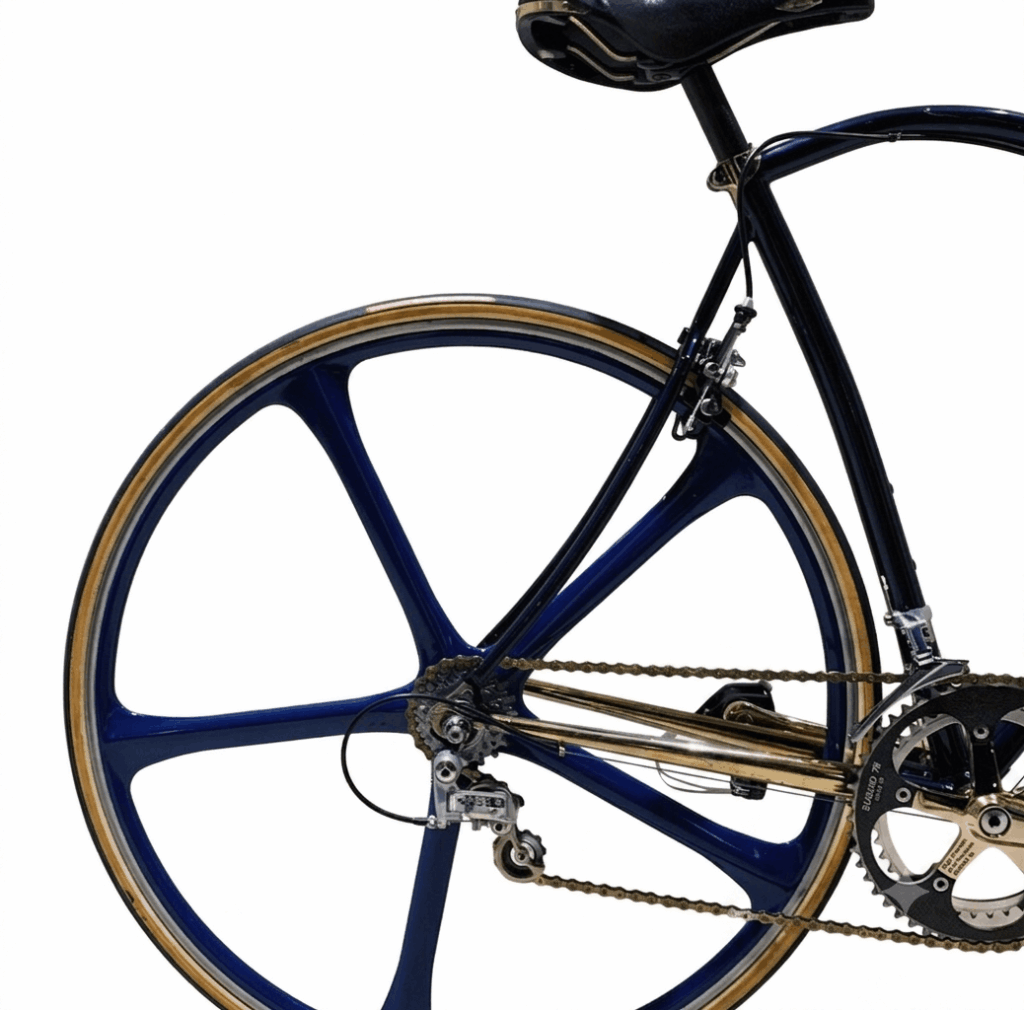
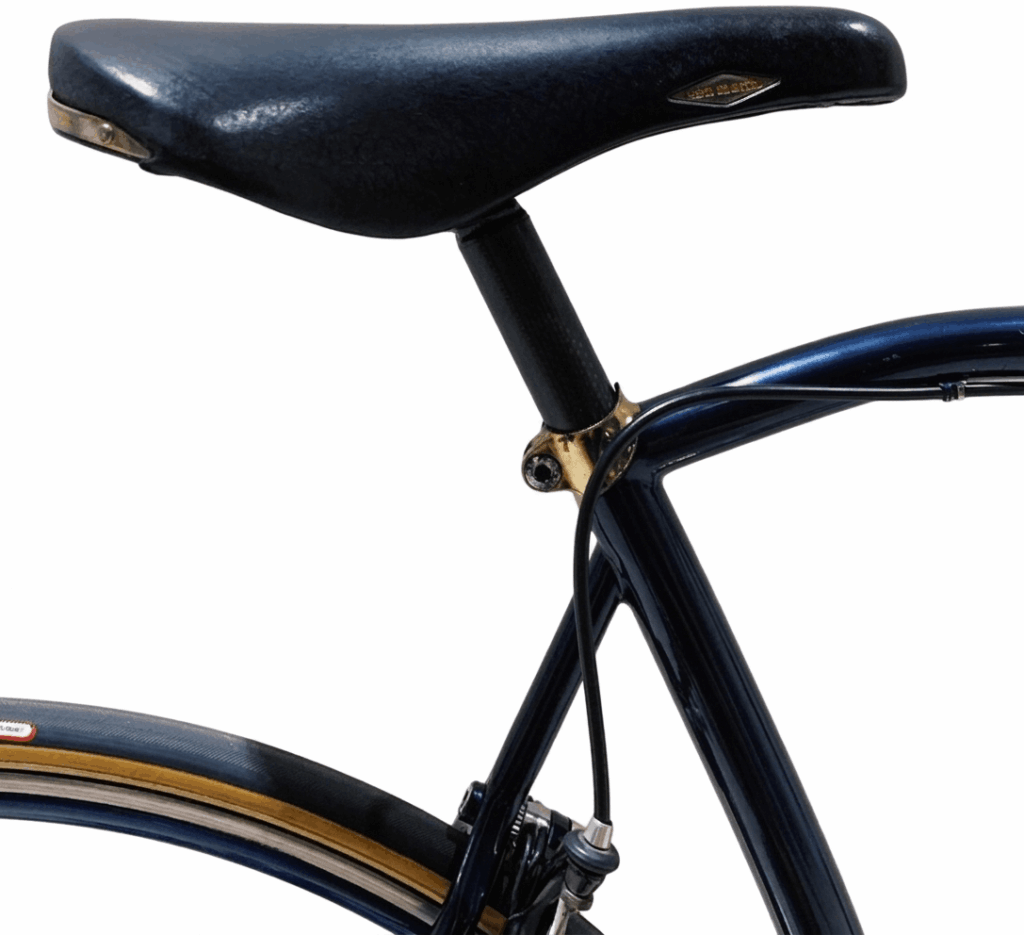
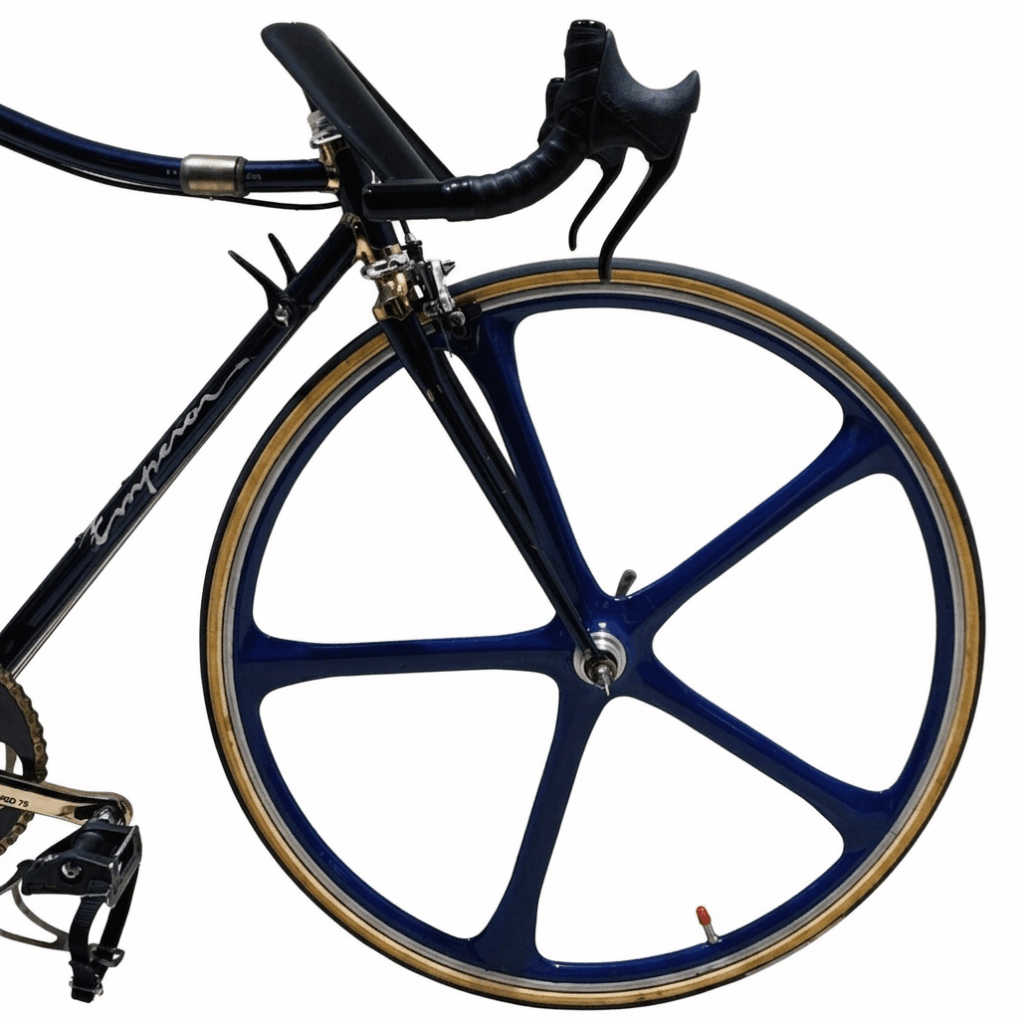
The drivetrain runs Sugino SG75 throughout: crankset, bottom bracket, pedals, chainring, front and rear derailleurs, and shifters all share the same group designation. The brake calipers and levers are Sugino SG75 as well. Up front, a Nitto Tsubasa 3 handlebar and stem handle the cockpit, paired with a Selle San Marco Rolls saddle and a Sugino carbon seatpost — an exotic touch for a Japanese road bike of this vintage. Wheels are first-generation Aerospokes front and rear, which tells you this build leaned into being noticed.
If you’re restoring a road bike from this era yourself, Competitive Cyclist carries a solid range of period-correct components and tools worth checking before you start sourcing parts piecemeal.
How the Emperor 901-SXR Compares to the Touring Emperor Line
Set the 901-SXR next to a standard Emperor touring model, like the triple-triangle RE-C-A “Camper” built for loaded long-distance riding, and the contrast is sharp, as detailed in this restoration writeup of a Maruishi Emperor RE-C-A. The Camper prioritizes stability and cargo capacity, with a long wheelbase and rack mounts built into the frame from the start. The 901-SXR prioritizes speed and a near-monobrand spec sheet that reads more like a special order than a catalog model. Both wear the Emperor name, but they’re built for different riders entirely — which is part of why this bike stood out enough to earn magazine coverage in the first place. It’s a reminder that even within one model line, a Maruishi bicycle could be built for two completely different jobs.
For saddle and cockpit upgrades on your own vintage build, Competitive Cyclist’s saddle and handlebar selection is a good place to compare modern equivalents to period parts.
Maruishi Bicycle History
Maruishi Bicycle traces its roots to the 1880s, when the company claims to have been the first in Japan to import high-wheel bicycles from England. The brand built its reputation on durable, luggage-bearing bikes and became known for its kangaroo logo, still used in company branding today. According to company lore, the kangaroo mark came from an old British gentleman in a swallow-tailed coat, who looked like a kangaroo riding his bicycle through the field — an odd origin story, but one Maruishi has held onto for over a century.
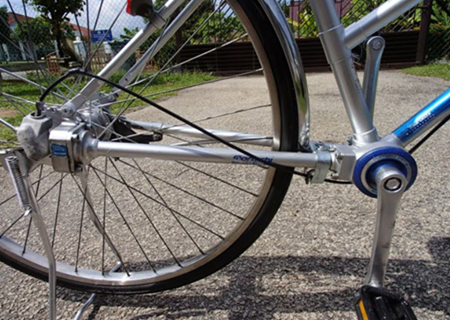
Maruishi Bicycle also produced shaft-drive models alongside its chain-driven lineup — a detail we covered in depth in our piece on Maruishi’s drive-shaft bicycles. The company hit a rough patch in the mid-2000s before resurfacing under new Chinese ownership, but the Emperor name survived the transition and remains part of the lineup today. That continuity is part of why a find like the 901-SXR matters — it’s a snapshot of what a Maruishi bicycle could be when the brand stepped outside its usual touring playbook.
Frequently Asked Questions
What is the Maruishi Emperor?
The Maruishi Emperor is Maruishi Bicycle’s long-running touring flagship line, in production since at least the 1970s, known for triple-triangle frame geometry and loaded-touring durability.
Is the Maruishi Emperor 901-SXR rare?
Yes. The 901-SXR is a road-specific Emperor variant documented in only one known magazine feature, from 1990, and no other surviving examples have been publicly documented online.
What components came on a Maruishi Emperor 901-SXR?
The 901-SXR was built almost entirely around a Sugino SG75 group — crankset, bottom bracket, pedals, derailleurs, and brakes — with a Nitto Tsubasa 3 cockpit and first-generation Aerospoke wheels.
Is Maruishi still in business today?
Maruishi Bicycle continues to manufacture bikes in Japan, though the company has been owned by Tianjin Fushida Bicycle Co. of China since 2006.
Related Reading
James Hickman is a former USA Cycling Expert-level coach who has worked with cyclists at every level, from beginners to competitive racers. He served as a coach for the Leukemia & Lymphoma Society’s Team In Training program, helping riders prepare for and complete century events. A Masters-category racer himself, he competed and earned podium finishes in Southern California events and holds a Platinum finish at El Tour de Tucson, completing the 100+ miles in under five hours.
Sponsored · Competitive Cyclist
We are an Amazon affiliate and earn from qualified Amazon purchases with no cost to you. This is for ANY product that you purchase through our links. We are also an affiliate for Competitive Cyclist and JensonUSA. This way we can provide you with competitive pricing and products.