Categories
Classic Japanese Bicycles Review

“Japanese Steel’ Book Review: The Artistry of Classic Japanese Bicycles”

Competitive Cyclist Sale 50% Off

“‘Japanese Steel”  Classic Bicycle Design From Japan Book Review

@james-1813209607124414

“Japanese Steel: Classic Bicycle Design From Japan”Japanese Steel classic bicycle design from Japan explores the golden age of Japanese bicycle design from the 1950s to the 1980s. This period marked a significant shift in cycling history, with Japanese manufacturers rising to prominence in the bicycle industry. The book delves into the world of vintage bicycles and classic bike frames, showcasing the evolution of bicycle frame geometry and construction techniques.

The book highlights how Japanese bicycle design influenced both competitive and recreational cycling globally. Consequently, it showcases the unique blend of bicycle engineering and aesthetics that made Japanese bicycles highly sought after by cycling enthusiasts and bicycle collectors alike.

Japanese Steel 3rensho
3 Rensho

 Book Overview:

The book primarily focuses on the three decades between the 1950s and 1980s, a time when Japanese bicycle design flourished. As a result, readers get a comprehensive look at the bicycle design evolution of these iconic machines, including advancements in bicycle frame materials and bicycle technology.

RockBros bike frame bag

ROCKBROS Top Tube Bike Bag


Various types of bicycles are featured, including racing bikes, custom bike frames, and other notable designs. Therefore, the book caters to a wide range of interests, from cycling performance to bicycle frame customization.

Japanese Steel Panasonic
PANASONIC

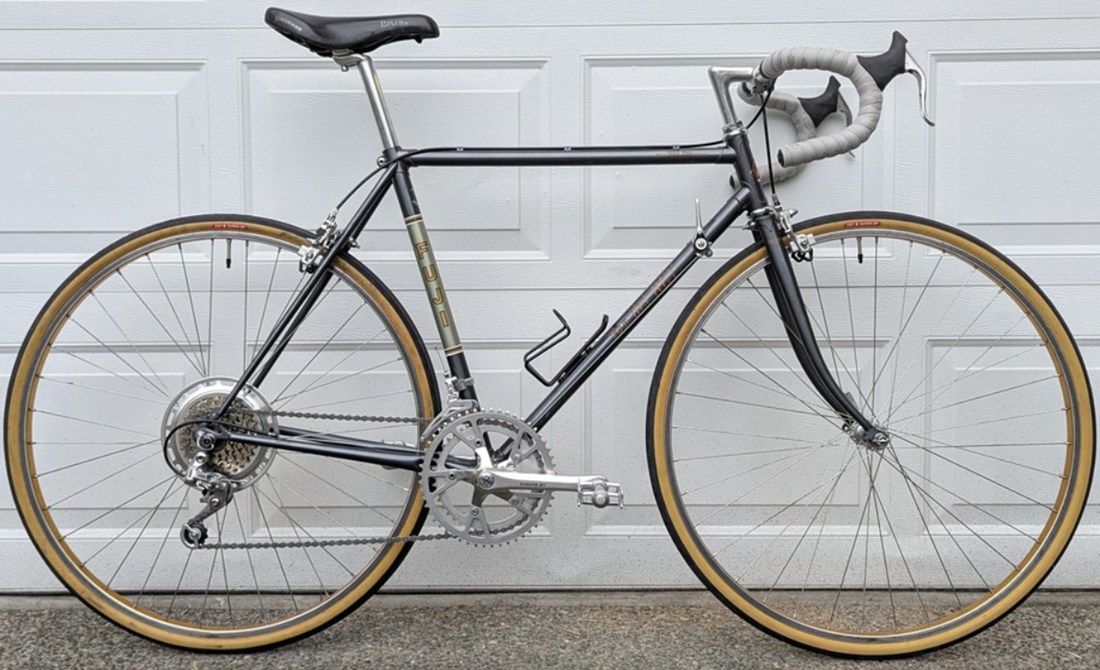
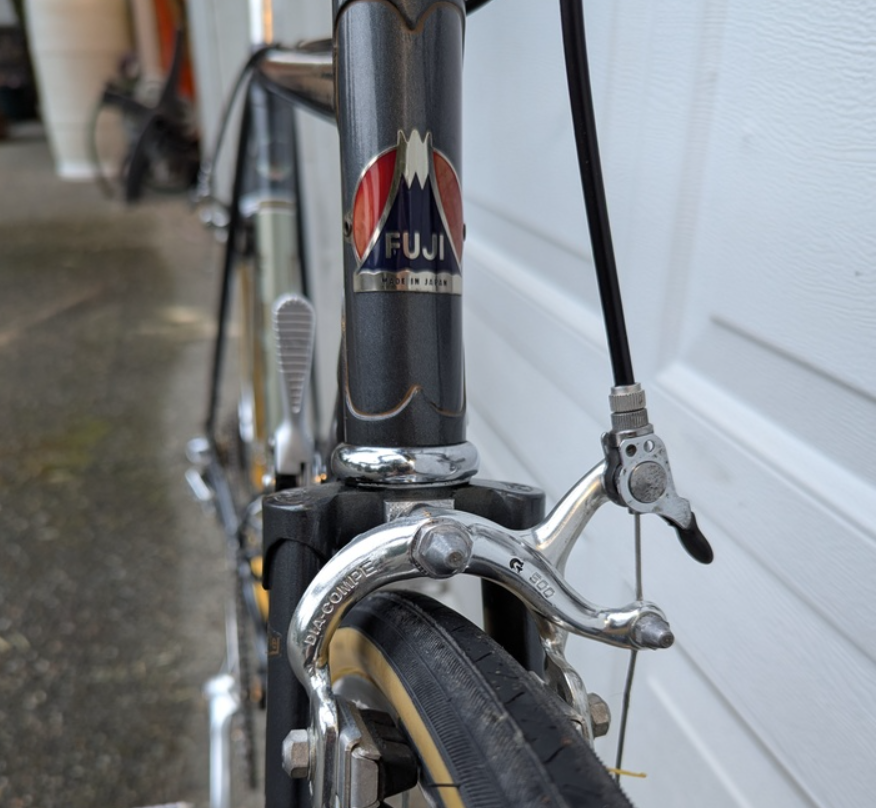
Major bicycle brands like Fuji, Panasonic, and Bridgestone are discussed alongside lesser-known artisanal bike builders such as 3-Rensho and Nagasawa. Thus, the book provides a balanced view of the industry, from large-scale bicycle manufacturing to handcrafted bicycles.

Visual Elements

The photography in “Japanese Steel” is generally of high quality, showcasing the bicycles in detail, including bicycle frame details and bicycle paint schemes. However, some readers might find the low depth of field in certain shots reduces their artistic impact.

Illustrations and technical diagrams complement the photographs, offering additional context to the designs, including bicycle tubing and lugged frames. Nevertheless, some readers may desire more extensive information on bicycle brazing and bicycle welding techniques.

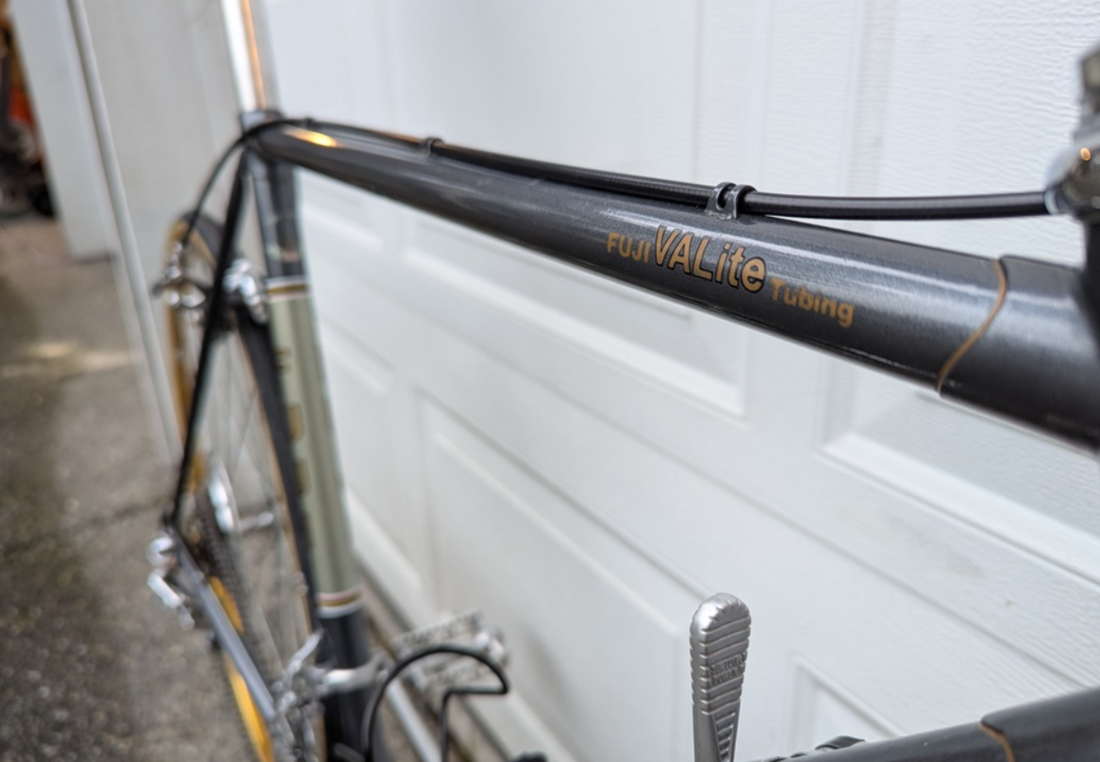
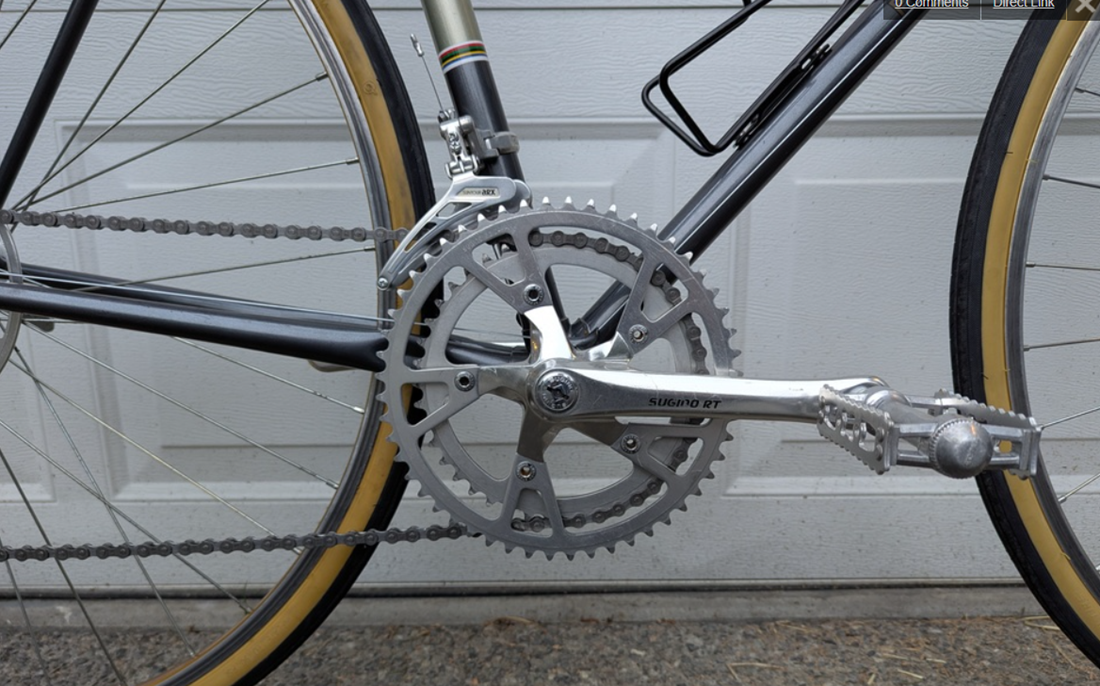
Japanese steel Fuji Opus 3
FUJI

The book presents fully restored bicycles, allowing readers to appreciate the bicycle craftsmanship and bicycle finish quality in its original glory. Consequently, this approach helps readers understand the enduring appeal of these classic designs and the importance of bicycle frame restoration and preservation.

Content Analysis

The historical context provided helps readers understand the factors that contributed to the rise of Japanese bicycle design. As a result, the book offers more than just a visual showcase, delving into the cycling heritage and bicycle frame history.

SEE AND BE SEEN: SAVE 5% TO 20% NOW ON THESE HIGH RATED LIGHTS!

Japanese Steel Centurion frame

Technical details and specifications are included, though some readers might find them insufficient for a thorough bicycle frame analysis. Therefore, those seeking in-depth technical information on bicycle components and frame joints may need to supplement this book with other resources.

The author includes stories and anecdotes about designers and bicycle frame builders, adding a personal touch to the narrative. However, some readers might find these personal anecdotes less engaging than the technical content on bicycle frame engineering and construction.

Unique Aspects of Japanese Bicycle Design

The book emphasizes the artisanal craftsmanship that set Japanese bicycles apart. Consequently, readers gain insight into the meticulous attention to bicycle frame design elements that characterized these designs.

“Japanese Steel” illustrates how Japanese design philosophy influenced the global cycling industry. Therefore, readers can appreciate the far-reaching impact of these innovations on cycling culture and bicycle frame artistry.

Iconic bicycle models are highlighted, explaining their significance in the broader context of bicycle design features. The featured brands have a added timeline just under the heading.  I found this very appealing and interesting. There are short excerpts under each date explaining what happened that particular year.

For example, the first date specifies when the company started, next when they first exported there bikes and what became of the company.

William Bevington, a celebrated expert in the field, noted, “The beauty of these bikes lies in their detail — each piece tells a story of innovation and precision, reflective of Japan’s rich heritage in steel craftsmanship.”

Brand Foundation Year Key Features
Ravanello Bicycles 1977 Tange Steel, Sugino 75 NJS crankset, Nitto NJS handlebars
Nagasawa N/A Premium-grade steel, aesthetic craftsmanship
Bridgestone N/A High performance, durability

Japanese bike steel craftsmanship

Additional Features

The book covers the Keirin racing circuits, providing context for the development of certain bicycle designs used in cycling competitions. Thus, readers gain a more comprehensive understanding of Japanese cycling culture and its impact on bicycle frame sizing and geometry.

Competitive Cyclist Sale

Artifacts and ephemera are included, enriching the historical narrative of bicycle frame legacy. Consequently, these additions help bring the era to life for readers interested in bicycle frame appreciation.

Japanese Steel nishiki
NISHIKI

Technical manuals and supplementary materials offer additional depth to the content on bicycle frame finishes and construction. However, some readers might find the balance between these elements and the main narrative uneven.

Reader Experience

The book appears accessible to different levels of cycling enthusiasts, from casual fans to serious bicycle frame collectors. Therefore, it has the potential to appeal to a broad audience interested in cycling innovation and bicycle frame craftsmanship.

There seems to be a good balance between visual appeal and informative content, though some readers might prefer more technical depth on bicycle frame materials and construction techniques. Nevertheless, the book offers a comprehensive overview of Japanese bicycle design.

DON’T GET STRANDED: MINI BIKE PUMPS FOR AS LITTLE AS $9.99!

Given its unique focus and high-quality production, “Japanese Steel” could serve as both a collector’s item and a reference book for bicycle frame comparison and evaluation. Consequently, it may hold long-term value for cycling enthusiasts and those interested in bicycle frame review.

Philosophy of Unracing Bikes

Critical Reception

Customer reviews generally praise the book’s visual quality and informative content on steel frame bicycles. However, opinions on the depth of technical information vary.

Readers consistently appreciate the book’s photography and printing quality, which deliver clear and detailed images of bicycle frame designs. As a result, the visual aspect of “Japanese Steel” is a significant selling point.

In the early 1970s, Japanese bikes became known for top quality. They changed the game for both serious and fun cycling worldwide. Innovations like Sugino Maxy cranks and SunTour VGT derailleur made them stand out10.

Some readers note that the book could benefit from more in-depth technical information and a different approach to depicting time sequences in bicycle frame evolution. Therefore, potential buyers should consider their specific interests when deciding to purchase.

Period Innovation Impact
Early 1970s Introduction of finely finished products Greater competitive edge in the U.S. market10
Mid-1980s Features like cantilever brakes introduced Enhanced function for touring bikes, mirroring consumer trends10
Late 1980s Shift towards mountain bike production Responded to evolving market demands10


Traditional Japanese Steel Bicycles

Conclusion

Overall, “Japanese Steel” offers a valuable look into classic Japanese bicycle design, balancing visual appeal with historical context of bicycle frame innovation. However, readers seeking highly technical content on bicycle frame engineering might find it somewhat lacking.

Despite some few limitations, “Japanese Steel” makes a noteworthy contribution to bicycle literature by focusing on an important but often overlooked aspect of cycling history and bicycle frame artistry. Therefore, it fills a unique niche in the world of cycling books and bicycle frame appreciation and in our opinion, belongs in every cycling enthusiast’s collection.

FAQ

What makes Japanese steel bicycles so special?

Japanese steel bicycles are known for their high-quality steel and craftsmanship. They remind us of a time when durability and beauty were key. The steel used in these bikes is strong and lasts a long time.

Can you tell me more about the history of Japanese cycling covered in “Japanese Steel”?

“Japanese Steel” explores Japan’s cycling history from the 1950s to the 1980s. This was a golden age for Japanese bike making. The book shows how Japan became famous for its bikes worldwide.

What is ‘Un-racing,’ and how is it connected to Japanese bicycles?

Un-racing is a philosophy by Grant Petersen of Rivendell Bicycle Works. It values comfort and function over speed. Japanese bikes fit this philosophy well, focusing on lasting quality and joy over racing.

What are the key design elements of Japanese bicycles discussed in the book?

“Japanese Steel” talks about lugged steel frames, custom decals, and craftsmanship. These features make the bikes reliable and sought after by collectors.

Are there any detailed narratives or personal stories included in “Japanese Steel”?

Yes, the book is full of stories that make Japanese bike history come alive. These stories add depth and emotion to the bikes’ technical aspects.

Is “Japanese Steel” just for avid cyclists or can non-cyclists enjoy it too?

“Japanese Steel” is great for cyclists and collectors, but it’s also interesting for non-cyclists. It’s about design, craftsmanship, and Japanese culture, making it a compelling read.

What distinguishes ‘traditional Japanese steel’ from other types of steel in bicycles?

Traditional Japanese steel is made with care and passed-down techniques. It’s strong yet flexible, perfect for bike frames. This is different from modern steels that focus on cost and mass production.

Japanese Steel classic bicycle design from Japan


We earn from qualified Amazon purchases with NO cost to you. ANY item that you need or were going to purchased anyway through any of our links, helps support this site. Thank you for your support!

Categories
Japanese Road Bikes

Nishiki Bicycle Spotlight: The Italian-Crafted Cervino

THE NISHIKI CERVINO

Categories
track bicycle

NJS Bike Perfection: The Level Track Racer Unveiled

The Level Track NJS Bike

SPECIAL THANKS TO Jürgen Gertze FOR THE IMAGES AND INFORMATION CONTAINED IN THIS ARTICLE.

This week’s Bicycle of the Week is a true gem for track bike enthusiasts: the Level NJS bike. With top-tier Japanese craftsmanship, this NJS-certified bike shines in the world of keirin racing. As we dive into the details, you’ll see why this Level track bike is so highly regarded. From its sleek design to its race-ready performance, it’s built to dominate at the highest levels. Let’s explore what makes this high-performance track bike a must-have for both collectors and racers!

njs bike frame and fork

To start, the frame and fork of this NJS bike come from the hands of the renowned Shiko Matsuda, a master in building handmade track bikes. His meticulous attention to detail is evident in every aspect of this bike. Moreover, this Level bike has seen action in keirin racing, further boosting its authenticity and prestige.

BE SEEN! IT’S GETTING DARK OUT SOONER: CHECK OUT THESE LIGHTS

NJS STAMP

The NJS certification on the frame and fork guarantees it meets the strict standards for professional velodrome racing. In short, this bike perfectly blends Japanese steel bike tradition with modern performance, making it a standout in the track cycling world.

Sugino 165mm Crankset with 48T Chainring for NJS Bike

Next, the NJS bike features a Sugino 165mm crankset, a trusted name in racing components. Furthermore, the Sugino Messenger Chainring with 48 teeth ensures smooth, powerful pedaling. This combination is ideal for riders looking to maximize speed and efficiency on the track. It’s a setup designed for durability and built to endure the intensity of competitive cycling.

njs bike chain and cog

Shimano Dura Ace Cog and KMC Chain: A Perfect Match for an NJS Bike

In addition, the Shimano Dura Ace 15T cog delivers precise power transfer, making it a top choice for an NJS-approved bike. The KMC K1 wide chain complements the cog by providing smooth and reliable performance. Together, they form a drivetrain that’s both durable and efficient. These components handle the rigorous demands of keirin-specific components, ensuring your fixed gear bike is always track-ready.

WINTER, SPRING, SUMMER OR FALL KEEP ENERGIZED BEST NUTRITION FOR ALL SEASONS!

Miche Pistard Hubs: Italian Precision for Your NJS Bike

Moreover, the Miche Pistard hubs, made in Italy, bring precision and smoothness to this NJS bike. Built for high-speed racing, these NJS-approved hubs are renowned for their durability. Furthermore, their reliability ensures that every ride is as smooth as possible. These hubs are an excellent match for a professional track bike, giving you a competitive edge in velodrome racing.

3ttt MOD Competizione Handlebars: Control for Your NJS Bike

Additionally, the 3ttt MOD Competizione handlebars offer precise control and comfort, making them a perfect fit for an aerodynamic track bike. Designed for competitive racing, these handlebars provide a solid grip and improved handling on the track. Their lightweight bike frame enhances performance without sacrificing strength. These handlebars round out the racing geometry, allowing for superior control during high-speed racing.

viscount njs bike saddle

Viscount Aero Saddle: Comfort for Your NJS Bike

The Viscount Aero saddle, made in Japan, delivers comfort specifically for the intense demands of Japanese keirin races. Known for its sleek design and support, this saddle ensures a comfortable yet responsive ride during high-speed sprints.

NJS BIKE FRAMESET

Its lightweight design enhances the bike’s overall performance without adding unnecessary bulk. This Japanese-made saddle strikes the perfect balance between comfort and speed, making it a great choice for the track.

Additional Components of the NJS Bike

Let’s also break down the rest of the premium components on this handcrafted bicycle:

  • Headset: Tange Seiki Levin NJS – Made in Japan, this headset provides smooth and reliable steering. Its NJS certification ensures top-level performance.
  • Rims: Mavic Open Elite – Crafted in France, these rims are lightweight and durable, offering excellent stability on the track.
  • Stem: BLB -58° – Designed in the UK, this stem adds an aggressive angle for improved aerodynamic control.
  • Seat Post Clamp: Nitto Stem – Made in Japan, this clamp provides a secure fit for the saddle, ensuring stability during races with keirin-approved frames.NJS BIKE PEDALS
  • Pedals: MKS Pedals with MKS NJS Toe Clips – Manufactured in Japan, these pedals feature non-NJS MKS pedals but include NJS-approved toe clips for optimal grip.
  • Tyres: Michelin Dynamic Sport 25 – Produced in France, these tires offer exceptional traction and high-speed performance, perfect for Japanese keirin racing.

Each component reflects the bike’s precision engineering and rich Japanese racing heritage, making this Level NJS bike a true masterpiece for both riders and collectors.

If you enjoyed learning about this week’s featured bicycle, don’t miss out on some cycling information you can use and enjoy! Visit our website at pacelinebikes.com Plus, check out our YouTube channel, Bicycle Restoration Man, for detailed restoration videos and showcases of our finished projects. Subscribe and join our community of bike enthusiasts!

 

We earn from qualified Amazon purchases with NO cost to you. ANY item that you need or were going to purchased anyway through any of our links, helps support this site. Thank you for your support!

Categories
Japanese Road Bikes

Level Cycle’s City Liner C1: Sleek, Smooth, and Stylish

Level Cycles’s City Liner C1

Level City Liner C1

Level Cycle’s City Liner C1, this week’s ‘Bicycle of the Week,’ is the perfect blend of modern function and timeless style. It was Designed with expert Japanese bicycle craftsmanship. This stylish city bicycle not only offers a smooth ride and comfortable ride but also boasts a sleek bicycle design that turns heads.

Performance and Comfort with the Level City Liner C1

The City Liner C1 consistently delivers both performanceJapanese Steel classic bicycle design from Japan and comfort with every pedal stroke. Its sporty performance makes it an ideal fitness gear bike and a top choice for bike commuting in urban environments.

Level City Liner comfortable ride

The Beginnings of Level Cycle in 1951

Level Cycle’s story begins in 1951, when Toyoo Matsuda founded “Matsuda Shokai” in Nippori-cho, Arakawa-ku. Originally established as a bicycle parts wholesaler, the company quickly made a name for itself in the industry.

GETTING TO BE THAT TIME OF THE YEAR! CHECK BIKE LIGHTS HERE

Level City Liner gauge

Mazda Bicycle Factory: Expanding into New Opportunities

By 1959, the business had grown, leading to a name change—Mazda Bicycle Factory Co., Ltd. Through these early years, the company worked diligently to supply high-quality parts to the Japanese bicycle market. Soon, they began exploring new opportunities, setting the stage for an exciting future in custom-built bicycles.

Level custom made frames

Level’s Shift to Custom-Made Bicycles in 1975

In 1975, Toyoo’s son, Yoshiyuki Matsuda, took the company in a new direction by starting custom-made bicycles. This shift marked a major milestone for Level. They began focusing on creating unique, tailored rides for their customers.

Level City Liner craftsmanship

Level Cycle’s Innovation in Racing Frames and CAD Technology

Not long after, in 1980, the company expanded its expertise into racing frames. This earned them a coveted registration from the Japan Bicycle Promotion Association (NJS). As time passed, Level continued to innovate, becoming the first in the bicycle industry to implement CAD systems for bicycle frame construction.

FALL IS HERE WINTER AROUND THE CORNER! DRESS APPROPRIATELY! GREAT BUYS ARE HERE NOW!

Arakawa Meistera Award
Matsuda Shigeyuki

Level’s Awards and Recognition for Craftsmanship

Throughout the 1990s and beyond, Level gained widespread recognition for its craftsmanship, winning numerous awards at prestigious handmade bicycle exhibitions. Their commitment to quality earned them the “Arakawa Meister” award in 2000, and in 2003, Matsuda Shigeyuki received the “Tokyo Meister” Award for Best Engineer.

City Liner C1 stem

The Sleek and Versatile Design of the Level City Liner C-1

The Level City Liner C-1 is a sleek and versatile city bike, designed with a combination of smooth curves and sharp lines. This gives the bike a sporty, lightweight frame that provides a comfortable yet dynamic ride.

Level’s High-Quality Frame and Vintage-Inspired Design

The Level Cycle frame is made from high-quality chrome molybdenum steel, offering excellent durability. Available in three frame size options—S, M, and L—it ensures a great fit for different body types while maintaining modern functionality with a vintage-inspired design.

Level Cycles practicality

Practicality and Style with the Level City Liner C1

Additionally, the City Liner is not just about riding performance; it’s also about practicality. The frame includes a standard attachment for Rixen & Kaul bags, making it ideal for urban commuting and weekend adventures.

C1 Shimano 3 speed hub

Level City Liner C1: A High-Performance Commuter Bike

With a lightweight frame, internal 3-speed Shimano Inter 3 transmission, and available in metallic blue or gunmetallic, the City Liner C-1 is a true all-around performer. It’s the ultimate commuter bike for those who value both form and function in their cycling gear.

If you enjoyed learning about this week’s featured bicycle, don’t miss out on some cycling information you can use and enjoy! Visit our website at pacelinebikes.com Plus, check out our YouTube channel, Bicycle Restoration Man, for detailed restoration videos and showcases of our finished projects. Subscribe and join our community of bike enthusiasts!

CLICK HERE
CLICK HERE

We earn from qualified Amazon purchases with NO cost to you. ANY item that you need or were going to purchased anyway through any of our links, helps support this site. Thank you for your support!