
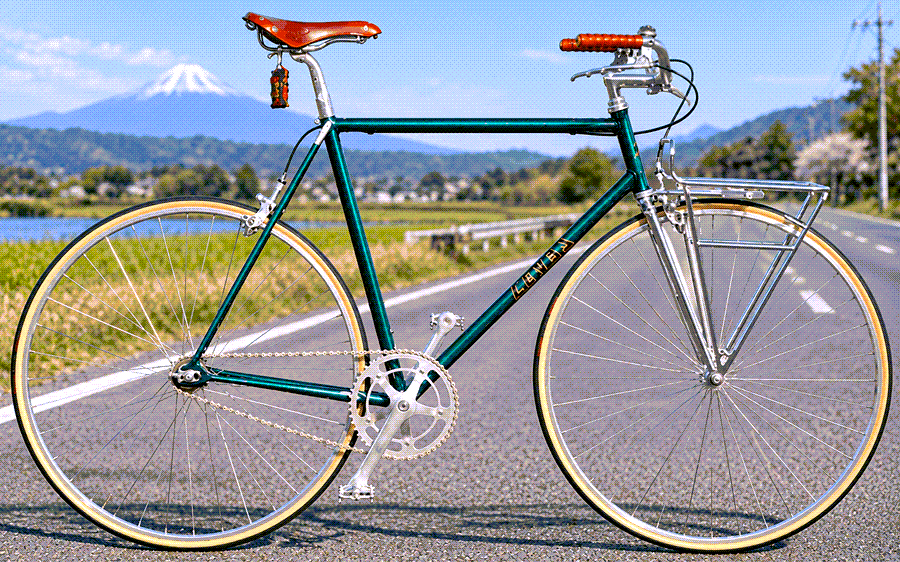
| Quick Answer: A mamachari (literally “mom’s bike”) is Japan’s everyday city bicycle: step-through frame, upright position, basket, fenders and often a child seat. The Level Mamachari is a one-off Tokyo custom built by photographer Will Goodan, who took that humble formula and dressed it in candy metallic paint over rainbow flake, hand-polished vintage Campagnolo parts and a custom Pass & Stow rack. |
By James Hickman, former USA Cycling Expert-level coach and Masters-category racer
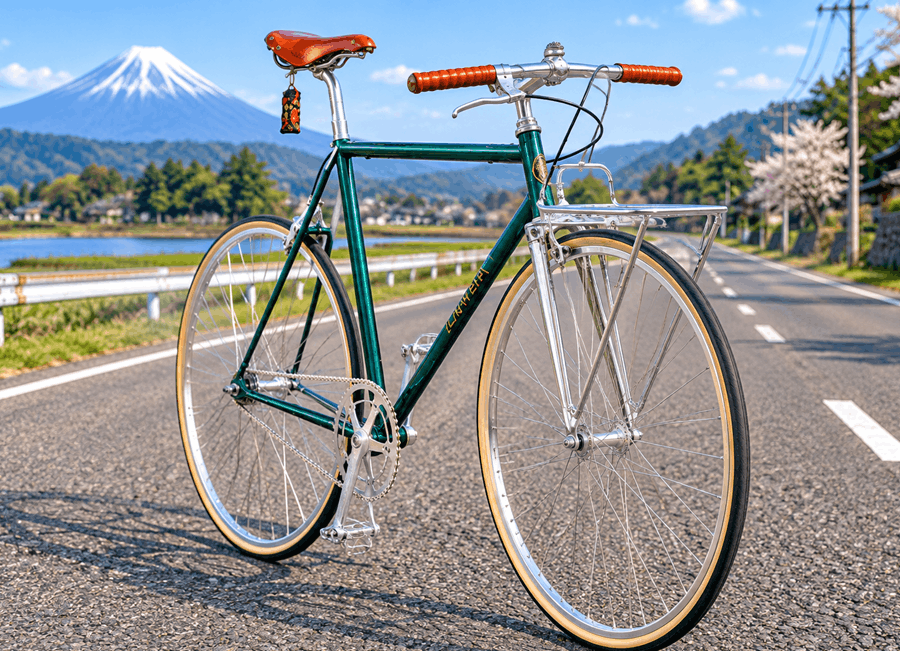
Photos by Will Goodan, originally featured on The Spoken
This week’s Japanese Bicycle of the Week is a little different from our usual keirin frames and lugged road bikes. It is a mamachari, the plain, dependable city bike that fills every station bicycle lot in Japan. But this one was built with the same care a collector would give a Nagasawa or a 3Rensho, and the result is one of the most memorable commuters we have featured.
What Is a Mamachari?
The word combines “mama” with “chari,” short for charinko, a slang term for bicycle. According to Nippon.com, a typical mamachari has an L- or U-shaped top tube, 24- to 26-inch wheels and a basket, and can carry child seats for up to two children. Families use them for grocery runs, trips to the train station and daycare drop-offs.
The design keeps evolving. Yamaha introduced the world’s first electric-assist bicycle in 1993, and Panasonic and Maruishi later teamed up on an electric mamachari in 1998. Big names like Bridgestone built their early bicycle business on these step-through city bikes long before their sport models reached American shops. What they share is a focus on function and durability over speed.
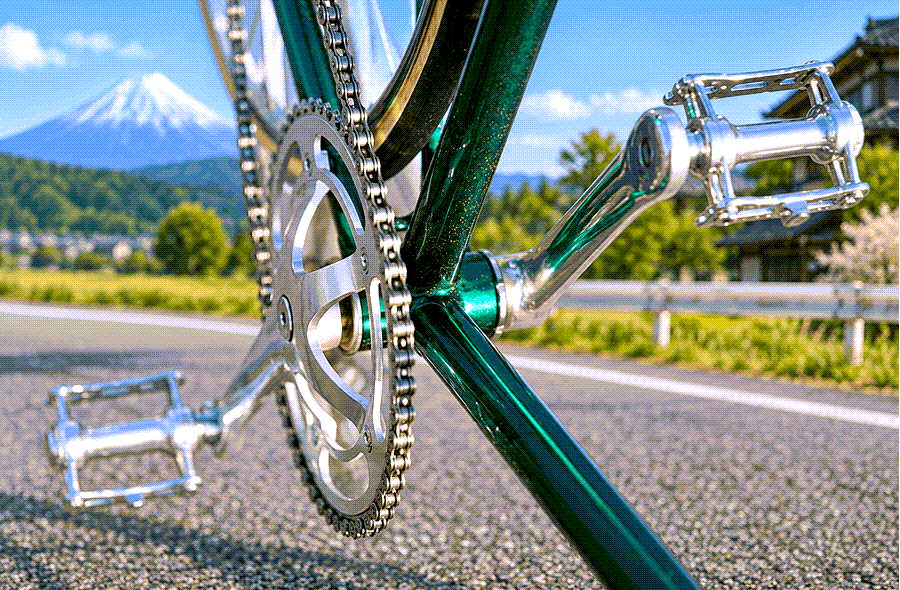
Photo by Will Goodan
Who Built the Level Mamachari?
The bike belongs to Will Goodan, a Los Angeles native and Tokyo-based creative director whose photography has appeared on some of The Spoken’s most admired features. Goodan has a deep appreciation for keirin frames and has owned a Nagasawa Special, so it is no surprise his commuter got the same attention to detail. (For more on that builder, see our Nagasawa Special NJS feature.)
The frame wears the Level name. Level is listed among Tokyo’s small frame builders and is generally dated to 1980, part of the same workshop tradition that produced NJS track frames for keirin racing.
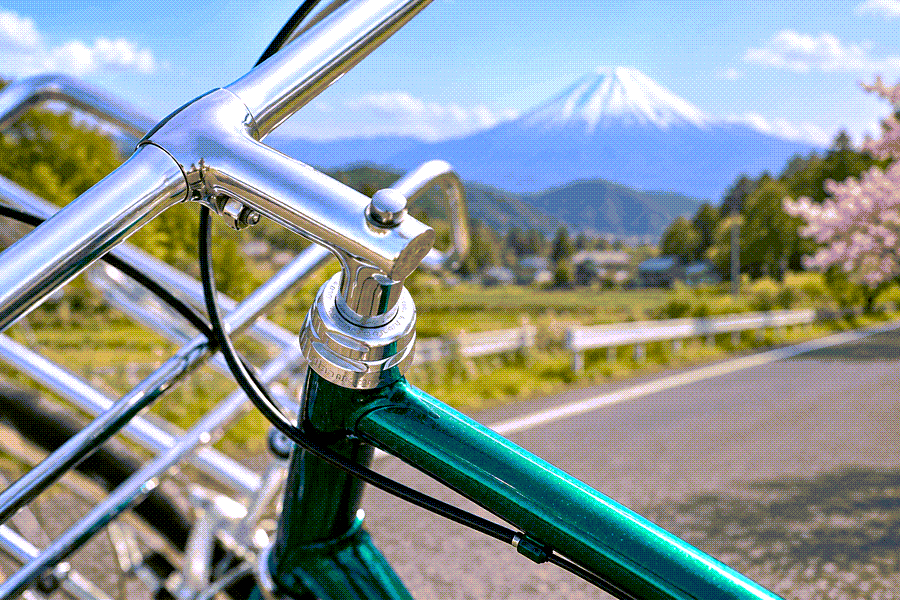
Goodan had spent six years riding brakeless fixed-gear bikes around the city. He wanted something he could use for everyday errands and groceries, in regular clothes and ordinary shoes, without toe clips getting in the way. He also refused to settle for a cheap beater he did not enjoy riding. His goal, in his own words, was to build “the Cadillac of mamacharis.”
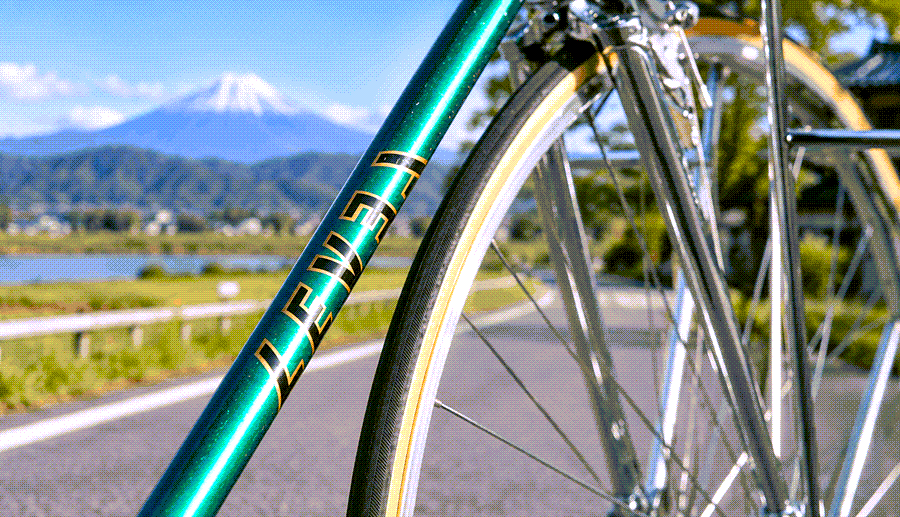
Photo by Will Goodan
A Custom Pass & Stow Rack for Track Dropouts
A mamachari has to carry things, and the rack was the starting point of the whole build. Goodan wanted one that matched a hand-polished, classy vintage look, which ruled out the stamped steel baskets found on most city bikes. He turned to Pass & Stow in San Francisco, which made a front rack designed to fit the track-style dropouts on his fork. It gives the bike real carrying capacity without looking bolted on as an afterthought. If you are adding carrying capacity to your own bike, see these premium bike racks.
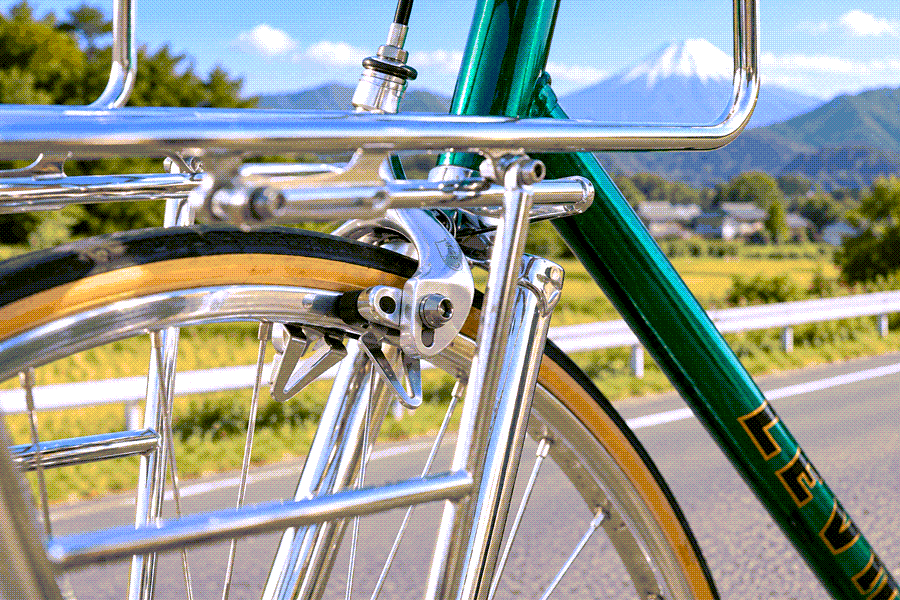
Photo by Will Goodan
Candy Metallic Paint Over Rainbow Flake
The finish is the first thing anyone notices. A dense rainbow flake sits under a candy metallic topcoat, so the color shifts as the light changes. In shade it reads as a deep, rich tone. In direct sun the flake lights up across the tubes. Goodan has said the paint really has to be seen in sunlight, and the photos back him up. Keeping that kind of finish and all the bright metal looking its best takes regular care, and a high-polish maintenance kit helps.
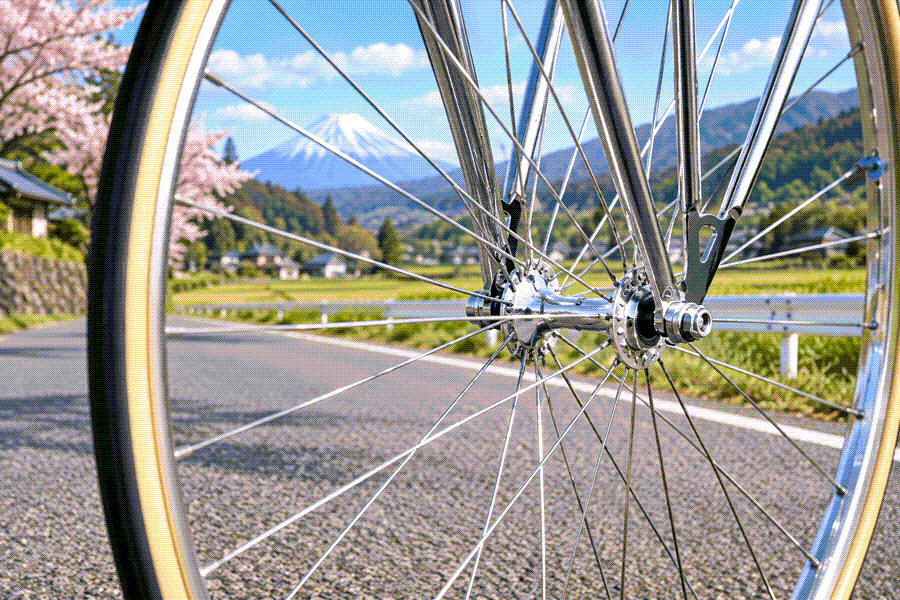
Photo by Will Goodan
Vintage Campagnolo on a City Bike
Most mamacharis leave the factory with the cheapest parts that will do the job. Goodan went the other way and fitted vintage Campagnolo components, partly because he had never ridden them before and partly because their polished silver fit the look he wanted. It is an unusual pairing: Italian racing heritage on a Japanese grocery-getter. Yet it works, because the hand-polished parts match the frame’s bright, flashy personality.
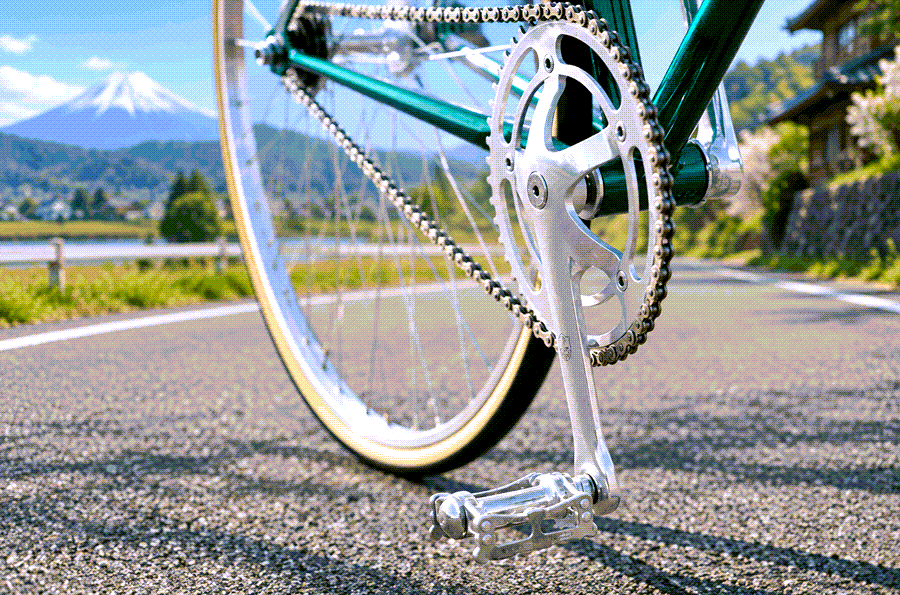
Photo by Will Goodan
The Omamori: A Charm for Traffic Safety
Tied to the saddle is an omamori, a small protective charm sold at Shinto shrines and Buddhist temples. Each one is dedicated to a specific kind of protection, and this one is for traffic safety, a sensible choice for a bike that rides Tokyo streets every day. It is a quiet cultural detail on an otherwise loud build. You can find weatherproof omamori charms for your own bike.
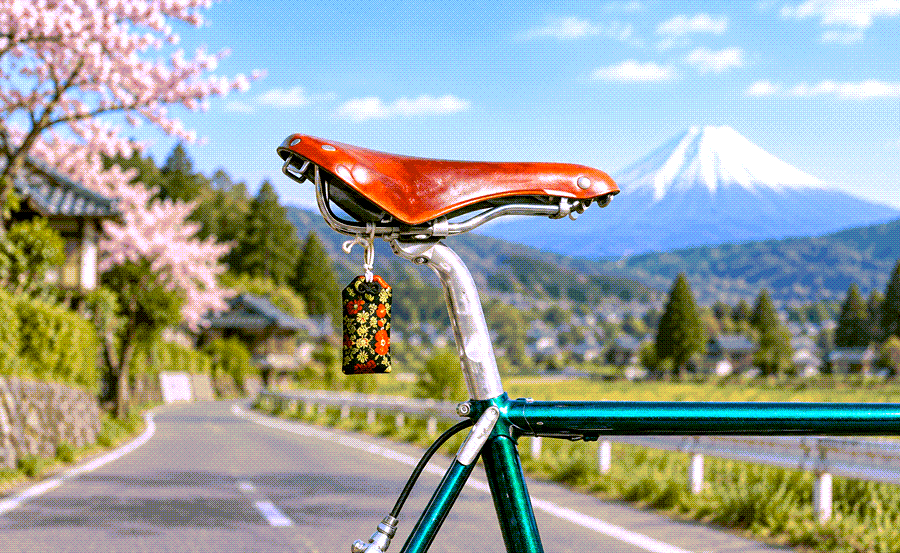
Photo by Will Goodan
Why the Level Mamachari Matters to Collectors
Collectors usually chase racing pedigree, but this bike makes a different case. It shows that the craftsmanship behind Japan’s best frames can be applied to the most ordinary bicycle in the country, and that a practical urban bike can still be something you are proud to ride. It also reflects a trend among Tokyo riders who came up through fixed-gear culture and later wanted bikes that suit everyday life without giving up style.
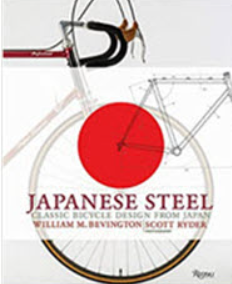
If you want to go deeper into the builders behind bikes like this, Japanese Steel is a good place to start.
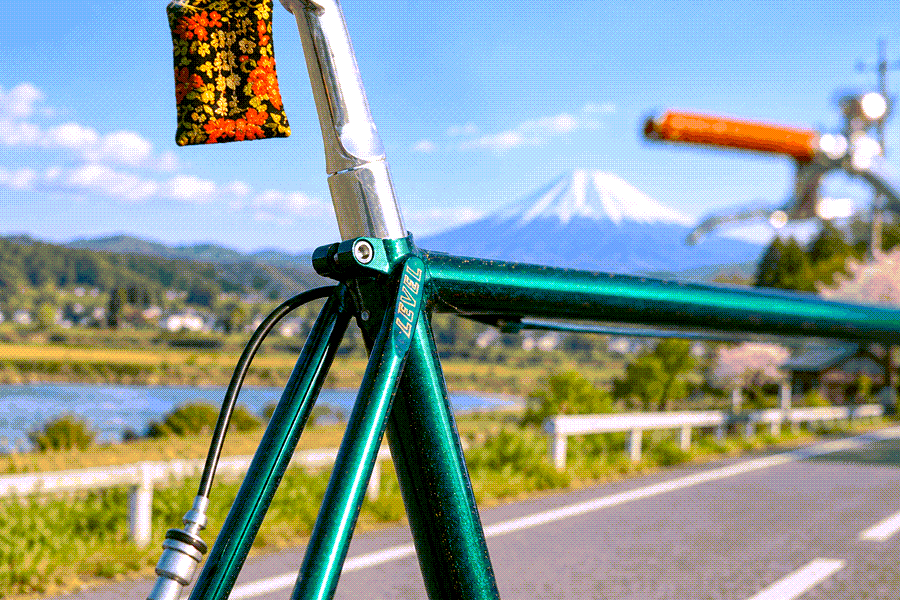
Photo by Will Goodan
Frequently Asked Questions About the Mamachari
What does mamachari mean?
Mamachari is Japanese slang for “mom’s bike.” It combines “mama” with “chari,” from charinko, a casual word for bicycle. It refers to Japan’s everyday step-through city bike.
What makes a bike a mamachari?
A mamachari usually has a step-through L- or U-shaped frame, 24- to 26-inch wheels, an upright riding position, fenders, a chain guard and a front basket. Many also carry one or two child seats.
Who built the Level Mamachari?
The bike was put together by Will Goodan, a Tokyo-based creative director and photographer originally from Los Angeles. The frame carries the Level name, a small Tokyo frame builder.
What components are on the Level Mamachari?
It uses hand-polished vintage Campagnolo components, a custom front rack made by Pass & Stow to fit track dropouts, and candy metallic paint over a dense rainbow flake base.
What is the charm on the mamachari’s seat?
It is an omamori, a Japanese protective charm from a shrine or temple. This one is for traffic safety, a common choice for daily riders and drivers in Japan.
James Hickman is a former USA Cycling Expert-level coach who has worked with cyclists at every level, from beginners to competitive racers. He served as a coach for the Leukemia & Lymphoma Society’s Team In Training program, helping riders prepare for and complete century events. A Masters-category racer himself, he competed and earned podium finishes in Southern California events and holds a Platinum finish at El Tour de Tucson, completing the 100+ miles in under five hours.
Sponsored · Competitive Cyclist
We are an Amazon affiliate and earn from qualified Amazon purchases with no cost to you. This is for ANY product that you purchase through our links. We are also an affiliate for Competitive Cyclist and JensonUSA. This way we can provide you with competitive pricing and products.