
NJS Nagasawa Special Track Bicycle: Technical Analysis and Design Overview

Frame Construction and Materials
The NJS Nagasawa Special represents the pinnacle of Japanese track bicycle engineering. Master builder Yoshiaki Nagasawa handcrafts each frame. Furthermore, every frame uses premium Tange #1 or #2 steel tubing. This creates a lugged steel frame specifically engineered for maximum stiffness. Additionally, the frame delivers exceptional power transfer capabilities.
The frame features regulation Keirin specifications. Moreover, it showcases a distinctive tight rear triangle geometry. The steep angles optimize aerodynamics and responsiveness for professional velodrome racing. Therefore, this fixed gear bicycle excels in competitive environments.
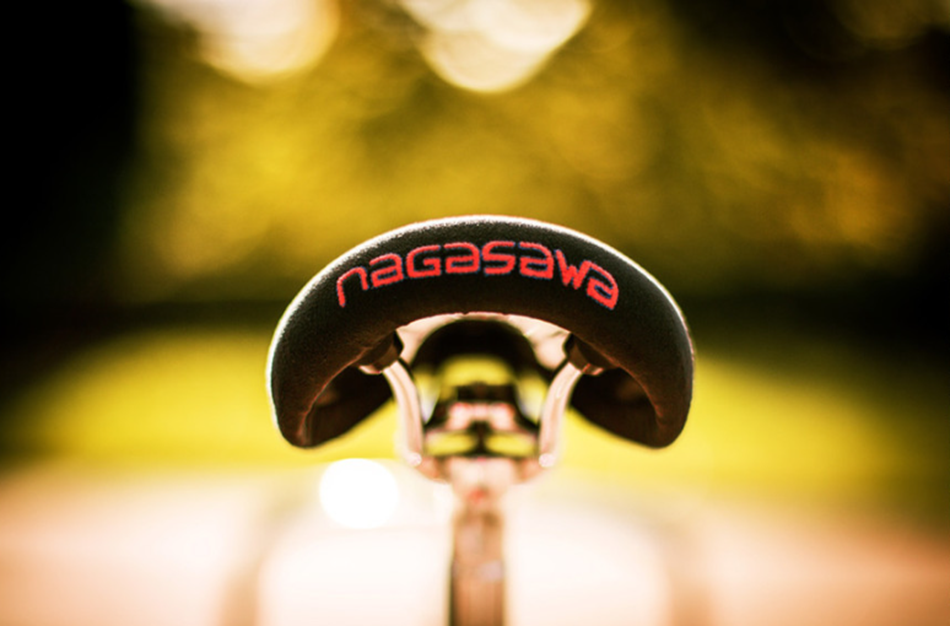
The construction showcases exceptional craftsmanship. Indeed, it features clean, sharp joints and precise brazing techniques. These techniques reflect Nagasawa’s training under legendary Italian frame builder Ugo De Rosa. Furthermore, frame sizes typically range from 51-56cm. They include proportional top tube measurements that accommodate various rider dimensions. However, they maintain the aggressive track geometry essential for competitive racing.
Tange Steel Tubing Heritage
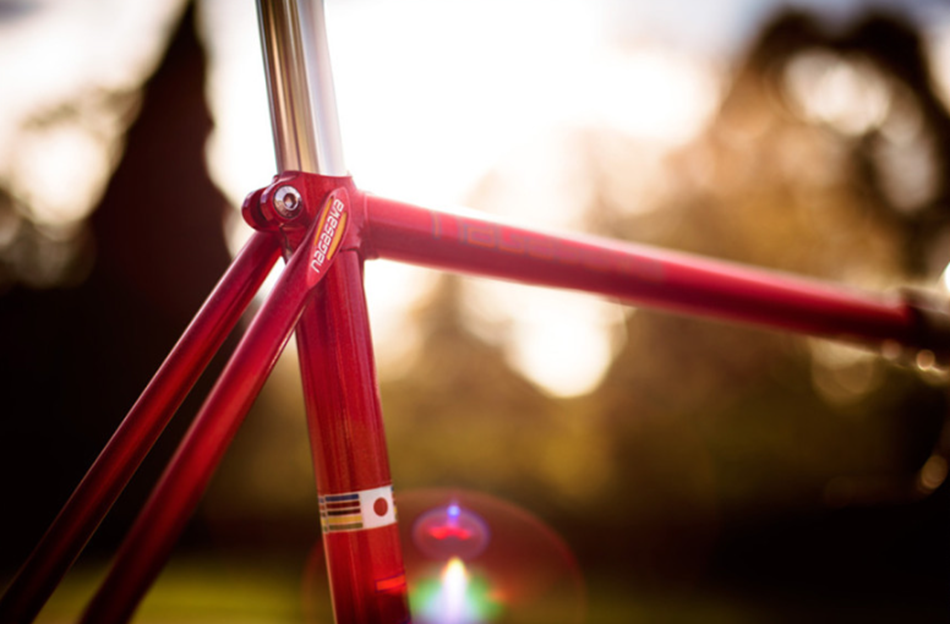
The foundation of this exceptional track bicycle lies in its premium Tange steel tubing. This represents a testament to Japanese manufacturing excellence that began in the 1920s. Moreover, Tange Industries established itself as a leader in tubing production. They achieved this through proprietary heat-treatment processes that increased strength. Additionally, these processes maintained the legendary ride feel that steel is known for.
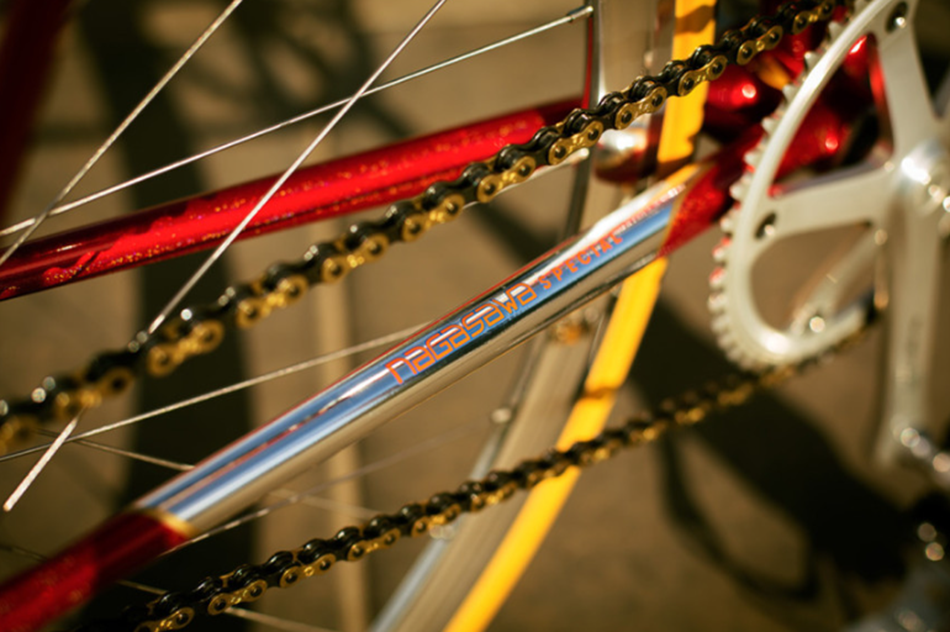
The double-butted tubing design reduces weight while maintaining strength where needed most. Specifically, it features thicker walls at the ends where stress is highest. Furthermore, it has thinner sections in the middle to save weight. This custom frame design demonstrates Japanese cycling heritage through its steel track frame construction.
NJS Certification and Component Standards

The bicycle carries the prestigious NJS (Nihon Jitensha Shinkokai) certification. This represents the gold standard for Japanese track racing equipment. Moreover, this certification ensures that every component meets strict quality standards. These standards are mandated by Japan’s Professional Keirin Association. The JKA regulations implemented this system in 1957.
The NJS stamp signifies adherence to rigorous criteria. These encompass dimensions, materials, and construction methods. Therefore, it guarantees the bicycle’s suitability for professional competition. Indeed, only the finest components receive NJS approval for professional keirin racing.
Key NJS-certified components include precision-engineered Hatta Swan Super Deluxe headsets. Additionally, they feature Sugino 75 cranksets with varying crank arm lengths. These typically measure 165-167.5mm. Furthermore, the bicycle includes Dura-Ace track hubs built to exacting specifications.
The drivetrain features carefully selected gear ratios optimized for track racing. Specifically, chainrings range from 47-49 teeth. They pair with 17-18 tooth rear cogs for optimal power delivery. This configuration ensures maximum efficiency during racing competition.
Professional Racing Provenance
The NJS certification system represents more than quality control. It embodies the rich heritage of professional keirin racing culture. Moreover, only bikes and parts that have received NJS certification are permitted in Keirin velodromes. This makes these components highly sought after by cycling enthusiasts worldwide.
The certification process involves meticulous testing of materials, dimensions, and performance characteristics. Therefore, it ensures compatibility with the demanding requirements of professional track racing. Indeed, this system maintains the highest standards of racing bicycle construction.
Drivetrain and Power Transfer Systems
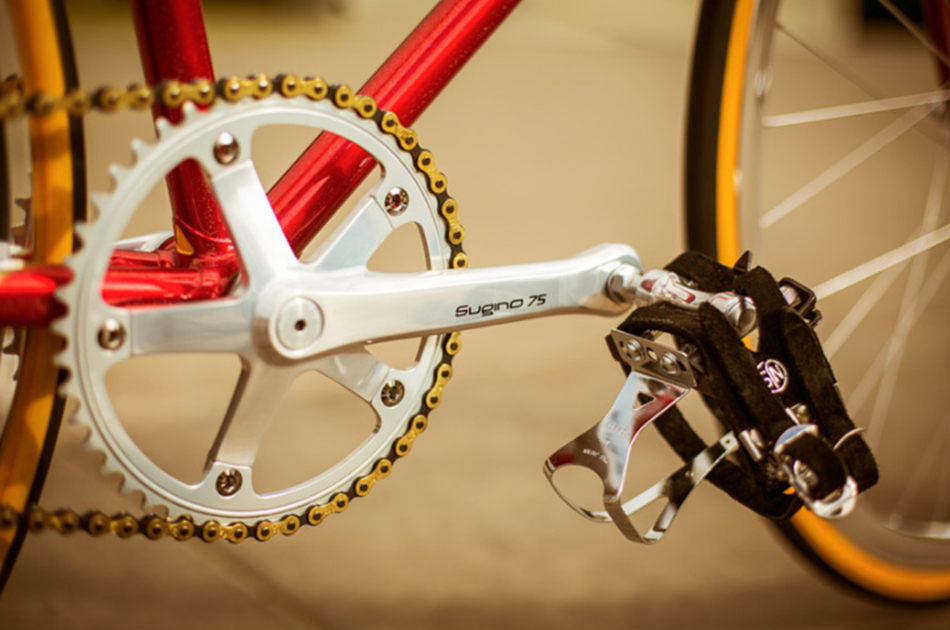
The drivetrain represents a masterclass in efficiency and reliability. It centers around premium NJS-certified components designed for maximum power transfer. The Sugino 75 NJS crankset serves as the foundation. Furthermore, it is available in various crank arm lengths to accommodate different rider preferences and racing styles.
These cranksets pair with precision-manufactured chainrings. Typically, they feature 47-49 teeth. Moreover, they are engineered for optimal chain engagement and power transmission. This ensures efficient energy transfer from rider to wheel.
The bottom bracket assembly utilizes either Hatta RS400 or Sugino 75 NJS square taper systems. These provide the rigid platform necessary for efficient power transfer during explosive sprint efforts. Additionally, the drivetrain is completed with premium Izumi chains. These are known for their exceptional strength and durability under high-torque conditions.
This combination creates a direct, responsive connection between rider input and forward motion. Therefore, it is essential for competitive track racing performance. Indeed, Olympic sprinters can generate close to 3,000 watts of power with this setup.
Competition-Grade Chain line Geometry

The racing pedigree extends to the fixed gear racing chainline measurement of 42.5mm. This is achieved through JKA certification mandated spacing. Moreover, this precise chainline ensures optimal power transfer. It also reduces drivetrain stress during high-intensity racing efforts.
The NJS-approved parts configuration maintains the rigorous competition standards. These are required by professional keirin racing. Furthermore, every component must contribute to the bicycle’s performance capabilities. This attention to detail ensures maximum racing efficiency.
Professional Track Bicycle Specifications
The track racing history influences every component choice. Specifically, NJS-approved parts include steel lugs joining components to create a cohesive system. The period-correct components maintain Japanese keirin racing specifications. These range from exact dimensional requirements to performance characteristics established through keirin school training protocols.
This attention to detail ensures that every aspect of the drivetrain contributes to the bicycle’s overall performance. Therefore, it excels in competitive racing environments. Indeed, this comprehensive approach creates a superior racing bicycle.
Wheelset Engineering and Track Performance
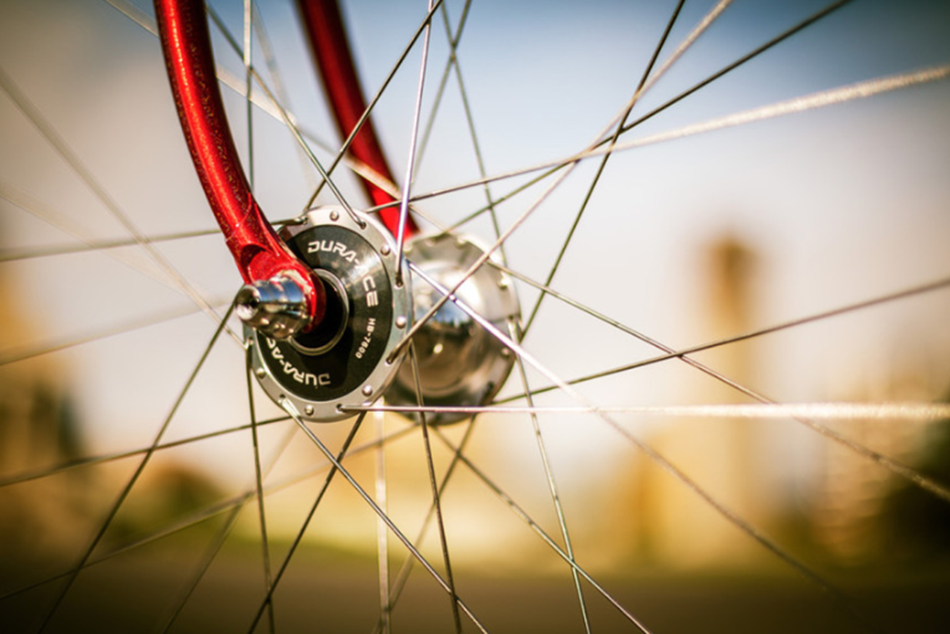
The wheelset construction exemplifies precision engineering. It builds around NJS-certified Dura-Ace 7710 track hubs. These feature asymmetrical hole patterns with 32-hole front and 36-hole rear configurations. Moreover, this optimizes strength distribution for racing demands.
These hubs are expertly laced to high-quality aluminum rims. Specifically, they use Mavic Open Pro or H+Son TB-14 rims. This creates a balanced system that prioritizes both lightweight performance and structural integrity. Furthermore, the combination ensures optimal racing characteristics.
The wheel build incorporates premium DT Swiss stainless steel spokes. These are renowned for their consistent tension and long-term reliability. Additionally, this wheelset configuration provides the lateral stiffness required for powerful sprint efforts. However, it maintains enough vertical compliance for optimal traction through banked velodrome turns.
The combination of precise hub engineering, quality rim construction, and expert wheel building creates a platform capable of handling intense accelerations. Therefore, it excels at the high speeds characteristic of professional track racing.
Velodrome-Specific Design Elements
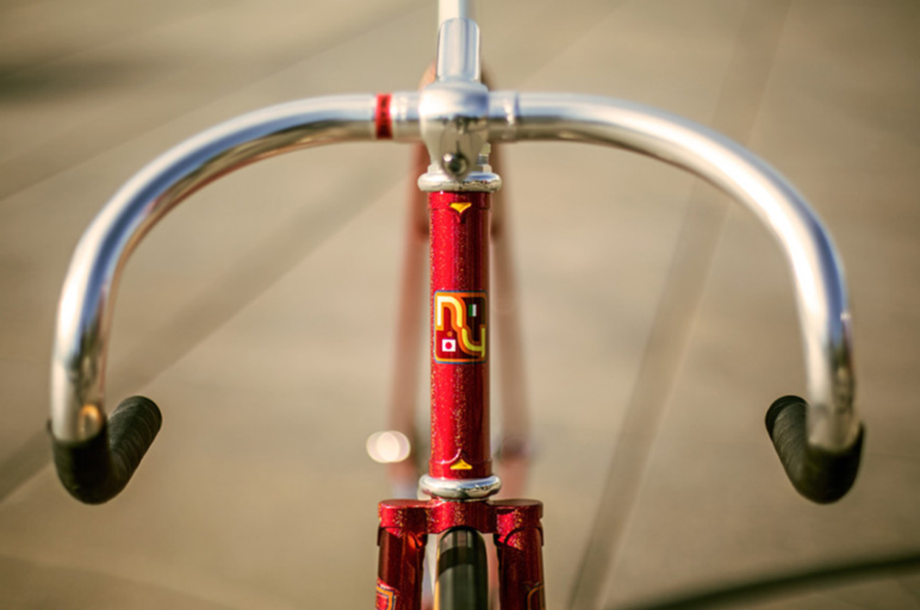
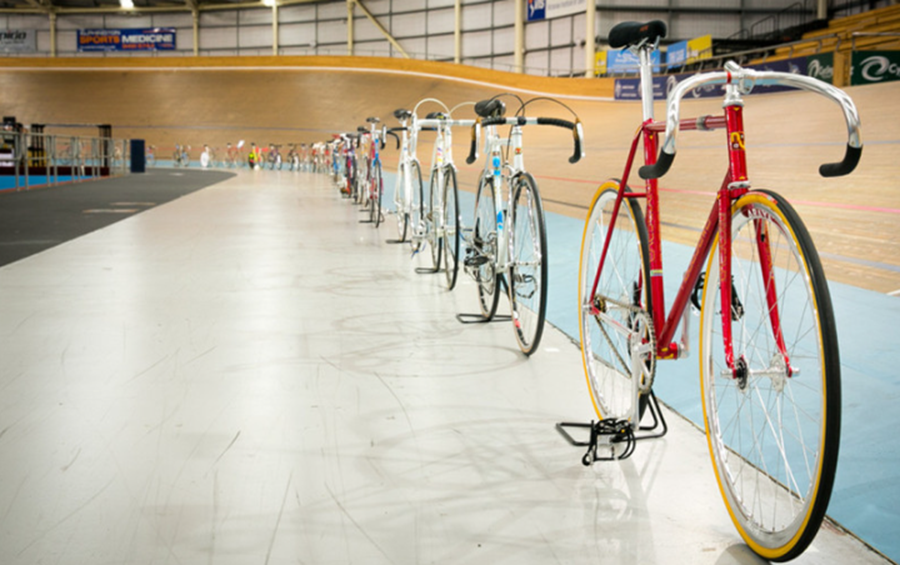
The wheelset design takes into account the unique demands of velodrome racing. Riders navigate steeply banked corners at high speeds. Moreover, the higher bottom bracket clearance typical of track bikes gives riders more clearance when pedaling through these banked turns. The wheel configuration provides the necessary stability and responsiveness.
The traditional spoke lacing pattern meets strict velodrome racing requirements. Furthermore, it highlights Japanese framebuilders’ expertise in fixed gear wheel dynamics. This ensures optimal performance on the track surface.
Racing Performance Characteristics

The NJS-verified track hubs feature competition-grade bearing assemblies. These maintain smooth operation under the demanding conditions of professional racing. Moreover, each component of the wheelset carries NJS stamp verification. This ensures that the entire system meets the exacting standards required for professional competition.
The wheelset’s ability to transfer power efficiently while maintaining stability during high-speed cornering makes it an integral part of the bicycle’s overall performance package. Therefore, it contributes significantly to racing success. Indeed, this precision engineering creates a superior racing platform.
The Nagasawa Special’s comprehensive engineering approach creates a track bicycle that embodies the finest traditions of Japanese cycling craftsmanship. Furthermore, it delivers the performance characteristics demanded by professional keirin racing. This combination of premium Tange steel construction and meticulously selected NJS-certified components results in an exceptional racing bicycle.