
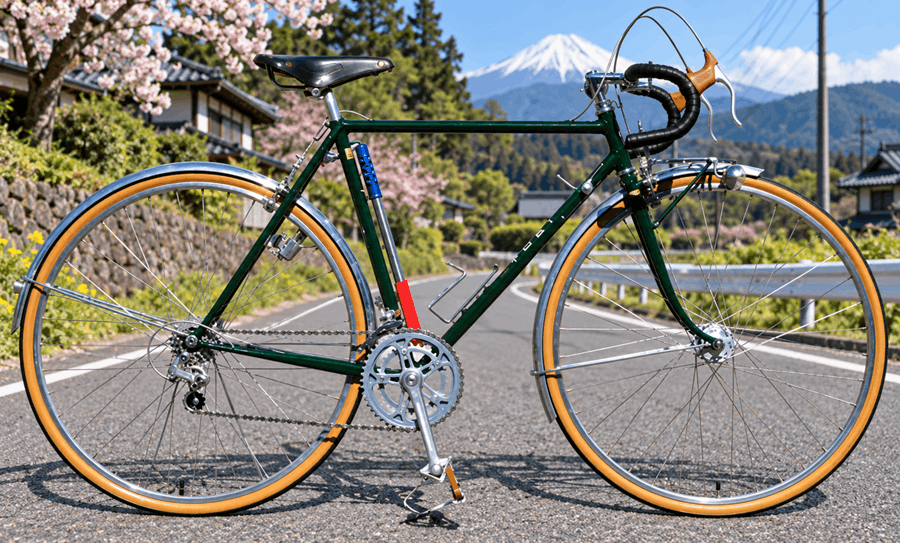
| Quick Answer: TOEI’s 50th Anniversary models are a pair of handbuilt lugged steel bicycles — a touring type at 155,100 yen and a road model at 172,700 yen — marking five decades since Umeji Utsubo founded the workshop in Tokyo’s Ueno district in 1955. Both are built to order in TOEI’s signature sporty touring tradition, with hand-filed lugwork and geometry specified per rider rather than pulled from a size chart. They represent one of the last continuously operating Japanese builders still working entirely by hand. |
By James Hickman, former USA Cycling Expert-level coach and Masters-category racer
Amazon Affiliate I earn from qualified purchases
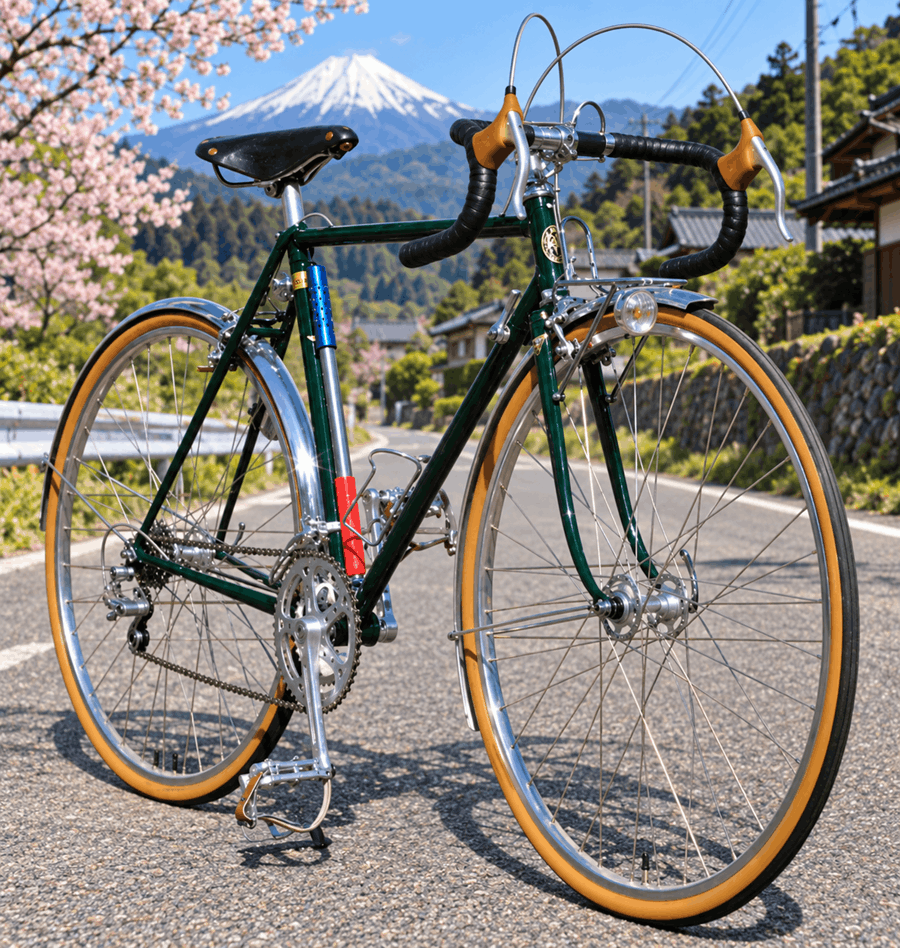
SPECIAL THANKS TO TOEI FOR THE INFORMATION AND IMAGES CONTAINED IN THIS ARTICLE
This week’s Japanese Bicycle of the Week is TOEI’s 50th Anniversary model. There are actually two of them — a touring bike and a road bike — and they exist because a small Tokyo workshop that started in 1955 was still building frames by hand five decades later. That continuity is the story here, more than any single spec on the build sheet.
Who Built It: Umeji Utsubo and the Founding of TOEI
TOEI began in 1955. Umeji Utsubo, then managing the Maruto Bike Factory, wanted to build European-style sport bicycles in Japan — a specific and slightly unusual ambition at a time when most Japanese production was aimed at utility and commuting.
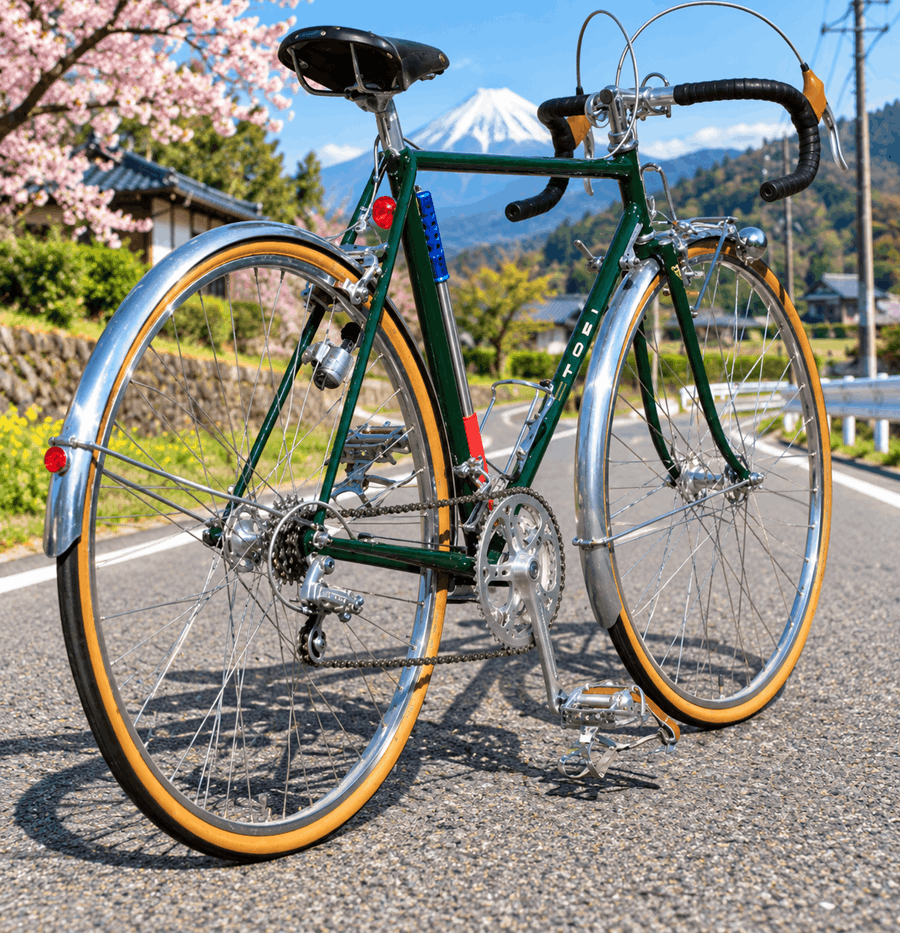
The first shop opened in Ueno, near Showa-dori Street, in a district then crowded with motorbike dealers. TOEI’s focus on sport bicycles set it apart from its neighbors immediately, and the specialization is what got the shop noticed by the trade.
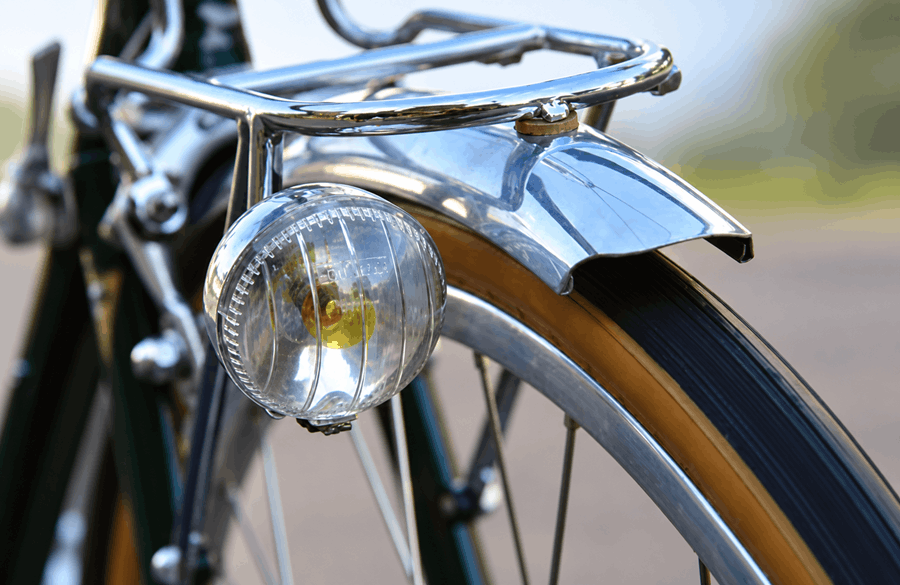
What Utsubo was after was a combination: European design language — randonneur and sportif proportions, French-influenced fittings — executed with Japanese finishing standards. That formula has not changed in seventy years, and it explains why TOEI frames still look the way they do.
From Ueno to Kawaguchi
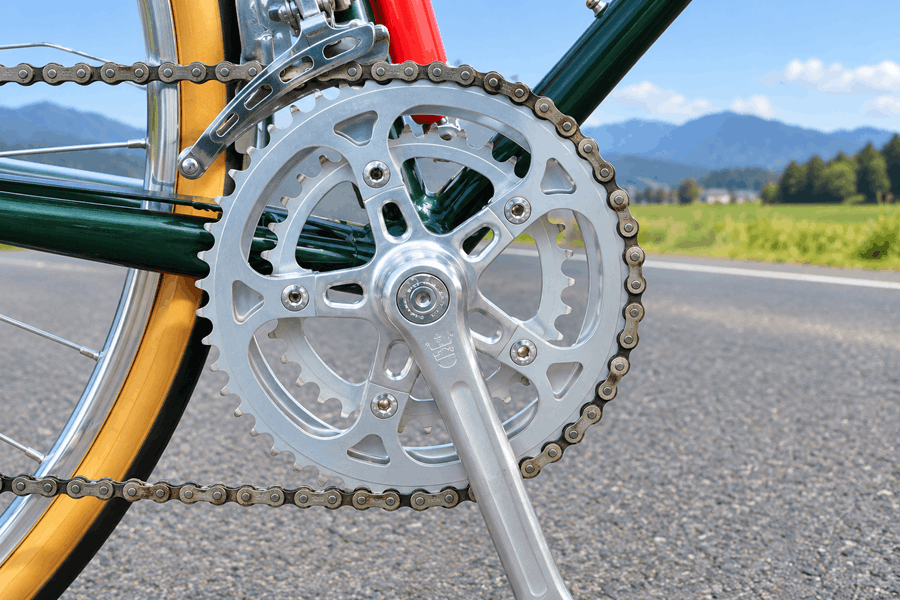
The workshop moved four times over its history: Ueno, then Machiya, then Urawa, and finally Kawaguchi in Saitama Prefecture, where it operates today. Each move meant more space and a slightly larger operation, but the output stayed deliberately small.
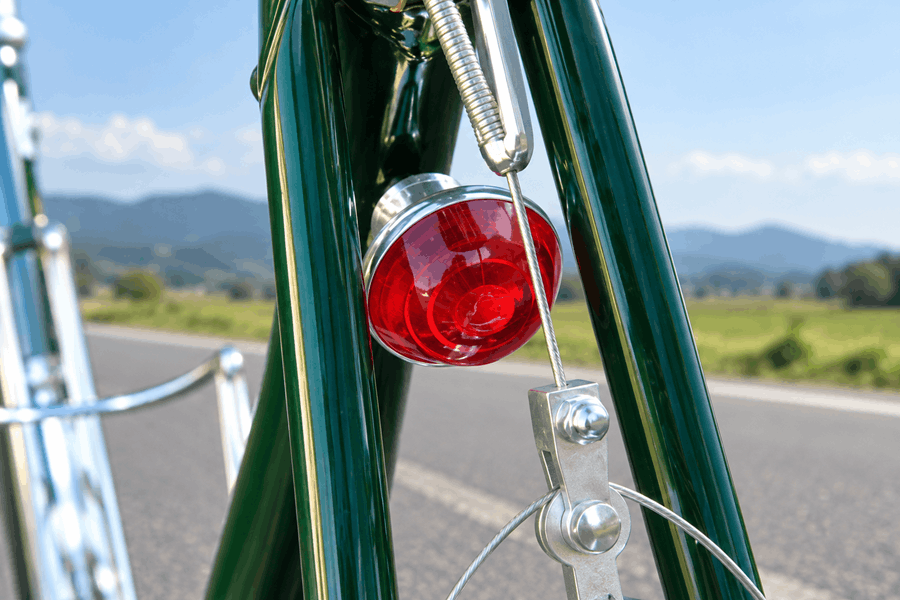
Craftsmen came and went across seven decades, which is the normal life of any hand shop. What carried through was the method — frames specified in conversation with the customer, tubes mitered and brazed by hand, lugs filed rather than left as cast. TOEI’s specialty remains what it was in 1955: the sporty touring bicycle.
One practical consequence worth knowing if you ever consider ordering one: TOEI’s wait times are legendary, and not in a marketing sense. Build queues have historically run years, not months.
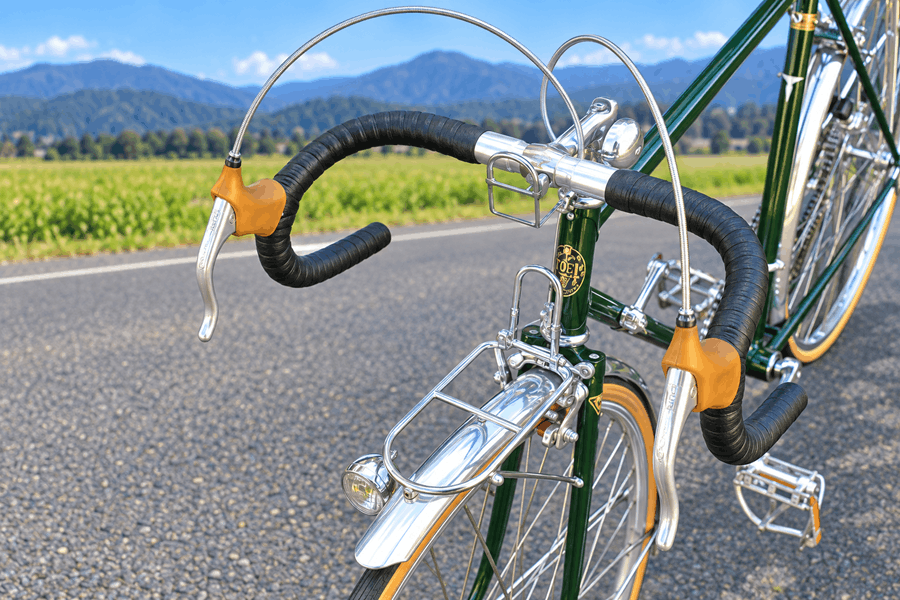
Frame Construction: Steel and Lugwork
Both anniversary models are lugged steel. That is not nostalgia — it is the construction method that lets a builder change tube diameters, wall thicknesses and angles for an individual rider without retooling anything. A one-off carbon frame requires a mold. A one-off steel frame requires a different miter.
Steel also does something specific for a touring bike. It flexes measurably under load and returns to shape, which takes the edge off road buzz over a long day. On a bike meant to carry weight for six or eight hours, that matters more than the weight penalty against aluminum or carbon.
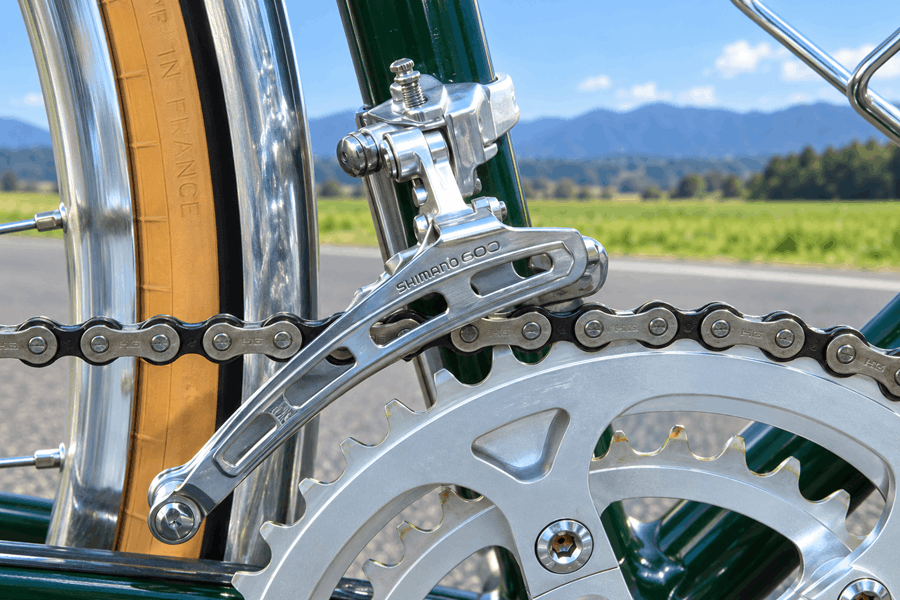
The finishing details are where a shop like TOEI separates itself. Fender lines that follow the tire radius exactly. Brazed-on fittings placed for the specific parts going on the bike, not generic mounts. Internal wiring runs for dynamo lighting. None of it shows up in a weight figure, and all of it takes hours of hand work.
The Touring Type: Features and Specs
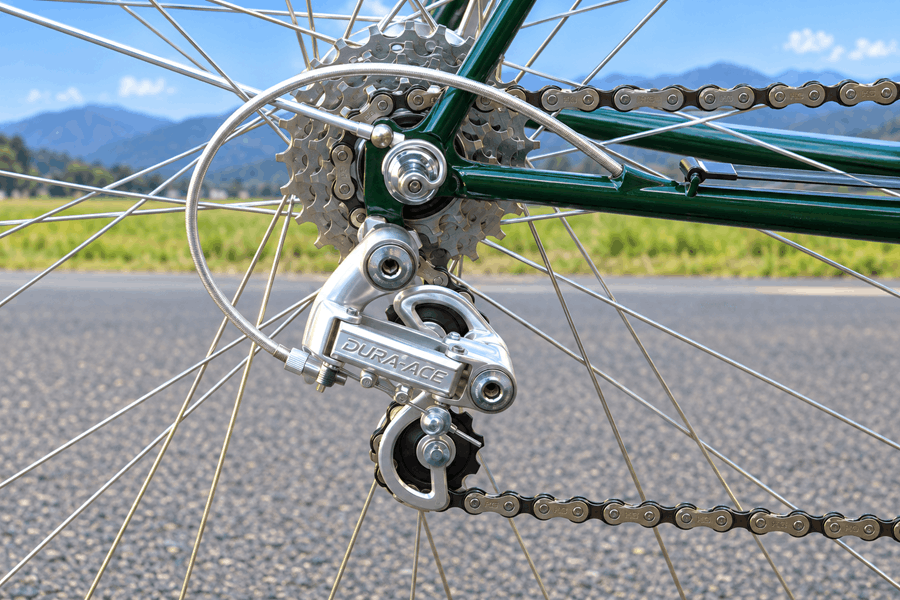
The touring model is built around stability under load. Longer chainstays and a slacker front end keep the bike settled when panniers or a front rack change the weight balance — the opposite priority from a road frame, where you want the bike to respond immediately to input.
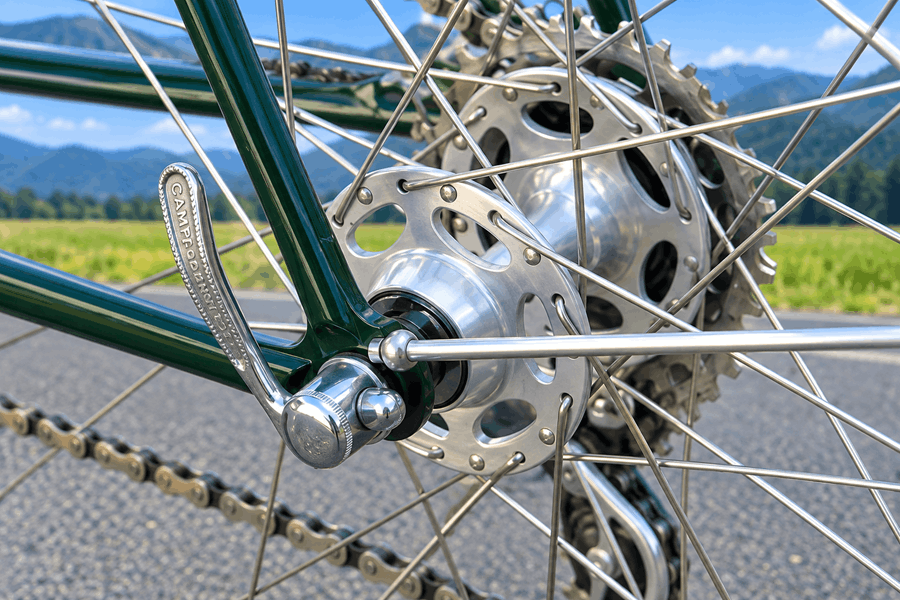
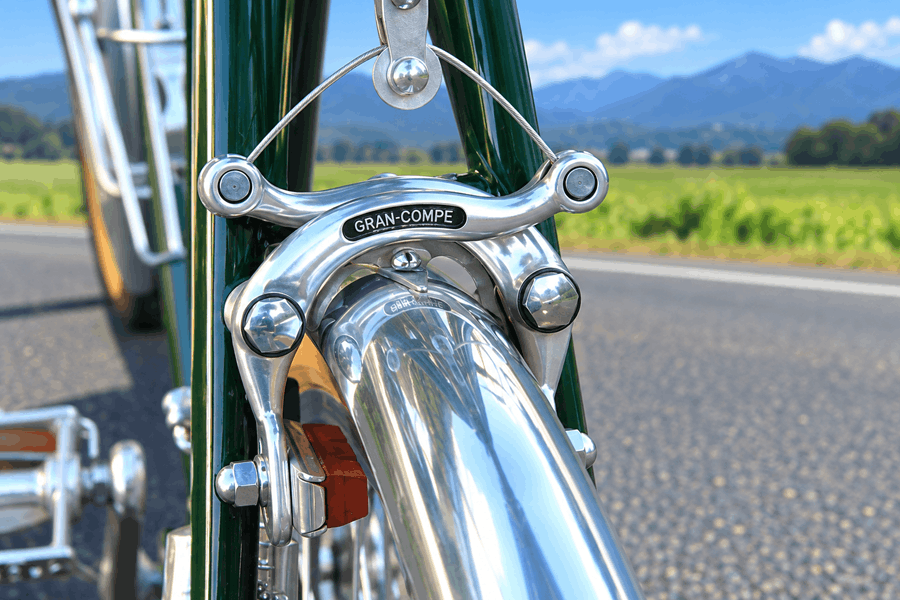
Rack and fender mounts are brazed on rather than clamped, and the frame is drilled for lighting. Braking is centerpull, which is the traditional choice on a French-influenced touring build for good reason: strong stopping power with clearance for wide tires and full fenders.
Coach James: If you are rebuilding or riding a classic steel touring frame, the single biggest ride-quality upgrade is not a component — it is tires. Supple, high-thread-count casings in 28mm or wider transform how a vintage frame feels. Shop supple road tires at JensonUSA →
The Road Model: Features and Specs
The road version keeps the same construction and finishing standard but changes the geometry. Shorter wheelbase, steeper angles, less trail — a bike that holds a line at speed and changes direction on demand.
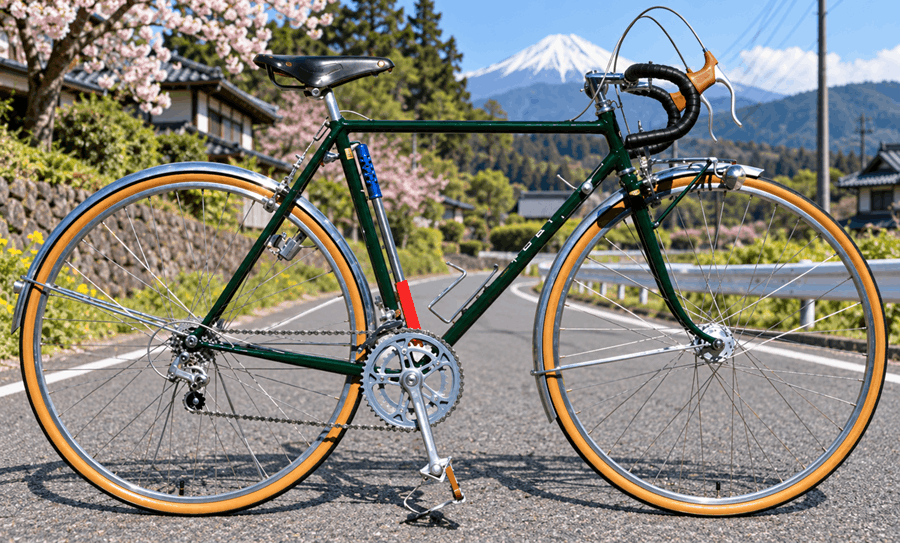
It is worth being clear about what this bike is not. A handbuilt steel road frame in 2005 was not competing with contemporary race equipment on weight, and TOEI was not trying to. The road model is a fast steel bike built to fit one rider properly, which is a different product from a race frame.
Riding either of these on modern roads, the one piece of equipment I would add is a pump that lives on the bike without clamping to original paint. An electric mini pump stows in a saddlebag and handles a roadside flat without a fight. As an Amazon Associate, I earn from qualifying purchases at no additional cost to you.
Pricing and Value in Context
At 155,100 and 172,700 yen, these were frame-and-build prices from a small shop, and the dollar equivalent depends entirely on the exchange rate at the time you convert. In round terms that lands somewhere near a thousand dollars for the touring type and a little over eleven hundred for the road model at recent rates — but treat any dollar figure attached to these bikes as approximate.
The comparison that actually matters is against other handbuilt frames. Set next to a custom order from a Western builder with a comparable reputation, TOEI’s pricing has consistently looked low for the amount of hand labor involved. That gap is a large part of why Japanese constructeur frames have been steadily discovered by collectors outside Japan over the last fifteen years.
If you own one of these and plan to ride it, get it on a quality repair stand before you touch anything. Assessing brazing quality, fender alignment and dropout condition at eye level tells you far more than looking at the bike on the floor.
Where TOEI Sits Among Japanese Builders
Japan produced a small group of builders whose work stands alongside the best European constructeurs — Cherubim, 3Rensho, Nagasawa, Makino, TOEI. Each staked out territory. Cherubim built fillet-brazed sportifs and road frames. 3Rensho and Nagasawa built for the track and keirin. TOEI took touring and randonneuring, and never left.
That narrowness is the point. Seventy years of building essentially one kind of bicycle produces a depth of knowledge about fender lines, rack mounting, load geometry and lighting integration that a generalist shop cannot match. When a randonneur build comes together correctly — Japanese frame, French componentry, dynamo lighting, hand-filed lugs — TOEI is usually somewhere in the conversation.
For anyone spending real hours on a bike like this, a proper chamois does more for the experience than any component swap. 3D-padded cycling shorts are the least glamorous and most effective upgrade on a long day. As an Amazon Associate, I earn from qualifying purchases at no additional cost to you.
Frequently Asked Questions About the TOEI 50th Anniversary Bike
When was TOEI founded, and by whom?
TOEI was founded in 1955 by Umeji Utsubo, who had been managing the Maruto Bike Factory. He opened the first workshop in Tokyo’s Ueno district with the goal of building European-style sport bicycles in Japan.
What models make up the TOEI 50th Anniversary release?
Two: a touring type priced at 155,100 yen and a road model at 172,700 yen. Both are lugged steel frames built to the customer’s specification.
Where is TOEI located today?
Kawaguchi, in Saitama Prefecture. The shop moved from Ueno to Machiya, then Urawa, and finally Kawaguchi over the course of its history.
Why does TOEI still build in steel?
Lugged steel allows genuine one-off construction. Tube diameters, wall thicknesses and angles can be changed for an individual rider without tooling costs, which is what makes custom framebuilding economically possible at small volumes. Steel also flexes and returns under load, which suits a bike built for long distances and carried weight.
How long is the wait for a TOEI frame?
Historically very long — build queues have run into years rather than months. The shop’s output is small by design, and orders are worked out directly with the customer.
How does TOEI compare to Cherubim or 3Rensho?
All three are top-tier Japanese hand builders, but they specialize differently. Cherubim is known for fillet-brazed sportif and road frames, 3Rensho for track and keirin bikes, and TOEI for touring and randonneur builds. TOEI has stayed in that lane for its entire history.
James Hickman is a former USA Cycling Expert-level coach who has worked with cyclists at every level, from beginners to competitive racers. He served as a coach for the Leukemia & Lymphoma Society’s Team In Training program, helping riders prepare for and complete century events. A Masters-category racer himself, he competed and earned podium finishes in Southern California events and holds a Platinum finish at El Tour de Tucson, completing the 100+ miles in under five hours.
Related Reading

Bicycle of the Week
|
Bicycle of the Week
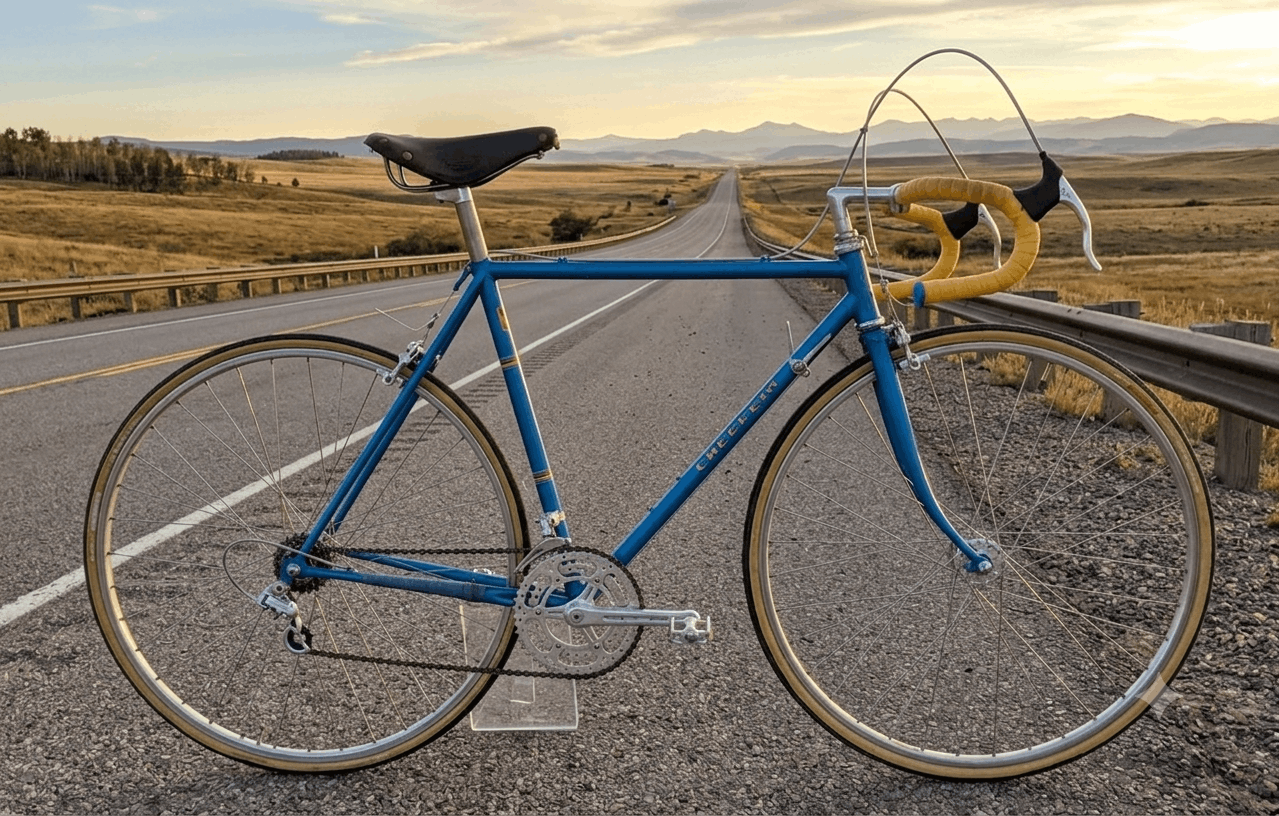
1970s Cherubim Model ‘V’ Sportif: Konno’s Fillet-Brazed Classic |
Bicycle of the Week
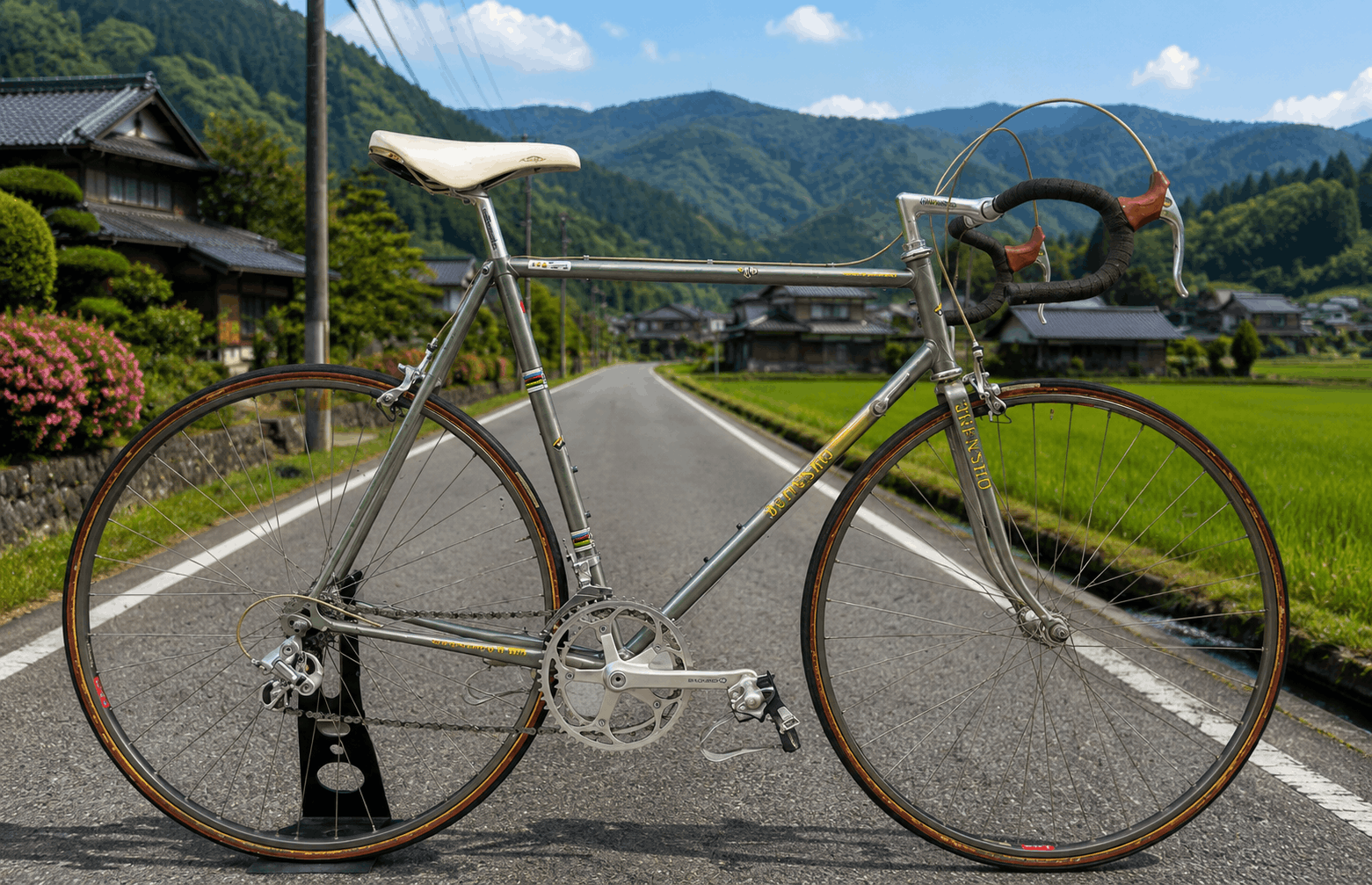
3Rensho Super Record Export Aerodynamics: Konno’s 1980s Original |
If you enjoyed this week’s featured bicycle, there is more where it came from. Visit pacelinebikes.com for training and performance content, and subscribe to our YouTube channel, Bicycle Restoration Man, for full restoration builds and finished-project showcases.
We are an Amazon affiliate and earn from qualified Amazon purchases with no cost to you. This is for ANY product that you purchase through our links. We are also an affiliate for Competitive Cyclist and JensonUSA. This way we can provide you with competitive pricing and products.