Categories
Classic Japanese Bicycles

1993 BRIDGESTONE MB-1: A LEGEND

1993 Bridgestone MB-1: A Legend

Bridgestone MB-1
SPECIAL THANKS TO THISOLDBRIDGESTONE.COM FOR THE IMAGES AND INFORMATION CONTAINED IN THIS ARTICLE!

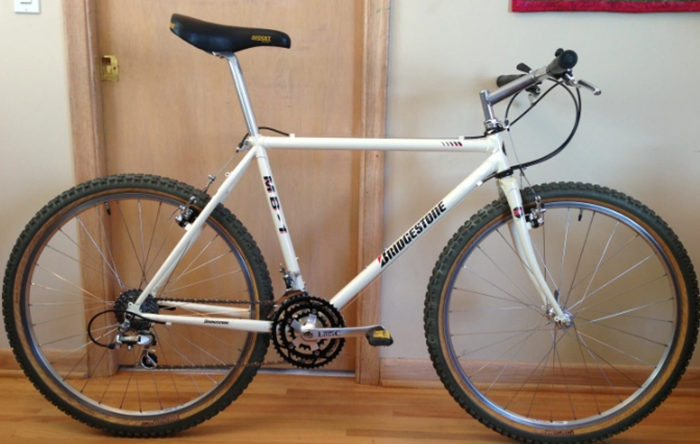
A 1993 Bridgestone MB-1 is this week’s “Japanese Bicycle of the Week.” If you loved vintage mountain bikes, this was a must-see. This classic mountain bike wasn’t just a bike; it was a masterpiece of engineering. Built for rugged trails, the MB-1 offered a ride that was both smooth and exhilarating.

From its meticulously crafted steel frame to its top-tier Shimano components, every detail spoke of quality. Riders raved about its agile handling and robust build. Moreover, its timeless design turned heads wherever it went. Whether you were a seasoned cyclist or a bike enthusiast, the Bridgestone MB-1 promised an unforgettable experience. Furthermore, those who owned one had a piece of mountain bike history.

A Short History of Bridgestone

Bridgestone began its journey in Japan in 1931. Founded by Shojiro Ishibashi, the company originally produced rubber soles for shoes. Over the years, Bridgestone expanded its product line. By the 1940s, they had started making bicycle tires.  As a result, their commitment to quality quickly made them a leader in the industry. By the 1950s, Bridgestone began manufacturing bicycles themselves.

This move marked the start of their adventure into the cycling world. Through the 1980s and 1990s, they became known for high-quality, innovative bikes. The Bridgestone MB-1, released in 1993, was one of their finest creations. In fact, it combined excellent design with top-notch performance. Even today, Bridgestone bicycles remain a respected name in the cycling community. Their legacy of craftsmanship and innovation lives on.

Bridgestone MB-1

Frame and Fork: Ritchey Logic Prestige Tubing

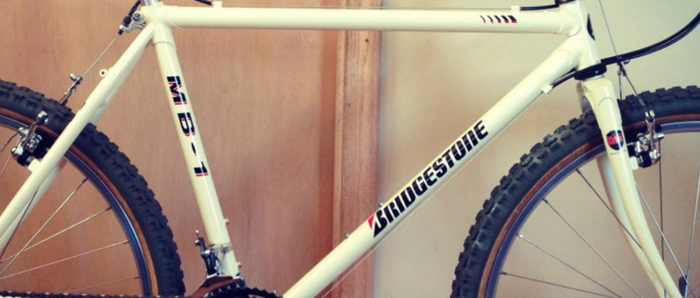
One standout feature of the 1993 Bridgestone MB-1 was its frame. Crafted from Ritchey Logic Prestige tubing, the steel frame mountain bike was both light and strong. This high-quality tubing set a new standard in the cycling world. Moreover, it provided an exceptional balance of weight and durability. Riders could tackle tough trails without worrying about the bike’s integrity. Additionally, the tubing’s design contributed to the bike’s smooth ride. Enthusiasts praised its resilience and performance.

The Ritchey Crown Fork: Precision and Control

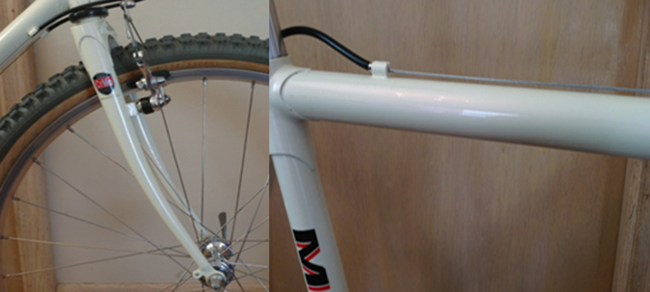
The Bridgestone MB-1 also featured the Ritchey Crown Fork. This fork was a game-changer. It offered precise steering and excellent shock absorption. Consequently, riders experienced unparalleled control on rough terrain. The fork’s design complemented the frame perfectly. Together, they created a bike that was both agile and stable. Furthermore, the Ritchey Crown Fork’s quality construction ensured long-lasting performance. It was a key component that set the MB-1 apart from other bikes of its time.

Bridgestone MB-1 Headset: 1” Shimano DX

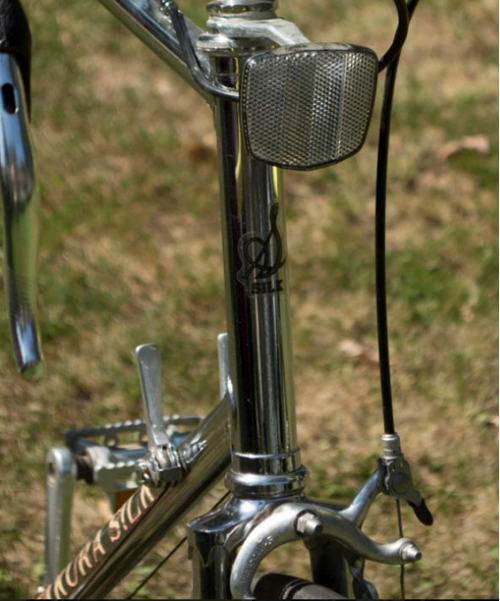
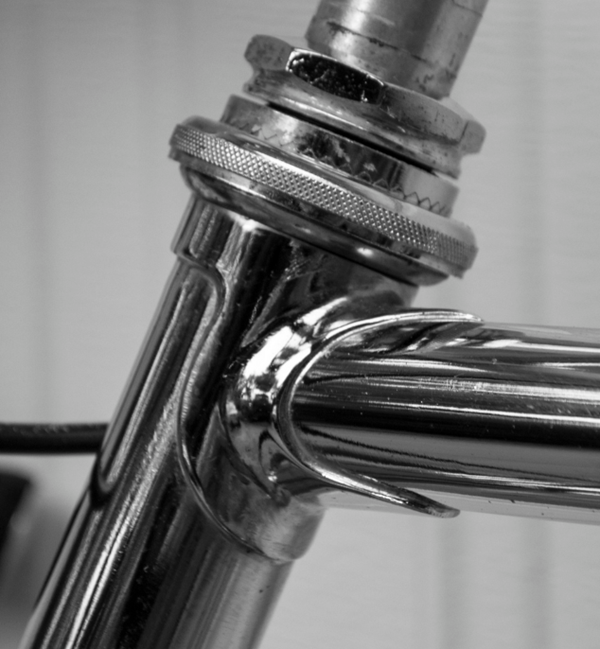
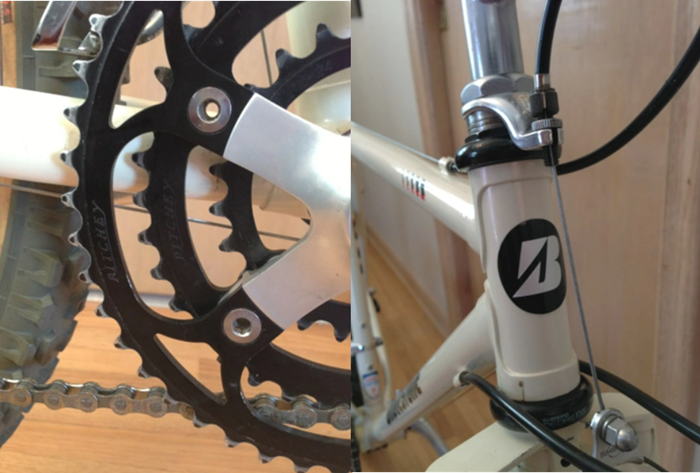
One of the standout features of the 1993 Bridgestone MB-1 was its headset. The 1” Shimano DX, in sleek black, was a key component. It ensured smooth and reliable steering. Furthermore, it added a touch of elegance to the bike’s overall look. Riders appreciated its durability and precision. This headset made handling rough trails easier and more enjoyable. Additionally, its construction guaranteed long-lasting performance. It was a perfect match for the MB-1’s high standards.

Bridgestone MB-1

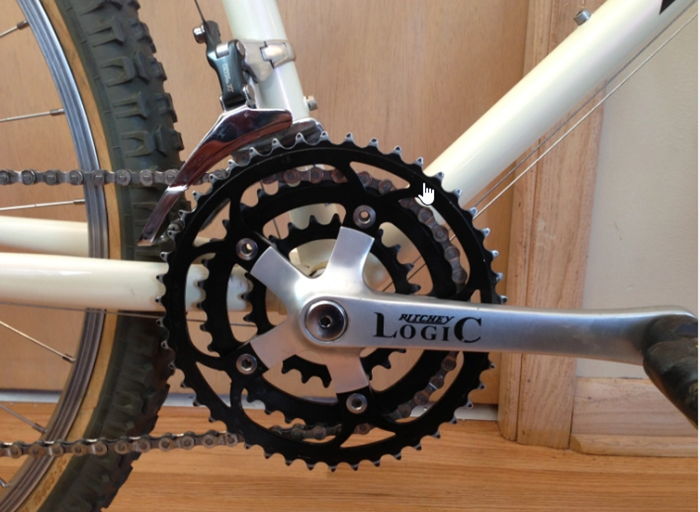
Cranks: Ritchey Logic, 172.5mm, 46Tx36Tx24T Ritchey Chainrings

The 1993 Bridgestone MB-1 came equipped with Ritchey Logic cranks, measuring 172.5mm. These cranks were known for their strength and efficiency. The triple chainring setup included 46T, 36T, and 24T Ritchey chainrings. This configuration provided a versatile range of gears. The 46T chainring was ideal for flat terrain and high speeds. It allowed riders to maintain momentum on easy sections. The 36T chainring offered a balance, perfect for moderate climbs and descents. It was the go-to for varied terrain.

Additionally, the 24T chainring made steep climbs manageable. It gave riders the extra torque needed for tough ascents. This combination of chainrings ensured that the Bridgestone MB-1 was ready for any trail. Whether facing smooth paths or challenging hills, the bike’s gearing was up to the task. Moreover, the Ritchey Logic cranks were designed for durability. They could withstand the rigors of intense off-road cycling.

Cassette: Shimano DX HG70, 7sp, 12-28T

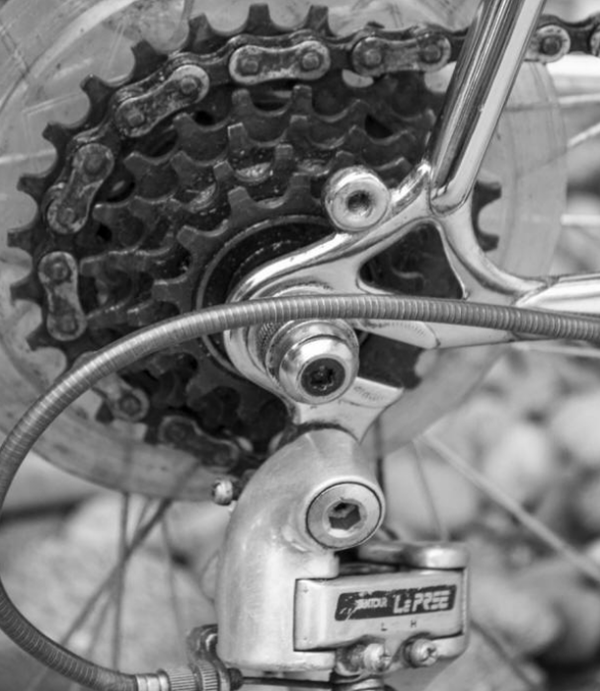
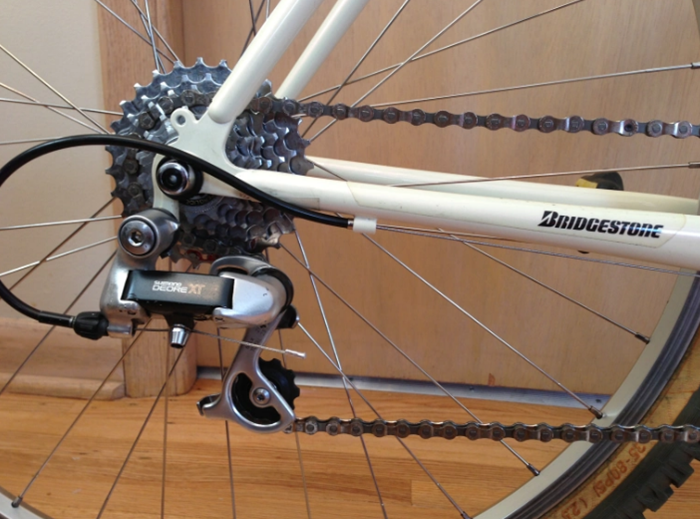
One of the key components of the 1993 Bridgestone MB-1 was the Shimano DX HG70 cassette. This 7-speed cassette featured a 12-28T cog size. The 12T cog allowed riders to achieve higher speeds on flat terrain. This made it perfect for sprinting or cruising on open paths. Transitioning to the middle cogs, the range from 13T to 21T provided smooth and efficient gear changes. These middle gears were ideal for moderate terrain, allowing for a comfortable and balanced ride.

Moreover, the larger 28T cog was essential for climbing. It gave riders the necessary low-end torque to tackle steep ascents. This wide range of gearing ensured that the Bridgestone MB-1 was versatile enough for various trail conditions. Whether speeding down a flat stretch or grinding up a tough hill, the Shimano DX HG70 cassette offered reliable performance. Additionally, the construction of the cassette was designed for durability. It could withstand the demands of off-road cycling, ensuring longevity and consistent functionality.

Bridgestone MB-1

Handlebar: Ritchey Force Comp (Nitto), 540mm, 6 Deg Bend

The 1993 Bridgestone MB-1 was equipped with the Ritchey Force Comp handlebar, crafted by Nitto. Measuring 540mm in width, this handlebar provided excellent control and stability. One of its standout features was the 6-degree bend. This specific bend angle was crucial for rider comfort and control. It allowed for a more natural hand position, reducing strain on the wrists during long rides. Consequently, riders experienced less fatigue and better handling on rough terrain.

Moreover, the 6-degree bend improved leverage. This made it easier to maneuver the bike through tight trails and technical sections. The bend also contributed to a more upright riding position, which enhanced visibility and control. Additionally, the Ritchey Force Comp handlebar was known for its durability. Made from high-quality materials, it could withstand the demands of off-road cycling.

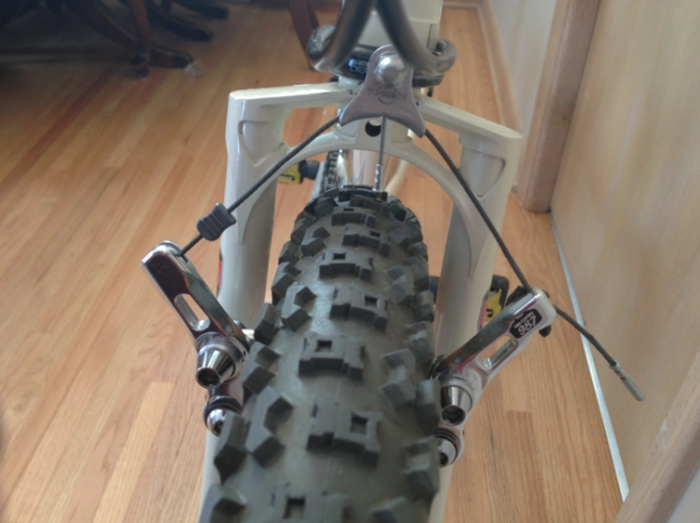
Bridgestone MB-1 Brakes: Dia Compe 987

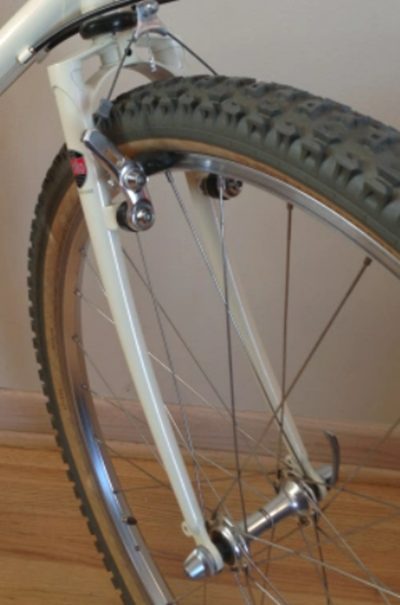
The 1993 Bridgestone MB-1 featured Dia Compe 987 brakes, a top choice for mountain bikes of its era. Dia Compe, a renowned brand in the cycling world, was known for its high-quality braking systems. Established in Japan, Dia Compe had a long history of innovation and excellence. Their brakes were designed to offer reliability and performance, and the 987 model was no exception.

Cantilever brakes, like the Dia Compe 987, were particularly popular for mountain bikes in the 1990s. These brakes provided superior stopping power, essential for tackling steep descents and navigating technical trails. Their design allowed for greater clearance, making them ideal for muddy or debris-filled conditions. Moreover, cantilever brakes offered excellent modulation. Riders could easily control the braking force, enhancing safety and confidence. The robust construction of the 987 model ensured durability and long-term performance. Furthermore, their design was lightweight, which contributed to the overall efficiency of the Bridgestone MB-1.

Bridgestone MB-1

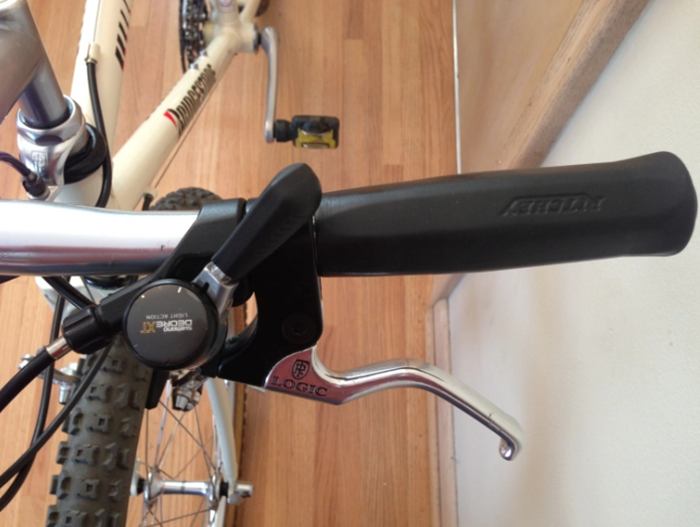
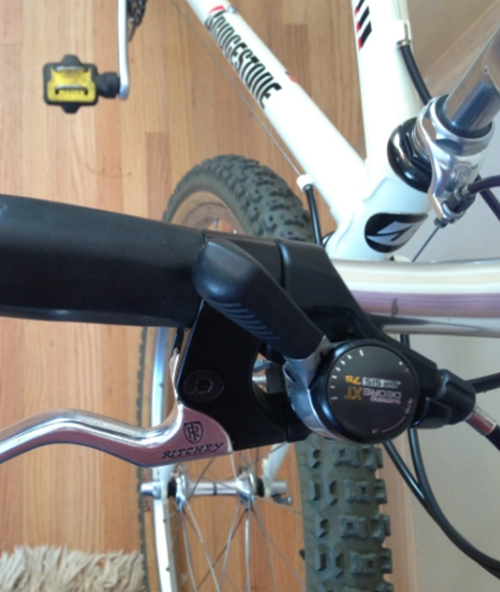
Shifters: Shimano XT M732 Thumbies, 7sp

The 1993 Bridgestone MB-1 was equipped with Shimano XT M732 thumb shifters, commonly known as “Thumbies.” These 7-speed shifters were a standout feature of the bike. Thumb shifters were highly favored in the mountain biking world for several reasons. Firstly, they provided precise and reliable shifting. Riders could easily change gears with a simple thumb movement, making it quick and intuitive. This was especially beneficial on technical trails where rapid gear changes were necessary.

Moreover, thumb shifters allowed for better control and customization. Riders could fine-tune their shifting to match their riding style and terrain. The Shimano XT M732 shifters were also known for their durability. They could withstand the harsh conditions of off-road cycling, ensuring consistent performance over time. Additionally, these shifters were lightweight, contributing to the overall efficiency and agility of the Bridgestone MB-1.

Hubs: 28H Shimano 600 Ultegra, Rear: Shimano XT M732

The 1993 Bridgestone MB-1 featured a mix of hubs that exemplified the bike’s superior build quality. Up front, it was equipped with 28-hole Shimano 600 Ultegra hubs. These hubs were renowned for their smoothness and reliability.

Their high-quality bearings ensured a low-friction ride, enhancing efficiency on any trail. Additionally, the 28-hole design provided an excellent balance between strength and weight, making them perfect for mountain biking.

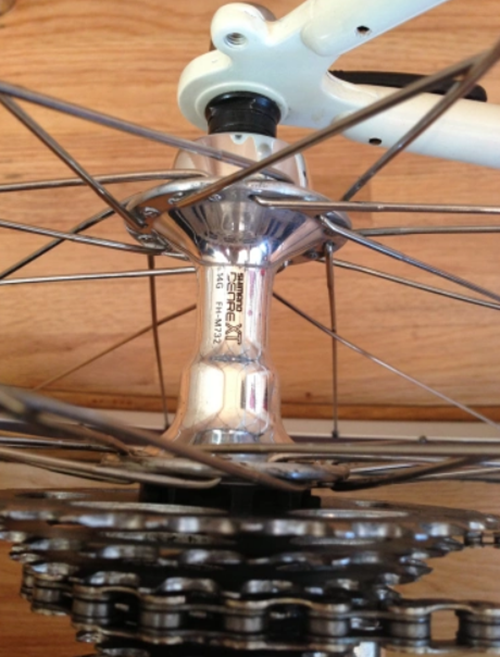
SHIMANO XT REAR HUBS

At the rear, the Bridgestone MB-1 sported Shimano XT M732 hubs. These hubs were specifically built for the rigors of mountain biking. They offered exceptional durability and strength, crucial for handling rough terrain. Moreover, the XT M732 hubs featured advanced sealing mechanisms. This design kept out dirt and moisture, ensuring long-lasting performance even in harsh conditions. Furthermore, the hubs provided precise and reliable engagement, allowing riders to tackle technical sections with confidence.

Bridgestone MB-1

Essential Components of the Bridgestone MB-1: Seatpost, Saddle, and Stem

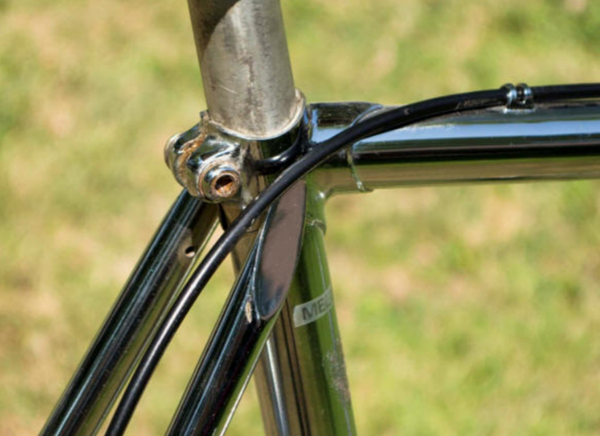
The 1993 Bridgestone MB-1 featured a range of high-quality components that enhanced its performance and comfort. One such component was the seat post. The bike came with a Ritchey Force Directional seat post, crafted by Nitto. Measuring 27.2 x 300mm, this seat post provided excellent stability and support.

Its directional design ensured that the saddle remained securely in place, even on the roughest trails. Moreover, the high-quality construction guaranteed durability and long-lasting performance.

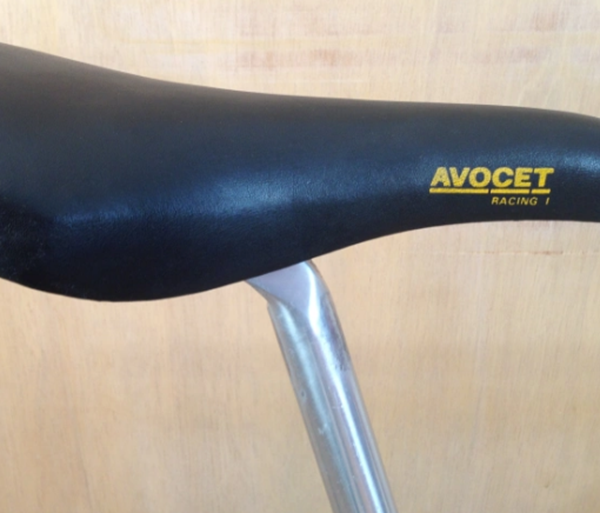
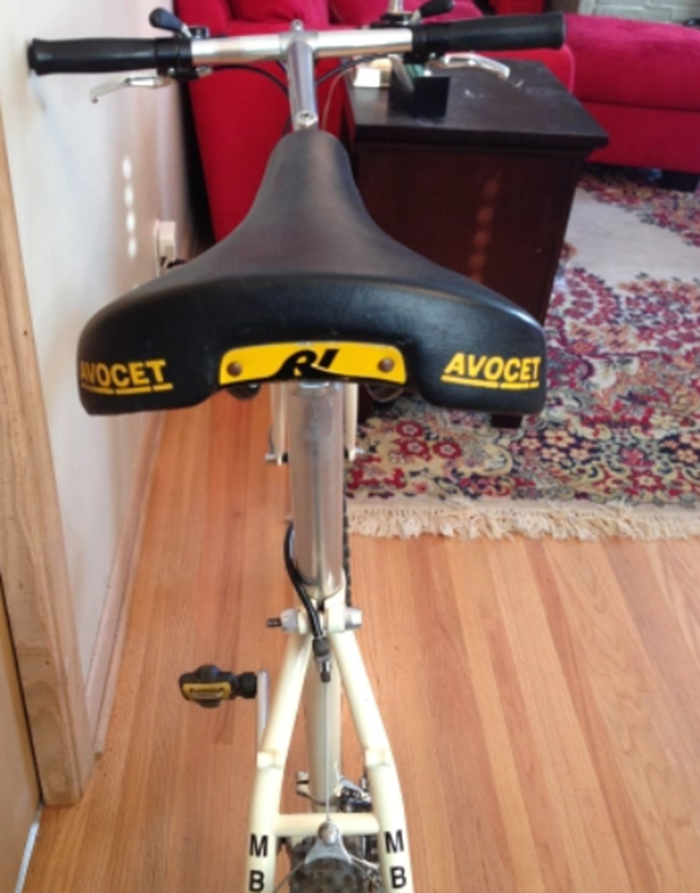
The saddle on the Bridgestone MB-1 was an Avocet Racing 1, made of leather. This saddle was known for its comfort and resilience.  On top of that, the leather material conformed to the rider’s shape over time, providing a personalized fit. Additionally, it offered a good balance between firmness and cushioning, making long rides more enjoyable. The Avocet Racing 1 saddle was a perfect match for the MB-1’s rugged nature, offering both style and functionality. 

Bridgestone MB-1

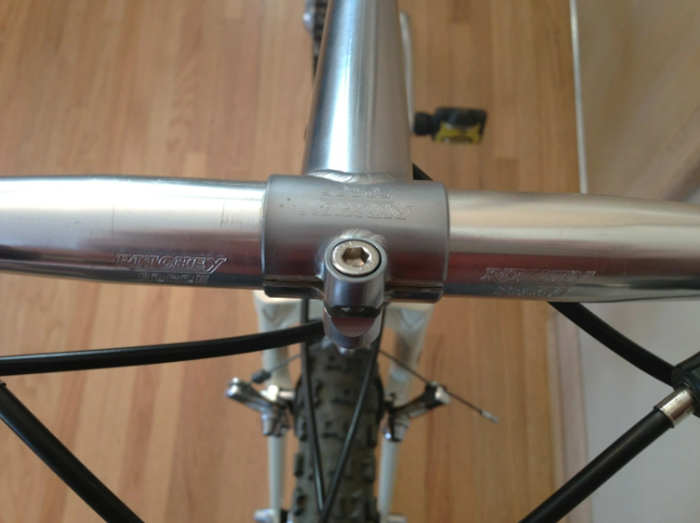
Furthermore, the bike featured a Ritchey Force Comp stem, also made by Nitto. Measuring 130mm with a 10-degree rise, this stem contributed to the bike’s responsive handling.  For instance, the 10-degree rise provided a comfortable riding position, reducing strain on the rider’s back and shoulders.

Additionally, the 130mm length offered excellent control and stability, essential for navigating technical trails. Like the other components, the Ritchey Force Comp stem was built to last, ensuring reliable performance for years.

The 1993 Bridgestone MB-1 was more than just a mountain bike. It was a symbol of MTB innovation and quality.  However, with its combination of classic bike features and high-quality parts, it delivered a riding experience that few could match. This bike remains a beloved classic in the cycling community. Its legacy continues to inspire mountain bike enthusiasts and collectors alike.

We earn from qualified Amazon purchases with NO cost to you. ANY item that you need or were going to purchased anyway through any of our links, helps support this site. Thank you for your support!

Categories
Japanese Road Bikes

The Elegance of the 3 Rensho Track Bike

The 3 Rensho Track Bike

3 rensho track bike
SPECIAL THANKS TO BLOGSPOT FOR SOME OF THE INFO AND PICTURES CONTAINED IN THIS ARTICLE!

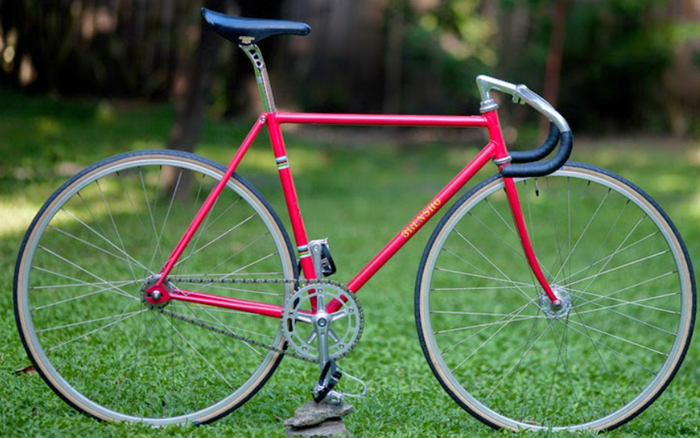
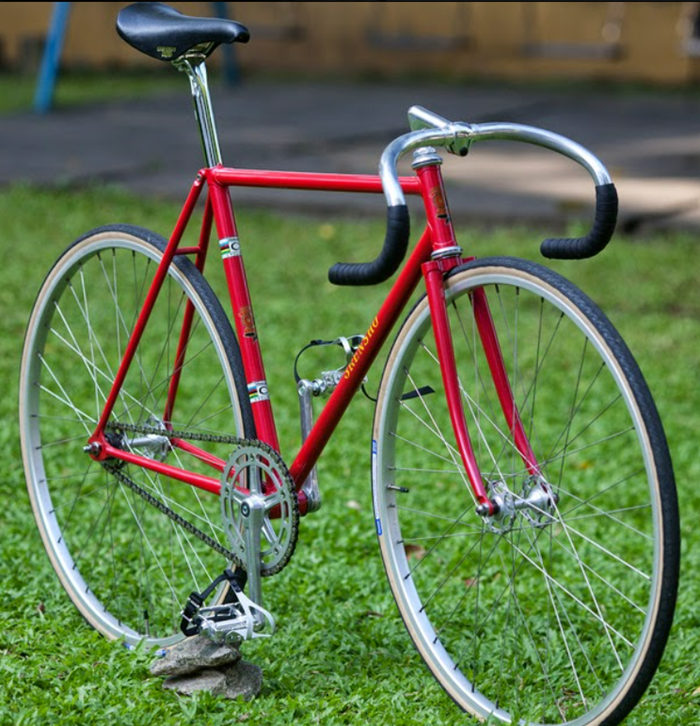
A 3 Rensho Track Bike is this weeks “Japanese Bicycle ofJapanese Steel classic bicycle design from Japan the Week”. Owning a 3 Rensho track bike is like holding a piece of cycling history. This masterpiece from the late 1970s to early 1980s embodies the pinnacle of Japanese craftsmanship. Let’s dive into the specifics of this iconic ride and explore what makes it truly exceptional.

3 Rensho bicycles, a name synonymous with quality and performance, were created by the legendary Japanese frame builder Yoshi Konno. Founded in the late 1970s, 3 Rensho quickly rose to prominence in the cycling world, particularly for their track bikes. Konno’s meticulous craftsmanship and innovative designs set a new standard for handcrafted bike frames, earning widespread acclaim and a loyal following.

Tragically, Konno’s career was cut short by a car accident in 1995, but his legacy lives on through the enduring popularity of 3 Rensho bikes. These bicycles are celebrated not only for their exceptional build quality but also for their place in the rich history of cycling.

3 rensho track bike

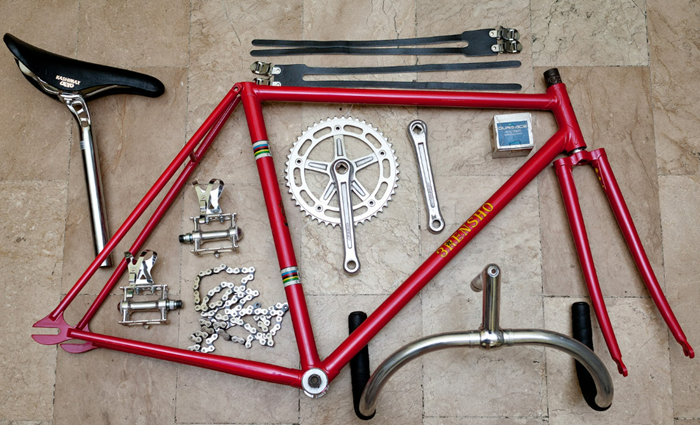
Frame: 3Rensho – Cherubim 1978-1980 with Suntour 10mm Dropouts

The frame is the heart of any bike, and the 3Rensho – Cherubim is no exception. Handcrafted between 1978 and 1980, this frame stands out for its impeccable build quality and timeless design.

The Suntour 10mm dropouts add a touch of precision and reliability, ensuring a perfect fit for the rear wheel. The frame’s sleek lines and sturdy construction make it a joy to ride and a feast for the eyes.

Fork/Headset: 3Rensho / Shimano Dura-Ace 7400

The 3Rensho fork, paired with the Shimano Dura-Ace 7400 headset, provides a seamless connection between the frame and the front wheel. The Dura-Ace 7400, known for its smooth operation and durability, complements the frame’s quality. This combination ensures responsive handling and a stable ride, essential for track cycling.

Crankset/Bottom Bracket: NJS Shimano Dura-Ace 7500 165mm Arm / Shimano 7500

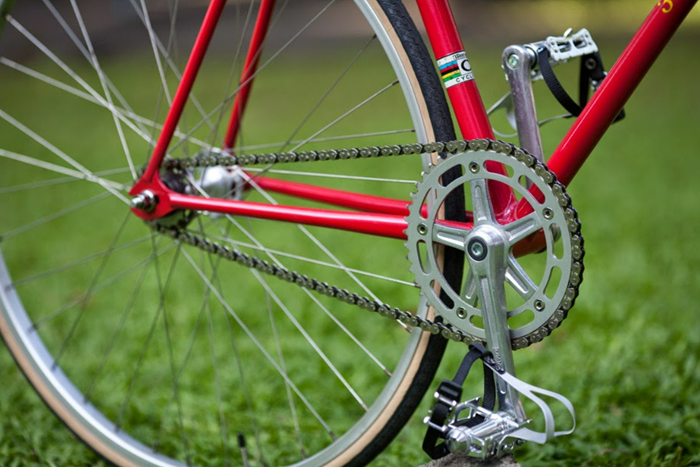
The NJS-certified Shimano Dura-Ace 7500 crankset with 165mm arms is a powerhouse. Designed for optimal power transfer, it allows cyclists to maximize their speed and efficiency on the track. The Shimano 7500 bottom bracket supports the crankset with its robust and reliable performance, making every pedal stroke count.

Pedals: MKS Sylvan Track / MKS NJS Toe Clips / Wellgo Strap

Pedals are the direct link between rider and machine. The MKS Sylvan Track pedals, equipped with MKS NJS toe clips and Wellgo straps, offer a secure and comfortable connection. This setup ensures that your feet remain firmly in place, providing the confidence to push harder and faster without worrying about slipping.

Drivetrain/Cog/Chainring/Chain: 48×17 / Shimano 48 Teeth BIA / KMC

The 48×17 drivetrain, featuring a Shimano 48 teeth BIA chainring and a KMC chain, strikes a perfect balance between speed and control. This gear ratio is ideal for track racing, offering the right mix of acceleration and top-end speed. The Shimano and KMC components work harmoniously to deliver smooth and reliable performance.

3 rensho track bike

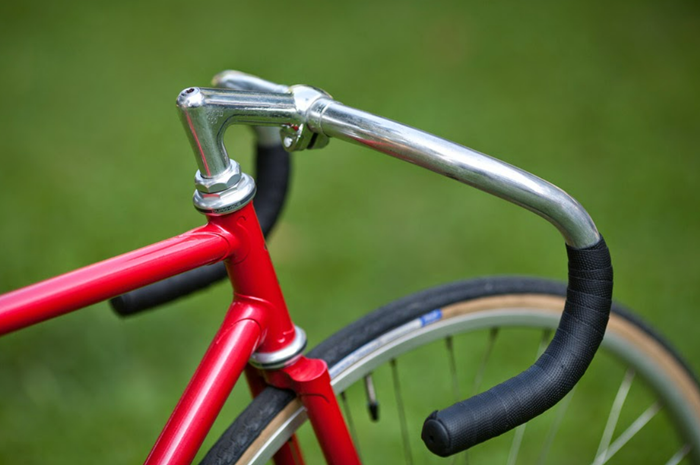
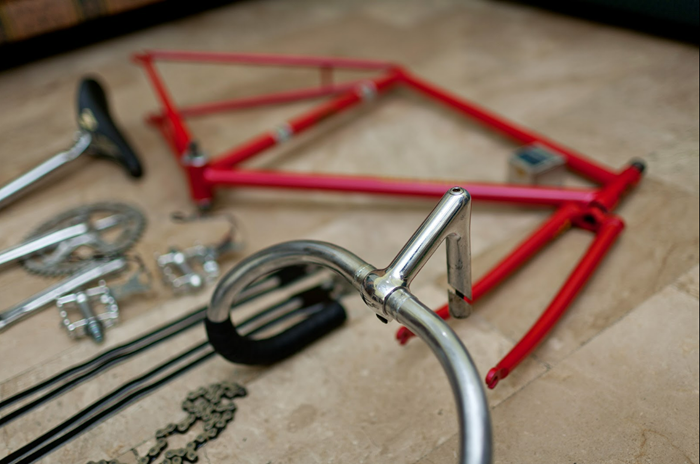
Handlebars/Stem: Nitto B123aa Aluminum 365mm / Nitto Jaguar 100

Handlebars and stem play a crucial role in a bike’s ergonomics. The Nitto B123aa aluminum handlebars, at 365mm wide, provide a comfortable grip and excellent control.

Paired with the Nitto Jaguar 100 stem, this combination offers a stable and responsive steering experience. The classic drop handlebar shape allows for multiple hand positions, catering to different riding styles and preferences.

Saddle/Seatpost: Kashimax Aero NJS / Aero

Comfort and performance meet in the Kashimax Aero NJS saddle. Known for its firm support, it’s a favorite among track cyclists. The Aero seatpost complements the saddle, providing a secure and adjustable platform. This duo ensures that you can maintain an optimal riding position, crucial for long track sessions.

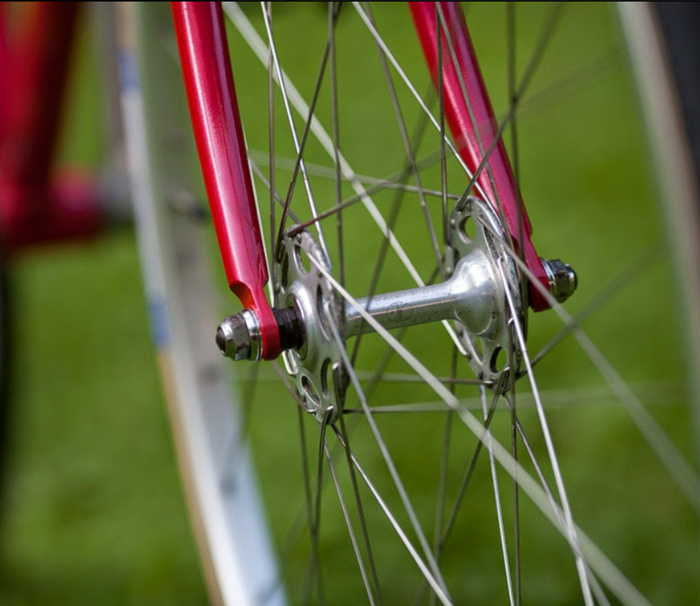
Front Wheel/Hub/Tire: Araya / Dura-Ace 7500 Track Hub / Panaracer Pasela

The front wheel setup features an Araya rim paired with a Dura-Ace 7500 track hub and a Panaracer Pasela tire. Araya rims are renowned for their strength and durability, while the Dura-Ace 7500 hub ensures smooth and reliable rotation. The Panaracer Pasela tire offers excellent grip and comfort, making it a perfect match for the track.

Rear Wheel/Hub/Tire: Araya / Dura-Ace 7500 Track Hub / Panaracer Pasela

Matching the front, the rear wheel also features an Araya rim, Dura-Ace 7500 track hub, and Panaracer Pasela tire. This consistency in components ensures balanced performance and reliability. The rear wheel setup is crucial for maintaining speed and stability, and this combination does not disappoint.

The 3 Rensho track bike is more than just a bicycle; it’s a testament to the art of bike building. Every component, from the frame to the tires, has been carefully selected to deliver unparalleled performance and aesthetics. Whether you’re a seasoned track cyclist or a vintage bike enthusiast, the 3 Rensho offers a ride experience that is both exhilarating and nostalgic.

3 rensho track bike

Its timeless design and superior craftsmanship make it a coveted piece for bike collectors and cycling enthusiasts alike. When you ride a 3 Rensho, you’re not just riding a bike; you’re experiencing a piece of cycling history, meticulously crafted to perfection.

This fixed gear bike stands out in the cycling culture as a symbol of precision engineering and high-quality bike materials. From its durable bike components to its classic bike design, the 3 Rensho remains an iconic bike brand, cherished by those who appreciate legendary bike makers and the rich cycling heritage they represent.

We earn from qualified Amazon purchases with NO cost to you. ANY item that you need or were going to purchased anyway through any of our links, helps support this site. Thank you for your support!

Categories
Japanese Road Bikes

Cherubim Bicycles: Shinichi Konno’s City Cruiser

Shinichi Konno’s City Cruiser

cherubim bicycles
SPECIAL THANKS TO GESSATO.COM FOR THE IMAGES CONTAINED IN THIS ARTICLE

Cherubim Bicycles City Cruiser is this week’s “Japanese Bicycle of the Week”. This masterpiece from the realm of Shinichi Konno redefines urban commuting.

A Brief Overview of Shinichi Konno and Cherubim Bicycles Design

Shinichi Konno, son of the esteemed master frame builderJapanese Steel classic bicycle design from Japan Yoshi Konno, was immersed in the art of bicycle design from an early age. Under the guidance of his father and legendary grandfather, Shinichi developed his skills and keen eye for detail. Inspired by the fusion of form and function, he set out to revolutionize urban cycling. In this way, he was able to push the boundaries of design with innovative materials and construction techniques at Cherubim Bicycles.

How Konno’s Previous Works Informed the Creation of the City Cruiser

cherubim bicycles

Shinichi Konno’s journey in bicycle design, influenced by his exploration of urban landscapes and innovative use of materials, laid the foundation for the City Cruiser.

Shinichi drew upon his experience crafting bicycles for various environments. Consequently, Konno recognized the need for a versatile, adaptable bicycle tailored for city commuting.

Konno’s experimentation with advanced materials and construction techniques played a crucial role in shaping the City Cruiser’s design.

These techniques, honed in his previous projects, incorporated lightweight alloys and carbon fiber components. Each element was meticulously crafted to optimize performance and durability while maintaining aesthetic appeal.

Innovative Features From Cherubim Bicycles

cherubim bicycles

Highlighting the unique features of the City Cruiser, one cannot overlook the meticulously crafted ergonomic handlebars. These handlebars, with their ergonomic curvature, offer an unparalleled grip and comfort, making even the longest commutes a breeze.

Furthermore, the seamless integration of the integrated rack showcases Konno’s expertise in blending functionality with aesthetic elegance. This rack, designed for durability and ease of use, provides ample space for carrying essentials, making it a practical choice for urban dwellers.

Moreover, another standout feature is the internal rear hub, which not only enhances the bicycle’s sleek appearance but also offers a smooth, low-maintenance riding experience.

Additionally, the ingenious design of the dual-tube top tube adds to the bicycle’s structural integrity while giving it a distinctive, modern look.

This innovative approach not only strengthens the frame but also sets the City Cruiser apart in the realm of urban bicycles. Thus, making it a true testament to Shinichi Konno’s visionary craftsmanship.

Enhance Your Ride

Ready to elevate your cycling experience? Equip yourself with the essentials to make every ride exceptional. Explore our range of accessories and gear

We earn from qualified Amazon purchases with NO cost to you. ANY item that you need or were going to purchased anyway through any of our links, helps support this site. Thank you for your support!

4o

Categories
Japanese Road Bikes

Best Japanese Bike: Zunow Z1

best Japanese bike
SPECIAL THANKS TO EBAY’S RBINC007 FOR THE IMAGES CONTAINED IN THIS ARTICLE.

This weeks “Japanese Bicycle of the Week” is a Zunow Z1. WhenJapanese Steel classic bicycle design from Japan it comes to finding the best Japanese bike, the Zunow Z1 stands out as a true masterpiece. Whether you’re a seasoned cyclist or just getting started, you can’t help but admire the look and craftmanship of this beautiful bicycle. all thanks to the cutting-edge design and craftsmanship of the Zunow Z1.

In this blog post, we’ll dive into what makes the Zunow Z1 the best Japanese bike on the market, exploring its features, performance, and the sheer joy it brings to every ride. So, hop on and let’s take a closer look at this incredible machine!

BEST JAPANESE BIKE

The Origins of Zunow: Crafting the Best Japanese Bike

The story of Zunow began in mid-20th century Japan. In 1965, Mr. Takeru Kageyama, a passionate cyclist and skilled craftsman, founded Zunow Cycles in Uozu, Toyama Prefecture. Driven by his love for cycling and dedication to quality, Kageyama aimed to create bicycles with top-notch performance, comfort, and exceptional aesthetics. Thus, Zunow emerged as a name synonymous with the best Japanese bike, blending quality and beauty seamlessly.

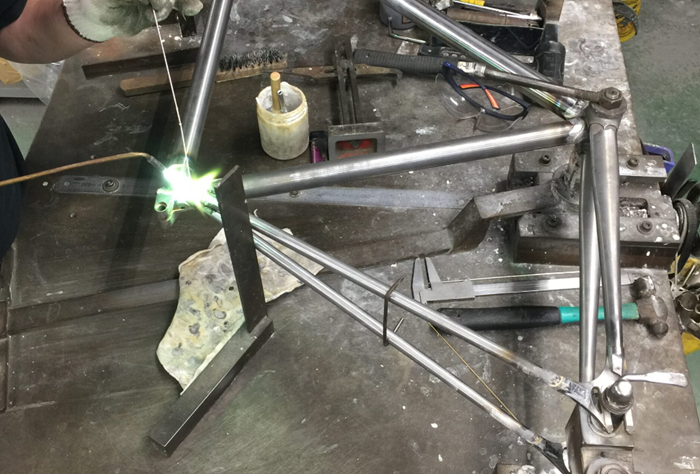
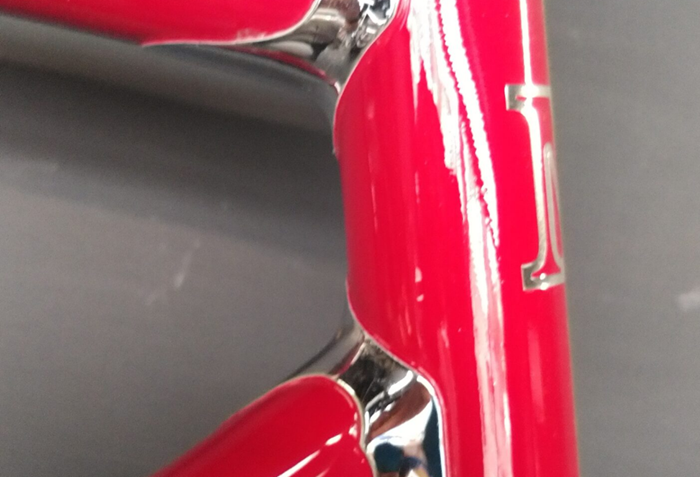
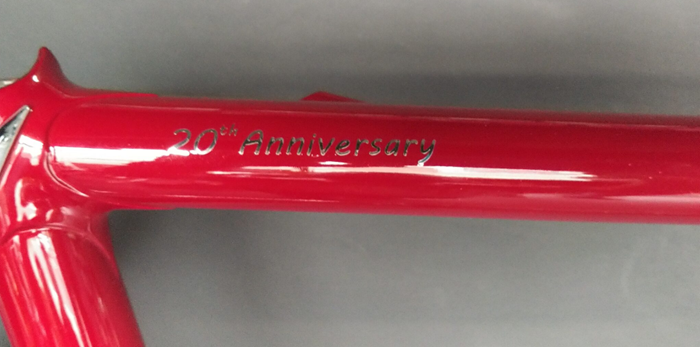
Furthermore, what sets the Zunow Z1 apart is its exquisite paint job and meticulous craftsmanship. Each frame is hand-painted, showcasing vibrant colors and intricate designs that truly make it a work of art. The attention to detail is impeccable, with smooth welds and a flawless finish that highlights the bike’s elegance.

Additionally, the craftsmanship extends beyond aesthetics; the frame is built for durability and performance, ensuring a ride that is both smooth and responsive. Consequently, the Zunow Z1 isn’t just a bike; it’s a testament to the dedication and skill that define the best Japanese bike.

The Iconic Campagnolo C-Record Brake: A Design Inspired by the Greek Delta

Though their Italian creators never called them the Delta brake, the name stuck due to their resemblance to the Greek letter Delta (Δ). Officially known as the Campagnolo C-Record brake, they were introduced in 1984 and featured in every Campagnolo catalogue from 1985 to 1992. Crafted from aluminum and steel, these brakes were a visual delight, with a faceplate proudly displaying the Campagnolo logo.

At a staggering £300, they were incredibly expensive for the time, surpassing even the cost of Super Record and often seen on professional tour bikes. Over the next eight years, Campagnolo continuously improved these brakes, evolving the three-pivot parallelogram design to a five-pivot configuration.

They also released a version for a lower groupset, known as the Croce d’Aune. This commitment to innovation and quality is what makes Campagnolo a key player in the world of the best Japanese bike components.

Timeless Elegance: The Perfect Crankset for the Best Japanese Bike

This beautiful crankset, or chainwheel set, boasts clean and classic lines with a stunning satin silver anodized finish. However, it’s worth noting that, over time, the anodizing can wear off due to shoe rub. Despite this minor drawback, its timeless design makes it a perfect fit for the best Japanese bike, adding both elegance and performance.

Evolution of Excellence: The Super Record Rear Derailleur

The Super Record groupset featured various versions of the rear derailleur until the late 1980s.  It was eventually replaced by the C-Record. Additionally, a special Campagnolo 50th anniversary edition of this derailleur was released. The second version of the Super Record derailleur, launched in 1978, is easily recognizable by its printed black Campagnolo branding.

BEST JAPANESE BIKE

This iteration included several design enhancements. For instance, a new cage design improved shifting on larger rear cogs, accommodating up to a 28-tooth cog. Moreover, a redesigned top pivot allowed the derailleur to swing further forward, providing more chain wrap on the smaller cogs. These advancements make it an ideal choice for the best Japanese bike, ensuring superior performance and reliability.

The Legendary Selle Italia Turbo Saddle: A Perfect Match for the Best Japanese Bike

This Zunow bike has the legendary Selle Italia Turbo saddle. When it was first released, it made waves as the first fully anatomic saddle. Expertly designed by Selle Italia, the Turbo rapidly gained fame after its introduction in 1980, thanks to its exceptional comfort.

Moreover, this saddle is handcrafted in Italy, ensuring top-notch quality and attention to detail. Furthermore, the Turbo is available in two classic colors: black and white. With its innovative design and superior comfort, the Turbo saddle is an ideal choice for the best Japanese bike. It offers both style and performance.

heart rate monitors bike bag

We earn from qualified Amazon purchases with NO cost to you. ANY item that you need or were going to purchased anyway through any of our links, helps support this site. Thank you for your support!