Categories
Japanese Road Bikes

Irresistible Charm of the Hirose Mini-Velo Bicycle

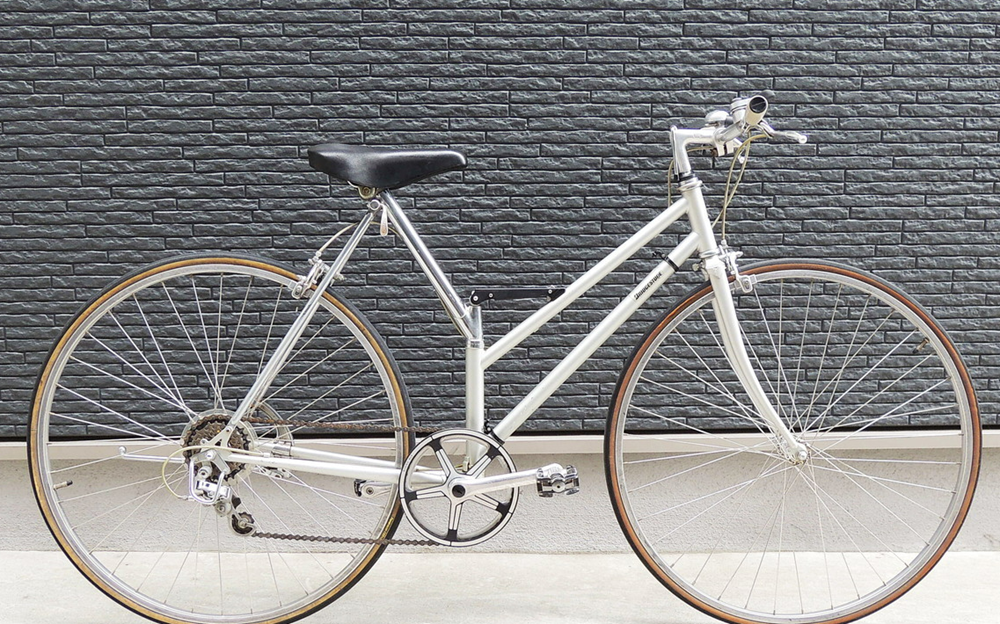
Hirose Mini-Velo Bicycle

Hirose Mini Velo
SPECIAL THANKS TO RENEHERSECYCLES.COM FOR THE IMAGES CONTAINED IN THIS ARTICLE.

The Legacy and Craftsmanship of Hirose Bicycles

Hirose bicycles, founded by the legendary Japanese frame builder Hiroshi Hirose, are renowned for their custom craftsmanship and meticulous attention to detail.

Established in the 1970s, the brand quickly became aJapanese Steel classic bicycle design from Japan symbol of artistry in the world of cycling. Hirose, a master of steel frame construction and bicycle frame building, was known for his ability to tailor each bespoke bicycle to the exact specifications of its rider.

Hirose bicycle

Over the years, Hirose bicycles have gained a cult following among cycling enthusiasts, especially for their unique and often unconventional designs, such as the mini-velo, randonneur, and touring bikes.

The brand’s commitment to high-quality materials and bicycle innovation has made Hirose bicycles a treasured name in the history of Japanese cycling. They embody a blend of tradition, craftsmanship, and a deep passion for the art of bicycle making.

The Art of the Hirose Mini-Velo

The Hirose Mini-Velo isn’t just a bike; it’s a work of art on two wheels. With its compact design and meticulously crafted components, it embodies the spirit of Japanese quality.

Hirose craftsmanship

This compact bike is a marvel of bicycle engineering, balancing form and function in a way that few other bikes can. Every detail, from the sleek lines to the hidden cable routing, reflects a deep understanding of both bicycle aesthetics and performance bike design.

How are your brake cables and pads? Click here for the best prices!

Hirose bicycles are designed to be ridden, not just admired, and the Mini-Velo is a perfect example of this philosophy. Whether it’s the small wheel bike’s nimble handling or the smooth shifting of its innovative derailleur system, the Hirose Mini-Velo is built to deliver an exceptional cycling experience.

Perfect for City and Trail

Mini-Velo bikes are known for their smaller wheels, making them ideal for navigating tight spaces, whether in urban streets or narrow mountain trails.

As a city bike, the Hirose Mini-Velo excels in urban mobility, providing the responsiveness and agility needed for bike commuting. But what truly makes this handmade bike stand out is the attention to detail that Hirose brings to every custom build.

the hirose mini velo

The cables, for instance, are cleverly routed inside the frame tubes, a testament to Hirose’s innovative design solutions. This clean, uncluttered appearance not only enhances the bike’s aesthetics but also improves its bike handling and durability, making it a versatile choice for both city and off-road cycling.

Ingenious Design Features

One of the most fascinating features of the Hirose Mini-Velo is the crossed-over seatstays. At first glance, this might seem like a simple design choice, but it serves a dual purpose.

Additionally, not only does it provide structural integrity, but it also allows for the seamless routing of the brake system cable through the seat tube. This level of ingenuity is what makes Hirose bikes so special.

These unique bicycle designs are a reflection of Hiroshi Hirose’s willingness to embrace unconventional ideas. The Mini-Velo, with its innovative cable routing and compact frame, is a prime example of how Hirose’s artisanal bike craftsmanship leads to exceptional bike features and cycling performance.

Embracing Innovation

Hirose’s willingness to embrace unconventional ideas is legendary. Where other builders might shy away from a challenge, Hirose sees an opportunity for innovation.

The Mini-Velo is a testament to this mindset. It features unique elements like a rear derailleur cable that runs through the top tube, bypassing the bottom bracket for smoother shifting. These are the kinds of thoughtful details that set Hirose bikes apart from the rest.

Keep some spare batteries in your saddlebag

The Mini-Velo’s design not only reflects the classic bicycle design principles but also integrates modern bicycle trends, ensuring that it meets the demands of today’s cycling culture.

Hirose custom water bottle

In fact, this combination of timeless design and forward-thinking innovation is what makes the Hirose Mini-Velo an exclusive bicycle for bike enthusiasts who value both tradition and modernity.

The Riding Experience

Riding a Hirose Mini-Velo is an experience like no other. The bike’s smaller wheels and compact frame make it incredibly responsive, while the precise craftsmanship ensures a smooth, comfortable ride.

Whether you’re weaving through traffic or exploring off-the-beaten-path trails, the Mini-Velo handles it all with ease. This bike isn’t just about getting from point A to point B; it’s about enjoying every moment of the journey.

topeak smart gauge

The bike’s lightweight frame and carefully selected bike components contribute to its exceptional cycling performance. The Hirose Mini-Velo’s ability to handle a variety of bike routes, from bustling city streets to challenging mountain trails, makes it a versatile choice for cycling enthusiasts who demand both performance and style from their rides.

The Timeless Appeal of Hirose

The charm of the Hirose Mini-Velo lies in its ability to combine practicality with innovation. It’s a bike that challenges conventions while delivering exceptional performance. For those who appreciate the finer things in life, a Mini-Velo bicycle is more than just a mode of transportation—it’s a piece of history, a work of art, and a true companion on the road.

Mini velo

Owning a Hirose Mini-Velo means investing in a bicycle legacy that is built to last. The high-quality materials and craftsmanship ensure that each Hirose bike provides reliable performance for years to come. This timeless design makes Hirose bicycles not just tools for cycling, but heirlooms that can be cherished and passed down through generations.

Tailored Craftsmanship for Every Rider

One of the defining characteristics of a Hirose bicycle is the personalized approach to each build. Hirose-san doesn’t just create bikes; he crafts them with the individual rider in mind.

Hirose pump

This tailored approach means that no two bikes are exactly alike. Each hand-built bike reflects the unique needs and preferences of its owner, making it a truly bespoke bicycle.

Whether you’re looking for a commuter bike that can handle the hustle and bustle of city life or a versatile machine for weekend adventures, the Hirose Mini-Velo can be adapted to suit your lifestyle perfectly.

This level of bike customization is what makes Hirose bicycles stand out in a world where mass production often sacrifices individuality for efficiency.

A Legacy of Innovation

The legacy of Hirose bicycles is one of constant innovation. Over the years, Hirose has become synonymous with pushing the boundaries of what a bicycle can be.

The Mini-Velo is a prime example of this forward-thinking approach. From its unconventional cable routing to the custom-made components, every aspect of the Hirose Mini-Velo reflects a dedication to innovation.

This commitment to innovation is evident in the many unique features of the Mini-Velo, such as its internal cable routing and crossed-over seatstays. These design elements not only enhance the bike’s performance but also contribute to its distinctive appearance.  Thus, making it a standout choice for cycling enthusiasts who value both form and function.

Hirose: An Investment in Quality

After all, owning a Hirose Mini-Velo is more than just purchasing a bicycle; it’s an investment in quality. Each Hirose bike is built to last.  This is a result of their commitment to the highest standards of craftsmanship and materials. The attention to detail and the precision engineering that goes into every Hirose Mini-Velo.  This ensures that it will provide a lifetime of reliable performance.

If you enjoyed learning about this week’s featured bicycle, don’t miss out on some cycling information you can use and enjoy! Visit our website at pacelinebikes.com Plus, check out our YouTube channel, Bicycle Restoration Man, for detailed restoration videos and showcases of our finished projects. Subscribe and join our community of bike enthusiasts!

stinger waffle energy camelbak water bottle

We earn from qualified Amazon purchases with NO cost to you. ANY item that you need or were going to purchased anyway through any of our links, helps support this site. Thank you for your support!

Categories
Japanese Road Bikes

Timeless 3Rensho Super Record

3Rensho Super Record

3Rensho Super Record
SPECIAL THANKS TO BIKERECYCLERY.COM FOR THE IMAGES AND INFORMATION CONTAINED IN THIS ARTICLE

Introduction: A Rare Gem of Cycling History

This 3Rensho Super Record is this week’s “JapaneseJapanese Steel classic bicycle design from Japan Bicycle of the Week.” In the world of classic bicycles, few names evoke as much admiration as this near-mint bicycle. This model is not just any vintage bike; it stands as a crown jewel in an already illustrious lineup, embodying the rich 3Rensho history.

What makes this particular bike truly special is its history as a show bike. It once took center stage at Yellow Jersey, captivating onlookers with its pristine condition and unmatched cycling craftsmanship.

This bike is more than just visually stunning—it’s virtually untouched by time. With less than 200 miles on it, this 3Rensho remains in almost new condition, a rarity among collectible bicycles.

nice original paint on this super record

The original paint and decals are perfectly preserved, adding to its unique allure. There’s something magical about a bike that has stood the test of time without losing an ounce of its original charm, making it a true showpiece in the classic bike market.

This isn’t a mass-produced model. It’s a one-off custom,Pedal towards your dreams meticulously crafted to perfection, featuring a handmade bicycle frame that is a testament to the era’s master frame builders.

The frame of this Super Record combines elements from the SR Export model with unique features like fastback stays and under bottom bracket cable guides. The finely filed lugs are a testament to the masterful craftsmanship that defines 3Rensho.

The frame number, 9380086, adds another layer of intrigue. While it doesn’t fully reveal its secrets, it hints at a rich history waiting to be uncovered by a fortunate owner, adding to its collectible bike value.

ISHIWATA TUBING PAIRED WITH TANGE DROPOUTS

This bike isn’t just about the frame. The fully chromed fork with a semi-sloping crown and Tange steerer is another nod to its pedigree. The Shimano fork ends and Tange rear dropouts complement the Ishiwata lugged steel tubing, creating a frame that’s both beautiful and functional. It’s a bike built to last, yet one that’s been preserved as a rare bicycle model.

The Dura Ace 8-speed group, predominantly from the 7400 series with a few 7700 components, ensures that this bike isn’t just a looker but a high performer as well.

The brand-new San Marco Regal perforated leather saddle adds a touch of luxury, while the candy blue paint over a metallic base gives the bike an almost ethereal glow. Pictures can’t do justice to the depth and shine of this paintwork—it has to be seen in person to be truly appreciated.

The Origins of 3Rensho: A Legacy of Japanese Craftsmanship

The story of the 3Rensho Super Record begins with a visionary named Yoshi Konno, a figure revered among cycling enthusiasts.

In the early 1970s, Konno set out to create something extraordinary. He wasn’t interested in just building bicycles; he wanted to craft masterpieces. This drive led to the birth of 3Rensho, a brand that quickly became synonymous with excellence in the cycling world.

Konno’s journey started with Cherubim Cycles, a company he co-founded with his brother Hitoshi in 1973. But Yoshi’s ambitions stretched further. He wanted to build bikes that would not only perform at the highest levels but also stand as works of art.

So, he established 3Rensho, which translates to “three victories.” This name pays homage to a rare feat in Japanese Keirin racing—winning three consecutive races in qualifiers, semi-finals, and finals.

3Rensho quickly became a beacon of quality in the competitive world of handmade bicycles. Konno’s attention to detail and insistence on perfection attracted some of Japan’s finest frame builders. Among them were legends like Yamaguchi and Masahiko Makino, who honed their skills under Konno’s watchful eye.

These artisans were not just building bikes; they were crafting legacies. Their work with 3Rensho set a new standard, placing them on par with European giants like Cino Cinelli and Ugo De Rosa.

One-of-a-Kind Custom Build: A Closer Look at the Frame

The 3Rensho Super Record in question isn’t just any bike; it’s a custom-built masterpiece, a shining example of 1980s racing bikes that continues to capture the imagination of vintage bike preservation enthusiasts.

Every detail of this frame speaks to the exceptional craftsmanship that 3Rensho is renowned for. Let’s dive into what makes this particular Super Record truly one-of-a-kind.

First up are the fastback stays. Unlike the more common seat stay designs, these fastback stays are seamlessly integrated into the frame, giving it a sleek, almost aerodynamic appearance.

They hug the frame closely, reducing visual clutter and adding to the overall elegance of the bike. It’s a subtle detail, but one that truly sets this bike apart from others in its class.

BB Cable Guides

Then there are the under bottom bracket (BB) cable guides. This feature wasn’t widely used on 3Rensho frames until after 1987, making this particular model something of a rarity. These cable guides are not just functional; they’re a nod to the forward-thinking design ethos of 3Rensho.

By routing the cables under the bottom bracket, the bike maintains a cleaner look while also protecting the cables from dirt and debris. It’s a small, yet significant touch that showcases the innovative spirit behind the 3Rensho Super Record.

3rensho super record bottom bracket

But perhaps the most striking feature of this custom build is the finely filed lugs. Lugs, for those who might not know, are the joints that connect the different tubes of the frame. On this bike, they’re not just functional; they’re works of art.

Impeccable Lug Work

Each lug has been meticulously filed and shaped, creating smooth transitions between the tubes and enhancing the overall aesthetic. These lugs aren’t just about looks, though—they also contribute to the bike’s structural integrity, ensuring that it rides as beautifully as it looks.

Japanese bike brands

The fork on this Super Record is another standout element. Borrowed from the SR Export model, it features a semi-sloping crown and is fully chromed, adding a touch of brilliance to the bike’s appearance.

The Tange steerer and Shimano fork ends are indicative of the high-quality components used throughout the build. This isn’t just a fork; it’s a statement.

THE LIGHTWEIGHT ISHIWATA TUBING

The rear dropouts, also from Tange, are equally impressive. They’re robust yet elegant, designed to provide a secure connection while maintaining the bike’s overall aesthetic harmony.

super record dropouts

Paired with the Ishiwata lugged steel tubing, these dropouts contribute to a frame that’s not only beautiful but also incredibly strong and responsive.

Component Excellence: The Dura Ace 8-Speed Group

This bicycle isn’t just about stunning craftsmanship; it’s also a marvel of componentry. At its heart lies the Dura Ace 8-speed group, a blend of precision and reliability. This bike isn’t just made to be admired—it’s made to be ridden, and ridden hard, fitting perfectly into the collection of any serious cycling enthusiast.

The Dura Ace 7400 series is legendary. It was Shimano’s statement to the world that they could compete with, and even surpass, the best in the business. On this Super Record, the 7400 series forms the backbone of the drivetrain.

super record rear derailleur

Dura Ace RD-7402

The rear derailleur, a Dura Ace RD-7402, is a piece of engineering brilliance. It’s smooth, precise, and built to last. Paired with the Dura Ace FD-7400 front derailleur, shifting is crisp and reliable, whether you’re climbing steep hills or sprinting on flat roads.

The shifters, Dura Ace ST-7403, offer a tactile connection to the bike. These are no ordinary shifters—they’re a direct link to the bike’s soul. You feel every shift, every gear change, with a satisfying click that resonates with the quality of the build.

The brake set, also from the 7403 series, provides powerful stopping power with a finesse that inspires confidence. These components don’t just perform—they elevate the entire riding experience.

But the 3Rensho Super Record doesn’t stop at the 7400 series. It also incorporates elements from the 7700 series, pushing the bike into a realm of modern performance.

3rensho super record hubs

The Dura Ace 7700 hubs are a prime example. Smooth and fast, they keep the wheels spinning effortlessly, allowing you to focus on the ride. Paired with Mavic Open Pro SUP rims, these hubs are ready for anything the road throws at you.

Even the pedals are Dura Ace 7700, ensuring that every aspect of your interaction with the bike is top-tier. It’s a blend of old and new, classic and contemporary, that makes this bike truly special.

super record crankset

The crankset, a Dura Ace FC-7402 with 53/39t chainrings, offers the perfect balance of strength and efficiency. The 175mm crank arms provide excellent leverage, helping you power through tough climbs and accelerate with ease.

super record seatpost

And let’s not forget the Dura Ace SP-7410 seatpost, which holds the San Marco Regal saddle in place with rock-solid stability.

Conclusion: Why the 3Rensho Super Record is a Timeless Classic

The Super Record isn’t just a bike; it’s a masterclass in design, engineering, and craftsmanship. From the fastback stays and finely filed lugs to the under bottom bracket cable guides, every detail of this custom build speaks to a level of artistry that’s rare in today’s world.

It’s a bike that captures the essence of what makes 3Rensho legendary—innovation, precision, and an unwavering commitment to excellence.

Showroom Condition

This particular bicycle stands out not only for its unique features but also for its near-mint condition. With less than 200 miles on it, this bike has been preserved in a state that’s almost unheard of for a machine of its age. The original paint, decals, and components are a testament to the care it has received and the timeless quality of its construction.

Owning a 3Rensho Super Record is more than just owning a piece of cycling history—it’s owning a piece of art, a symbol of a bygone era where craftsmanship reigned supreme.

Yoshi Konno’s Vision

This bike is a living legacy of Yoshi Konno’s vision, a testament to the enduring appeal of 3Rensho, and a timeless classic that will continue to inspire and captivate for generations to come. Whether as a collectible or a rideable showpiece, it is a rare treasure in the world of classic road bikes.

More Bicycle Goodness

If you enjoyed learning about this week’s featured bicycle, don’t miss out on more bicycle goodness! Visit our other website at pacelinebikes.com for cycling information you can use and enjoy! Plus, check out our YouTube channel, Bicycle Restoration Man, for detailed restoration videos and showcases of our finished projects. Subscribe and join our community of bike enthusiasts!


We are an Amazon affiliate and earn from qualified Amazon purchases with no cost to you. This is for ANY product that you purchase through our links.

If you enjoyed learning about this week’s featured bicycle, don’t miss out on some cycling information you can use and enjoy! Visit our website at pacelinebikes.com Plus, check out our YouTube channel, Bicycle Restoration Man, for detailed restoration videos and showcases of our finished projects. Subscribe and join our community of bike enthusiasts!

Categories
Japanese Road Bikes

Discovering The Koga Miyata Full Pro-A

Discovering The Koga Miyata Full Pro-A

Koga Miyata full pro

The Koga Miyata is this weeks “Japanese Bicycle of the Week”.  The brand has long been synonymous with precision and craftsmanship. Founded in the 1970s, this iconic brand brought together Dutch cycling design and Japanese bike engineering excellence. A

As a result, Koga Miyata quickly became known for producing high-quality bicycles that pushed the boundaries of 1980s cycling technology and bicycle performance.

Every model they crafted seemed to tell a story ofJapanese Steel classic bicycle design from Japan dedication to the cycling craft, deeply embedded in cycling heritage.

One such story, indeed, is that of the FULL PRO-A, a bike that truly stands out in the Koga Miyata lineup.

The Allure of the FULL PRO-A Model as a Classic Racing Bike from the Mid-80s

The Full Pro-A

In the mid-80s, the FULL PRO-A captured the imagination of road cycling enthusiasts. This model wasn’t just another bike; it was a masterpiece of engineering and design, embodying the spirit of innovation that defined Koga Miyata during this era.

It became a significant part of the vintage bicycle market, admired by bike collectors for its rarity and performance.

Koga Miyata

What made the FULL PRO-A particularly special was its aerodynamic bike design. The “A” in FULL PRO-A stands for Aero, reflecting the bike’s focus on cutting through the wind with minimal resistance.

This was a time when aerodynamics were becoming a buzzword in the cycling world, and Koga Miyata was at the forefront of this trend. However, the FULL PRO-A wasn’t just about speed.

It was also about elegance, craftsmanship, and the pure joy of riding a machine that felt like an extension of the rider, perfectly blending classic bike aesthetics with modern cycling culture.

Riders who were lucky enough to own a Koga Miyata FULL PRO-A in the 80s knew they had something special. The bike was revered not only for its high-speed cycling performance but also for its stunning aesthetic.

The fully chrome-plated frame glistened under the sun, and the sleek lines of the design drew admiring glances wherever it went. It was a bike that made a statement, both on the road and in the competitive cycling community.

The allure of the FULL PRO-A has not diminished over time. In fact, it has only grown stronger. Today, vintage racing bike enthusiasts and bike collectors seek out the FULL PRO-A for its blend of performance and beauty.

It’s a bike that represents an era of cycling where innovation and craftsmanship were paramount.

Consequently, owning a Koga Miyata FULL PRO-A isn’t just about having a piece of Koga Miyata history; it’s about experiencing the legacy of a bike that continues to inspire and captivate, decades after it first hit the road.

Koga Miyata

The Birth of Aero: What Does the “A” in FULL PRO-A Stand For?

The “A” in FULL PRO-A stands for Aero, a nod to the bike’s aerodynamic focus. During the early 80s, aerodynamics became a significant trend in cycling. Manufacturers were eager to create competitive road bikes that cut through the wind with less resistance.

This push for speed and efficiency drove innovation in old school bike technology. Koga Miyata, always ahead of the curve, embraced this challenge with their lightweight frame designs.

Koga Miyata’s engineers didn’t just tweak existing designs; they reimagined what a racing bike could be. They integrated the latest aerodynamic concepts into the FULL PRO-A, blending steel frame bicycles with modern aerodynamic principles.

A Totally New Design

This meant more than just a sleek frame. It involved rethinking the bike’s entire structure. From the positioning of the cables to the angle of the tubes, everything was designed to reduce drag, showcasing Koga Miyata’s dedication to custom bike builds that cater to performance-driven cyclists.

Shimano Dura Ace AX: A Group Set Ahead of Its Time

The Shimano Dura Ace AX groupset was revolutionary. Introduced in the early 80s, it marked a new era for classic bike components. Shimano aimed to create a groupset that would not only enhance bicycle performance but also set a new standard in design. The result was something truly special, often revered in cycling memorabilia for its impact on the sport.

Moreover, the Dura Ace AX group set was visually striking. The sleek, polished finish wasn’t just for show. It represented a commitment to both form and function. Riders could feel the difference, too.

The smooth shifting and responsive braking set the Dura Ace AX apart from its competitors. Even though it didn’t achieve widespread commercial success, it still left a lasting impact on the cycling world, influencing future designs in retro cycling gear.

One of the main focuses of the Dura Ace AX was aerodynamics. Every component was carefully crafted to reduce drag. This wasn’t just about making the bike faster; it was about rethinking how each part interacted with the air.

Koga Miyata Top Of The Line Components

The crankset, brakes, and even the derailleur were shaped to minimize wind resistance. Shimano’s engineers understood that every second counted in competitive cycling. Therefore, they pushed the boundaries of what was possible, contributing significantly to the evolution of rare bicycle models like the FULL PRO-A.

The Koga Miyata FULL PRO-A was one of the few iconic racing bikes to feature this innovative groupset. This choice further emphasized the bike’s focus on cutting-edge technology.

The Dura Ace AX and the FULL PRO-A were a perfect match. Both were designed for speed and precision, making them ideal for serious cyclists. Together, they represented the pinnacle of cycling innovation in the 80s.

The Frame: Fully Chrome-Plated Perfection

The frame of the Koga Miyata FULL PRO-A is a true work of art. At first glance, the fully chrome-plated finish immediately captures your attention. This isn’t just any frame; it’s a masterpiece crafted with precision.

CHROME PLATING

The chrome plating wasn’t merely about aesthetics, though. It provided durability and protection against the elements, a testament to the exceptional bike craftsmanship that Koga Miyata is known for. This ensured that the bike could withstand the rigors of racing while maintaining its stunning appearance.

Moreover, the chrome finish gave the FULL PRO-A an unmistakable shine. Whether in sunlight or under city lights, the frame glistened, turning heads wherever it went.

But the beauty of the frame went beyond its surface. Koga Miyata engineered it to be lightweight and aerodynamic, making it perfect for high-performance bicycles in competitive cycling.

Every detail of the frame was meticulously designed. The tubing was sleek and thin, reducing weight without sacrificing strength. The internal cable routing was another standout feature.

Koga Miyata

This not only enhanced the bike’s aerodynamics but also gave it a clean, uncluttered look, appealing to those who appreciate classic bike aesthetics. The cables were hidden away, allowing the smooth lines of the frame to stand out even more.

The geometry of the frame also played a crucial role in its performance. It was designed for speed, with angles and proportions optimized for racing.

The frame’s stiffness ensured efficient power transfer, allowing riders to push harder and go faster. At the same time, it offered enough compliance to absorb road vibrations, providing a smoother ride, which was essential for long-distance cycling.

In addition, the chrome plating wasn’t just a superficial coating. It was applied with care, ensuring a long-lasting finish that resisted wear and corrosion. This made the FULL PRO-A not only beautiful but also resilient.

Decades later, many of these frames still look as stunning as the day they were made, making them prized finds in retro bike restoration and the vintage bicycle market.

Catalog Accuracy: A Build True to Its Origins

The Koga Miyata FULL PRO-A is more than just a vintage racing bike; it’s a near-perfect replica of its original 1984/1985 catalog specifications.

Important Attention To Detail

This attention to detail is what makes the bike truly special. Enthusiasts and collectors alike appreciate the dedication to authenticity that Koga Miyata has shown in maintaining the bike’s integrity, which is a significant part of Koga Miyata history.

CLICK HERE

The current build of the FULL PRO-A stays remarkably true to its origins. Nearly every component mirrors what you would have found in the mid-80s.

From the Shimano Dura Ace AX groupset to the Wolber Profile 18 rims, each part has been carefully selected to match the original catalog. This adherence to the original design isn’t just about nostalgia; it’s about preserving the bike’s performance characteristics as they were intended.

Moreover, the chrome-plated frame, which we’ve already discussed in detail, remains a standout feature. It continues to embody the same sleek, aerodynamic principles that made it revolutionary in the first place.

koga miyata

INTERNAL CABLE ROUTING

The fully internal cable routing, another hallmark of the original design, is faithfully preserved. This not only maintains the bike’s clean, uncluttered look but also enhances its aerodynamic efficiency, crucial for maintaining the bike’s reputation among competitive cyclists.

Even the Concor Profile saddle, a key component for rider comfort, has been kept in line with the original build. The choice of materials and design reflects the high standards Koga Miyata set in the 80s.

The FULL PRO-A was designed for speed and endurance, and these characteristics are evident in the bike’s current build, which appeals to those involved in classic bike restoration and retro bike restoration projects.

However, there are a few minor deviations from the catalog. The bike now features Ritchey tires instead of the original Wolber Record Route. While this is a small change, it’s one that some purists might notice.

CHRISTOPHE PEDAL STRAPS

Additionally, Christophe pedal straps have replaced the original Koga Miyata straps. These changes, while minor, do not detract from the bike’s overall authenticity. In fact, they can be seen as subtle updates that keep the bike functional while staying true to its heritage, making it a desirable option for road cycling enthusiasts and bike collectors.

Starting with the gears, the Dura Ace AX system offered smooth, precise shifting. In an era when split-second changes in gear could make or break a race, this precision was invaluable.

Shimano designed the gears with aerodynamics in mind, ensuring that every shift was both efficient and lightning-fast. This attention to detail meant that riders could maintain their momentum without unnecessary drag or resistance, a critical factor in bicycle performance.

The brakes, too, were a marvel of engineering. Shimano’s Dura Ace AX brakes were not just powerful; they were also lightweight. This combination was rare in the 80s, where power often came at the cost of added weight.

However, with the FULL PRO-A, you got the best of both worlds. The brakes provided strong, reliable stopping power while keeping the bike light and nimble. This balance made the FULL PRO-A a top choice for serious competitors in the realm of competitive cycling.

The crank, another key component, was designed to maximize pedal efficiency and power transfer. Every pedal stroke translated directly into forward momentum.

The Dura Ace AX crankset was stiff yet lightweight, ensuring that no energy was wasted. Cyclists could push hard, knowing that the FULL PRO-A would respond instantly. This level of responsiveness was essential for high-speed cycling.

The Shimano Dyna Drive pedal system was another innovative feature of the Koga Miyata FULL PRO-A, reflecting Shimano’s continuous drive to push the boundaries of cycling technology.

Introduced in the early 1980s alongside the Dura Ace AX groupset, the Dyna Drive pedals were designed with a focus on improving pedaling efficiency and rider ergonomics, and they quickly became a hallmark of advanced cycling design.

SHIMANO DYNA DRIVE PEDALS

Unlike traditional pedals, which typically place the pedal axle below the ball of the foot, the Dyna Drive system positioned the axle directly under the foot. This design allowed for a lower center of gravity and a more direct transfer of power from the rider to the bike.

By lowering the rider’s foot by a few millimeters, the Dyna Drive pedals provided a more efficient power transfer, which, in theory, reduced energy loss during pedaling. This subtle change was aimed at maximizing the rider’s output, especially during intense sprints or long climbs.

Lower Profile Pedaling

Moreover, the Dyna Drive pedals were larger in diameter than standard pedals, which contributed to a more stable and comfortable platform for the rider’s foot. This increased stability was particularly beneficial for competitive cyclists, as it allowed for a more consistent pedal stroke and reduced the likelihood of foot fatigue during long rides.

The design also meant that riders could maintain a more consistent cadence, as the efficient power transfer helped to smooth out the pedaling motion.

Shimano’s Dyna Drive Pedal System

However, the Dyna Drive system wasn’t without its challenges. The unique design required special shoes with recessed cleats, which limited its widespread adoption. Despite this, the Dyna Drive system remains a fascinating example of Shimano’s innovative approach to cycling technology.

While it didn’t become a mainstream success, it showcased Shimano’s willingness to experiment with new ideas and push the envelope of what was possible in cycling equipment.

The Saddle and Rims: Comfort Meets Speed

The Koga Miyata FULL PRO-A was not just about speed; it was also designed with rider comfort in mind. This balance is perfectly embodied in the choice of the Concor Profile saddle. The Concor Profile was a favorite among professional cyclists in the 80s, and for good reason.

Its sleek design provided ample support without sacrificing comfort. The saddle’s shape was specifically tailored to reduce pressure on sensitive areas, allowing riders to maintain a comfortable position even on long rides.

The Concor Profile Saddle

Moreover, the Concor Profile was known for its lightweight construction. This was crucial for a racing bike like the FULL PRO-A, where every gram counted. Despite its minimal weight, the saddle didn’t compromise on durability.

It was built to withstand the rigors of competitive cycling, making it the perfect choice for those who demanded both performance and comfort.

WOLBER PROFILE RIMS

In addition to the saddle, the Wolber Profile 18 rims played a key role in enhancing the bike’s aerodynamics and performance. These rims were designed with a focus on reducing wind resistance, a critical factor in maintaining high speeds.

The Profile 18 rims were not only lightweight but also incredibly strong, ensuring that they could handle the demands of competitive racing.

Koga Miyata Aerodynamic Profile

The rims’ aerodynamic profile helped to minimize drag, allowing the bike to slice through the air with ease. This design was especially important in time trials and sprints, where even a small reduction in drag could make a significant difference.

Koga Miyata

Furthermore, the Wolber Profile 18 rims provided excellent stability, giving riders the confidence to push their limits without worrying about the bike’s handling.

Great Combination

Together, the Concor Profile saddle and Wolber Profile 18 rims created a harmonious blend of comfort and speed. The saddle ensured that riders could maintain a comfortable, efficient posture, while the rims maximized the bike’s aerodynamic potential.

This combination made the Koga Miyata FULL PRO-A not just a fast bike, but a bike that could be ridden hard for hours on end without compromising rider comfort.

The Lasting Legacy of the KOGA MIYATA FULL PRO-A

The Koga Miyata FULL PRO-A is more than just a bike; it’s a symbol of innovation in cycling. When it was introduced in the mid-80s, it set new standards for design and performance. Decades later, its influence is still felt in the cycling world. This bike wasn’t just ahead of its time; it helped shape the future of racing bicycles.

AERODYNAMIC DESIGN

First, the FULL PRO-A’s aerodynamic design was revolutionary. At a time when aerodynamics was just becoming a key focus in cycling, Koga Miyata was already perfecting it. The sleek, chrome-plated frame and internal cable routing were more than just aesthetic choices.

They were calculated decisions aimed at reducing drag and maximizing speed. This focus on aerodynamics paved the way for modern bike designs that prioritize efficiency and performance.

Moreover, the integration of the Shimano Dura Ace AX components showcased a commitment to cutting-edge technology. Although the AX groupset didn’t become a commercial success, it left a lasting mark on how components are designed.

REDUCED WIND RESISTANCE

The emphasis on reducing wind resistance and enhancing power transfer influenced the development of future groupsets. Even today, many of the ideas first explored in the AX series continue to inspire modern component design.

Koga Miyata Technical Innovations

In addition to its technical innovations, the FULL PRO-A also left a mark through its impeccable craftsmanship. Every detail of the bike, from the Concor Profile saddle to the Wolber Profile 18 rims, was carefully chosen to create a harmonious blend of comfort and speed.

This attention to detail set a standard for what a high-performance bike should be. It wasn’t just about going fast; it was about creating a ride that felt perfect in every way.

As we look back, the legacy of the Koga Miyata FULL PRO-A is undeniable. It represents a time when cycling was on the cusp of modern innovation, yet still deeply rooted in tradition. The FULL PRO

-A bridged that gap, combining the best of both worlds. It remains a beloved icon among vintage bike enthusiasts, not just for its performance, but for the role it played in the evolution of racing bikes.

Enjoy More Cycling and Bicycle Features

If you enjoyed learning about this week’s featured bicycle, don’t miss out on more bike goodness! Visit our website at pacelinebikes.com for cycling information you can use and enjoy. Plus, check out our YouTube channel, Bicycle Restoration Man, for detailed restoration videos and showcases of our finished projects. Subscribe and join our community of bike enthusiasts!

stinger waffle energy camelbak water bottle

We earn from qualified Amazon purchases with NO cost to you. ANY item that you need or were going to purchased anyway through any of our links, helps support this site. Thank you for your support!

Categories
track bicycle

Nambei Keirin Bicycle

Nambei Keirin Bicycle

Nambei Keirin Bicycle
SPECIAL THANKS TO JAPAN HANDMADE BICYCLES AND CYCLESPEUGEOT FOR THE IMAGES AND INFORMATION CONTAINED IN THIS ARTICLE!

The Nambei Keirin Bicycle is this weeks “Japanese Bicycle of the Week”. Nambei Keirin Bicycles have carved a unique niche in the world of cycling. Important to note, they are known for their exceptional craftsmanship and rich history. Consequently, these bikes are a symbol of quality and tradition. With their roots deeply embedded in Japan’s competitive cycling scene, Nambei Keirin Bicycles have become a favorite among enthusiasts and collectors alike.

History of Nambei Keirin Bicycle

Nambei Keirin Bicycles trace their origins back to the establishment of Bicycle Shop Nambei by Mr. Satoshi Fujii.  As a result, the shop quickly gained a reputation for producing high-quality frames, and over the years, it has become a cornerstone of the cycling community in Fukuoka city. Mr. Fujii’s dedication to craftsmanship and his disdain for the frivolous bicycle boom of recent years have kept the Nambei brand true to its roots.

Keirin Bicycle

Design and Features

Nambei Keirin Bicycles are renowned for their impeccable design and high-quality materials. Each frame is carefully crafted to ensure the perfect balance between strength and weight. The bicycle geometry of the frames is designed to provide a smooth, responsive ride, making them ideal for both competitive and recreational cycling. The components and bike accessories used in Nambei bicycles are selected with great care, ensuring that each bike meets the highest standards of performance and durability.

Craftsmanship and Quality

The craftsmanship that goes into each Nambei Keirin Bicycle is truly exceptional. Hand-built with precision, these frames are a testament to the skills and dedication of their builders. Mr. Hiroaki Nagino, a former professional Keirin athlete, has been learning the art of frame building from Mr. Fujii since 2006. Together, they create frames that are not only functional but also works of art. Their attention to detail is evident in every weld and every curve of the frame.

Nambei Keirin Bicycle

Nambei Keirin Bicycle in Competitions

Nambei Keirin Bicycles have a storied history in competitive cycling. One of the most notable achievements came in 1987 when Harumi Honda rode a Nambei frame to victory at the World Championship. This triumph earned Nambei the right to use the prestigious Arc-en-Ciel (rainbow color) stripe, a symbol of the World Championship, making it one of only three frames in Japan with this honor. This achievement underscores the performance and reliability of Nambei bicycles in high-stakes cycling competitions.

Collectibility and Value

Nambei Keirin Bicycles are highly sought after by collectors and bike enthusiasts. Their limited production and exceptional quality make them a valuable addition to any collection. The investment potential of these bikes is significant, as they tend to appreciate in value over time. Market trends indicate a growing interest in vintage and high-quality Japanese bicycles, making Nambei Keirin Bicycles a wise investment for those looking to combine their passion for cycling with financial gain.

Famous Riders and Their Nambei Bicycle

Over the years, several notable Keirin cyclists have chosen Nambei bicycles for their races. Harumi Honda is perhaps the most famous, thanks to his World Championship victory. His success on a Nambei frame has inspired many other riders to trust this brand for their competitive needs. The stories and achievements of these cyclists highlight the performance and reliability of Nambei Keirin Bicycles.

Modern Innovations and Technology

While Nambei Keirin Bicycles are deeply rooted in tradition, they are not averse to modern innovations. Recent advancements in design and frame materials have been incorporated into their frames to ensure they remain competitive in today’s cycling world. These innovations enhance the performance and durability of the bikes without compromising their classic aesthetic and Japanese craftsmanship. Nambei’s ability to adapt to the future while maintaining its heritage is a key factor in its enduring appeal.

Mr. Koji. Fujii who was a younger brother of Mr. Satoshi. Fujii.

Community and Culture

The Nambei Keirin Bicycle community is a vibrant and passionate group of enthusiasts.  In fact, this community extends beyond Japan.  Moreover, their fans and collectors are worldwide. Events and gatherings centered around Nambei bicycles foster a sense of camaraderie and shared appreciation for these exceptional bikes. The Nambei shop in Fukuoka city, is managed by Mr. Koji Fujii.  The leadership is provided by Mr. Nagino.  For this reason, the store continues to be a hub for this community, attracting visitors from all over who come to experience the special atmosphere of Nambei.

LEARN MORE

Maintenance and Care Tips

To keep your Nambei Keirin Bicycle in top condition, regular maintenance is essential. Clean the frame, check the tire pressure, and lubricate the chain to preserve performance and appearance. Address issues promptly to prevent them from escalating. If you’re less experienced, seek advice from a professional to keep your Nambei bicycle in peak condition for years.

Nambei Keirin Bicycles showcase the rich history and craftsmanship of Japanese cycling. Interesting to note, the company blends tradition and modern innovation, resulting in high-performance bikes.  In fact, these bikes offer a unique and rewarding experience for riders and collectors alike.

The Nambei legacy, from its origins with Mr. Satoshi Fujii to its current stewardship by Mr. Hiroaki Nagino and Mr. Koji Fujii, continues to thrive.  For this reason, the company looks forward to a bright future for this iconic brand. Whether you’re a competitive cyclist, a casual rider, or a collector, a Nambei Keirin Bicycle is a treasure worth cherishing.

If you enjoyed learning about this week’s featured bicycle, don’t miss out on some cycling information you can use and enjoy. Visit our website at pacelinebikes.com for an extensive collection of articles on training, maintenance and more. Plus, check out our YouTube channel, Bicycle Restoration Man, for detailed restoration videos.  Moreover, see our finished projects. Subscribe and join our community of bike enthusiasts!

LEARN MORE
 

LEARN MORE

We earn from qualified Amazon purchases with NO cost to you. ANY item that you need or were going to purchased anyway through any of our links, helps support this site. Thank you for your support!