Categories
Japanese Road Bikes

The Men Who Brought Japanese Bikes to the Bike Boom Era: Innovators, Importers, and Legacy

The Men Who Brought Japanese Bikes to the Bike Boom Era

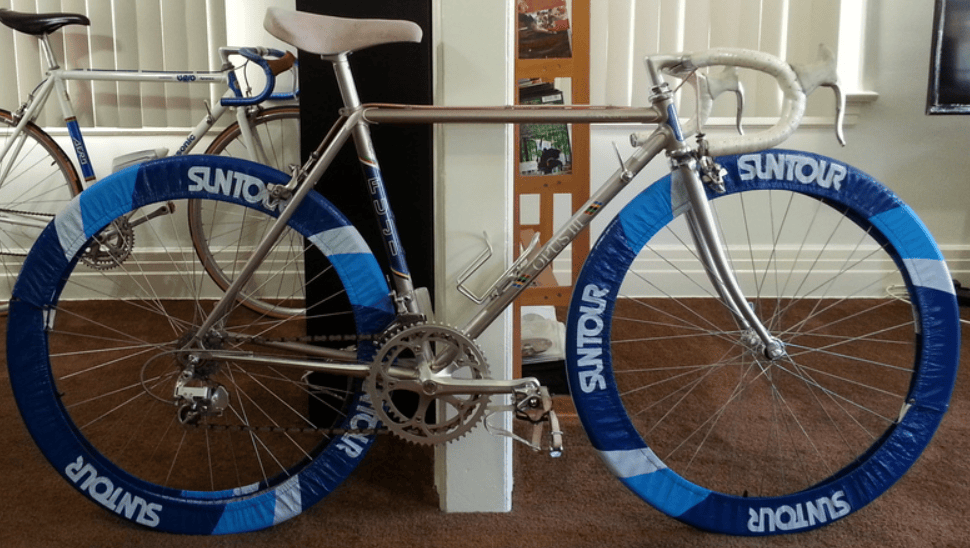
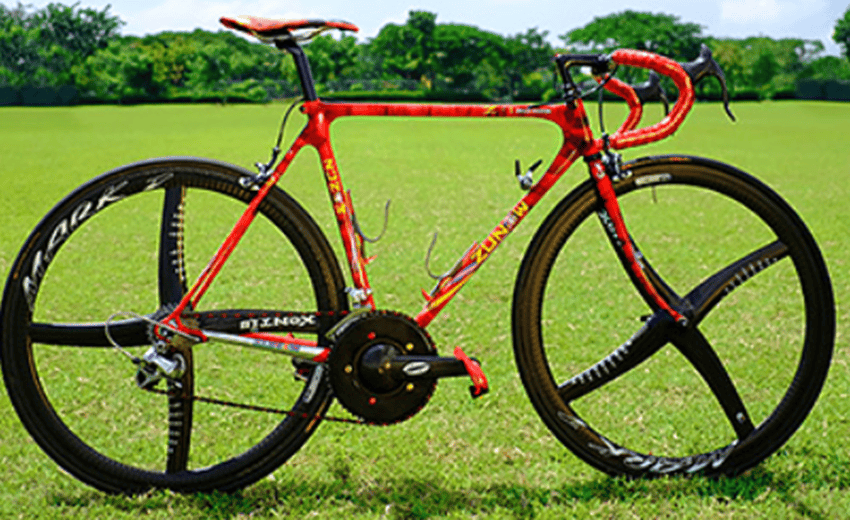
Zunow Japanese Bikes

The 1970s bike boom saw a surge in demand forJapanese Steel classic bicycle design from Japan affordable, high-performance bicycles in the U.S. Amid declining European quality and rising costs, visionary importers turned to Japan-a decision that reshaped the cycling industry. This article explores the pioneers who introduced Japanese bikes to America, leveraging Japan’s manufacturing prowess to create iconic brands like Nishiki, Univega, and Centurion.

Howie Cohen: West Coast Cycle and the Birth of Nishiki

Howie Cohen and his Japanese Bikes
Howie Cohen on the left with Yukio Kawamura

Howie Cohen, a second-generation bike entrepreneur, pioneered the import of premium Japanese bikes during the bike boom. Frustrated by Europe’s inconsistent quality, Cohen partnered with Kawamura Cycles in Japan to produce the first high-end Japanese bicycles for the U.S. market.

Key Contributions:

  • Launched the American Eagle brand in 1966, later rebranded as Nishiki (meaning “wedding kimono brocade”) to capitalize on Japan’s reputation for precision.

  • Collaborated with Japanese manufacturers like Shimano and Sugino to develop durable components, setting new standards for affordability and quality.

ET Japanese bikes

  • Later pivoted to BMX, supplying parts for Spielberg’s E.T. and popularizing brands like Kuwahara.

Cohen’s work laid the foundation for Japan’s dominance in the global cycling industry.

Ben Lawee: From Motobecane to Univega

Ben Lawee and Japanese bikes

Ben Lawee, a New York immigrant and cycling visionary, recognized the potential of Japanese bikes early. After distributing European brands like Motobecane, he shifted focus to Japan to address supply chain issues and rising costs.

Key Contributions:

  • Created Italvega (Italian-made) but transitioned to Univega after partnering with Miyata in Japan, blending Italian design with Japanese craftsmanship.

  • Introduced innovative color schemes and component choices (e.g., Suntour derailleurs) that made Univega bikes stand out in the mid-price market.

  • Launched the Alpina Sport, one of the first mass-produced mountain bikes, rivaling Specialized’s Stumpjumper.

Lawee’s emphasis on value and aesthetics helped Japanese bikes compete with European rivals.

Sid and Ernst Star: Crafting Lotus Bikes

Lotus Japanes bikes
ERNST STAR WITH DAUGHTER

Sid Star and his son Ernst elevated Japanese bikes through their brand Lotus. Dissatisfied with Mexican manufacturing, they partnered with Japan’s Tsunoda factory to produce lightweight, durable frames.

Key Innovations:

  • Designed the Lotus Odyssey touring bike with Columbus tubing and brazed-on fittings, ideal for long-distance cycling.

  • Collaborated with Cinelli to create high-end road bikes like the Cinelli-designed Lotus, featuring Campagnolo components.

  • Expanded into BMX with the Cobra series, appealing to younger riders during the bike boom.

Lotus Supreme Japanese bikes

Despite financial hurdles, Lotus became synonymous with innovation in Japanese bikes.

Mitchell Weiner: Centurion and the Shift to Taiwan

Centurion Japanese bikes

Mitchell Weiner, a Romanian immigrant, stumbled into the bike industry after Raleigh canceled a large order. He rebranded the surplus bikes as Centurion, named after the novel The New Centurions.

Key Achievements:

  • Partnered with Japan’s H. Tano factory to produce Centurion’s early models, praised for their reliability and low maintenance.

Centurion Cinelli Equipe Japanese bikes

  • Launched the Centurion Cinelli Equipe (1985), a rare Italian-Japanese hybrid now highly collectible.

  • Pivoted to Taiwanese manufacturing in the 1980s as yen fluctuations made Japanese production costly.

Weiner’s adaptability kept Centurion relevant despite economic challenges.

Why Japanese Bikes Dominated the Bike Boom

Factor Impact on Success Example Brands
Cost Efficiency Lower production costs vs. Europe Nishiki, Univega
Quality Control Precision engineering and durable components Centurion, Lotus
Innovation Hybrid designs (Italian/Japanese) Centurion Cinelli Equipe
Market Timing Rising demand for affordable performance Nishiki Olympic, Univega Alpina

Legacy of Japanese Bikes Today

Though the 1980s yen crisis shifted production to Taiwan and China, Japanese bikes from the bike boom remain cherished by collectors. Brands like Nishiki and Centurion symbolize a golden era of innovation, blending Japanese craftsmanship with global design.

Howie Cohen Ben Lawee

By honoring these pioneers, we celebrate how Japanese bikes transformed cycling from a niche hobby into a global phenomenon.

muc off tubeless repair capsule Muc Off ultimate cleaning kit

We are an Amazon affiliate and earn from qualified Amazon purchases with no cost to you. This includes ANY item you purchase through our links.

If you enjoyed learning about this week’s featured bicycle, don’t miss out on some cycling information you can use and enjoy! Visit our website at pacelinebikes.com Plus, check out our YouTube channel, Bicycle Restoration Man, for detailed restoration videos and showcases of our finished projects. Subscribe and join our community of bike enthusiasts!

Categories
Japanese Road Bikes

Discovering the Legendary 1977 Araya Micro Hurry

1977 Araya Micro Hurry

Araya Micro Hurry
SPECIAL THANKS TO THE PEDALROOM.COM FOR THE IMAGES CONTAINED IN THIS ARTICLE!

When you first spot the Araya Micro Hurry, you mightJapanese Steel classic bicycle design from Japan think it’s a child’s toy. However, this remarkable small-wheeled bicycle from 1977 actually represents one of Japan’s most innovative cycling achievements. Furthermore, despite its tiny appearance, this unique creation featured top-tier components and exceptional craftsmanship.

The Story Behind This Remarkable Creation

Araya saddle

Initially, Araya Rinkai introduced the Micro Hurry in 1977 almost as a design joke. Subsequently, this playful concept transformed into a serious production model. The Japanese manufacturer Araya, which had been crafting bicycle parts since 1903, originally started with wooden rims. Then, they boldly experimented with this unconventional design.

Araya wheels

The company produced three different sizes: 12″, 14″, and 16″ wheel diameters. Surprisingly, the original price tag reached ¥39,800 in 1977, which equals about $994 today. Consequently, this positioned the Micro Hurry as a premium specialty bicycle rather than a budget novelty.

“Grab top-rated cycling gear from trusted brands – bestselling helmets, lights, locks, and accessories that serious riders swear byShop Now & Join 50,000+ ➡️ Riders Who Already Upgraded Their Ride!”

Today, collectors eagerly seek these distinctive bicycles at auctions and specialized marketplaces. Additionally, Araya’s influence continues through their 2023 release, the “ARAYA MICRO SWALLOW MC16.” This modern version maintains the original spirit while introducing improved geometry.

Understanding the Technical Excellence

Araya headset

The Micro Hurry’s foundation consists of a full chromolyPedal towards your dreams lugged frame. Despite the compact size, manufacturers used the same high-quality materials found in full-sized racing bicycles. Moreover, the frame features pursuit geometry with steep angles, typically associated with track racing bikes.

For the 12″ model, the proportions appear almost comical. The chainring diameter nearly matches the wheel size itself. Meanwhile, the 16″ version specifications include:

  • Center-to-center measurement: 390mm
  • Wheelbase: 730mm

These ultra-compact dimensions required careful engineering to maintain proper balance. Furthermore, the precision-crafted lugged joints showcase the exceptional construction quality throughout the frame and fork assembly.

Araya handlebars

The 2023 reissue reveals that engineers addressed certain original design limitations. Previously, the “super-short wheelbase” and “peculiar angle configuration” made the bicycle somewhat rear-heavy. However, modern improvements have optimized the weight distribution while preserving the original character.

Impressive Components for a Tiny Package

Araya top tube

Although the Micro Hurry appeared toy-like, its components told a different story. The drivetrain featured premium parts including:

  • Sugino 49-tooth chainring (110mm bolt circle)
  • 18-tooth Suntour cog
  • Sugino Idol cranks measuring just 130mm

These shorter cranks accommodated the reduced frame size perfectly. Additionally, the gear ratio compensated for the small wheel diameter, enabling practical riding speeds.

“Professional bike work stands built for home mechanics and every budget! – stable, adjustable, and portable repair stations trusted by shops worldwide – Shop Now & Transform Your Garage into a Pro Workshop!”  ➡️

The wheels combined Ukai 12″ rims with Sunshine hubs using 20-spoke lacing. Then, manufacturers wrapped them in Deli Swallow gumwall tires, creating a period-authentic appearance. For braking, Dia Compe classic brakes provided reliable stopping power.

The cockpit setup included a Nitto Tecnomic stem paired with traditional drop handlebars. Meanwhile, a Brooks Swift saddle in honey color added both comfort and style. Other period-correct accessories included a Cat Eye bell and reflector.

Some modern enthusiasts convert these bicycles to fixed-gear configurations. However, they maintain the vintage aesthetic by using period-appropriate replacement parts.

The Unique Riding Experience

Araya gear ratio

Riding the Micro Hurry creates an unforgettable experience. The small wheels deliver quick acceleration and agile handling. However, stability becomes somewhat compromised compared to standard bicycles. The 49:18 gear ratio helps compensate for the reduced wheel circumference, allowing reasonable cruising speeds.

Modern riders report excellent initial acceleration since small wheels require less effort to start moving. Nevertheless, these compact wheels make the bicycle more sensitive to road imperfections. Additionally, encountering obstacles or rough terrain presents greater challenges than with conventional wheel sizes.

The pursuit geometry enhances responsiveness but creates a somewhat nervous feel. Therefore, riders accustomed to relaxed frame angles might need adjustment time. Despite these characteristics, the overall riding experience remains enjoyable and distinctive.

Lasting Cultural Impact and Modern Influence

Araya brakes

The Micro Hurry represents more than just technical specifications. Instead, it symbolizes Japanese bicycle innovation during the 1970s. Furthermore, this creation challenged conventional ideas about adult bicycles while maintaining exceptional build quality.

The bicycle’s influence extends into today’s “minivelo” movement. These modern small-wheeled adult bicycles owe much to Araya’s pioneering design. Additionally, the 2023 reissue demonstrates continued market interest in compact, high-quality bicycles.

Collectors prize these distinctive machines as conversation pieces and functional art. Moreover, the Micro Hurry bridges novelty and serious engineering, creating something truly unique in cycling history.

A Timeless Design Innovation

Araya right side

The 1977 Araya Micro Hurry stands as testimony to creative bicycle design. Although initially conceived as an experimental concept, it evolved into an iconic machine. The combination of premium materials, innovative geometry, and quality components created something special.

Today, whether displayed in collections or ridden on streets, these remarkable bicycles continue inspiring admiration. Ultimately, the Micro Hurry proves that exceptional engineering can transform even the most unconventional ideas into lasting classics.

Muc Off cleaning kit Muc off tubeless repair capsule

We are an Amazon affiliate and earn from qualified Amazon purchases with no cost to you.

If you enjoyed learning about this week’s featured bicycle, don’t miss out on some cycling information you can use and enjoy! Visit our website at pacelinebikes.com Plus, check out our YouTube channel, Bicycle Restoration Man, for detailed restoration videos and showcases of our finished projects. Subscribe and join our community of bike enthusiasts!

Categories
Japanese Road Bikes

Panasonic NJS: Legendary Keirin-Approved Track Machine

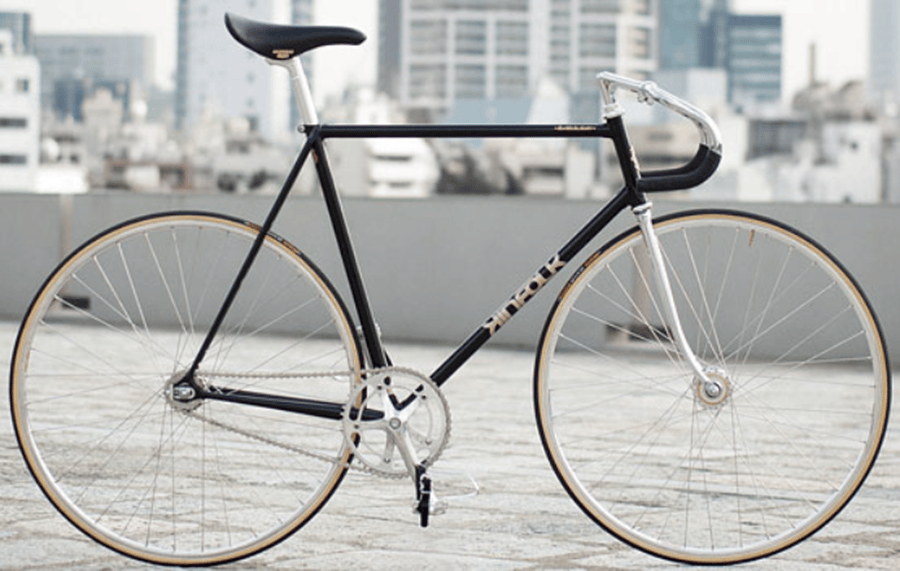
Panasonic’s NJS Track Machine

Panasonic NJS
SPECIAL THANKS TO THE PEDALROOM.COM FOR THE IMAGES CONTAINED IN THIS ARTICLE!

In the world of track cycling, few designations carry as much prestigeJapanese Steel classic bicycle design from Japan as the NJS stamp of approval. Furthermore, these three letters represent the gold standard for components used in Japanese Keirin racing, where speed, durability, and precision are paramount. Consequently, Panasonic’s NJS-certified track frames exemplify this tradition of excellence, combining meticulous craftsmanship with racing heritage. Additionally, born from the engineering prowess of Konosuke Matsushita’s National/Panasonic Corporation, these frames continue to captivate track cyclists and fixed-gear enthusiasts worldwide with their distinctive blend of performance and historical significance.

Panasonic NJS headset

The NJS Standard: Japanese Keirin Racing’s Seal of Quality

The Nihon Jitensha Shinkokai (NJS) certification represents Japan’s stringent quality control system for track racing equipment. Therefore, established to ensure rider safety at breakneck speeds, the NJS stamp guarantees that each component meets exacting standards for strength, precision, and reliability. Similarly, Panasonic’s involvement in this regulated racing ecosystem helped establish their reputation among the elite manufacturers of track frames. Moreover, the NJS certification process subjects components to rigorous testing, evaluating everything from material composition to weld integrity.

NJS chainring

Beyond Bureaucracy: NJS Certification as Performance Guarantee

Additionally, this certification isn’t merely bureaucratic—it’s a testament to the frame’s ability to withstand the intense forces of professional Keirin competition, where riders reach speeds exceeding 70 km/h in sprint finishes. Finally, Panasonic commits to meeting these standards, which results in frames that perform flawlessly under extreme conditions while maintaining the distinctive ride quality that made them coveted among racers.

2 pairs of high-performance brake pads- Compatible with TRP, Tektro, and Shimano Deore delivering reliable stopping power in all conditions. 300 purchased last month!” LEARN MORE ➡️

Panasonic NSJ drive train

Component Harmony: The Anatomy of a Panasonic NJS Build

A proper Panasonic NJS track build represents a symphony of premium components working in perfect harmony. First, the frameset serves as the foundation, typically paired with the legendary HATTA Swan Super Deluxe headset—a marvel of precision engineering with its mirror-polished bearing races. Second, propulsion comes from the iconic SUGINO 75 crankset, renowned for its exceptional stiffness and power transfer capabilities, complemented by a matching SUGINO 75 bottom bracket for silky-smooth rotation.

Furthermore, the drivetrain continues this theme of excellence with an IZUMI plated chain transferring power to a DURA-ACE 15T cog and SUGINO ZEN 52T chainring—a combination offering both durability and efficient power transfer. Meanwhile, control comes through NITTO’s purpose-built NJS-approved B123 handlebars mounted on a compact 90mm NITTO NJS stem, providing responsive handling in the tight confines of Keirin racing. Additionally, riders interface with the machine through MKS RX-1 pedals, while sitting atop the renowned Kashimax FIVE GOLD FG-4P saddle mounted to a SUGINO MIGHTY seatpost. Finally, rolling stock consists of Campagnolo Victory Strada wheels built around SAKAE PRO MAX hubs, wrapped in Vittoria Rally tires—completing a package designed for maximum velocity and reliable performance.

NJS seatpost

Engineering Excellence: Frame Construction and Design Philosophy

Panasonic’s approach to NJS frame construction represents a perfect balance between traditional craftsmanship and technical innovation. Initially, these frames typically feature precisely mitred and brazed chromoly steel tubing.  This was chosen for its ideal combination of strength, weight, and vibration-damping properties.

NDakter 5-Digit Bike Chain Lock- Crack-resistant combination security with heavy-duty construction to keep bike thieves at bay.” LEARN MORE ➡️

Additionally, the geometry follows time-tested principles optimized for Keirin racing’s specific demands.  This included steep angles for responsive handling, short chain stays for explosive acceleration, and high bottom brackets for pedal clearance in banked corners. Moreover, what sets Panasonic NJS frames apart is their meticulous attention to detail.  These details included the precise alignment of the rear triangle to ensure optimal power transfer, to the specific reinforcement at high-stress junctions.

NJS saddle

Precision Engineering Heritage: The Panasonic NJS Design Philosophy

Further, every aspect of the frame’s construction adheres to NJS regulations.  All this while incorporating Panasonic’s engineering philosophies developed through decades of racing experience. Consequently, the resulting frames deliver a distinctive ride quality that combines responsive handling with the stability.  These two qualities were needed for high-speed racing.  They accomplished all this while maintaining the characteristic steel feel that allows riders to intuitively sense their machine’s limits.

Panasonic NJS right side

Cultural Impact: From Keirin Tracks to Global Fixed-Gear Phenomenon

The influence of Panasonic NJS frames extends far beyond Japanese velodromes. Initially, beginning in the early 2000s, these frames became coveted objects in the burgeoning urban fixed-gear movement. They were prized for their distinguished racing pedigree and distinctive aesthetic. Subsequently, the NJS stamp transformed from a technical certification into a cultural signifier.  This became a symbol of authenticity in an increasingly commercialized cycling landscape.

Furthermore, vintage Panasonic NJS frames command premium prices in the secondary market. Collectors and riders were seeking the unique combination of racing heritage, build quality, and classic styling. Meanwhile, this cultural impact speaks to the timeless appeal of purpose-built racing machine. This grew the appreciation for cycling’s rich technical traditions.

Finally, today, Panasonic NJS frames serve dual roles. Continuing their original purpose in professional Keirin competition while simultaneously functioning as coveted artifacts. This connects riders worldwide to Japan’s unique cycling heritage.  This is a testament to engineering excellence that transcends its original context to inspire cyclists across generations and continents.

gear floss
200 Bought Last Month! LEARN MORE

muc off drivetrain cleaning kit
400 Bought Last Month! LEARN MORE

We earn from qualified Amazon purchases with NO cost to you. ANY item that you need or were going to purchased anyway through any of our links, helps support this site. Thank you for your support!

If you enjoyed learning about this week’s featured bicycle, don’t miss out on some cycling information you can use and enjoy! Visit our website at pacelinebikes.com Plus, check out our YouTube channel, Bicycle Restoration Man, for detailed restoration videos and showcases of our finished projects. Subscribe and join our community of bike enthusiasts!

Categories
Japanese Road Bikes

The 1986 Panasonic Team America: Three Nations, One Legend

The Global DNA: Japanese Engineering Meets Italian Tubing

Panasonic Team America
SPECIAL THANKS TO THE PEDALROOM.COM FOR THE IMAGES CONTAINED IN THIS ARTICLE!

The 1986 Panasonic Team America represents aJapanese Steel classic bicycle design from Japan fascinating international collaboration in cycling engineering. Initially designed by Japanese craftsmen, this remarkable bicycle consequently incorporates the prestigious Columbus SL tubing from Italy, thereby creating a unique fusion of Eastern precision and European materials.

Moreover, this global approach to manufacturing ultimately resulted in a frame that balances lightweight properties with exceptional durability. Furthermore, the Team America model demonstrates how cross-continental partnerships revolutionized high-performance cycling during the mid-1980s.

The Team America: Premium Construction Techniques

Additionally, this intercontinental bicycle exemplifies how Panasonic strategically positioned their products in the competitive cycling market. Specifically, the Team America occupied the second-tier position below their flagship Team Europe model, yet it still featured premium construction techniques.

Fork on the team America

Meanwhile, the Columbus SL tubes provided outstanding ride quality through their distinctive butted design. Subsequently, this combination of Japanese attention to detail and Italian tubing expertise created a bicycle that transcended geographical boundaries while delivering exceptional performance characteristics for serious cyclists.

Premium Performance: Dura-Ace Components and Araya Aero 4 Tubular Wheels

Team America frameset

The 1986 Panasonic Team America showcases exceptional component selection through its complete Dura-Ace groupset, consequently elevating its performance capabilities significantly above entry-level models. Furthermore, this premium gruppo provides precise shifting mechanics while simultaneously reducing overall weight.

“Superior stopping power with SHIMANO B05S-RX resin pads: durable, quiet braking for all riding conditions.” LEARN MORE ➡️  600 bought

Additionally, the brake calipers deliver superior modulation compared to lower-tier options of the era. Meanwhile, the drivetrain components feature polished aluminum finishes that complement the frame’s aesthetic qualities. Moreover, these high-end components firmly established the Team America as a serious contender in the performance bicycle market.

Team America head tube

The wheelset selection particularly distinguishes this bicycle, as Panasonic specifically equipped the Team America with Araya Aero 4 tubular wheels. Therefore, riders experienced better acceleration and climbing efficiency due to their lightweight construction.

Subsequently, these specialized wheels provided enhanced aerodynamic properties through their unique rim profile. Additionally, the tubular tire mounting system offered superior cornering capabilities and remarkably smooth ride quality. Furthermore, these performance wheels perfectly balanced durability concerns with racing requirements, thus reinforcing the Team America’s position as a versatile high-performance machine for dedicated cyclists.

Columbus SL Frame Architecture: Second-Tier Excellence Below Team Europe

Panasonic Team America seatpost

The 1986 Panasonic Team America features the renowned Columbus SL tubing, consequently creating a fascinating paradox of Japanese construction with Italian materials. Furthermore, this premium steel alloy provides exceptional ride characteristics through its precisely engineered butting patterns.

Dura Ace Caliper on the team America

Additionally, the frame geometry optimizes both stability and responsiveness while maintaining competitive weight metrics. Meanwhile, the lugged construction technique showcases meticulous craftsmanship with cleanly finished joints. Moreover, despite occupying the second position below the Team Europe in Panasonic’s hierarchy, the Team America delivers nearly identical performance characteristics due to the shared Columbus tubing specification.

Panasonic Commitment To Quality

The selection of Columbus SL specifically demonstrates Panasonic’s commitment to quality, as this particular tubeset balances weight savings with excellent durability. Subsequently, riders experience responsive handling without compromising frame longevity. Additionally, the tubing dimensions vary throughout the frame, therefore creating targeted flexibility where needed while maintaining rigidity elsewhere.

“Grip the journey with confidence: all-terrain performance for road warriors and trail blazers – remember to check your tire for wear before every ride.
LEARN MORE ➡️

Furthermore, the inherent vibration damping properties of properly engineered steel provide noticeable comfort advantages compared to alternative materials. Meanwhile, the structural integrity of the Team America frame ensures consistent performance under various riding conditions, thus making it suitable for both racing and endurance cycling.

Drivetrain Engineering Excellence: S.I.S. Technology and Gearing Configuration

Team America craftsmanship

The 1986 Panasonic Team America utilizes Shimano’s breakthrough S.I.S. (Shimano Indexing System) technology through its New Dura-Ace 7400 derailleurs and matching down tube shifters. Furthermore, this precision indexing system delivers consistently accurate gear changes while eliminating traditional friction-based inconsistencies.

Team America drive train

Additionally, the drivetrain configuration features an optimized 6-speed cassette with 12-19T gearing, thereby supporting both high-speed cruising and moderate climbing efforts. Meanwhile, the chain selection varies between production models with either Shimano 600 UG Silver or specialized Dura-Ace CN-7401 Boron-finished links. Moreover, the brazed-on shifter mounts eliminate excess weight while providing superior operational stability, consequently enhancing the Team America’s overall performance characteristics.

team america bottom bracket

Panasonic Innovative Materials

The transmission components specifically showcase innovative materials science through their implementation of specialized surface treatments for improved durability. Subsequently, the 53/42T chainring combination provides ideal gearing ratios for performance-oriented cyclists. Additionally, the sealed bottom bracket design prevents contamination ingress while simultaneously reducing maintenance requirements over traditional cup-and-cone systems.

Furthermore, the narrow-type chain improves shifting precision compared to wider alternatives from competing manufacturers. Meanwhile, the cassette-type freewheel system delivers enhanced reliability through improved bearing placement and materials, thus exemplifying how the Team America’s drivetrain represents significant engineering advancement beyond previous-generation components.

Wahoo fitness Kickr

We earn from qualified Amazon purchases with NO cost to you. ANY item that you need or were going to purchased anyway through any of our links, helps support this site. Thank you for your support!

If you enjoyed learning about this week’s featured bicycle, don’t miss out on some cycling information you can use and enjoy! Visit our website at pacelinebikes.com Plus, check out our YouTube channel, Bicycle Restoration Man, for detailed restoration videos and showcases of our finished projects. Subscribe and join our community of bike enthusiasts!