


Level Cycles’s City Liner C1
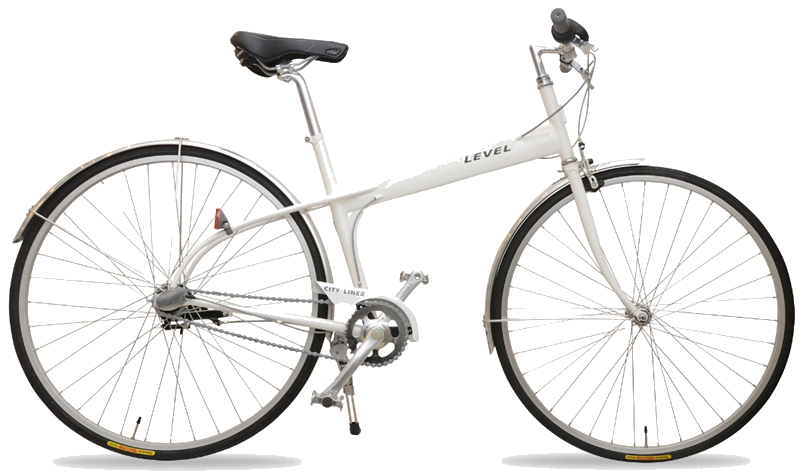
Level Cycle’s City Liner C1, this week’s ‘Bicycle of the Week,’ is the perfect blend of modern function and timeless style. It was Designed with expert Japanese bicycle craftsmanship. This stylish city bicycle not only offers a smooth ride and comfortable ride but also boasts a sleek bicycle design that turns heads.
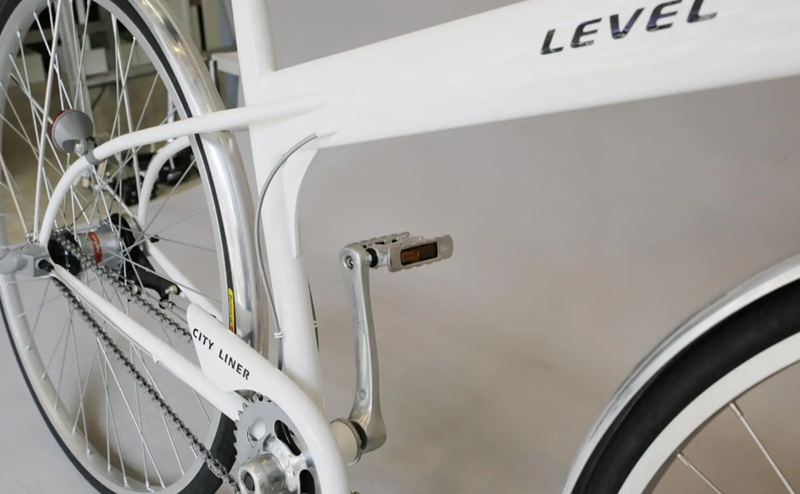
Performance and Comfort with the Level City Liner C1
The City Liner C1 consistently delivers both performance and comfort with every pedal stroke. Its sporty performance makes it an ideal fitness gear bike and a top choice for bike commuting in urban environments.
The Beginnings of Level Cycle in 1951
Level Cycle’s story begins in 1951, when Toyoo Matsuda founded “Matsuda Shokai” in Nippori-cho, Arakawa-ku. Originally established as a bicycle parts wholesaler, the company quickly made a name for itself in the industry.
GETTING TO BE THAT TIME OF THE YEAR! CHECK BIKE LIGHTS HERE
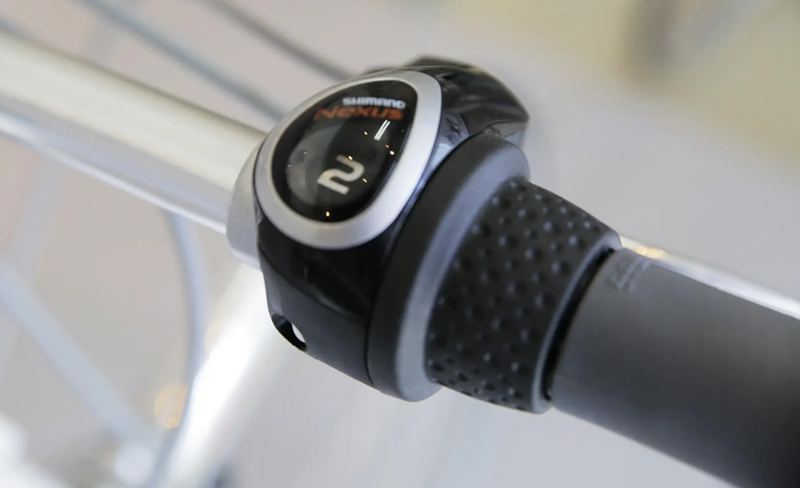
Mazda Bicycle Factory: Expanding into New Opportunities
By 1959, the business had grown, leading to a name change—Mazda Bicycle Factory Co., Ltd. Through these early years, the company worked diligently to supply high-quality parts to the Japanese bicycle market. Soon, they began exploring new opportunities, setting the stage for an exciting future in custom-built bicycles.
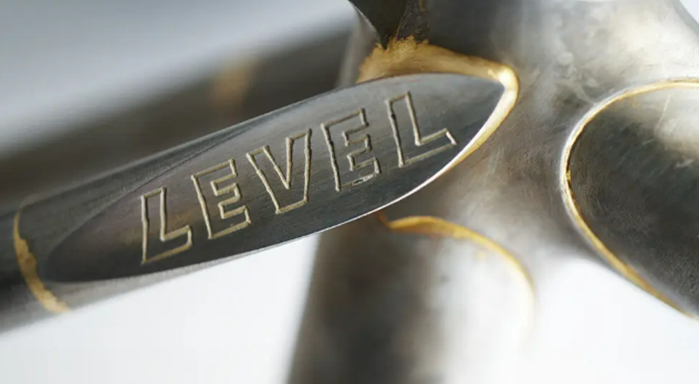
Level’s Shift to Custom-Made Bicycles in 1975
In 1975, Toyoo’s son, Yoshiyuki Matsuda, took the company in a new direction by starting custom-made bicycles. This shift marked a major milestone for Level. They began focusing on creating unique, tailored rides for their customers.
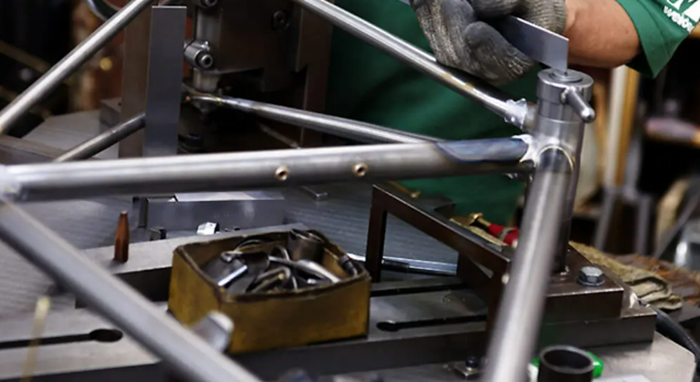
Level Cycle’s Innovation in Racing Frames and CAD Technology
Not long after, in 1980, the company expanded its expertise into racing frames. This earned them a coveted registration from the Japan Bicycle Promotion Association (NJS). As time passed, Level continued to innovate, becoming the first in the bicycle industry to implement CAD systems for bicycle frame construction.
FALL IS HERE WINTER AROUND THE CORNER! DRESS APPROPRIATELY! GREAT BUYS ARE HERE NOW!
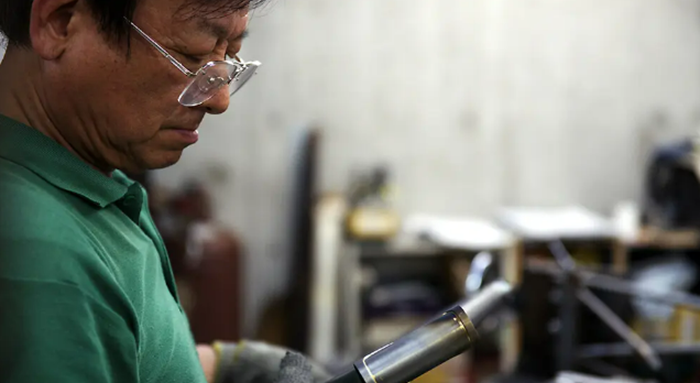
Level’s Awards and Recognition for Craftsmanship
Throughout the 1990s and beyond, Level gained widespread recognition for its craftsmanship, winning numerous awards at prestigious handmade bicycle exhibitions. Their commitment to quality earned them the “Arakawa Meister” award in 2000, and in 2003, Matsuda Shigeyuki received the “Tokyo Meister” Award for Best Engineer.
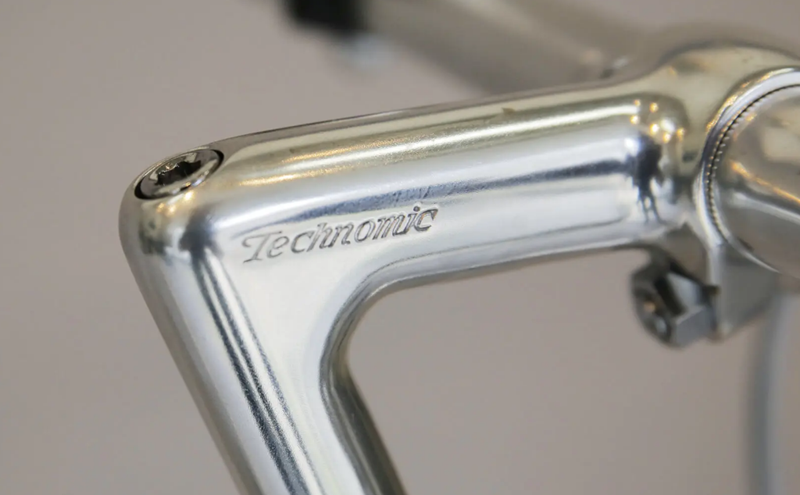
The Sleek and Versatile Design of the Level City Liner C-1
The Level City Liner C-1 is a sleek and versatile city bike, designed with a combination of smooth curves and sharp lines. This gives the bike a sporty, lightweight frame that provides a comfortable yet dynamic ride.
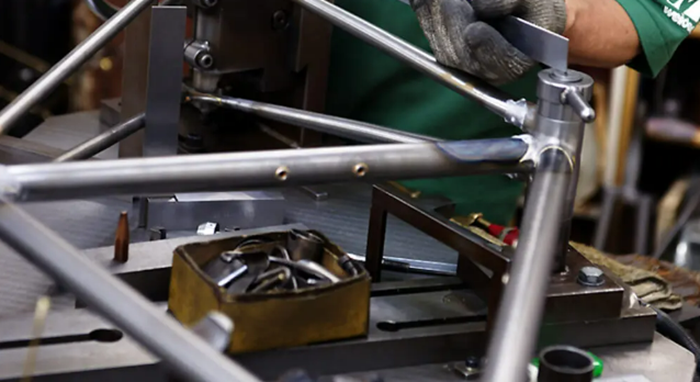
Level’s High-Quality Frame and Vintage-Inspired Design
The Level Cycle frame is made from high-quality chrome molybdenum steel, offering excellent durability. Available in three frame size options—S, M, and L—it ensures a great fit for different body types while maintaining modern functionality with a vintage-inspired design.
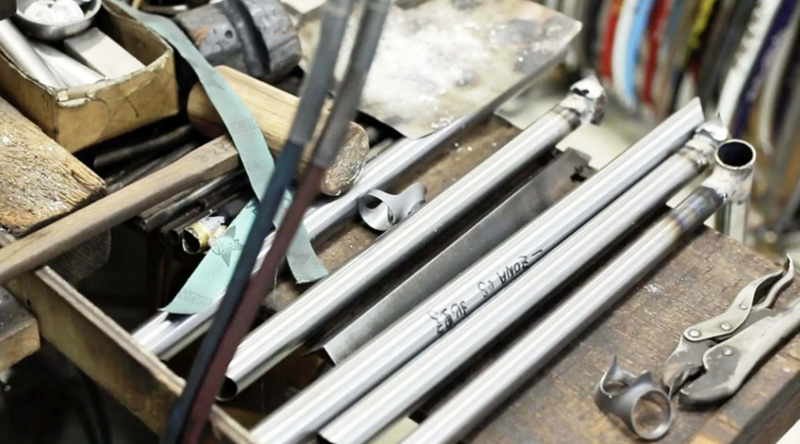
Practicality and Style with the Level City Liner C1
Additionally, the City Liner is not just about riding performance; it’s also about practicality. The frame includes a standard attachment for Rixen & Kaul bags, making it ideal for urban commuting and weekend adventures.
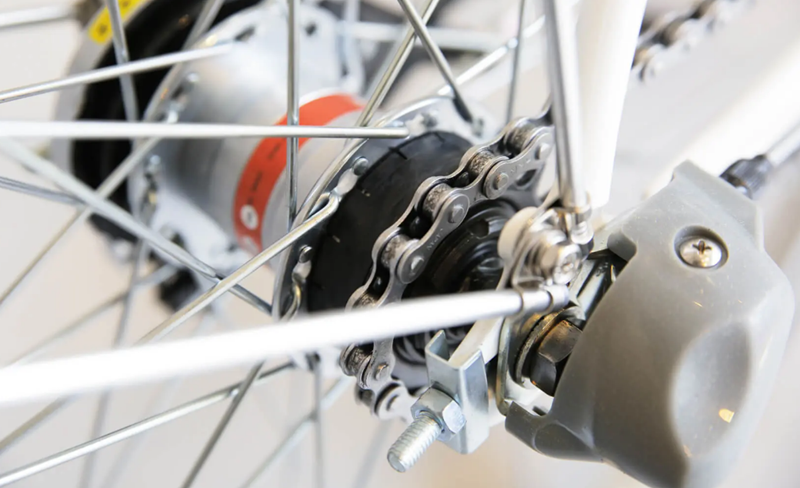
Level City Liner C1: A High-Performance Commuter Bike
With a lightweight frame, internal 3-speed Shimano Inter 3 transmission, and available in metallic blue or gunmetallic, the City Liner C-1 is a true all-around performer. It’s the ultimate commuter bike for those who value both form and function in their cycling gear.
If you enjoyed learning about this week’s featured bicycle, don’t miss out on some cycling information you can use and enjoy! Visit our website at pacelinebikes.com Plus, check out our YouTube channel, Bicycle Restoration Man, for detailed restoration videos and showcases of our finished projects. Subscribe and join our community of bike enthusiasts!

We earn from qualified Amazon purchases with NO cost to you. ANY item that you need or were going to purchased anyway through any of our links, helps support this site. Thank you for your support!
Shogun Bicycle: Discover a Classic Ride

1987 SHOGUN NINJA
A Shogun bicycle is this week’s Japanese Bicycle of the Week, featuring the 1987 Shogun Ninja! A timeless ride, the Shogun bicycle has earned its place in vintage bicycle history. First introduced by Marui Ltd., the Shogun Ninja became a favorite among riders for its reliable performance and solid bicycle craftsmanship. Its enduring appeal makes it a standout among classic road bikes and other collectible bikes from Japanese bike brands.

SHOGUN’S HISTORY
The history of the Shogun dates back to 1977 when it made its debut in the USA. Marui Ltd., founded by Rio Marui, was known for its close ties with Shimano and initially focused on Japan’s market but shifted to a global approach as demand grew.

The brand was manufactured by several sources, including Merida bikes and Yamaguchi bikes, and later acquired by Kent International in 2004. Today, Shogun bicycles are cherished by bicycle collectors and fans of retro cycling gear.

TANGE 2 FRAME SET
The 1987 Shogun bicycle features a strong yet lightweight steel frame made from Tange tubing. This chromoly frame offers excellent durability for long-distance cycling. Additionally, the double-butted tubing ensures a smooth ride without extra weight.

As a result, the bicycle combines performance with comfort, making it ideal for both touring bicycles and retro cycling fans. Moreover, Tange’s high-quality steel adds to its long-lasting appeal, making the Shogun bicycle a top choice for vintage bike enthusiasts.

SHIMANO EX COMPONENTS
The 1987 Shogun bicycle comes equipped with Shimano’s 600 EX components, which are known for their precision and high-performance components. These parts, originally supplied by Shimano to Merida bikes, offer a reliable performance for riders. Additionally, the smooth shifting enhances the overall riding experience, which makes the Shogun bicycle a well-rounded option for cycling enthusiasts. Moreover, Shimano 600 EX components add a level of performance that appeals to those who appreciate vintage bicycles and custom bike builds.
KEEP YOUR COMPONENTS LUBRICATED SEE THE BEST BRANDS HERE

ARAYA RIMS
The 1987 Shogun features Araya SS40 light alloy rims, which are both durable and lightweight. These 700c wheels with 32/32 holes provide excellent strength while keeping the bike’s weight down, making it ideal for long-distance cycling.
STOP ON A DIME: CHECK YOUR BRAKE PADS HERE ARE SOME GREAT BUYS
Additionally, the light alloy ensures smoother rides and better handling, something bicycle collectors and retro cycling fans value in rare bicycles like this. Araya rims are highly regarded for their reliability and performance, further enhancing the appeal of the Shogun bicycle.

UNIQUE SEAT STAYS
The 1987 Shogun bicycle features unusual seat stays that attach directly to the top tube instead of the seat tube lug. This unique bicycle geometry not only adds visual appeal but also improves the bike’s overall durability and comfort. Additionally, the seat stays’ positioning enhances the bike’s stability, creating a sleek, modern look that appeals to those interested in bicycle design innovation. This distinct feature helps the Shogun bicycle stand out among other classic road bikes and collectible bikes.
If you enjoyed learning about this week’s featured bicycle, don’t miss out on some cycling information you can use and enjoy! Visit our website at pacelinebikes.comPlus, check out our YouTube channel, Bicycle Restoration Man, for detailed restoration videos and showcases of our finished projects. Subscribe and join our community of bike enthusiasts!
|
|
|

We earn from qualified Amazon purchases with NO cost to you. ANY item that you need or were going to purchased anyway through any of our links, helps support this site. Thank you for your support!