Categories
Japanese Road Bikes

PANASONIC BICYCLE PICS TITANIUM 1988

A PICS SYSTEM TITANIUM PANASONIC BICYCLE
panasonic bicycle
SPECIAL THANKS TO THE PANASONIC BIKE MUSEUM AND DARIN NEDERHOFF FOR THE IMAGES CONTAINED IN THIS ARTICLE.

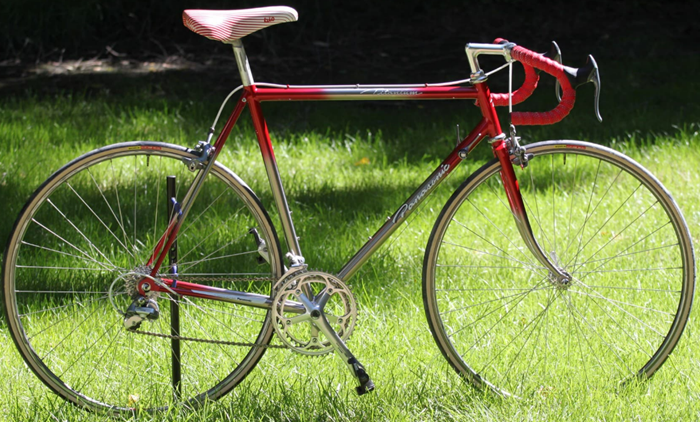
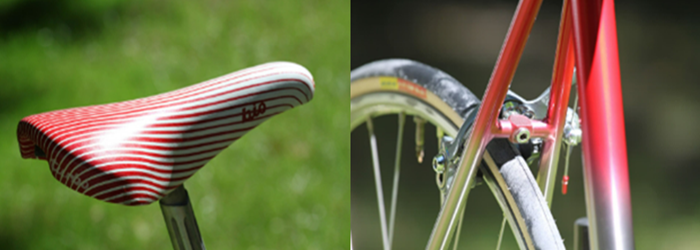
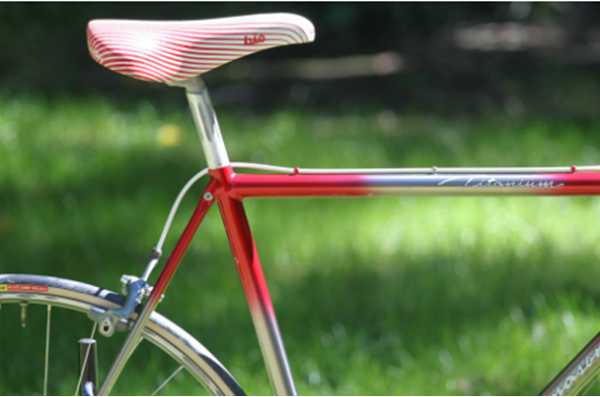
A 1988 titanium Panasonic bicycle from the PICS system is this weeks “Japanese Bicycle of the Week”. The 1988
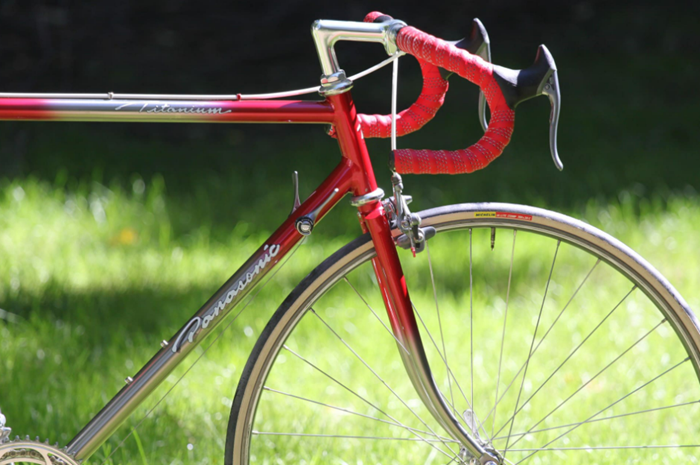
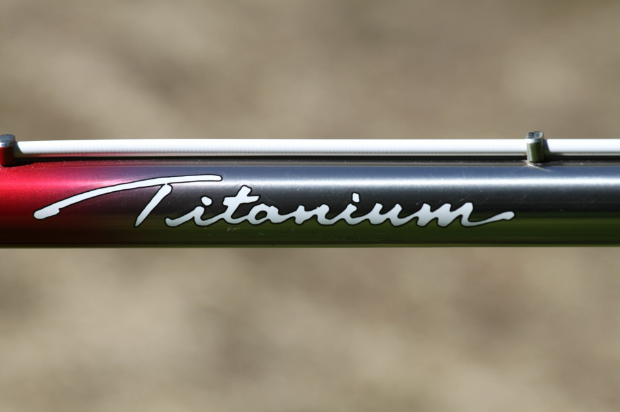
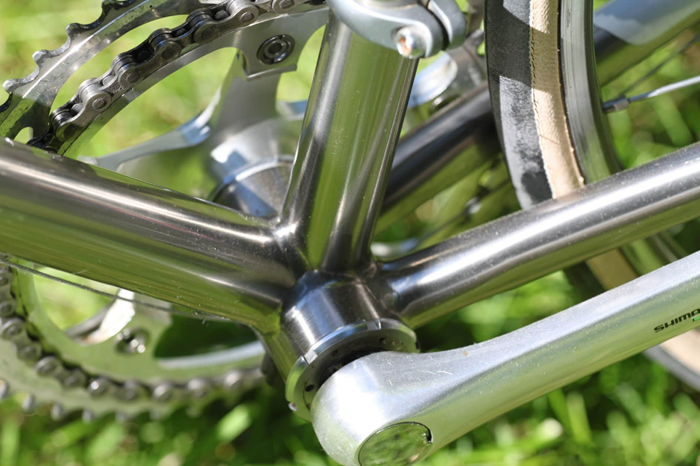
Introduced in 1988, the Panasonic PICS system represented a significant leap forward in cycling technology. Constructed from aerospace-grade titanium, the frame was celebrated for its lightweight strength and durability.
Panasonic Corporation, founded in 1918 by Konosuke Matsushita, initially focused on electronics and consumer appliances. The company expanded its portfolio over the decades, venturing into various industries including automotive components, batteries, industrial solutions and bicycles.

Panasonic Bicycle 1987 PICS: Custom Bicycles Revolution
Panasonic bicycle

Consequently, in 1987, Panasonic introduced their PICS (Panasonic Individual Custom System), offering customers the opportunity to create their own high-quality custom Panasonic bicycle. The bikes were tailored to their specifications within a remarkably short timeframe of two to six weeks. Interestingly, The bike shops were equipped with a VHS tape player to showcase a factory tour video explaining the customization process.
The first step had customers choosing their preferred bike style, either road, MTB or TT bike.  Additionally they had the option to choose what material their Panasonic bicycle was made from such as, steel or titanium tubing. A variety of sizes were available, ensuring a precise fit for both mountain and road bikes, enhancing the semi-customization experience.
Panasonic bicycle

Panasonic Bicycle Customization: Shimano Components and Stylish Paint Schemes

The customization extended to component choices, with two tiers of Shimano mountain bike equipment and options like Shimano 105, 600, Sante’, or Dura-Ace groups for road bikes.  Furthermore, a comprehensive glossy brochure displayed numerous paint styles. This featured  single, dual, and tri-color schemes, alongside various stripes, panels, and fades.
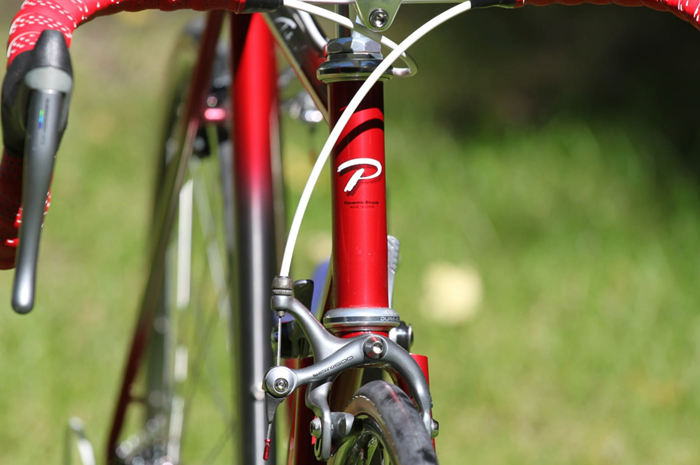
In fact, bike shops displayed about a thousand different paint combinations using sample frame tubes painted with vibrant options. Each PICS bicycle allowed for personalization with up to 12 characters of laser-etched name on the handlebar stem or silkscreened onto the top tube.
Panasonic Bicycle PICS: High-Tech Ordering and Swift Delivery

After finalizing all selections, the shop used its new Panasonic facsimile machine to fax the order form to Japan, showcasing the cutting-edge technology of the time. Following a brief waiting period, customers received their custom-designed bike via Federal Express. Consequently, this completed the seamless and personalized Panasonic bicycle PICS experience.
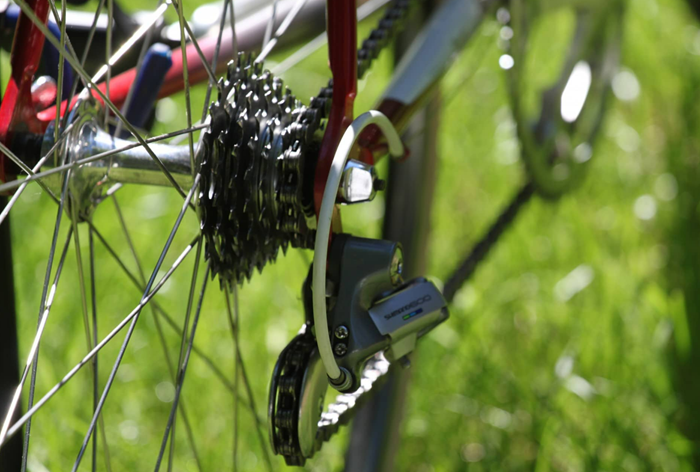
Panasonic bicycle

Unfortunately, the 1988 Panasonic bicycle PICS Titanium is no longer in production However, its impact on cycling technology remains significant. As a result, the craftsmanship and innovation typified in the PICS continue to inspire both cyclists and manufacturers.

To this day, cycling enthusiasts cherish and preserve these vintage models. Panasonic’s legacy in the cycling world endures.  A time when pioneering materials and meticulous design transformed the way we ride

We earn from qualified Amazon purchases with NO cost to you. ANY item that you need or were going to purchased anyway through any of our links, helps support this site. Thank you for your support!
Categories
Japanese Road Bikes

Cherubim Bicycles: Shinichi Konno’s City Cruiser

Shinichi Konno’s City Cruiser

cherubim bicycles
SPECIAL THANKS TO GESSATO.COM FOR THE IMAGES CONTAINED IN THIS ARTICLE

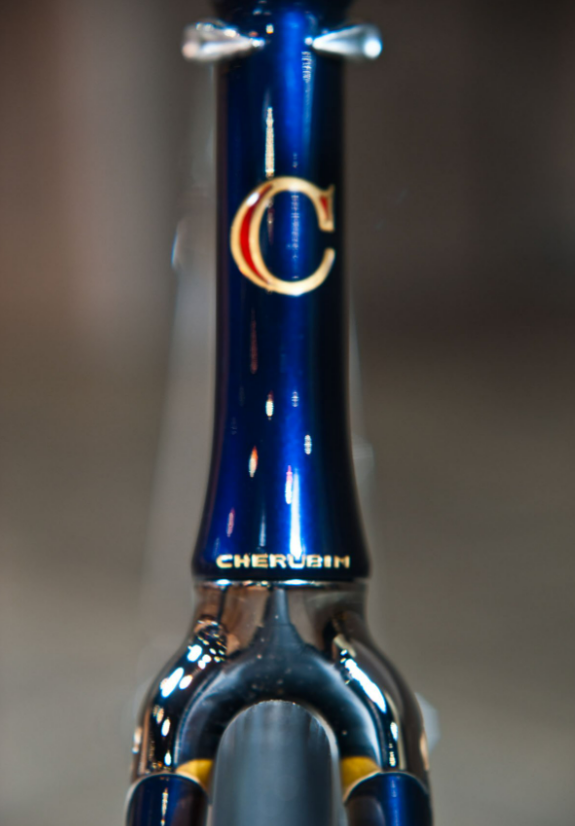
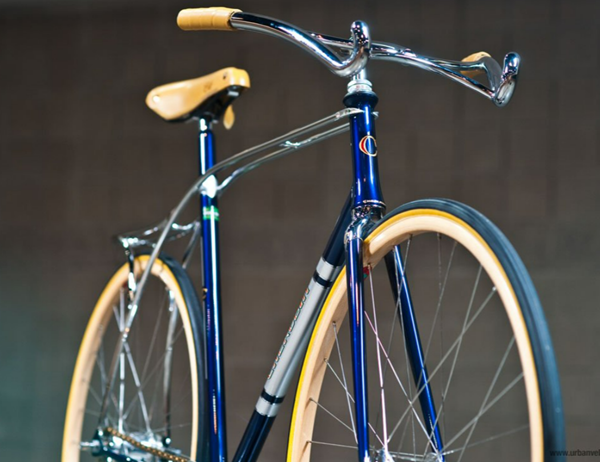
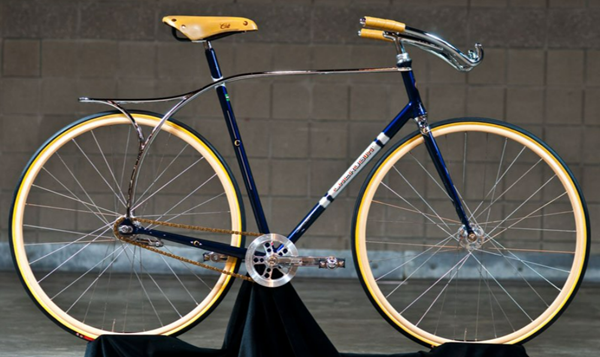
Cherubim Bicycles City Cruiser is this week’s “Japanese Bicycle of the Week”. This masterpiece from the realm of Shinichi Konno redefines urban commuting.

A Brief Overview of Shinichi Konno and Cherubim Bicycles Design

Shinichi Konno, son of the esteemed master frame builderJapanese Steel classic bicycle design from Japan Yoshi Konno, was immersed in the art of bicycle design from an early age. Under the guidance of his father and legendary grandfather, Shinichi developed his skills and keen eye for detail. Inspired by the fusion of form and function, he set out to revolutionize urban cycling. In this way, he was able to push the boundaries of design with innovative materials and construction techniques at Cherubim Bicycles.

How Konno’s Previous Works Informed the Creation of the City Cruiser

cherubim bicycles

Shinichi Konno’s journey in bicycle design, influenced by his exploration of urban landscapes and innovative use of materials, laid the foundation for the City Cruiser.

Shinichi drew upon his experience crafting bicycles for various environments. Consequently, Konno recognized the need for a versatile, adaptable bicycle tailored for city commuting.

Konno’s experimentation with advanced materials and construction techniques played a crucial role in shaping the City Cruiser’s design.

These techniques, honed in his previous projects, incorporated lightweight alloys and carbon fiber components. Each element was meticulously crafted to optimize performance and durability while maintaining aesthetic appeal.

Innovative Features From Cherubim Bicycles

cherubim bicycles

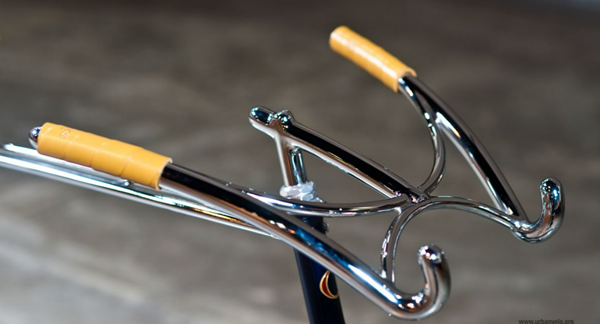
Highlighting the unique features of the City Cruiser, one cannot overlook the meticulously crafted ergonomic handlebars. These handlebars, with their ergonomic curvature, offer an unparalleled grip and comfort, making even the longest commutes a breeze.

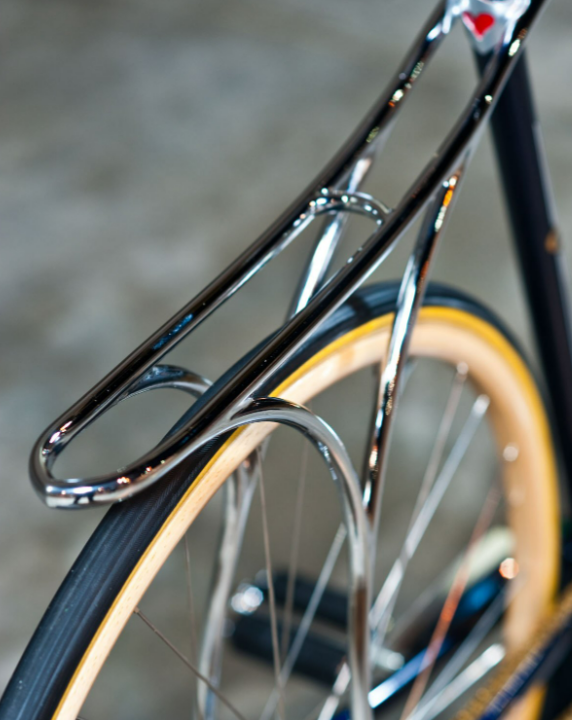
Furthermore, the seamless integration of the integrated rack showcases Konno’s expertise in blending functionality with aesthetic elegance. This rack, designed for durability and ease of use, provides ample space for carrying essentials, making it a practical choice for urban dwellers.

Moreover, another standout feature is the internal rear hub, which not only enhances the bicycle’s sleek appearance but also offers a smooth, low-maintenance riding experience.

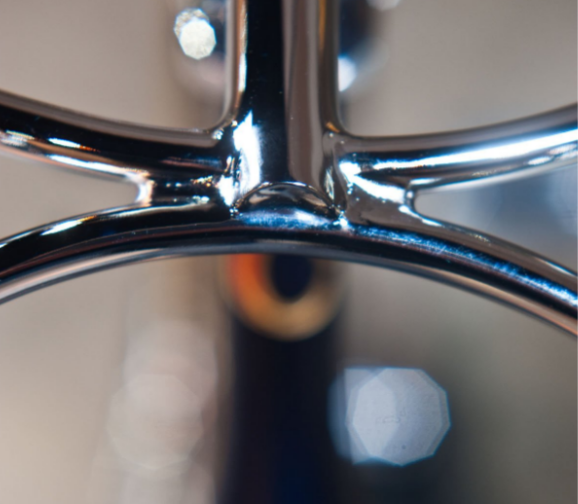
Additionally, the ingenious design of the dual-tube top tube adds to the bicycle’s structural integrity while giving it a distinctive, modern look.

This innovative approach not only strengthens the frame but also sets the City Cruiser apart in the realm of urban bicycles. Thus, making it a true testament to Shinichi Konno’s visionary craftsmanship.

Enhance Your Ride

Ready to elevate your cycling experience? Equip yourself with the essentials to make every ride exceptional. Explore our range of accessories and gear

We earn from qualified Amazon purchases with NO cost to you. ANY item that you need or were going to purchased anyway through any of our links, helps support this site. Thank you for your support!
4o

Categories
Japanese Road Bikes

Schwinn Le Tour: Rediscovering the Classic

1974 SCHWINN LE TOUR

SCHWINN LE TOUR
SPECIAL THANKS TO FRUGAL AVERAGE BICYCLIST FOR THE IMAGES CONTAINED IN THIS ARTICLE!

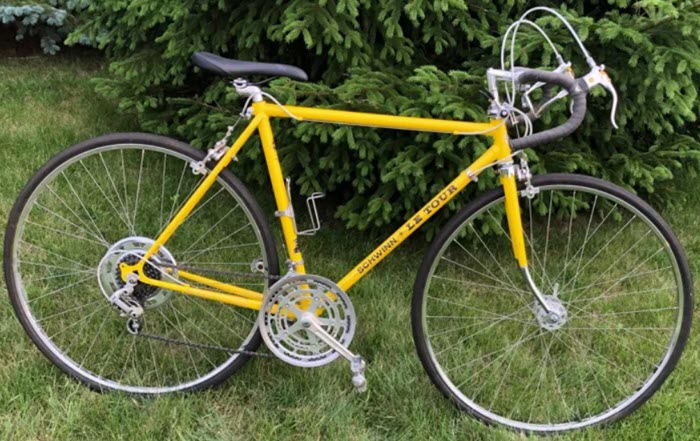
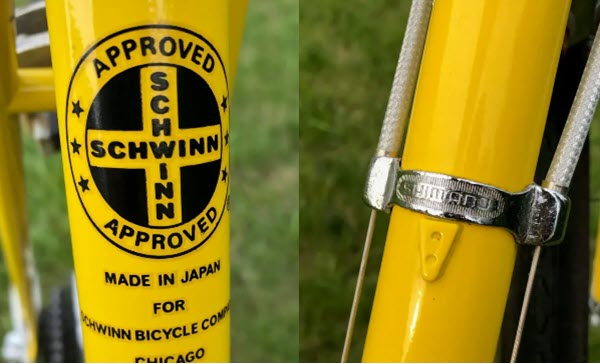
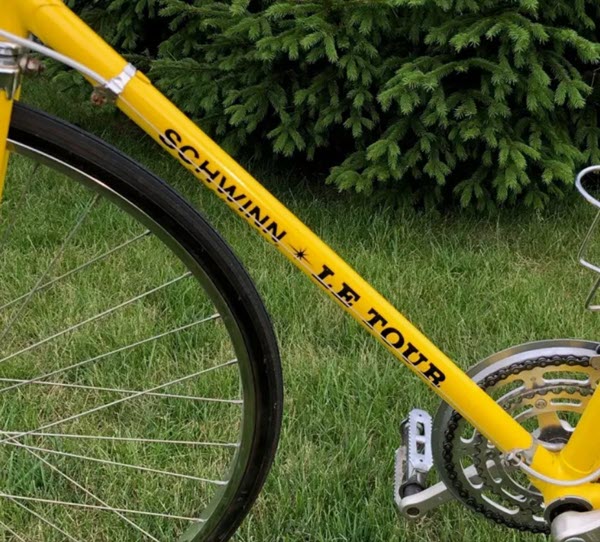
This weeksJapanese Bicycle of the Week” is a 1974 Schwinn Le Tour. Yes, this bike was built in Japan. If you’re a cycling enthusiast, you’ve probably heard of the Schwinn Le Tour. This iconic bicycle holds a special place in the hearts of many riders, thanks to its rich history, reliable performance, and unique international connection. Let’s take a ride down memory lane and explore what makes the Le Tour a beloved classic.

The Birth of the Schwinn Le Tour

The Schwinn Le Tour was introduced in the early 1970s, during a time when cycling was experiencing a renaissance in the United States. Schwinn, a reputable American bicycle company founded in 1895, saw an opportunity to capture the growing interest in road bikes. To compete with the popular European models of the time, Schwinn decided to produce a high-quality yet affordable touring bike.

The Japanese Connection

Here’s where the story gets interesting: instead of manufacturing the Le Tour domestically, Schwinn looked overseas to Japan. They partnered with the reputable Panasonic (then known as National) to build the Schwinn Le Tour. This decision was driven by Japan’s burgeoning reputation for producing high-quality bicycles and components at a competitive price.

Consequently, Panasonic, known for its precision engineering and attention to detail, was the perfect partner for Schwinn. The collaboration resulted in a bike that combined American design with Japanese craftsmanship. As a result, the Le Tour quickly gained popularity for its smooth ride, durability, and stylish design.

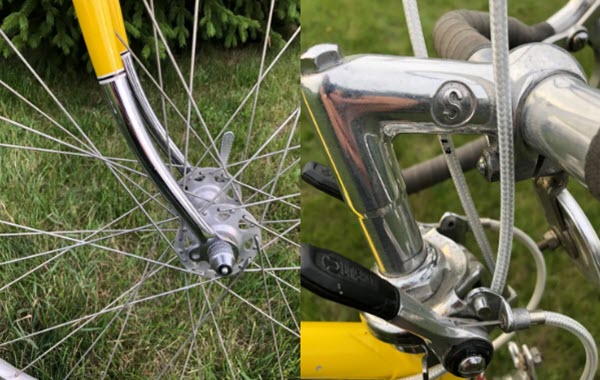
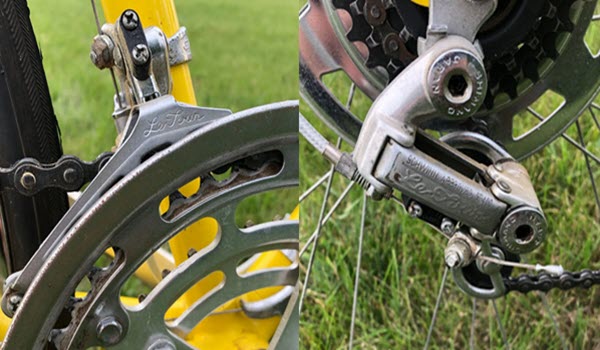
It’s a smaller frame (21 inch) and is in excellent condition. This bike weighed in at around 30lbs. It has Shimano derailleurs front and back. It was a 10 speed with a 5 cog cassette. Center pull brakes, which were the best to have at the time. Steel rims but has a Aluminum alloy crankset and quick release aluminum hubs

SCHWINN LE TOUR

Why the Schwinn Le Tour Stands Out

What made the Schwinn Le Tour a standout in the crowded bicycle market? Here are a few reasons:

Quality Construction:

Equipped with quality components from renowned brands, the Le Tour offered reliable performance. Shimano derailleurs and Dia-Compe brakes ensured smooth shifting and confident stopping power.

Reliable Components:

Equipped with quality components from renowned brands, the Le Tour offered reliable performance. Shimano derailleurs and Dia-Compe brakes ensured smooth shifting and confident stopping power.

Affordable Price:

By manufacturing in Japan, Schwinn was able to keep costs down without compromising on quality. This made the Le Tour an accessible option for a wide range of cyclists.

SCHWINN LE TOUR

Timeless Design:

The sleek, classic lines of the this Schwinn have aged gracefully. Its vintage appeal continues to attract collectors and enthusiasts today.

The Legacy Continues

Today, the Schwinn Le Tour remains a sought-after model among vintage bike collectors and cycling aficionados. Its legacy is a testament to the successful collaboration between Schwinn and Panasonic, blending American vision with Japanese craftsmanship.

SEE PRICING AMAZON
tubeless tire sealant

We earn from qualified Amazon purchases with NO cost to you. ANY item that you need or were going to purchased anyway through any of our links, helps support this site. Thank you for your support!
Categories
Japanese Road Bikes

Best Japanese Bike: Zunow Z1

best Japanese bike
SPECIAL THANKS TO EBAY’S RBINC007 FOR THE IMAGES CONTAINED IN THIS ARTICLE.

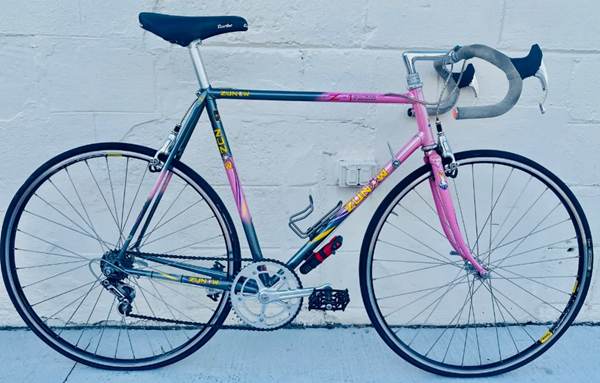
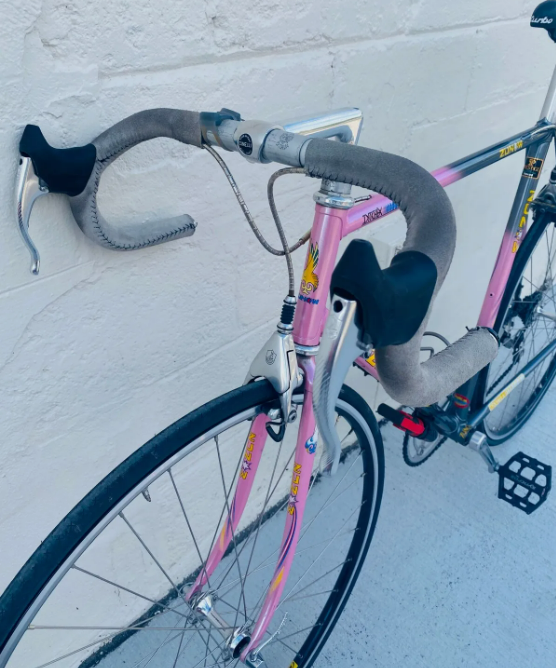
This weeks “Japanese Bicycle of the Week” is a Zunow Z1. WhenJapanese Steel classic bicycle design from Japan it comes to finding the best Japanese bike, the Zunow Z1 stands out as a true masterpiece. Whether you’re a seasoned cyclist or just getting started, you can’t help but admire the look and craftmanship of this beautiful bicycle. all thanks to the cutting-edge design and craftsmanship of the Zunow Z1.

In this blog post, we’ll dive into what makes the Zunow Z1 the best Japanese bike on the market, exploring its features, performance, and the sheer joy it brings to every ride. So, hop on and let’s take a closer look at this incredible machine!

BEST JAPANESE BIKE

The Origins of Zunow: Crafting the Best Japanese Bike

The story of Zunow began in mid-20th century Japan. In 1965, Mr. Takeru Kageyama, a passionate cyclist and skilled craftsman, founded Zunow Cycles in Uozu, Toyama Prefecture. Driven by his love for cycling and dedication to quality, Kageyama aimed to create bicycles with top-notch performance, comfort, and exceptional aesthetics. Thus, Zunow emerged as a name synonymous with the best Japanese bike, blending quality and beauty seamlessly.

Furthermore, what sets the Zunow Z1 apart is its exquisite paint job and meticulous craftsmanship. Each frame is hand-painted, showcasing vibrant colors and intricate designs that truly make it a work of art. The attention to detail is impeccable, with smooth welds and a flawless finish that highlights the bike’s elegance.

Additionally, the craftsmanship extends beyond aesthetics; the frame is built for durability and performance, ensuring a ride that is both smooth and responsive. Consequently, the Zunow Z1 isn’t just a bike; it’s a testament to the dedication and skill that define the best Japanese bike.

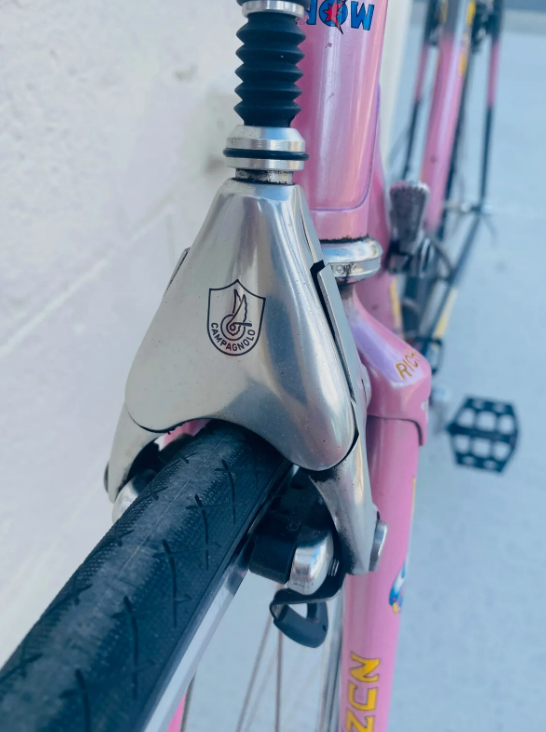
The Iconic Campagnolo C-Record Brake: A Design Inspired by the Greek Delta

Though their Italian creators never called them the Delta brake, the name stuck due to their resemblance to the Greek letter Delta (Δ). Officially known as the Campagnolo C-Record brake, they were introduced in 1984 and featured in every Campagnolo catalogue from 1985 to 1992. Crafted from aluminum and steel, these brakes were a visual delight, with a faceplate proudly displaying the Campagnolo logo.

At a staggering £300, they were incredibly expensive for the time, surpassing even the cost of Super Record and often seen on professional tour bikes. Over the next eight years, Campagnolo continuously improved these brakes, evolving the three-pivot parallelogram design to a five-pivot configuration.

They also released a version for a lower groupset, known as the Croce d’Aune. This commitment to innovation and quality is what makes Campagnolo a key player in the world of the best Japanese bike components.

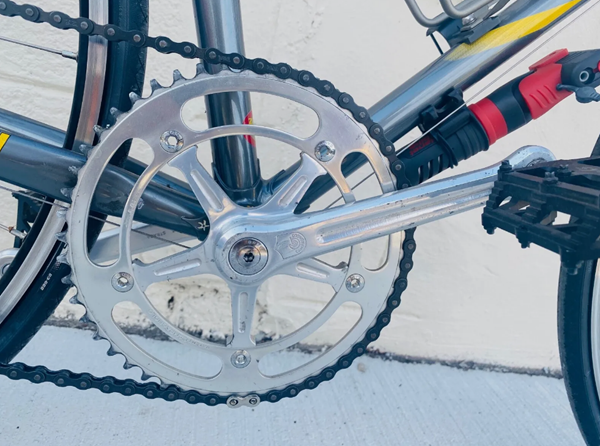
Timeless Elegance: The Perfect Crankset for the Best Japanese Bike

This beautiful crankset, or chainwheel set, boasts clean and classic lines with a stunning satin silver anodized finish. However, it’s worth noting that, over time, the anodizing can wear off due to shoe rub. Despite this minor drawback, its timeless design makes it a perfect fit for the best Japanese bike, adding both elegance and performance.

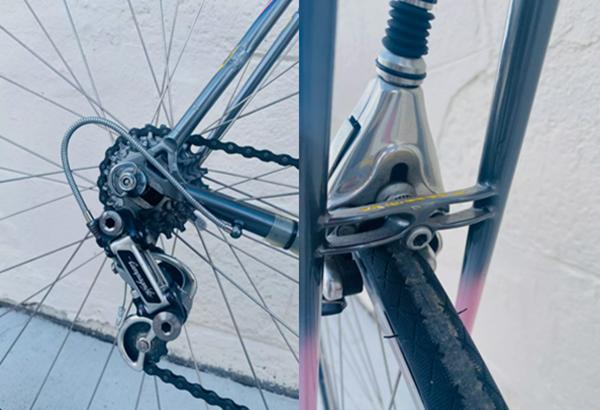
Evolution of Excellence: The Super Record Rear Derailleur

The Super Record groupset featured various versions of the rear derailleur until the late 1980s.  It was eventually replaced by the C-Record. Additionally, a special Campagnolo 50th anniversary edition of this derailleur was released. The second version of the Super Record derailleur, launched in 1978, is easily recognizable by its printed black Campagnolo branding.

BEST JAPANESE BIKE

This iteration included several design enhancements. For instance, a new cage design improved shifting on larger rear cogs, accommodating up to a 28-tooth cog. Moreover, a redesigned top pivot allowed the derailleur to swing further forward, providing more chain wrap on the smaller cogs. These advancements make it an ideal choice for the best Japanese bike, ensuring superior performance and reliability.

The Legendary Selle Italia Turbo Saddle: A Perfect Match for the Best Japanese Bike

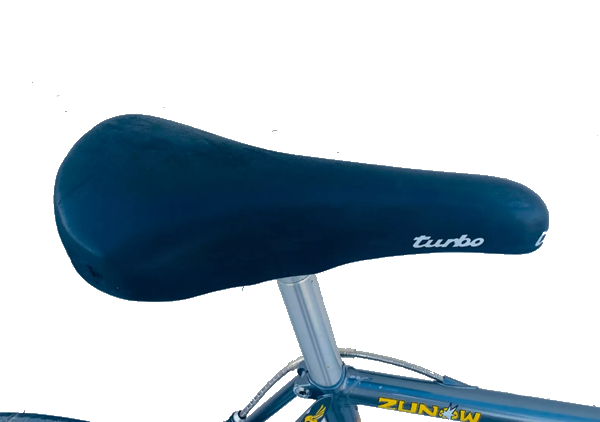
This Zunow bike has the legendary Selle Italia Turbo saddle. When it was first released, it made waves as the first fully anatomic saddle. Expertly designed by Selle Italia, the Turbo rapidly gained fame after its introduction in 1980, thanks to its exceptional comfort.

Moreover, this saddle is handcrafted in Italy, ensuring top-notch quality and attention to detail. Furthermore, the Turbo is available in two classic colors: black and white. With its innovative design and superior comfort, the Turbo saddle is an ideal choice for the best Japanese bike. It offers both style and performance.

heart rate monitors bike bag

We earn from qualified Amazon purchases with NO cost to you. ANY item that you need or were going to purchased anyway through any of our links, helps support this site. Thank you for your support!