
Contents
Takeru Kageyama Aluminum Road Frame

| Quick Answer: What is the Zunow Z1? |
| The Zunow Z1 is an aluminum road frame produced by Osaka-based Zunow Cycles, founded by Takeru Kageyama in 1965. Despite appearing to be chromoly, the Z1 is a TIG-welded aluminum frame with fillet-finish cosmetics — weld beads were ground smooth and filled to mimic the look of steel construction. The frame accepts standard 700c wheels, a 68mm BSA bottom bracket, and 27.2mm seatpost. It is designed as a dedicated road platform compatible with both double and single-chainring drivetrain setups. |
Takeru Kageyama built bicycles that looked like chromoly steel and rode like nothing else coming out of Osaka in the 1980s and early 1990s. The Zunow Z1 is one of the best examples of why. It is an aluminum frame that wears a chromoly disguise — ground welds, filled seams, a pearl white paint job that hides every trace of the TIG work underneath. The deception is deliberate and the engineering behind it is worth examining closely.
Zunow Z1 Specifications at a Glance

| Specification | Detail |
| Frame Material | Aluminum (TIG-welded, fillet-finish) |
| Fork | Zunow Original — aluminum, caliper brake mount |
| Headset | Shimano Dura-Ace (EC34 press-fit compatible) |
| Bottom Bracket | 68mm BSA threaded |
| Seatpost Diameter | 27.2mm |
| Wheel Size | 700c |
| Brake Type | Caliper (side-pull) |
| Drivetrain Compatibility | Double or single chainring |
| Dropout Style | Horizontal (road style) |
| Builder | Zunow Cycles, Osaka, Japan |
The Z1 frame carries a “Fillet Brazed” decal, but that label is cosmetic rather than technical. The construction method is TIG welding on an aluminum alloy frame. After welding, the seams were ground down and filled with filler material to produce a smooth, seamless surface. The result is a frame that reads visually as lugged or brazed steel — particularly under the pearl white paint that Kageyama’s shop applied.
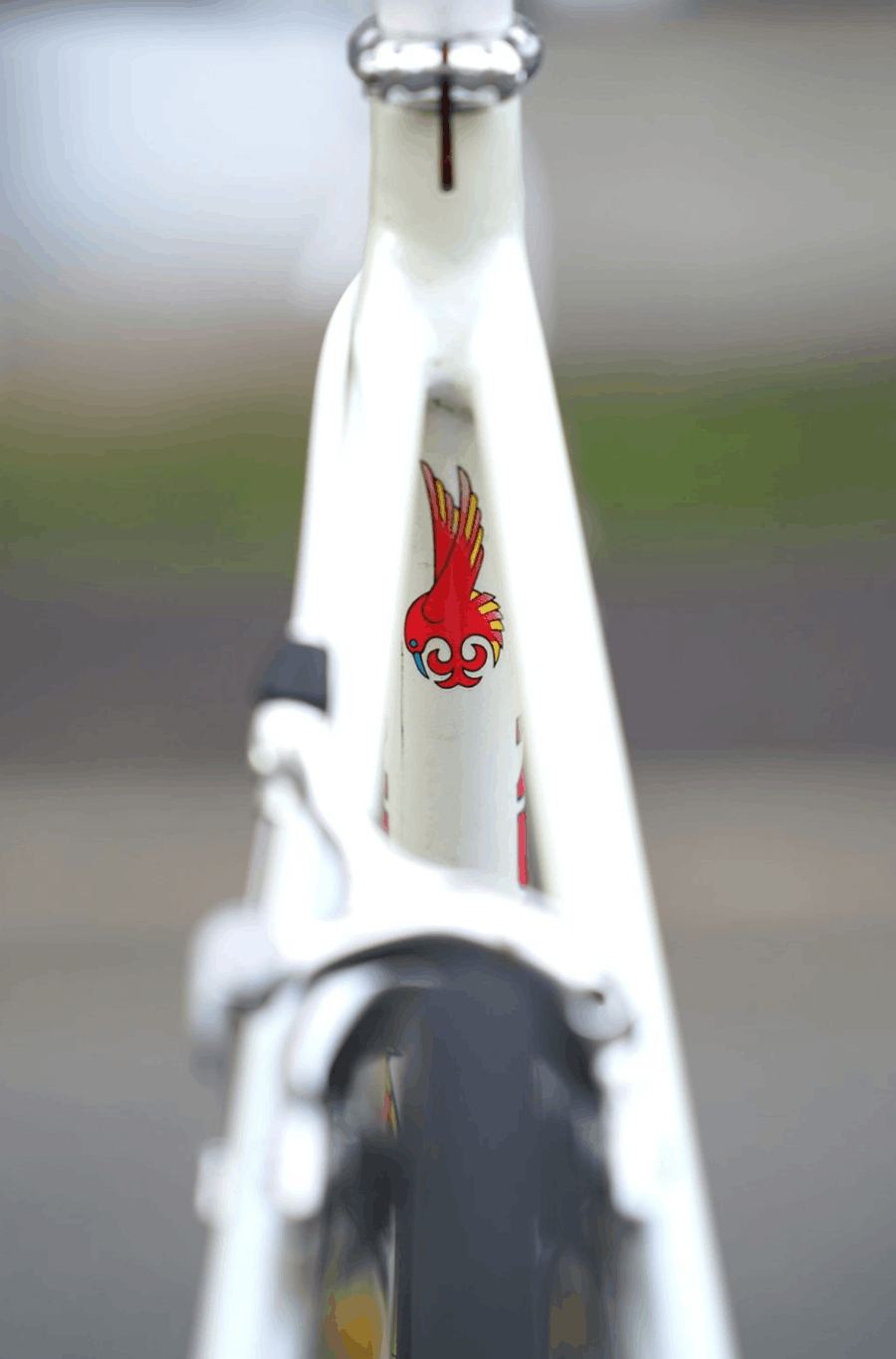
This matters for two reasons. First, aluminum frames are stiffer per gram than chromoly steel, which changes the ride character. The Z1 transmits road vibration more directly than a steel frame of comparable weight. Second, the fillet-finish cosmetics add weight and labor time without changing the structural properties of the aluminum underneath. Kageyama prioritized appearance here — the Z1 was a road bike intended to look as refined as anything coming from Italy or the top-tier Japanese steel builders.
Single Chainring Conversion: Gear Ratio Engineering
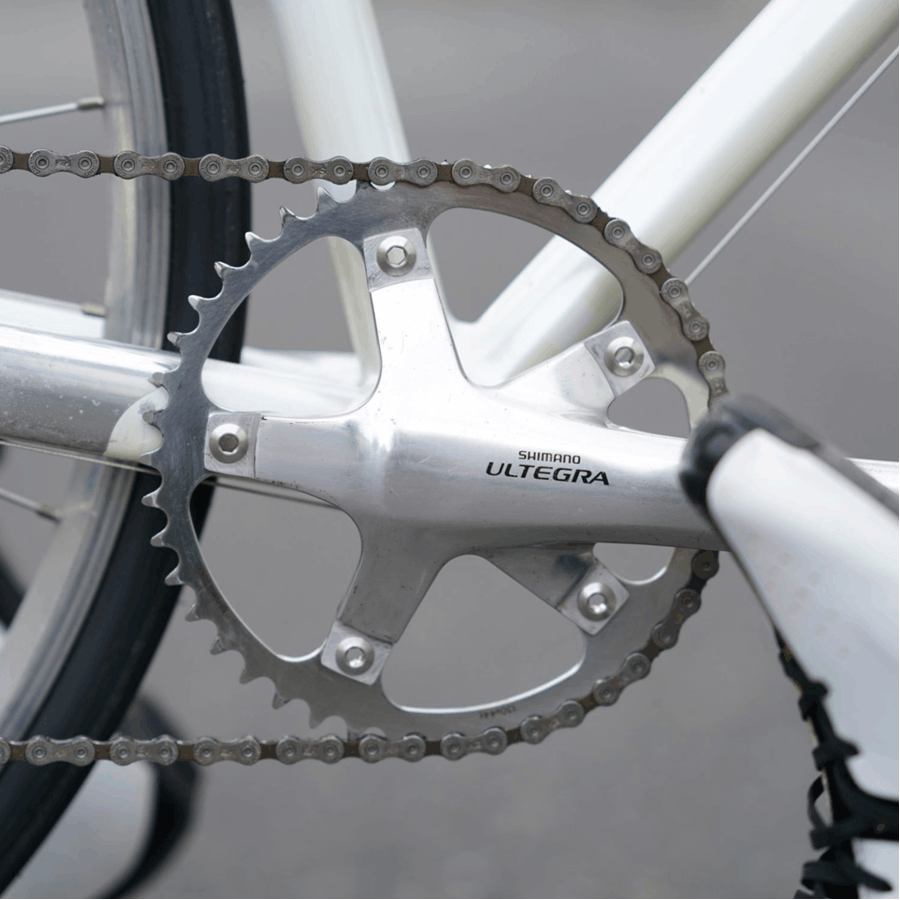
The build documented here strips the front derailleur entirely and runs a 44T single chainring paired with a Shimano XT CS-M770 11-32T rear cassette on a 9-speed Ultegra RD-6600 derailleur. The math is straightforward. The hardest gear ratio drops from 4.72 (on a standard 52/11 setup) to 4.0. The easiest ratio drops from 1.56 to 1.375. Both changes move in the right direction for a bike that sees real-world climbing.
The RD-6600 is rated for a maximum 25T rear cog. Running 32T requires a Wolf Tooth Road Link, which lowers the derailleur’s pivot point and adds clearance between the guide pulley and the larger sprocket. The reported result after 100+ km of mixed riding is zero chain drops — standard chainring tooth profiles are sufficient on road for this application; narrow-wide is unnecessary.
Shifting is handled by Shimano SL-7700 W-levers on the top tube. On a single chainring there is no front shift input, so the lever is used exclusively for the rear. The choice of W-lever over integrated brake-shifters is a deliberate simplification — fewer mechanical points of failure, and a lever style that functions well for riders accustomed to single-speed riding.
Carbon Cockpit on an Aluminum Frame
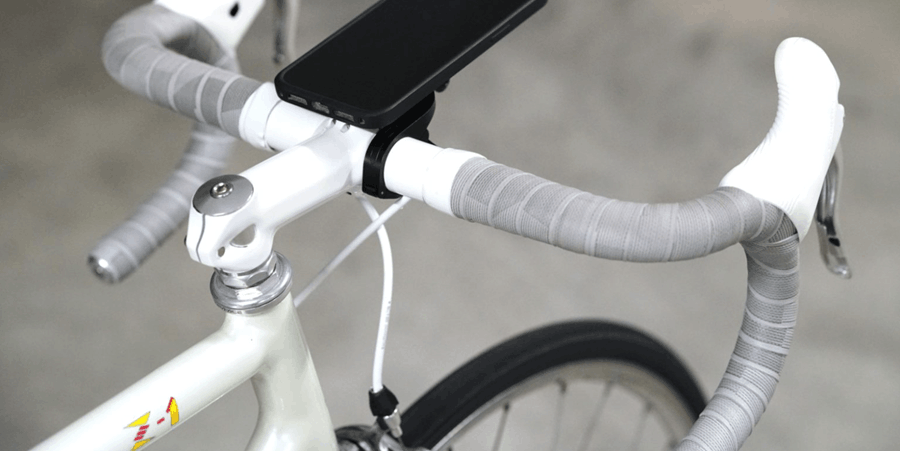
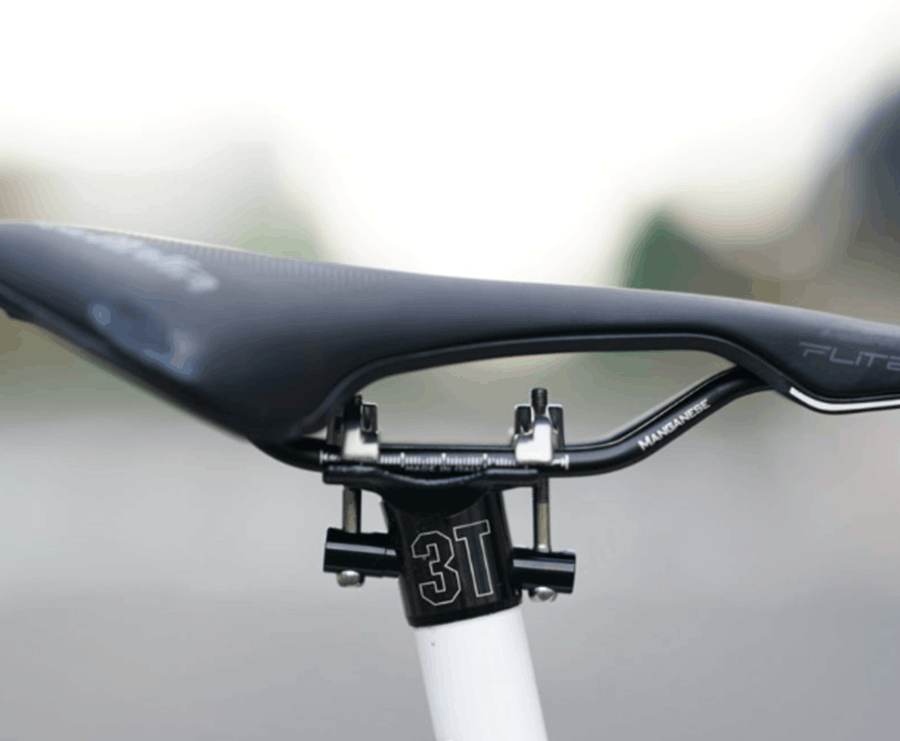
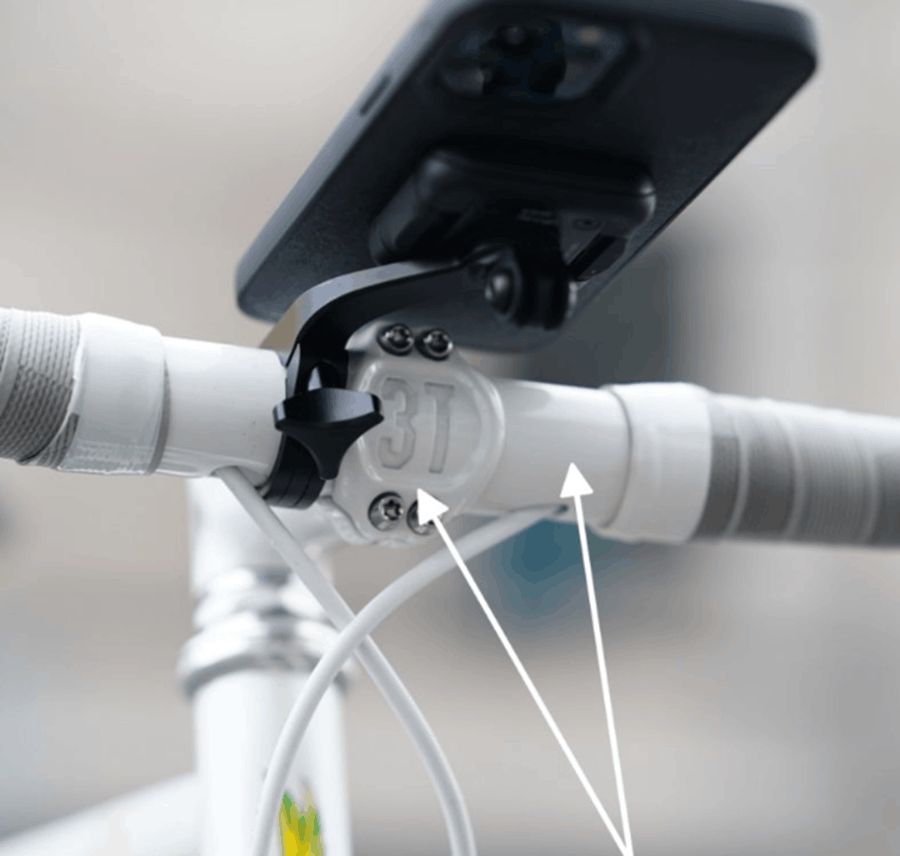
Aluminum is stiff. That is the trade-off built into every aluminum road frame, and it is more pronounced on older designs like the Z1 where tube diameters and wall thicknesses were sized for the manufacturing tolerances of the era. The cockpit selection here — 3T Superleggera TEAM handlebars, 3T Arx II Team stem, and 3T Doric Team seatpost — is a direct response to that stiffness. All three components are carbon fiber, chosen specifically for vibration dampening rather than weight savings.
Carbon handlebars and seatposts absorb high-frequency road noise that aluminum and steel tubing pass straight through to the rider. On a frame this rigid, the difference is measurable over longer distances. The brake levers are Campagnolo Veloce, which adds a small aesthetic inconsistency to the otherwise all-Shimano drivetrain — but the lever shape and pivot geometry are genuinely different from Shimano’s offerings and worth running on their own merits.
Silver Components and the Wheel Choice
The Ultegra 6600 groupset components — cranks, rear derailleur, brakes — are all silver. Modern component groups default to black, so matching the rest of the bike to that palette required custom painting. Four carbon cockpit parts (bars, stem, seatpost, brake lever brackets) were sent to a specialist painter and refinished in pearl white to match the frame. The color gap will narrow over time as the frame’s pearl white ages under UV exposure.
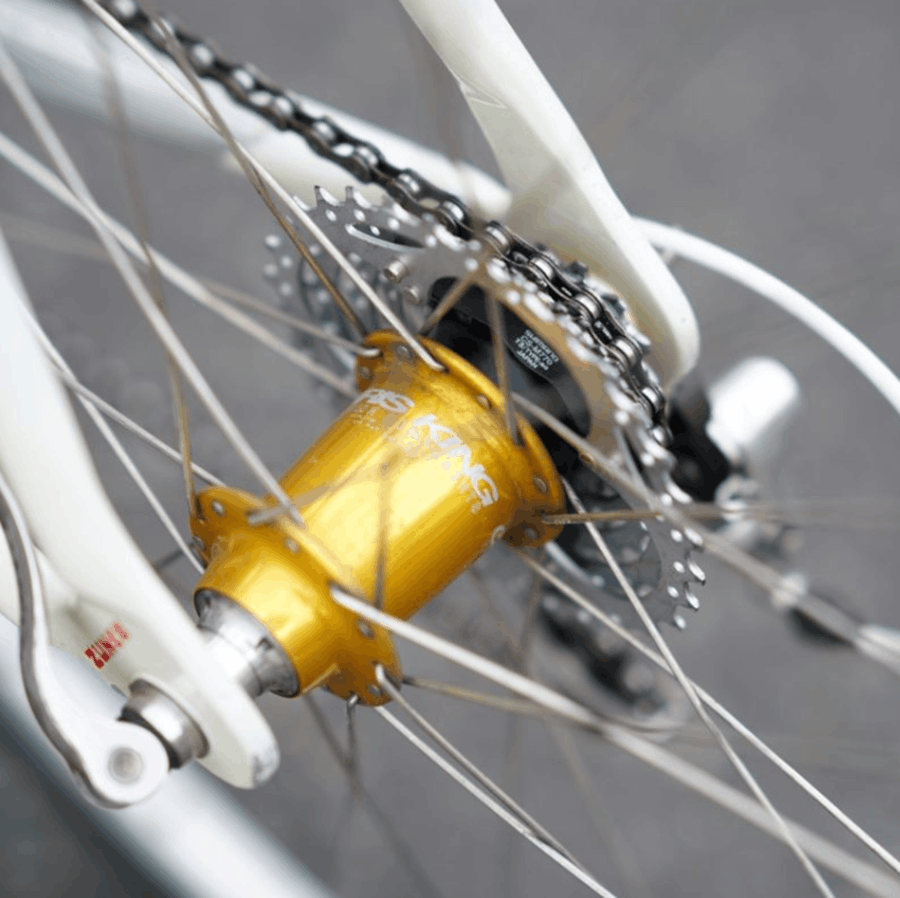
The wheels are Chris King classic hubs laced to Velocity A23 rims — a combination the owner has run since messenger days. A23 rims are a 23mm-wide clinker profile, narrow by current standards but still functional with 28c tires under caliper brakes. The tires are Panaracer GravelKing 28c, which sit comfortably within the caliper brake clearance and provide enough tread for occasional unpaved surfaces without compromising road speed.
| Component | Part |
| Chainring | Surly Stainless Steel 44T (130 PCD, 5-arm) |
| Rear Sprocket | Shimano XT CS-M770 (11-32T, 9-speed) |
| Rear Derailleur | Shimano Ultegra RD-6600 |
| RD Adapter | Wolf Tooth Road Link |
| Shifters | Shimano SL-7700 (W-lever) |
| Brake Levers | Campagnolo Veloce |
| Handlebars | 3T Superleggera TEAM 420mm |
| Stem | 3T Arx II Team 100mm / 17° |
| Seatpost | 3T Doric Team 27.2 / 350mm |
| Saddle | Selle Italia Flite Boost TM |
| Wheels | Chris King hubs / Velocity A23 rims |
| Tires | Panaracer GravelKing 700x28c |
Frequently Asked Questions
- Who built the Zunow Z1 and when was the brand founded?
Takeru Kageyama, founder of Zunow Cycles, established the brand in 1965 in Uozu, Toyama Prefecture before relocating production to Osaka. Kageyama designed and oversaw frame production across a range of models — from lugged chromoly road bikes to aluminum frames like the Z1 — until his retirement from framebuilding in the early 2000s. The name Zunow translates to “genius” in Japanese.
- Is the Zunow Z1 actually made of chromoly steel or aluminum?
The Zunow Z1 is an aluminum road frame that is TIG-welded and finished with ground and filled welds to create a smooth, chromoly-like appearance.. The “Fillet Brazed” decal on the frame refers to the cosmetic finish, not the joining method. The structural material is aluminum alloy throughout.
- Can you run a single chainring on the Zunow Z1?
Yes. The Z1 frame’s bottom bracket and dropout geometry are compatible with single-chainring setups. The build shown here uses a 44T front ring with an 11-32T MTB rear cassette on a 9-speed Ultegra derailleur, adapted with a Wolf Tooth Road Link to accommodate the larger sprocket. No chain drops were reported after extended road riding.
- What size tires fit the Zunow Z1 with caliper brakes?
The Zunow Z1 frame and fork support tire sizes up to 700x28c when used with standard road caliper brakes. The Panaracer GravelKing 28c used in this build sits within the brake pad opening without contact. Wider tires beyond 28c would require a fork and brake upgrade.
James Hickman is a former USA Cycling Expert coach, Leukemia & Lymphoma Society’s Team N Training coach and Masters category racer with podium finishes in So Cal events.
Recommended Products
1. Garmin Edge 840 — Best All-Around Bike Computer The Garmin Edge 840 packs ClimbPro, Power Guide, detailed mapping, and a touchscreen that also works with buttons so gloves aren’t an issue. Battery life runs 32 to 60 hours depending on use. It covers road, gravel, and mountain biking without needing to upgrade.
2. Stan’s No Tubes Race Sealant — Best Tubeless Sealant Stan’s has been the default tubeless sealant for over two decades and it still holds that spot. The Race formula is the better pick for gravel and road setups where punctures tend to be smaller and pressure runs higher.
3. Rapha Core Bib Shorts — Best All-Purpose Bib Shorts Rapha Core bibs come up as the go-to recommendation for riders who want quality chamois without the premium-brand price tag. The fit holds up on long rides and the chamois doesn’t bunch or shift. They’re the baseline product most cyclists move to once they get serious about comfort on the bike.
4. Park Tool IB-3 Multi-Tool — Best Portable Trail Tool Compact, durable, and covers the bolt sizes you’ll actually need on the road or trail. It’s one of the best bang-for-buck purchases in cycling. Park Tool’s reputation speaks for itself — this is the brand most mechanics trust