
Contents
- 1 The Iribe NJS Track Bike
- 1.1 What Makes Iribe Track Bikes Special?
- 1.2 Iribe’s Place in NJS Certification History
- 1.3 Technical Specifications and Frame Geometry
- 1.4 The Distinctive Pink Iribe Aesthetic
- 1.5 Iribe Compared to Contemporary NJS Manufacturers
- 1.6 Current Market Value and Collector Interest
- 1.7 Riding Characteristics and Modern Relevance
- 1.8 Frequently Asked Questions About Iribe Track Bikes
- 1.9 Essential Products for Iribe Track Bike Owners
The Iribe NJS Track Bike
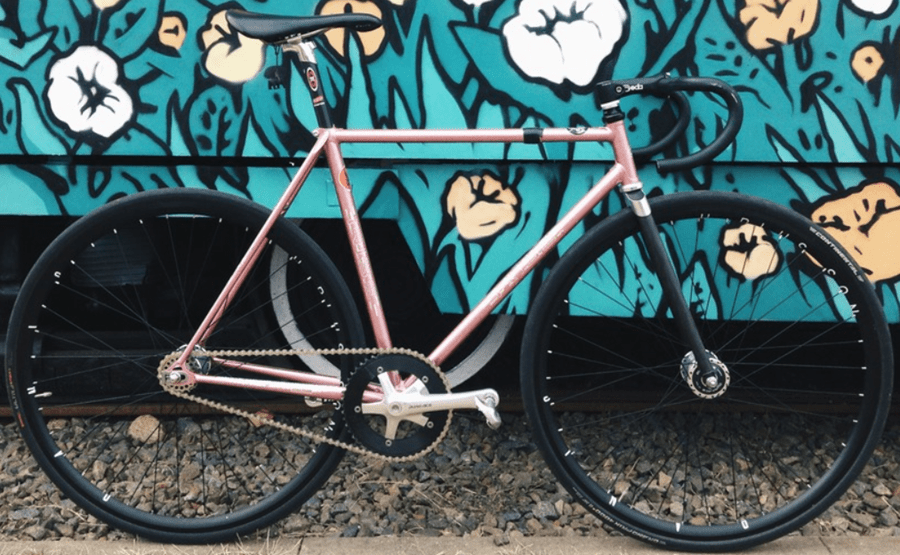
Iribe produced some of the most meticulously crafted track bikes ever to grace the banked surfaces of Japanese競輪 (keirin) racing circuits. When discussing elite Japanese track bicycles, most enthusiasts immediately think of Nagasawa, 3Rensho, or Makino. Yet lurking in the shadows of Japan’s storied NJS certification ecosystem exists the Iribe. This manufacturer frames are whispered about in keirin velodroms with reverence.
What Makes Iribe Track Bikes Special?

Iribe track bicycles represent the pinnacle of Japanese frame building precision, crafted specifically for the demanding requirements of professional keirin racing. Unlike mass-produced track bikes, each Iribe frame was hand-built using Kaiser chrome-moly tubing, with geometry refined through decades of velodrome competition data. The brand’s pink NJS track bike variant showcases the manufacturer’s confidence in both structural integrity and aesthetic boldness—a combination rarely seen in utilitarian racing equipment.
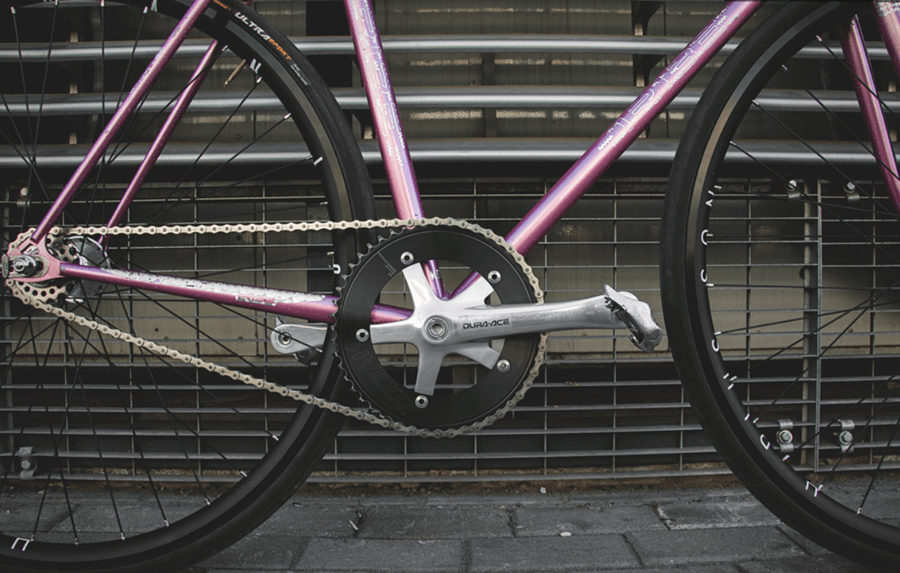
The frame construction methodology employed by Iribe builders reflected Japan’s post-war manufacturing philosophy: obsessive attention to detail combined with materials optimization. Every brazed joint, every tube selection, and every dropout alignment served the singular purpose of creating frames that could withstand the explosive power output of professional keirin sprinters while maintaining precise handling characteristics at speeds exceeding 70 kilometers per hour.
If you’re building or restoring a vintage NJS track bike, proper chain maintenance is critical for preserving the drivetrain. The Finish Line 1-Step Bike Chain Cleaner and Lubricant specifically handles the high-tension loads that Iribe frames transfer through fixed-gear drivetrains—preventing the premature chain stretch that destroys vintage chainrings.
Iribe’s Place in NJS Certification History
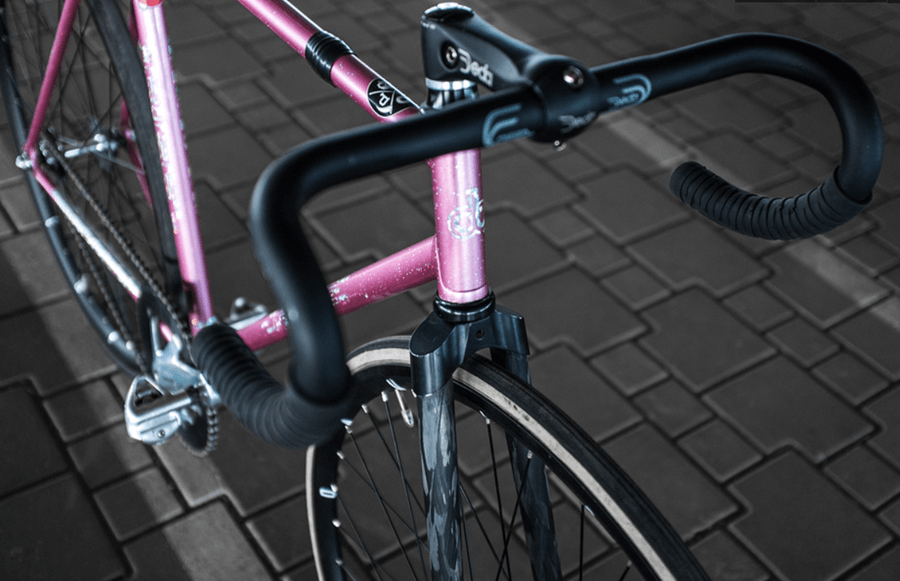
The Nihon Jitensha Shinkokai (NJS) certification system emerged in 1957 as Japan’s cycling governing body established strict equipment standards for professional keirin racing. Iribe earned this prestigious certification during an era when only the most exceptional frame builders could meet the rigorous testing protocols. Each certified Iribe frame bore the distinctive NJS stamp—a mark indicating compliance with impact resistance standards, dimensional tolerances, and material specifications that exceeded most international racing requirements.
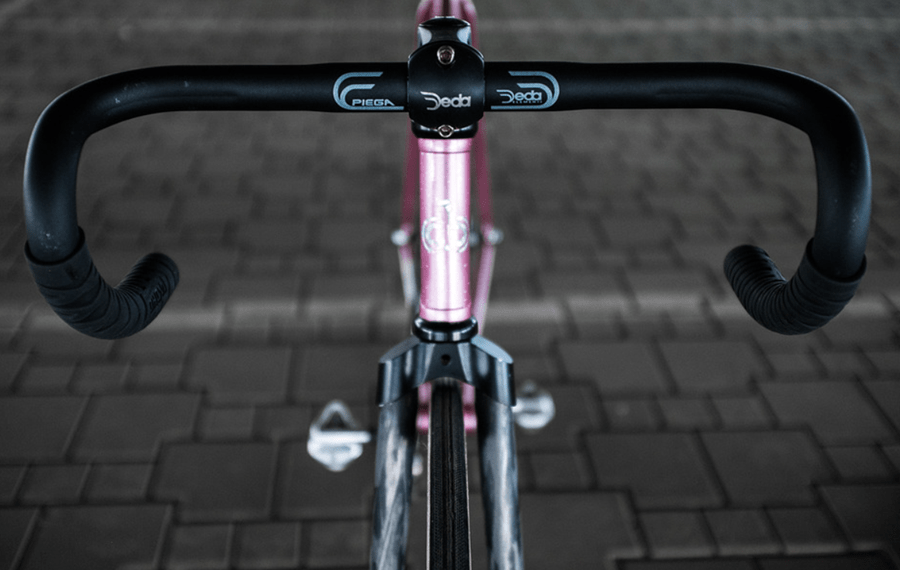
What distinguished Iribe from larger NJS-certified manufacturers was production volume philosophy. While companies like Bridgestone and Panasonic produced hundreds of certified frames annually, Iribe maintained boutique-level output. This limited production approach allowed master builders to personally oversee each frame’s construction, ensuring consistency that mass production couldn’t replicate.
Technical Specifications and Frame Geometry
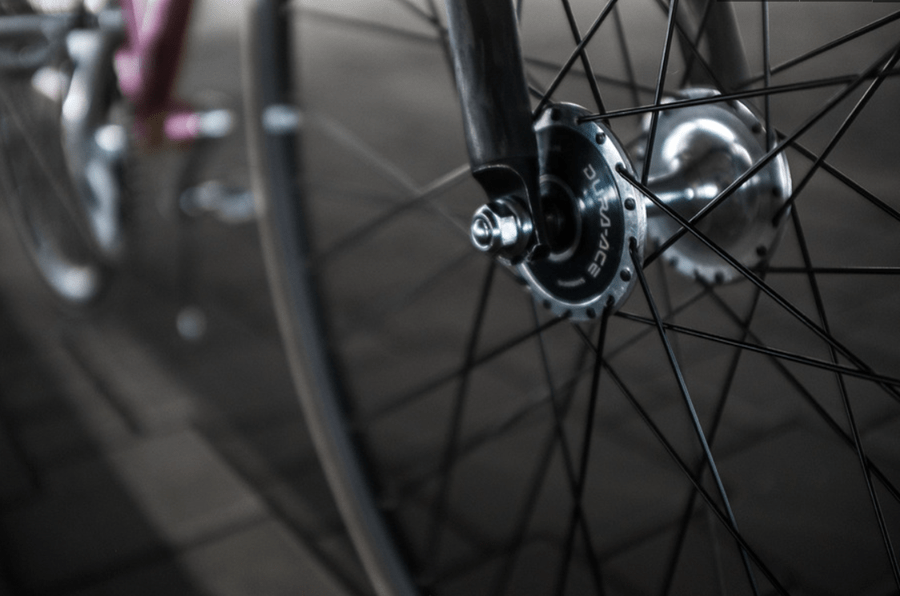
The typical Iribe NJS track bike features a compact geometry optimized for velodrome sprint events. The iconic pink variant demonstrates classic proportions: a steep 75-degree head tube angle paired with a similarly aggressive seat tube angle, creating the quick-handling characteristics essential for keirin pack racing. The short 970-975mm wheelbase provides instantaneous directional response while maintaining stability during high-speed straight-line efforts.

Kaiser chrome-moly tubing formed the backbone of Iribe construction, specifically selected for its favorable strength-to-weight ratio and fatigue resistance under repetitive high-stress loading. Component specifications on authentic Iribe NJS builds typically included Sugino 75 cranksets, Nitto stems and handlebars, Kashimax saddles, and Hatta headsets—all NJS-certified components representing Japan’s finest cycling manufacturing.
Maintaining proper spoke tension is essential on high-performance track wheels. The Park Tool TM-1 Spoke Tension Meter allows you to verify that your wheelset can handle the explosive acceleration Iribe frames deliver—preventing catastrophic wheel failures during sprint efforts that could damage irreplaceable vintage components.
The Distinctive Pink Iribe Aesthetic
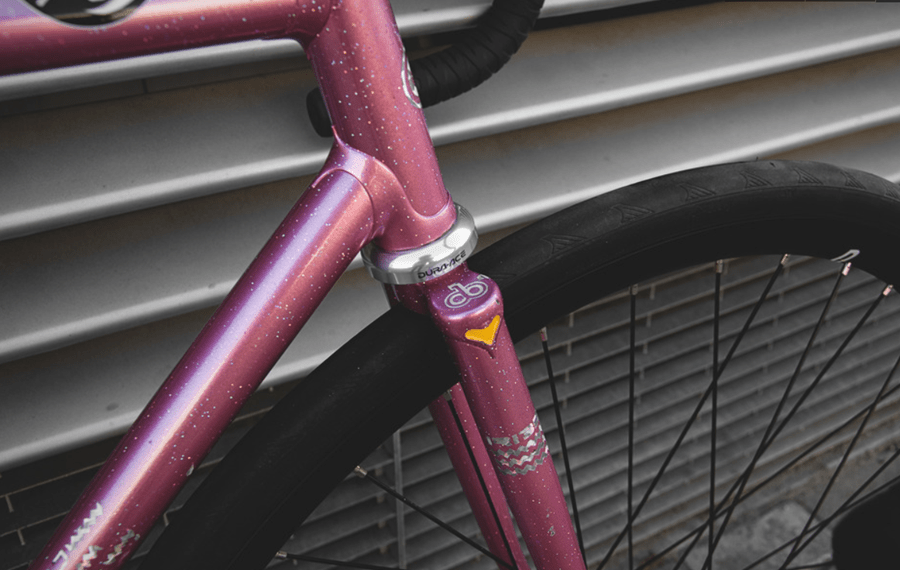
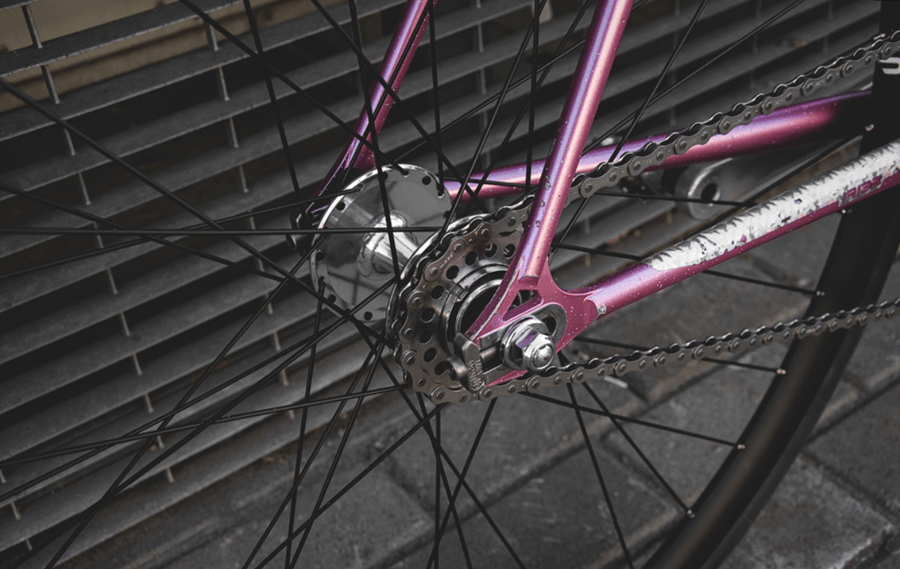
While most NJS track bikes appeared in conservative silver, black, or team livery colors, this Iribe frame’s vivid pink finish represents either a custom request or the builder’s willingness to express personality through color selection. Japanese frame builders traditionally avoided flashy finishes, viewing bicycles as functional tools rather than fashion statements.
The paint application quality on vintage Iribe frames demonstrates professional-grade workmanship. Multiple thin coats created depth and durability while minimizing weight addition. Chrome-plated fork crowns, seat stay caps, and dropout areas provided both corrosion protection and visual interest, techniques borrowed from classic British frame building traditions but executed with Japanese precision.
Iribe Compared to Contemporary NJS Manufacturers

Understanding Iribe’s position within Japan’s track bike manufacturing landscape requires comparison to better-known contemporaries. Nagasawa frames emphasized artistic lug filing and decorative details, creating bicycles that transcended pure functionality. Iribe builders focused instead on engineering optimization, producing frames with cleaner, more utilitarian aesthetics but equally precise performance characteristics.
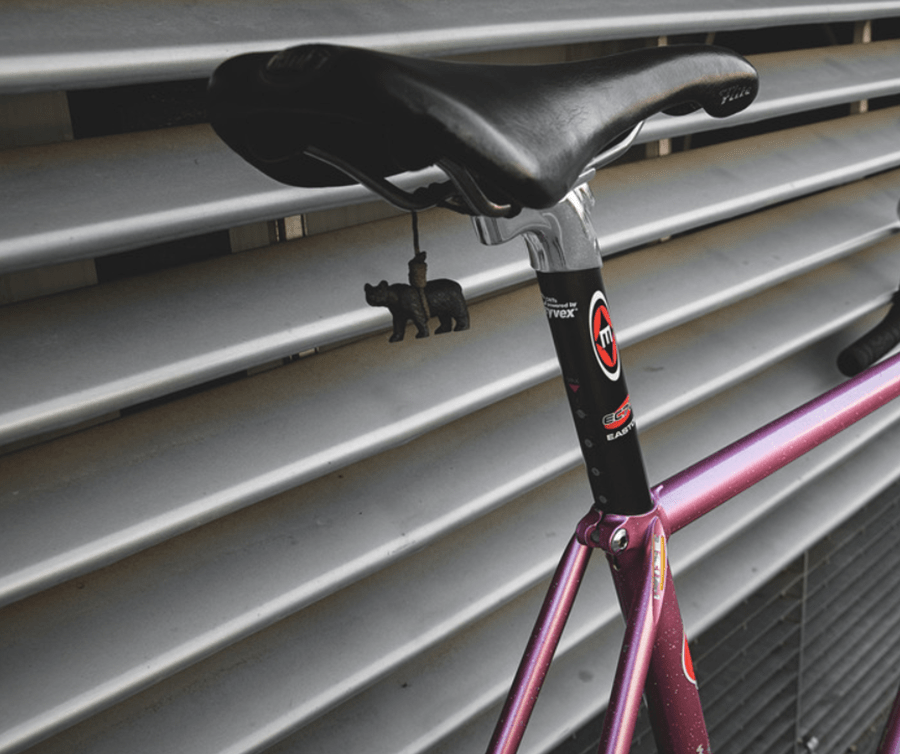
3Rensho represented the absolute pinnacle of Japanese track frame construction, with prices reflecting this status. Iribe occupied a middle position—more exclusive than mass-market Bridgestone or Panasonic, yet more accessible than 3Rensho’s limited-production masterpieces. Makino frames shared Iribe’s engineering-first philosophy, with both manufacturers prioritizing measurable performance over decorative elements.
Protecting your vintage frame’s finish preserves both value and aesthetics. The Muc-Off Bike Protect creates a non-sticky protective barrier that prevents moisture from reaching chrome and paint surfaces—critical for Iribe frames where original finish significantly impacts collector value and resale potential.
Current Market Value and Collector Interest

As Western cyclists discovered NJS track bikes during the early 2000s fixed-gear bicycle boom, Iribe frames remained relatively unknown compared to Nagasawa or Makino examples. This obscurity initially kept prices modest—complete Iribe track bikes sold for $800-1,200 when comparable Nagasawa frames commanded $2,000-3,000.
Recent years have witnessed shifting collector priorities as enthusiasts seek undiscovered NJS manufacturers. Iribe frames now regularly achieve $1,500-2,500 in complete build configurations, with pristine examples or unusual color variants reaching $3,000+. The pink track bike represents precisely the type of unique specification that attracts premium pricing from collectors seeking distinctive additions to their stables.
Riding Characteristics and Modern Relevance
Cyclists who’ve experienced Iribe NJS track bikes consistently describe them as “honest” and “direct” in handling character. The aggressive geometry and stiff frame construction translate rider input into forward motion. This results in minimal energy loss. The Kaiser tubing’s ride quality offers compliance characteristics. These include stiff lateral power transfer but compliant enough to absorb track surface irregularities.
For contemporary fixed-gear enthusiasts, vintage Iribe track bikes provide many features. This includes authentic keirin racing heritage without the premium pricing of more famous manufacturers. The frames accept modern track components readily, allowing riders to build period-correct vintage bikes or create hybrid configurations mixing classic frames with contemporary drivetrains.
Track riding demands specific pedal retention systems. The MKS GR-9 Platform Pedals with Hold Fast Straps provide the secure foot retention essential for controlling fixed-gear drivetrains during hard acceleration—the exact setup many keirin professionals used on their Iribe frames during competition.
Frequently Asked Questions About Iribe Track Bikes
What does NJS certification mean on an Iribe track bike?
NJS (Nihon Jitensha Shinkokai) certification on an Iribe frame indicates it met Japan’s strict professional keirin racing equipment standards. This certification required extensive testing of frame strength, geometry specifications, and material quality. Only frames passing these rigorous protocols received the official NJS stamp. This makes certified Iribe bikes legitimate professional-grade racing equipment.
How rare are Iribe NJS track bikes?
Iribe frames are considerably rarer than mass-market NJS manufacturers like Bridgestone or Panasonic. Enthusiast consensus suggests Iribe produced fewer than 200 certified frames annually. This limited output makes finding Iribe bikes challenging, particularly in Western markets where only a fraction of Japanese domestic market frames ever appeared.
Can I ride an Iribe track bike on the street?
While mechanically possible to ride an Iribe NJS track bike on roads, track-specific geometry creates unstable handling at low speeds and during tight cornering. The lack of brake mounting points violates traffic laws in most jurisdictions. Additionally, exposing a valuable collector’s item to crash risks and weather damage diminishes both historical and monetary value.
How do I determine my Iribe frame’s production year?
Iribe frame dating relies on multiple identification methods. The NJS certification stamp sometimes includes year codes. However, not all examples display this information clearly. Serial number analysis provides approximate dating when cross-referenced against known production sequences. Consulting specialized NJS forums with detailed reference databases yields the most accurate dating results.
What makes the pink Iribe track bike particularly special?
The pink Iribe NJS track bike represents an unusual color choice in professional keirin equipment. This is where conservative finishes dominated. This distinctive aesthetic decision suggests either a custom commission for a specific rider or a brief experimental period in Iribe’s production philosophy. The color’s rarity among surviving examples increases collector interest and market value substantially.
Essential Products for Iribe Track Bike Owners
Maintenance & Preservation:
-
Park Tool SR-12.2 Chain Whip– Essential for fixed-gear cog removal without damaging threads
-
Pedro’s Green Fizz Foaming Bike Wash – pH-balanced formula safe for vintage chrome and paint
- Park Tool PPL-1 PolyLube 1000 Grease – Premium grease for headsets and bottom brackets on classic frames
Performance Upgrades:
- Continental Grand Prix 5000 Tubular Tires – Modern performance rubber compatible with vintage tubular rims
- Sugino 75 Track Chainring – Period-correct replacement maintaining NJS authenticity
- Izumi V Super Toughness Track Chain – NJS-certified chain handling extreme power output
We are an Amazon affiliate and earn from qualified Amazon purchases with no cost to you. This is for ANY product that you purchase through our links.
If you enjoyed learning about this week’s featured bicycle, don’t miss out on some cycling information you can use and enjoy! Visit our website at pacelinebikes.com Plus, check out our YouTube channel, Bicycle Restoration Man, for detailed restoration videos and showcases of our finished projects. Subscribe and join our community of bike enthusiasts!
The Iribe NJS track bike exemplifies Japan’s deep commitment to cycling craftsmanship—a philosophy where engineering excellence and competitive performance merged into bicycles that transcended mere transportation. Whether displayed as collector’s art or ridden on velodrome banking, these frames represent an era when frame building remained an art form practiced by dedicated craftspeople.