
Contents
Kinfolk Heritage of Handmade Precision
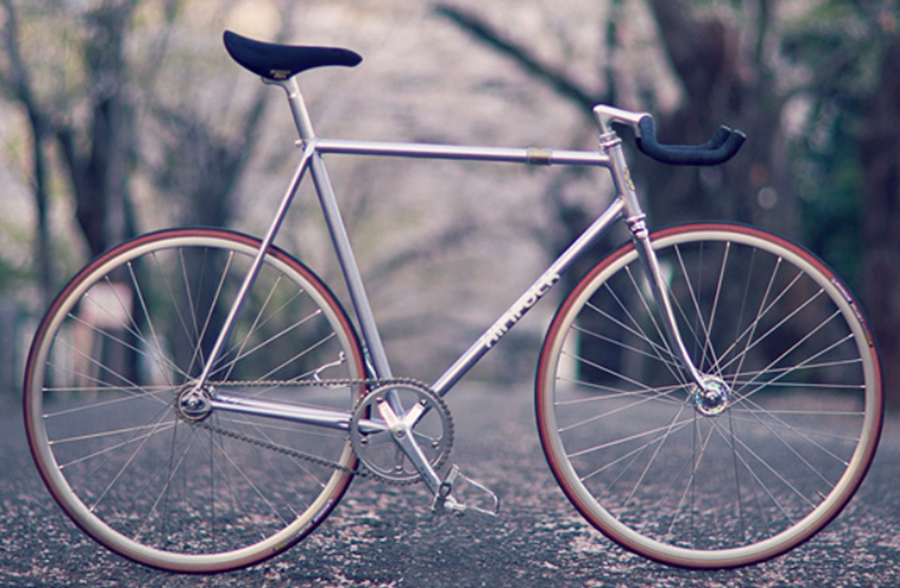
Firstly, the Kinfolk bicycle story starts in Tokyo in 2008, yet its roots extend far earlier. Master builder Shuichi Kusaka honed his brazing skills over three decades while crafting Keirin race frames in Akashi. Consequently, he set a strict production cap of ten frames each month, which still guides the workshop’s pace. When Kusaka retired, Osamu Fukuda took the torch at Raizin Works in Gunma. He represents the third generation of his family to shape steel tubes into agile machines. Because of this lineage, every Kinfolk bicycle receives cold-drawn Tange No.1 or optional Kaisei 019 chromoly, double-butted to 0.8/0.5/0.8 mm.
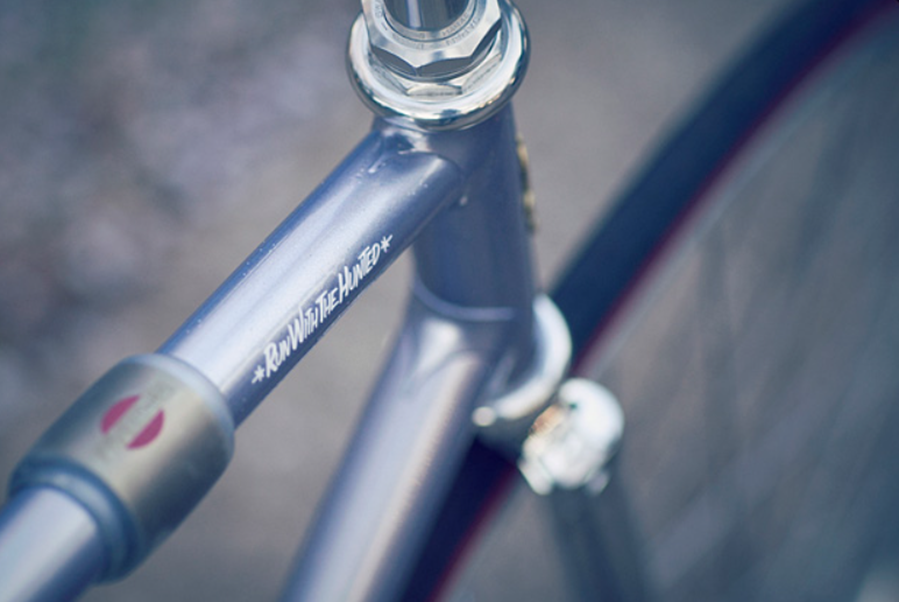
Moreover, classic Kalavinka lugs join each tube, and file work continues until every gap measures under 0.05 mm. Builders avoid automated welders; instead, they braze by hand with silver, so heat stays low and grain growth remains minimal. After brazing, technicians check alignment on a surface plate with 0.01 mm dial gauges. Any rear-triangle error above 0.3 mm triggers realignment. Thus, structural precision comes before the first coat of paint.
Geometry and Structural Logic
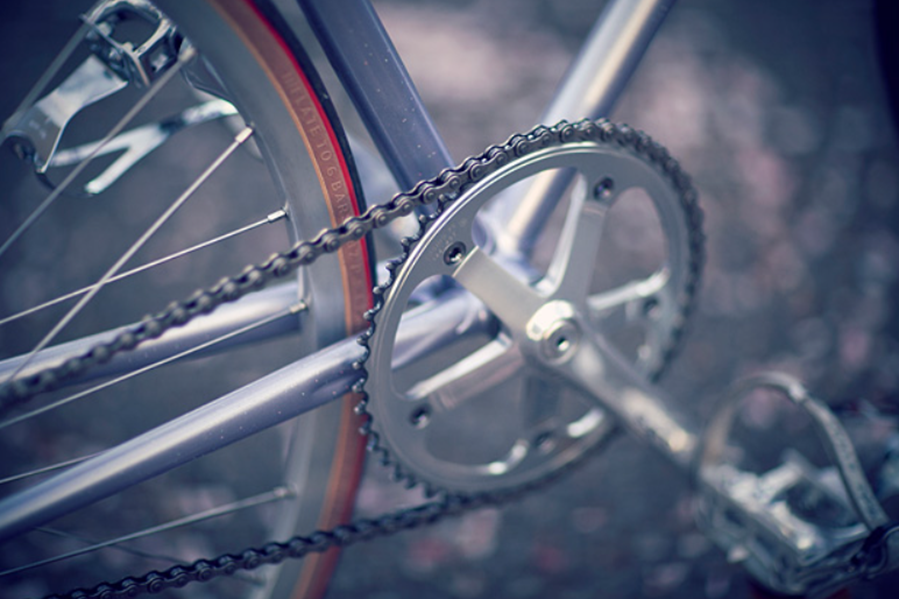
However, flawless craft would mean little without solid numbers. A standard Kinfolk bicycle track frame uses a 74° head angle plus a matching seat angle, which sharpens steering in tight lanes. Chain stays hold at 405 mm, so power moves straight to the hub. Meanwhile, a 70 mm bottom-bracket drop lowers the rider’s mass, giving stable corner grip. Fork rake sits at 50 mm, creating 55 mm of mechanical trail on 23 mm tires; therefore, the bike tracks straight but still flicks around cabs.
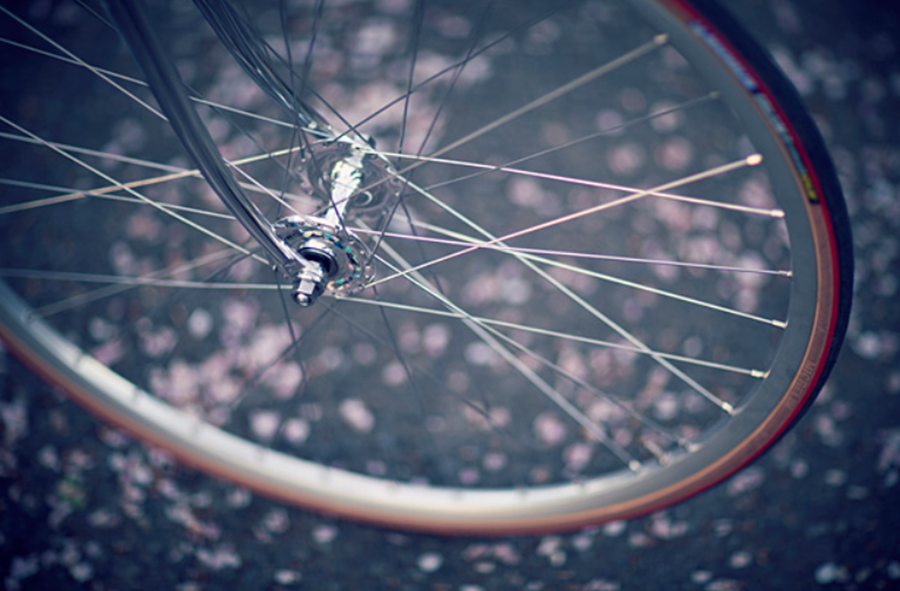
Rear spacing remains 120 mm for NJS hubs, yet builders will stretch to 130 mm when clients request multi-speed systems. Stack and reach grow or shrink in five-millimetre steps during the design call. Thus, tall and short riders both sit with even hip angles. Finite-element checks confirm that the main triangle flexes only 1.2 mm under a 1,200 N compression load, which rivals Columbus Spirit Keirin tubing. Also, horizontal drop-outs give 15 mm of axle travel, so chain tension stays correct without half-links.
Craft, Finish, and Custom Choices

Furthermore, every Kinfolk bicycle enters a nickel-chrome bath before paint. This layer seals weld areas and stops rust if chips appear later. Next, painters lay an epoxy primer and a thin polyurethane color coat that never tops 60 µm, so lug points keep crisp edges. Customers often pick gloss ivory or deep metallic green; however, any RAL shade is fair game.

Clients who travel often choose S&S couplers. These joints split the top and down tubes, letting the frame pack into a 66 × 66 × 25 cm case while adding only 140 g. Seat-stay finish also varies. Riders may select a classic cap, a fastback plate, or a wishbone. Laboratory tests show less than four percent change in vertical flex between styles, yet many choose the wishbone for a clean look. The brass head badge—cast from Marco Hernandez’s double-rabbit art—arrives hand-polished and riveted with copper, so galvanic corrosion never starts. Finally, a full set of stainless bosses routes cables inside the down tube when brakes or dynamos are present, keeping the frame’s skin smooth.
Ride Dynamics and Ownership
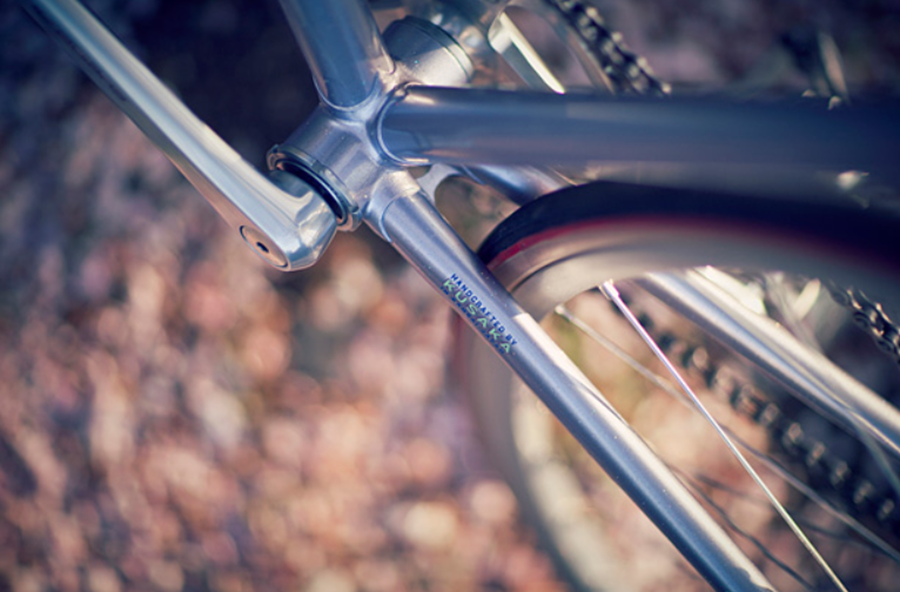
Because the wheelbase stays just under 980 mm, directional input feels quick, although stable trail stops speed wobble. Chromoly’s 210 GPa modulus diffuses sharp hits. The butted seat tube bends 0.45° under a 600 N bump, so saddle kickback remains mild. With a 1.9 kg bare frame and a 6.3 kg parts kit, a road-ready Kinfolk bicycle weighs about 8.2 kg without pedals—lighter than many alloy builds, yet far easier to repair.
Riders in dense cities often fit 46 × 15 gearing. This 3.07 gain ratio pairs with the tight rear stay to launch past traffic lights. Quick horizontal drop-outs ease chain-tension tweaks. On descents, optional short-reach calipers clamp 25 mm tires with plenty of clearance. Because tubing wall shifts to 0.9 mm near the head lug, sprint flex stays low. Still, vertical compliance keeps wrists calm over brick alleys.
Ordering and Service Cycle
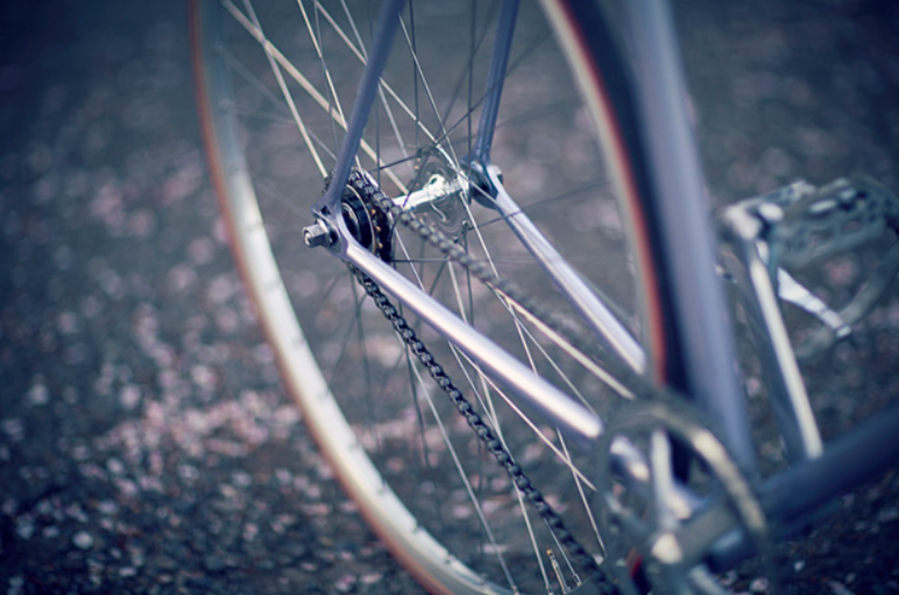
Initially, buyers email height, inseam, and saddle-to-bar data. Within forty-eight hours, staff return a CAD draft showing stack, reach, and stand-over. A 30 percent deposit locks the queue. Six weeks later, brazing begins. After alignment and finish work, shipping occurs near week nine, unless holidays interrupt. A rush path trims three weeks for an added fee. Warranty covers structural flaws for life, while crash repairs run at cost. Owners can send frames back for repaint or dropout spacing, which keeps records intact and metallurgy consistent.
 |
 |
We are an Amazon affiliate and earn from qualified Amazon purchases with no cost to you. This is for ANY product that you purchase through our links.
If you enjoyed learning about this week’s featured bicycle, don’t miss out on some cycling information you can use and enjoy! Visit our website at pacelinebikes.com Plus, check out our YouTube channel, Bicycle Restoration Man, for detailed restoration videos and showcases of our finished projects. Subscribe and join our community of bike enthusiasts!