
Contents
The Fuji Ace Hero

The Fuji Ace Hero represents a specific intersection of Japanese steel frame technology and component specification that defined mid-tier sport touring bicycles in its era – a platform that balanced production efficiency with performance requirements for both domestic and export markets.
Frame Geometry and Hero Tubing Specifications
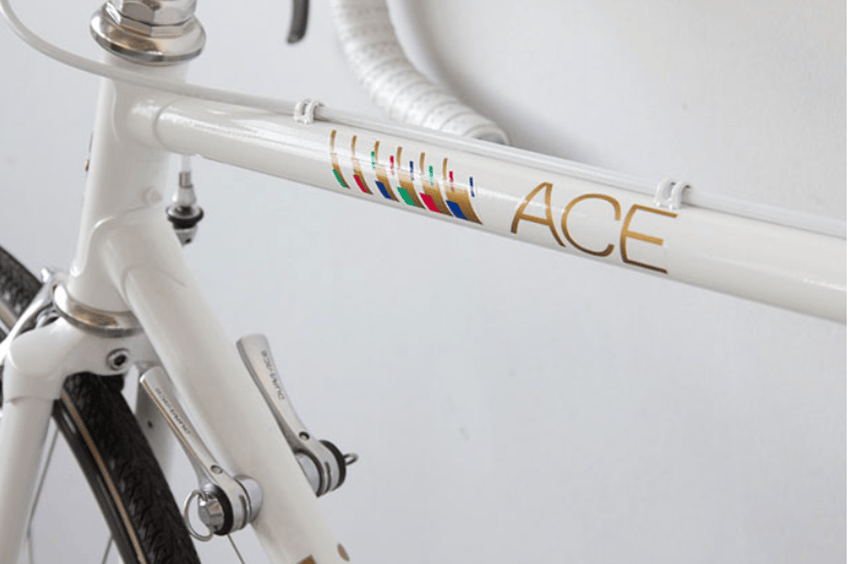
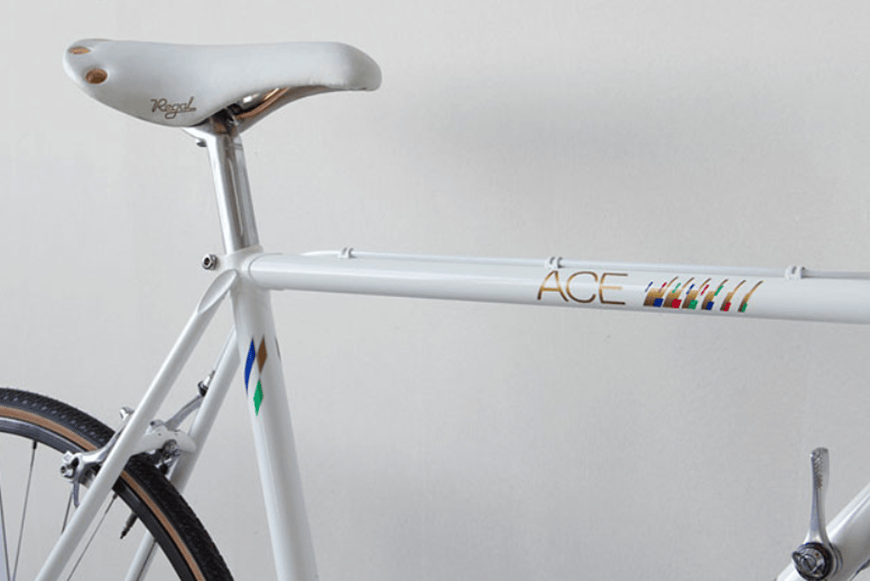
The Fuji Ace Hero’s frame geometry showcases classic Japanese design principles through its carefully calculated dimensions. Specifically, the head tube angle measures 72 degrees, while the seat tube angle sits at 73 degrees, creating a balanced handling profile. Furthermore, the chainstay length of 425mm provides adequate heel clearance for touring applications, and the bottom bracket drop of 75mm ensures stable handling. The frame utilizes Tange 2 double-butted chromoly steel tubing, which features wall thickness variations from 0.9mm at the ends to 0.6mm in the center sections. Consequently, this butting profile reduces weight while maintaining strength at stress points throughout the frame.
The Hero model’s fork crown design incorporates a semi-sloping crown pattern that became standard across Fuji’s sport touring line. Additionally, the rear dropouts feature integrated eyelets for rack mounting, and the frame includes braze-ons for dual water bottle cages. The main triangle tubes connect through investment-cast lugs, which provide clean joint transitions and consistent wall thickness at junction points. Moreover, the bottom bracket shell measures the standard 68mm width with English threading, ensuring compatibility with widely available replacement parts. These technical specifications position the bicycle as a versatile platform for both recreational riding and light touring applications.
Related Product: Park Tool BBT-22 Bottom Bracket Tool – For Shimano and ISIS Drive Splined 20-Tooth Bottom Bracket Cups ➡️ Get Yours
Component Group and Hero Model Positioning
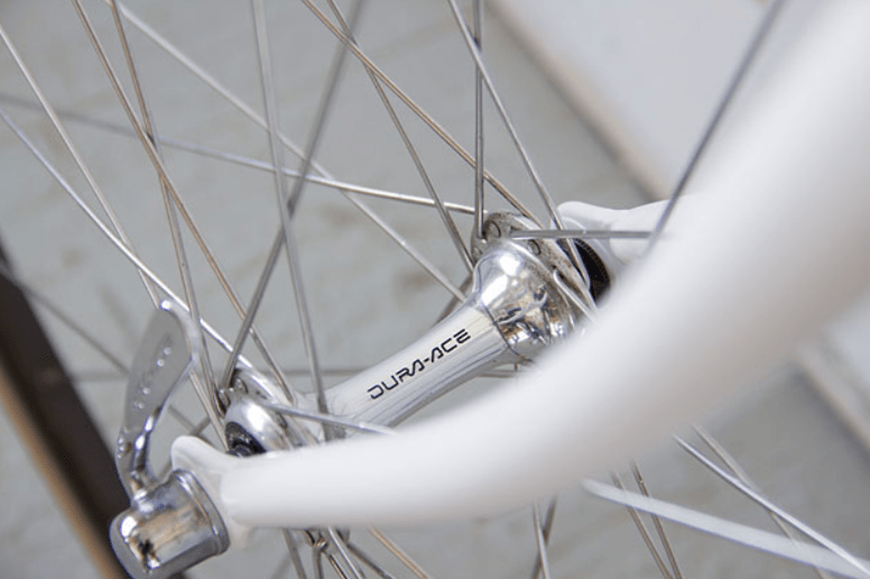
The original component specification for the Ace Hero featured a complete Shimano 600 groupset, which represented the second tier in Shimano’s hierarchy below Dura-Ace. Therefore, this strategic component selection provided reliable performance at a competitive price point. The drivetrain included a 52/42 crankset paired with a 14-28 six-speed freewheel, offering adequate gearing range for varied terrain. Additionally, the Shimano 600 brake calipers delivered consistent stopping power through their dual-pivot design. The wheelset consisted of Araya 27-inch alloy rims laced to Shimano hubs with 36 spokes front and rear, creating a durable wheel platform suitable for daily use.
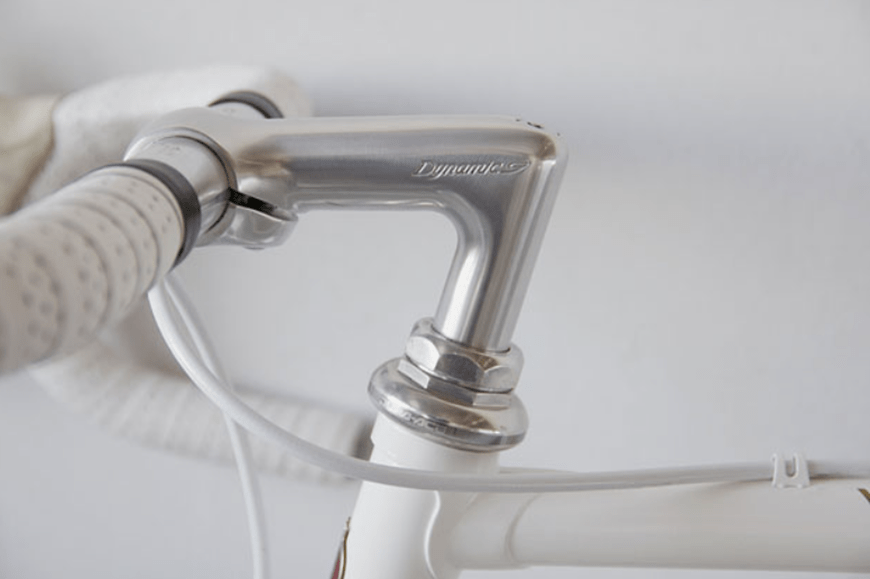
Within Fuji’s model hierarchy, the Hero occupied the space between the entry-level models and the premium racing bicycles. Subsequently, this positioning made it accessible to serious enthusiasts seeking quality without the premium pricing of top-tier models. The component selection differentiated it from the lower Special Road Racer through upgraded derailleurs and crankset materials. Meanwhile, the Hero model cost approximately 20% less than the top-specification Team model, making it attractive to budget-conscious riders. This strategic market placement helped establish Fuji’s reputation for value in export markets, particularly in North America where the brand gained significant traction.
Related Product: Shimano Tourney RD-TY500 6/7-Speed Rear Derailleur with Frame Hanger Mount ➡️ Shop Now
Production Period and Hero Variant Evolution
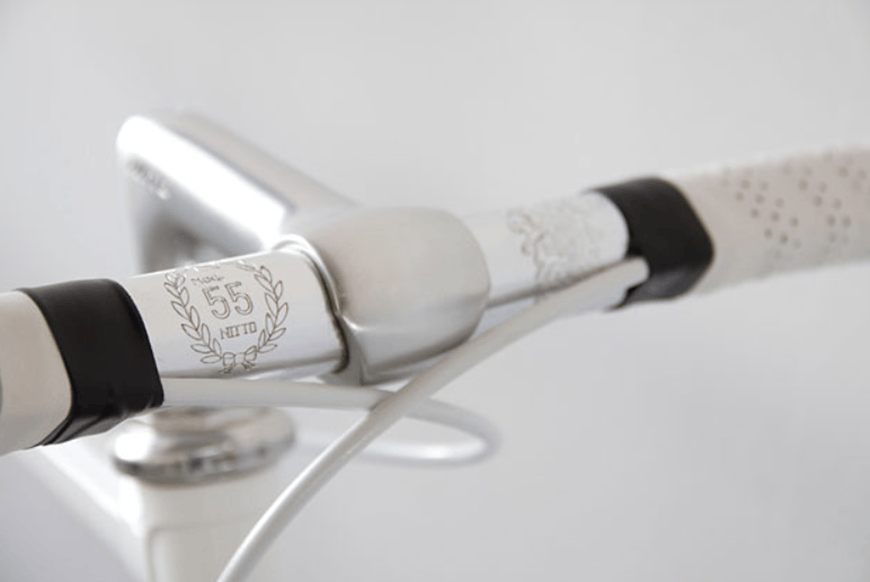
The Fuji Ace Hero entered production in 1982 and continued through 1987, spanning six model years with incremental updates. Initially, the 1982-1984 models featured horizontal rear dropouts with adjustment screws, while later versions transitioned to semi-vertical dropouts. Serial numbers follow Fuji’s standard format, with the first letter indicating year and subsequent digits showing production sequence. Furthermore, the 1985 model year marked a significant change when Fuji switched from chrome-plated fork ends to painted surfaces for cost reduction. These production variations help collectors identify specific model years and authenticate original specifications.
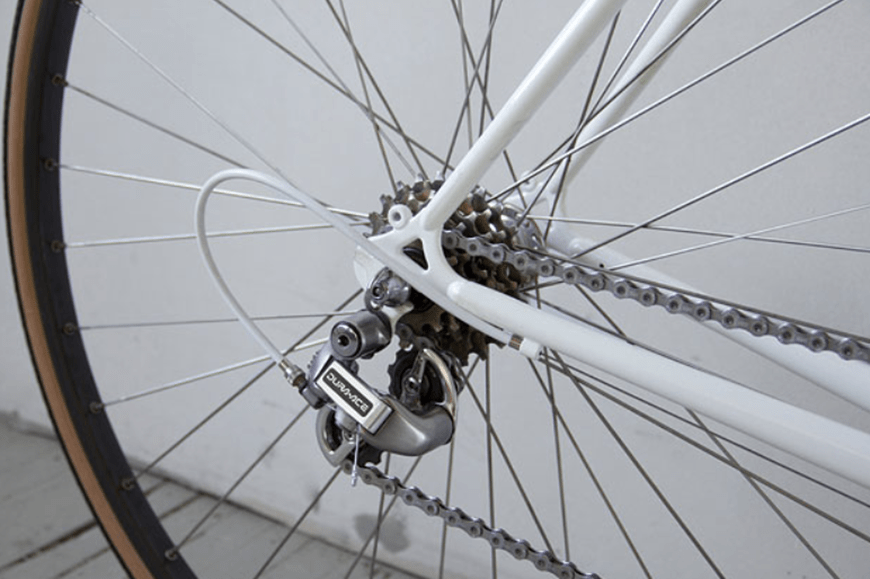
Throughout its production run, several technical modifications improved the Hero platform’s functionality. Notably, the 1986 models introduced internal cable routing for the rear brake, reducing cable exposure and improving aesthetics. The fork crown design evolved from a flat crown to a semi-sloping pattern in 1985, enhancing front-end compliance. Additionally, water bottle boss placement shifted slightly forward on the seat tube after 1984, accommodating larger frame pumps. These evolutionary changes reflected ongoing refinement based on market feedback and manufacturing efficiency improvements, demonstrating Fuji’s commitment to continuous product development.
Related Product: Finish Line Bicycle Chain Cleaner Kit with Degreaser ➡️ Get Yours
Technical Performance Characteristics of the Hero Platform
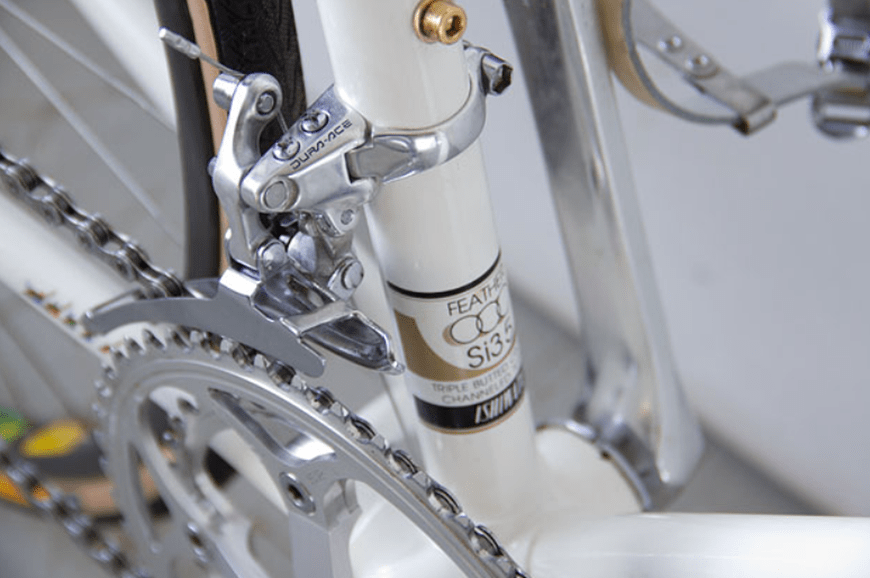
The frame’s technical measurements reveal a balanced design philosophy prioritizing stability and comfort over pure racing performance. Specifically, the 1045mm wheelbase provides predictable handling characteristics, while the 73mm bottom bracket drop ensures adequate pedal clearance during cornering. The frame stiffness measures approximately 65 N/mm at the bottom bracket under lateral loading, placing it within acceptable ranges for sport touring applications. Moreover, the complete bicycle weight of 24 pounds positions it competitively against contemporary offerings from Miyata and Bridgestone. These objective measurements confirm the Hero’s suitability for its intended market segment.
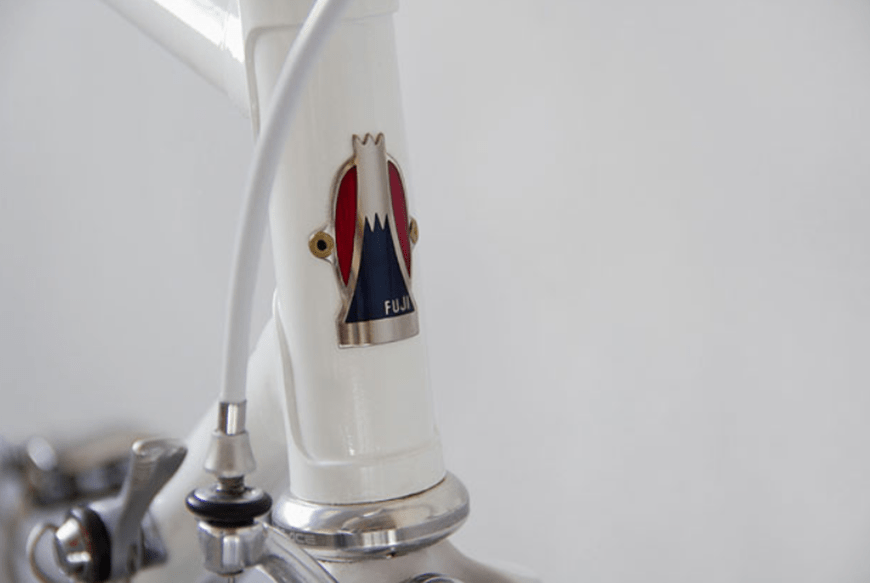
Comparative analysis against period competitors reveals the Hero’s competitive advantages and limitations. When measured against the Bridgestone 400, the Hero offers similar frame stiffness but slightly heavier overall weight due to component selection. The Miyata 610 provides marginally better vertical compliance, though the Hero’s geometry proves more stable under load. Furthermore, Panasonic’s DX-2000 features lighter tubing but commands a 30% price premium over the Hero. These technical comparisons demonstrate how Fuji successfully balanced performance, durability, and cost to create a competitive platform in the sport touring segment.
Related Product: Topeak Alien II 26-Function Bicycle Multi-Tool ➡️ Shop Now
Recommended Cycling Products
Schwinn Bike Tire with Kevlar – Upgrade your vintage bicycle with modern puncture protection while maintaining period-appropriate aesthetics. ➡️Shop Now
Cygolite Metro Plus 800 USB Bicycle Light – Enhance safety during evening rides with this powerful rechargeable lighting system. ➡️ Get Yours
Giro Register MIPS Adult Road Cycling Helmet – Protect yourself with this lightweight, well-ventilated helmet featuring MIPS technology. Invest in your safety without breaking the budget. ➡️ Shop Now
CamelBak Podium Chill Insulated Water Bottle – Keep your drinks cold during long rides with this squeeze bottle designed for cyclists. Stay hydrated and perform at your best throughout every journey. 1K Sold Last Month ➡️ Get Yours
We are an Amazon affiliate and earn from qualified Amazon purchases with no cost to you. This is for ANY product that you purchase through our links.
If you enjoyed learning about this week’s featured bicycle, don’t miss out on some cycling information you can use and enjoy! Visit our website at pacelinebikes.com Plus, check out our YouTube channel, Bicycle Restoration Man, for detailed restoration videos and showcases of our finished projects. Subscribe and join our community of bike enthusiasts!