
Contents
- 1 Fixed Gear Bike: Complete Guide to Components, Building, and Performance
Fixed Gear Bike: Complete Guide to Components, Building, and Performance
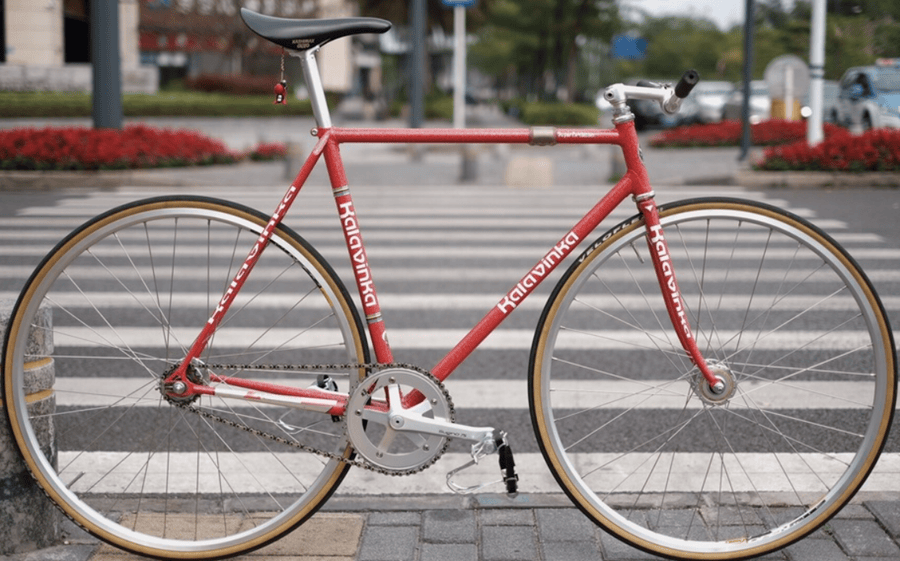
Quick Answer: What is a Fixed Gear Bike?
A fixed gear bike (or “fixie”) is a bicycle with a drivetrain that has no freewheel mechanism. The rear cog is threaded or bolted directly to the hub, meaning the pedals rotate whenever the rear wheel turns. Fixed gear bikes originated from track racing and keirin velodromes in Japan, where they’re still mandatory equipment for professional competition. Modern riders choose fixed gear bikes for their simplicity, direct power transfer, mechanical efficiency, and enhanced bike handling skills.
The Fixed Gear Bike Advantage: Why Riders Choose Direct Drive
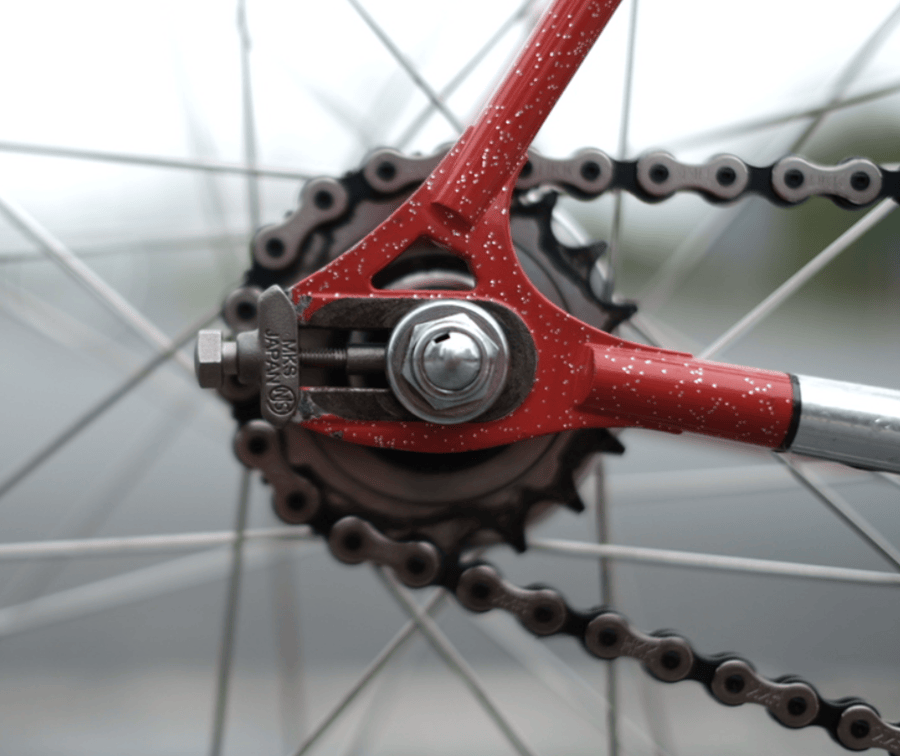
Fixed gear bikes eliminate derailleurs, shifters, and freewheel mechanisms. This simplification creates performance advantages that competitive cyclists and urban riders value.
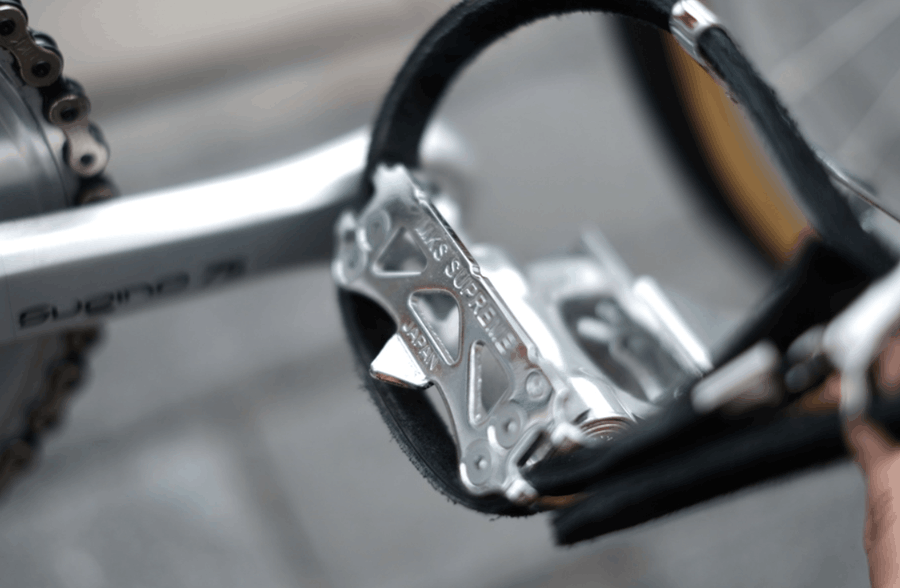
The direct connection between pedals and rear wheel improves power transfer efficiency. A fixed gear bike delivers every watt directly to forward motion, an advantage track racers have relied on for over a century.
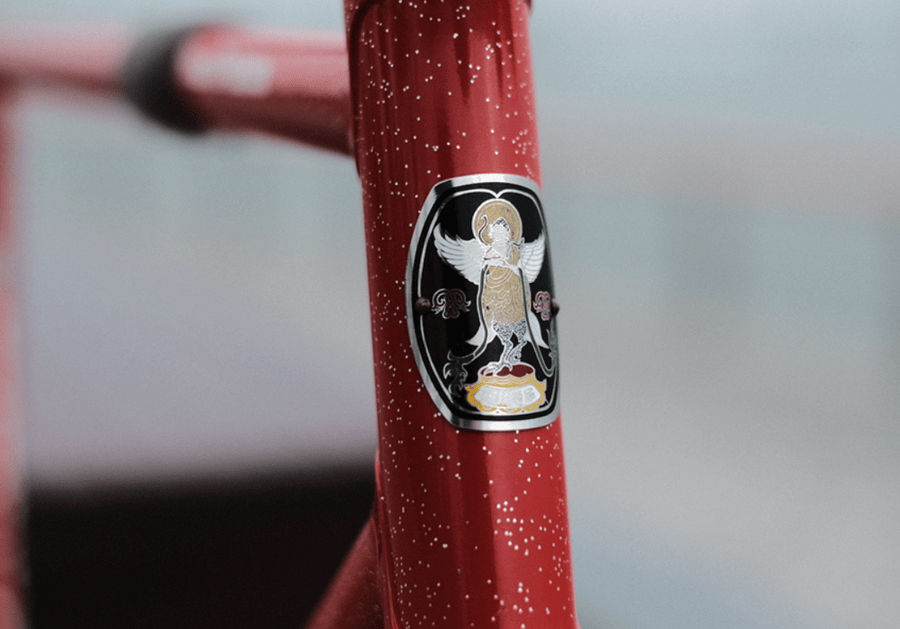
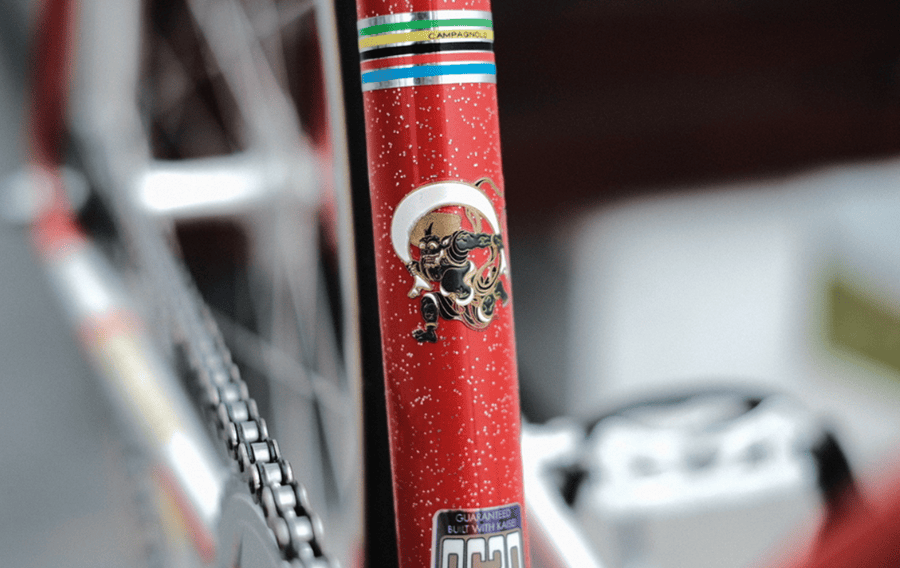
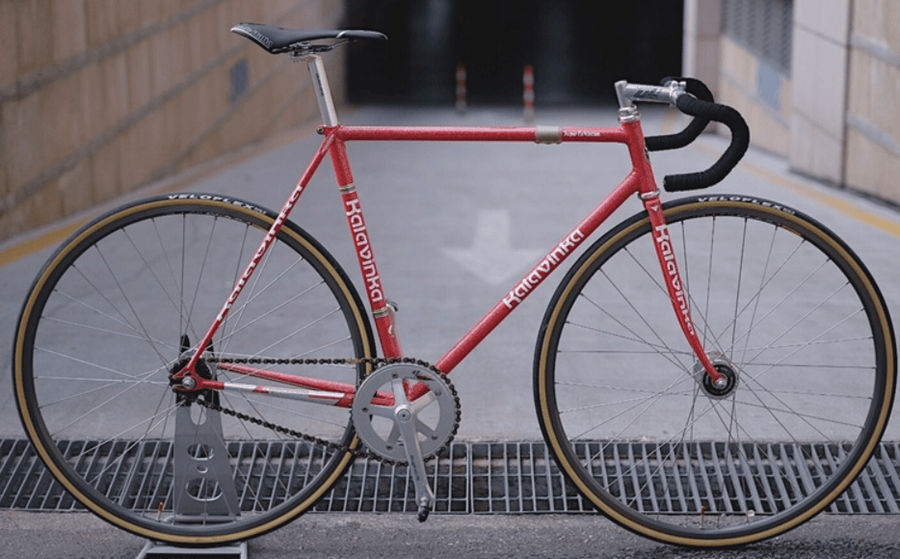
Fixed gear bikes also develop superior bike handling skills. Constant pedal rotation creates smoother cadence, better cornering, and enhanced balance. Japanese keirin racing produces some of the world’s finest examples, like the Kalavinka Super Exhibition built by master craftsman Akio Tanabe in Tokyo.
Essential Components: Building a High-Performance Fixed Gear Bike
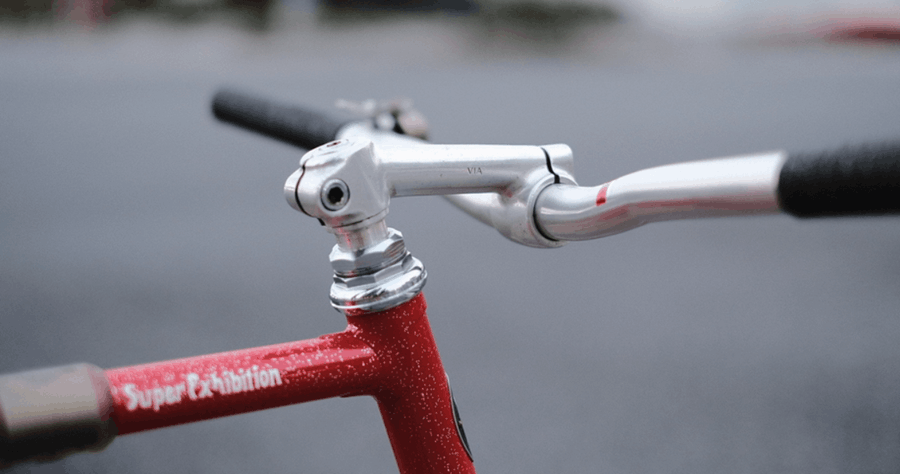
The Frame: Geometry and Material Selection
Quality fixed gear bike frames feature steep seat tube angles (74-75 degrees), short wheelbases, and elevated bottom brackets for pedal clearance on banked velodromes.
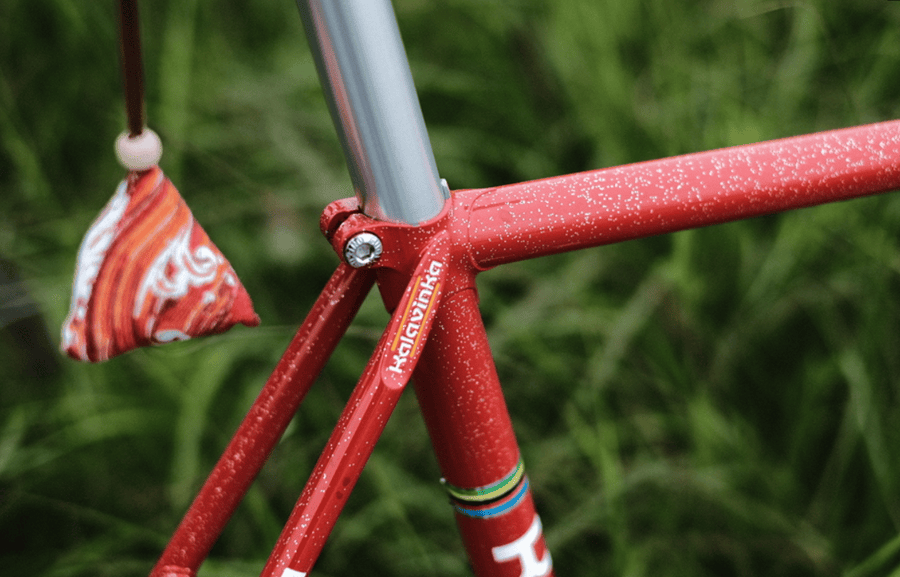
Steel remains the preferred material. Tange, Columbus, and Kaisei tubing provide stiffness for power transfer while maintaining street-riding compliance. The Kalavinka Super Exhibition uses premium Columbus tubing, combining European prestige with Japanese craftsmanship.
Proper sizing matters—most riders size down 1-2cm from their road bike for the aggressive track position.
Drivetrain Configuration: Gear Ratios and Component Selection
Gear ratio selection balances acceleration against top speed. For street riding, ratios between 2.6-2.8 work well. The Kalavinka build runs 49×18 (2.72 ratio), providing quick acceleration with reasonable urban speeds. Track racers often push ratios above 3.0.
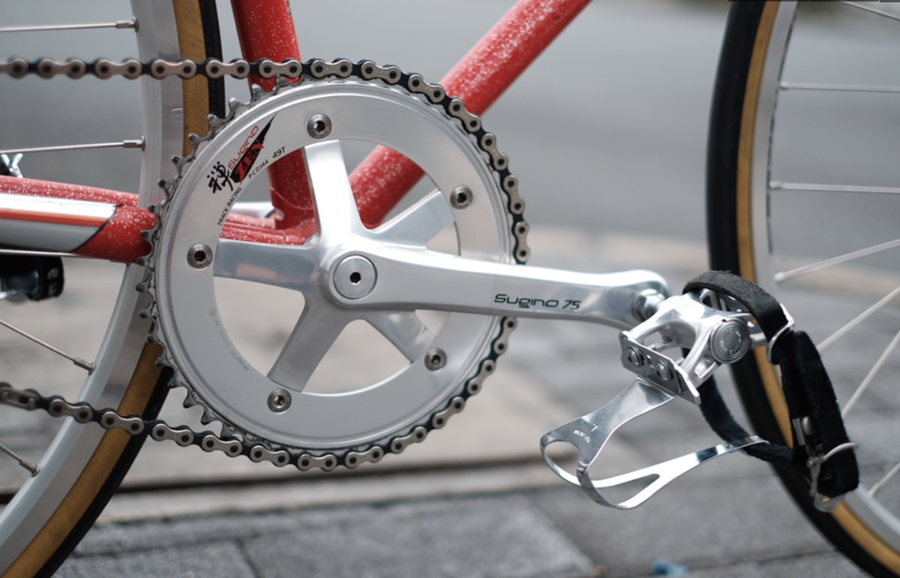
The Sugino 75 NJS crankset represents the gold standard, featuring cold-forged aluminum and proven track performance. Crank arms typically range 165-170mm, with shorter arms preferred for high-cadence work.
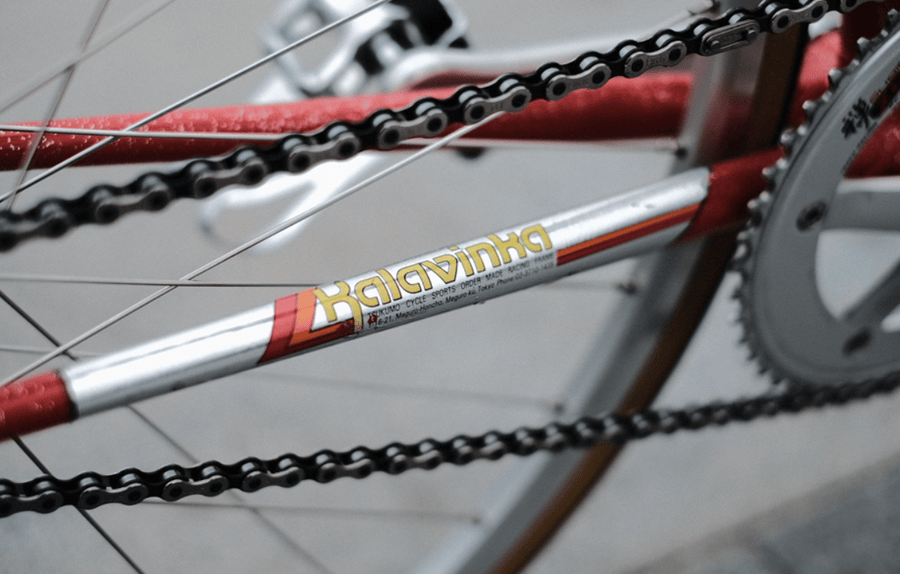
Chain tension requires precise adjustment. Most frames include horizontal dropouts allowing rear wheel positioning to eliminate slack without tensioners.
Wheelset Architecture: Hubs, Rims, and Tire Selection

Fixed gear bike wheels withstand constant pedal pressure that freewheel systems never experience. Track hubs feature threaded interfaces for fixed cogs, with flip-flop options available. Quality choices include Shimano Dura-Ace, Phil Wood, and White Industries hubs.
The Mavic Open Pro rim offers excellent strength-to-weight ratio. Spoke count typically ranges from 28-36 holes, with 32-spoke builds providing optimal compromise.
Tire width affects ride quality significantly. Track riders use 23-25mm for speed, while street riders prefer 25-28mm for puncture protection and comfort.
Cockpit Setup: Handlebars, Stem, and Contact Points
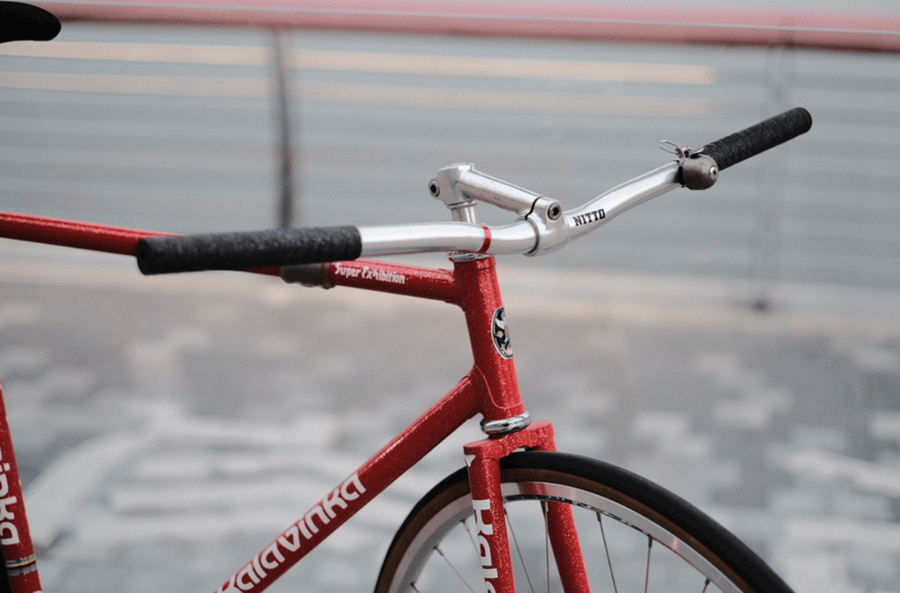
Handlebar choice varies by riding style. Drop bars like the Nitto B123AA provide multiple hand positions, while riser bars suit urban riders prioritizing visibility.
Stem length affects handling—shorter stems (80-100mm) create quick steering for track and city riding. Saddle position typically runs slightly forward compared to road bikes, compensating for steeper seat tube angles.
Fixed Gear Bike Maintenance and Safety
Maintaining a fixed gear bike proves simpler than geared bicycles. Without derailleurs, mechanical issues decrease substantially.
Check chain tension regularly—it should have roughly 1/2 inch total vertical movement. Over-tightened chains accelerate bearing wear.
Brake setup remains controversial, but street riding demands at least one functional brake for safety and legal compliance. Front brakes provide maximum stopping power.
Skid stopping wears rear tires rapidly. Riders using leg braking can consume tires in weeks. Use harder rubber compounds to extend lifespan.
FAQ: Fixed Gear Bike Questions Answered
What is the best gear ratio for a fixed gear bike?
Start with 2.6-2.7 ratios (46×17 or 48×18) for easier starting and stopping. Experienced riders often run 2.8-3.0 for more speed. Track racers use ratios approaching 3.5.
Can you ride a fixed gear bike uphill?
Yes, though it requires different technique. Choose appropriate gear ratios for your terrain—lower ratios (2.3-2.5) make climbing easier but sacrifice top speed. Standing climbs work well due to direct power transfer.
Do fixed gear bikes need brakes?
For street riding, yes—at least one brake is required for safety and legal compliance. Track racing mandates brakeless bikes, but public roads require stopping power beyond leg resistance.
How do you stop on a fixed gear bike?
Apply backward pressure on pedals to slow the rear wheel while using your hand brake for controlled stopping. Practice this technique before riding in traffic.
Why are fixed gear bikes popular?
Their simplicity, low maintenance, direct feel, and skill-building characteristics appeal to performance riders and urban cyclists. Minimal design reduces weight and theft risk while track racing heritage adds credibility.
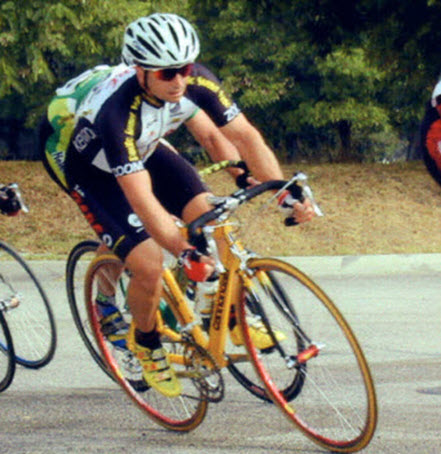
James Hickman is a former USA Cycling Expert coach, Leukemia & Lymphoma Society’s Team N Training coach and Masters category racer with podium finishes in So Cal events.
Recommended Cycling Products
Top-rated products based on social media and Reddit recommendations:
Garmin Edge 540 – Best value GPS cycling computer with detailed metrics and navigation. Consistently recommended on r/cycling.
Continental GP 5000 S TR Tires – Benchmark performance tires praised across cycling communities for grip, speed, and puncture protection.
Fizik Antares R3 Saddle – Highly rated for comfort on aggressive riding positions. Popular choice among performance cyclists.
Park Tool Home Mechanic Toolkit – Reddit’s top recommendation for home maintenance.
We are an Amazon and Competitive Cyclist affiliate and earn from qualified purchases with no cost to you. This is for ANY product that you purchase through our links.