
Categories
Classic Japanese Bicycles

Wooden Bicycle: How Sueshiro Sano Defied Convention

competitive cyclistCompetitive Cyclist

The Maritime Heritage Behind Sano’s Wooden bicycle Masterpieces

Sueshiro Sano's wooden bicycle
SPECIAL THANKS TO INHABITAT.COM AND COOLHUNTING.COM FOR THE IMAGES AND INFORMATION CONTAINED IN THIS ARTICLE!

A wooden bicycle by Sueshiro Sano is this weeks “BicycleJapanese Steel classic bicycle design from Japan of the Week”. As a ninth-generation shipwright from the historic Sano Shipyard, Sueshiro Sano naturally brings more than 200 years of family craftsmanship to his wooden bicycle designs.
Moreover, his early exposure to shipbuilding techniques has fundamentally shaped his approach to creating these extraordinary two-wheeled works of art. Furthermore, this unique maritime background enables him to understand wood’s behavior in ways that most bicycle craftsmen simply cannot match.
wooden bicycle handlebarsFrom Ships to Cycles: A Master Craftsman’s Journey

Initially working with wooden ships as a teenager, Sano subsequently transformed his shipbuilding expertise into something entirely unexpected. In fact, his decision to craft his first wooden bicycle in 2008 marked a brilliant fusion of traditional woodworking and modern transportation design.

SCRATCH LABS HYDRATION

Additionally, his comprehensive understanding of wood’s properties has enabled him to create bikes that are both beautiful and functional.

wooden bicycle top tube

The Magnificence of Mahogany: Material Selection Matters

The careful selection of Honduran mahogany particularly stands out in Sano’s work. Consequently, this premium wood offers unique flex and responsiveness that metal frames simply cannot replicate.

Furthermore, the natural properties of mahogany contribute significantly to the rider’s control and pacing capabilities. Meanwhile, the wood’s durability ensures these wooden bicycle frames maintain their integrity in various weather conditions.

wooden bicycle stemCrafting Excellence: The Three-Month Journey

During the meticulous three-month building process, Sano personally oversees every aspect of construction. First, he carefully selects and prepares the mahogany.

Then, he applies time-honored woodworking techniques to shape each component. Throughout the process, his attention to detail ensures that every wooden bicycle becomes a unique masterpiece of functional art.

wooden bicycle fork and bottom bracketInnovation Through Tradition: Design Improvements

Since launching his first prototype, Sano has consistently refined his designs. Consequently, he has managed to reduce the average weight from 11 kilograms to approximately eight.

Moreover, his recent innovations include the groundbreaking fully-integrated seat post design. This advancement particularly demonstrates his commitment to pushing the boundaries of wooden bicycle engineering.

wooden bicycle saddle
The Perfect Fit: Custom-Tailored Components

Each wooden bicycle component is specifically designed for its rider. Therefore, everything from the handlebar size to seat proportions is perfectly matched to the owner’s measurements.

Additionally, the integrated seat post design, while eliminating adjustability, ensures an unmatched custom fit. Subsequently, this attention to individual requirements results in superior riding experiences.

wooden bicycle right front angle imageProfessional Performance: Beyond Aesthetic Appeal

Despite their artistic beauty, these wooden bicycles have proven their worth in professional racing environments. Indeed, multiple prototypes have successfully competed in both favorable and challenging weather conditions. Furthermore, the natural flex of mahogany provides unique advantages that contribute to enhanced performance capabilities.

left side of wooden bicycleThe Price of Perfection: Investment in Artistry

While the $20,000 price tag might initially seem steep, it ultimately reflects the extraordinary level of craftsmanship involved. Moreover, each wooden bicycle represents countless hours of skilled labor and generations of woodworking expertise.

Additionally, owners receive not just a means of transportation, but a true functional art piece that embodies centuries of Japanese craftsmanship.


rock bros top tube bag on wooden bicycle
LEARN MORE
 

Wahoo bundle
LEARN MORE

We earn from qualified Amazon purchases with NO cost to you. ANY item that you need or were going to purchased anyway through any of our links, helps support this site. Thank you for your support!

If you enjoyed learning about this week’s featured bicycle, don’t miss out on some cycling information you can use and enjoy! Visit our website at pacelinebikes.com Plus, check out our YouTube channel, Bicycle Restoration Man, for detailed restoration videos and showcases of our finished projects. Subscribe and join our community of bike enthusiasts!

Categories
Japanese Road Bikes

Japanese Road Bike Spotlight: The Vintage Takahashi Masterpiece

Competitive Cyclist Sale

Japanese Road Bike: A Takahashi Masterpiece

Takahashi Japanese road bike
SPECIAL THANKS TO EBAY’S BIKERNUNZIO FOR THE IMAGES CONTAINED IN THIS ARTICLE!

The Master Builder’s Touch

The Japanese road bike, a Takahashi, is this weeksJapanese Steel classic bicycle design from JapanJapanese Bicycle of the Week”. When examining this Takahashi from Sannow Sport, we see the hallmarks of traditional Japanese frame building methodology. Hand-crafted by Nagatoshi Takahashi in his Tokyo suburban workshop, the frame demonstrates precision construction techniques common to Japanese builders of this era.

Japanese road bike headset

The frame’s primary features include Nervex “Fancy” Professional lugs, which were among the most respected lugs available during this period. Furthermore, the lightweight tube set features particularly thin seat and chain stays, characteristic of performance-oriented frames.

The Campagnolo dropouts provide secure wheel mounting and proper alignment for gear indexing, while offering the adjustability needed for precise wheel positioning.

Japanese road bike crankset

Technical Overview

The frame geometry combines a 54cm center-to-center top tube with a 56cm center-to-center seat tube. This configuration typically provides a more upright riding position compared to racing geometries of the same era.

The restoration utilized Monarch Orange Metallic paint, applied after proper frame preparation and priming. The build notably features Shimano’s Crane rear derailleur, a historically significant component that preceded and influenced the development of the later Dura-Ace series.

Shimano Crane derailleur on this Japanese road bike

The Crane derailleur represents an important transition period in Japanese component manufacturing, as it helped establish Shimano’s reputation for precise shifting mechanisms before they launched their flagship Dura-Ace line.

Japanese road bike bottom bracket

The wheelset combines new old stock Suntour Superb Pro hubs with 36-hole clincher rims, likely Mavic, though the specific model remains unconfirmed. The wheelset combines new old stock Suntour Superb Pro hubs with 36-hole clincher rims.

Elaborate lug work on the Takahashi Japanese road bike
INCREDIBLE LUG WORK!

Component Analysis

The Nitto bar and stem combination adds period-correct cockpit controls, manufactured to Japanese Industrial Standards (JIS) specifications. The 28mm Continental tires provide increased comfort and traction compared to period-correct tire sizes, which typically ranged from 19-23mm.

This tire upgrade demonstrates how vintage frames can adapt to modern riding preferences while maintaining their classical attributes. The 36-spoke wheel build represents a traditional approach to wheel construction, providing durability and serviceability through equal spoke tension distribution.

7200 black shifters on this Japanese road bike

Construction Details

The frame’s construction exhibits several notable technical features. The Nervex Professional lugs required precise preparation and fitting, as these lugs demanded careful filing and shaping to achieve clean lines and proper structural integrity.

The thin-wall tubing, while providing weight advantages, required skilled brazing technique to prevent overheating and potential damage during construction. The Campagnolo dropouts integration demonstrates proper spacing and alignment necessary for reliable gear operation and wheel security.

Japanese road bike handlebars

Technical Preservation

This restoration preserves the frame’s key structural elements while upgrading specific components for modern usage. The original frame specifications remain unaltered, maintaining the builder’s intended handling characteristics. The preservation process involved careful paint removal, frame alignment verification, and surface preparation before applying the new finish. Modern sealing techniques protect the frame’s internal surfaces while maintaining period-correct external aesthetics.

LEARN MORE
 

LEARN MORE

We earn from qualified Amazon purchases with NO cost to you. ANY item that you need or were going to purchased anyway through any of our links, helps support this site. Thank you for your support!

If you enjoyed learning about this week’s featured bicycle, don’t miss out on some cycling information you can use and enjoy! Visit our website at pacelinebikes.com Plus, check out our YouTube channel, Bicycle Restoration Man, for detailed restoration videos and showcases of our finished projects. Subscribe and join our community of bike enthusiasts!

Categories
Classic Japanese Bicycles

The Cherubim Airline: Bicycle Tubing Transformed

Competitive Cyclist Sale

 The Airline: Bicycle Tubing Transformed

cherubim airline bicycle tubing
SPECIAL THANKS TO BIKERUMOR.COM AND HANDBUILTBICYCLENEWS.COM FOR THE IMAGES CONTAINED IN THIS ARTICLE!

Breaking New Ground in Steel Frame Design

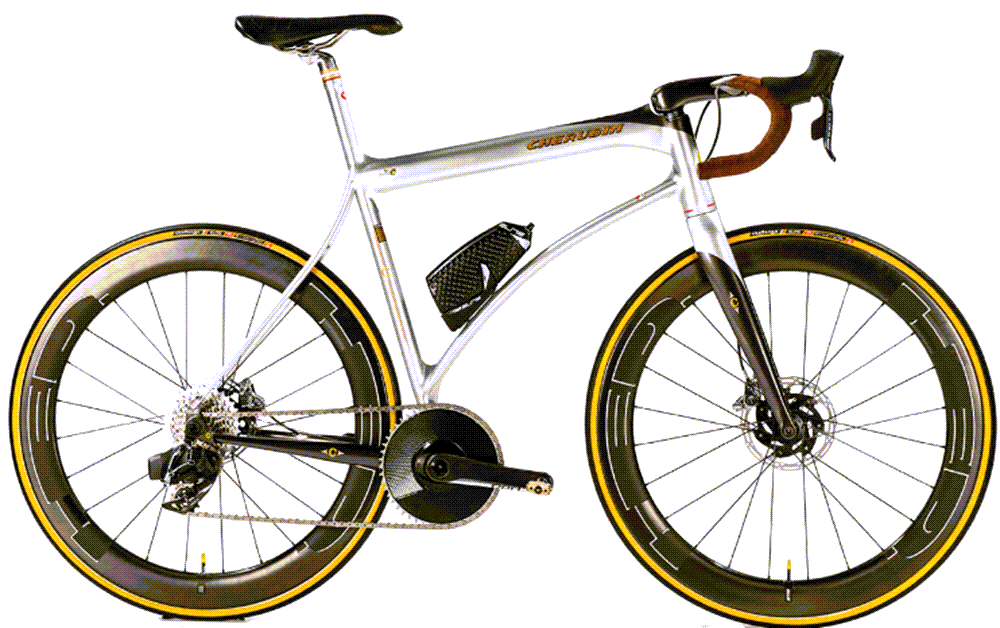
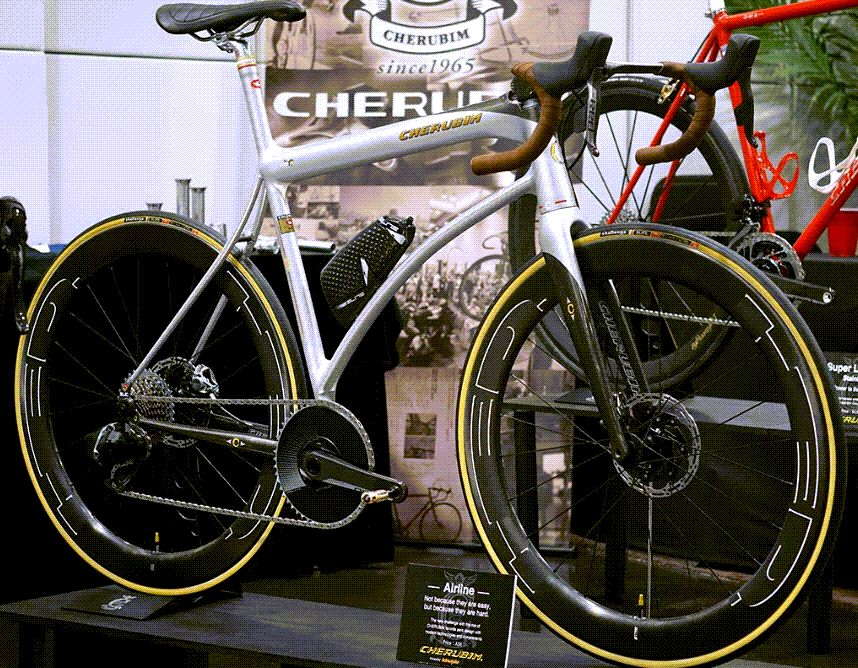
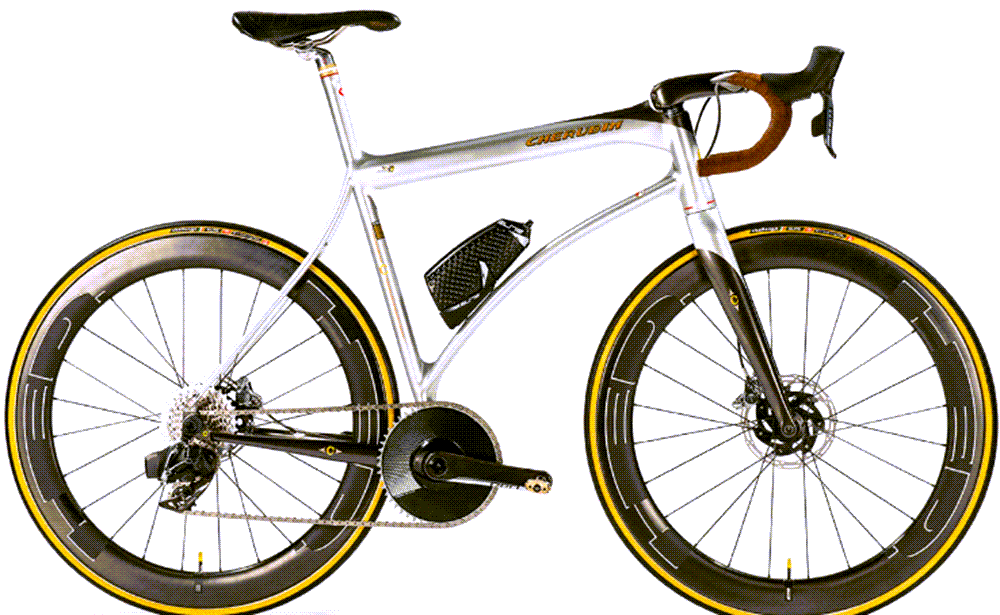
The Cherubim Airline with innovative bicycle tubing isJapanese Steel classic bicycle design from Japan this weeks “Japanese Bicycle of the Week”. When Cherubim unveiled their latest frame building masterpiece, the Airline, they revolutionized steel fabrication techniques. Specifically, this breakthrough in bicycle tubing manipulation showcases how traditional steel can transcend basic frame geometry. Moreover, the Airline’s sophisticated tube shaping demonstrates unprecedented metal forming capabilities.

As a result, each precisely crafted curve transforms standard steel alloy into architectural art. Furthermore, the innovative frame construction challenges conventional building methods. Subsequently, this progression in tube forming technology opens new possibilities for steel frame design.

airline bicycle tubing

Modern Integration Meets Traditional Craftsmanship

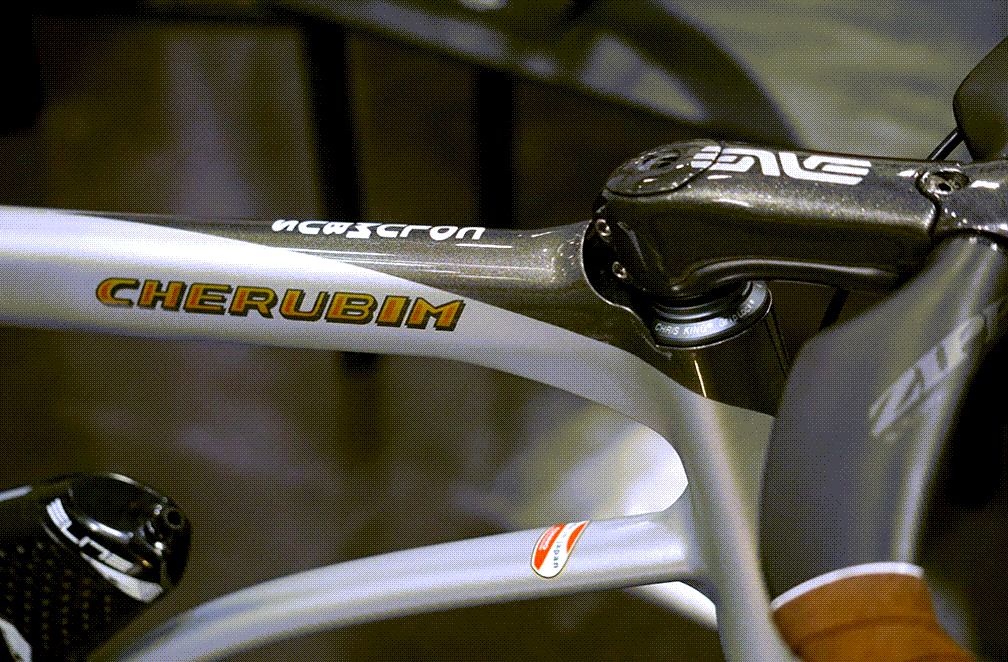
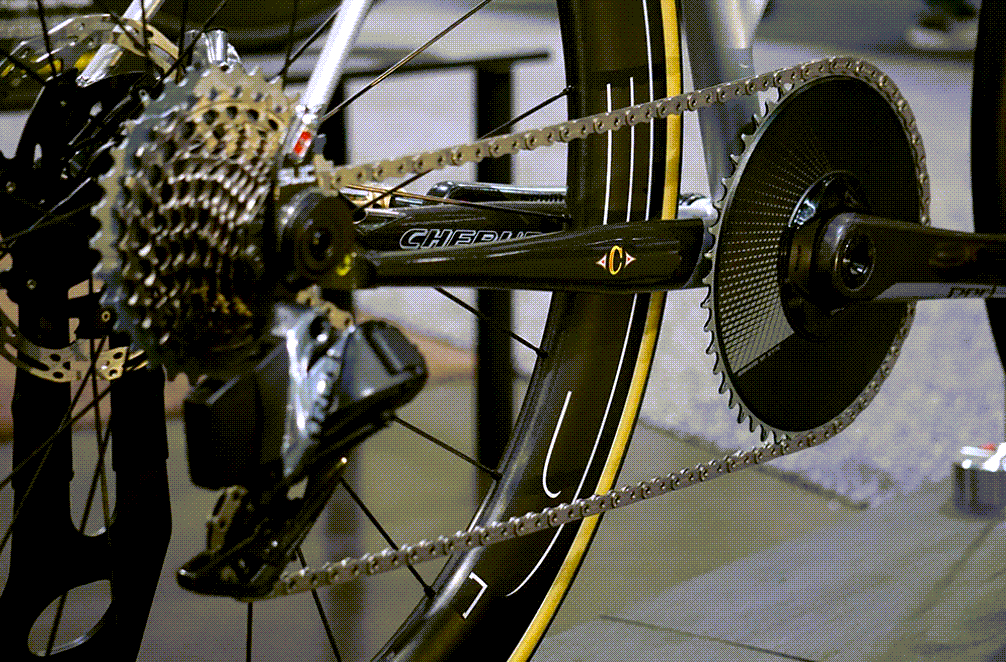
The Airline seamlessly merges classic steel craftsmanship with contemporary components. In particular, the frame geometry perfectly complements the new ENVE aero carbon stem and Zipp aero handlebars. Subsequently, the design harmonizes with SRAM’s cutting-edge 1×12 Red AXS group.

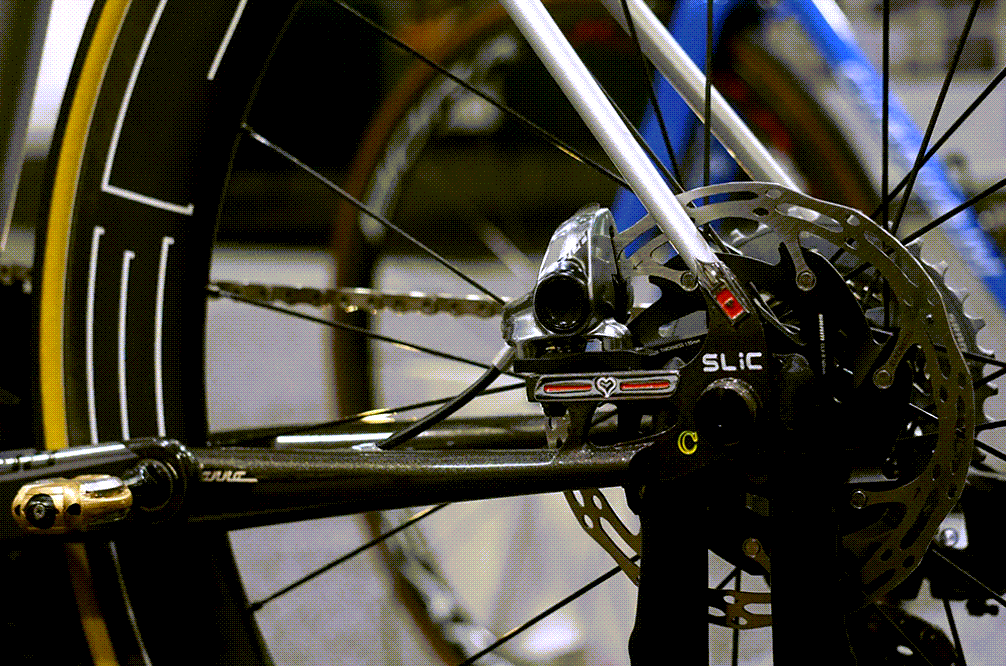
Meanwhile, the most remarkable tube manipulation appears in the flat mount brake design. Rather than using conventional spacers, Cherubim developed a dedicated shelf through careful steel fabrication. Consequently, this solution enhances both structural integrity and aesthetic appeal.

Furthermore, the integration of modern components with traditional steel construction demonstrates the versatility of properly manipulated frame tubing. Therefore, the Airline proves that steel remains relevant in an era of carbon fiber dominance.

Airline drive train and the bicycle tubing

Revolutionary Tubing Development

The essence of the Airline’s innovation lies in its advanced butted tubing technique. Specifically, Cherubim mastered custom bicycle tubing through meticulous hand-filing processes. Starting with a 46mm diameter steel alloy tube of 1mm thickness, their frame building expertise enabled precise shaping to achieve varying wall thicknesses of 0.8mm, 0.5mm, and 0.8mm.

Furthermore, this metal forming process allows for exact control over frame stiffness. Therefore, each section of tubing contributes to the bike’s overall performance characteristics.

GEAR FLOSS

The technical process involves several critical steps. Initially, the team selects premium steel alloy tubes based on specific strength-to-weight ratios. Subsequently, they employ a combination of cold working and precise heat treatment to maintain structural integrity during manipulation.

Moreover, the filing process requires exceptional skill, as removing just 0.1mm too much material could compromise the tube’s performance. The team uses specialized measuring tools accurate to 0.01mm to ensure consistency throughout the tubing walls.

steel bicycle tubing

Engineering Meets Experimentation

Gore-tex INFINIUM

Cherubim’s dedication to frame construction excellence extends beyond aesthetics. In particular, they engineered an innovative dropout design for thru-axles and flat mount brakes. This sophisticated steel fabrication prevents excessive chainstay rigidity, a common challenge in modern frame geometry.

Moreover, the team explored the relationship between a highly rigid top tube and an intentionally compliant down tube. As a result, this unique approach to tube manipulation creates distinctive riding dynamics.
The engineering process involves extensive finite element analysis (FEA) to predict stress distribution throughout the frame.

Subsequently, each tube’s diameter and wall thickness is optimized for its specific location and purpose. Furthermore, the team develops custom tooling for each unique tube shape, ensuring repeatable results in future productions.

innovative bicycle tubing

The Philosophy Behind the Innovation

For Cherubim, experimental frame building serves multiple purposes. Initially, these projects facilitate testing new metal forming techniques without compromising customer builds. Furthermore, this hands-on exploration of bicycle tubing and frame design yields deeper insights than theoretical knowledge alone.

Subsequently, successful steel fabrication innovations transfer to regular custom bikes. Therefore, each show bike advances their frame building expertise. The team’s approach to bicycle tubing development combines traditional craftsmanship with modern engineering principles.

Specifically, they maintain detailed documentation of each experimental process, including metallurgical analysis of how different forming techniques affect the steel’s grain structure. Moreover, this scientific approach to traditional craft enables consistent reproduction of successful techniques.

right side of cherubim bicycle tubing

Technical Innovations in Tube Formation

The butted tubing process represents just one aspect of Cherubim’s technical innovation. Their proprietary tube forming method involves carefully controlled heating cycles that prevent material fatigue. Subsequently, each tube undergoes multiple quality control checks, including ultrasonic testing to verify wall thickness consistency. Furthermore, the team employs specialized jigs and fixtures to maintain precise alignment during the forming process.

The technical specifications of their tube manipulation process are impressive. Temperature control during forming must remain within a 5-degree Celsius window to maintain optimal material properties. Meanwhile, the filing process requires up to six hours per tube to achieve the desired wall thickness variations. Consequently, each frame represents over 100 hours of skilled labor in tube preparation alone.

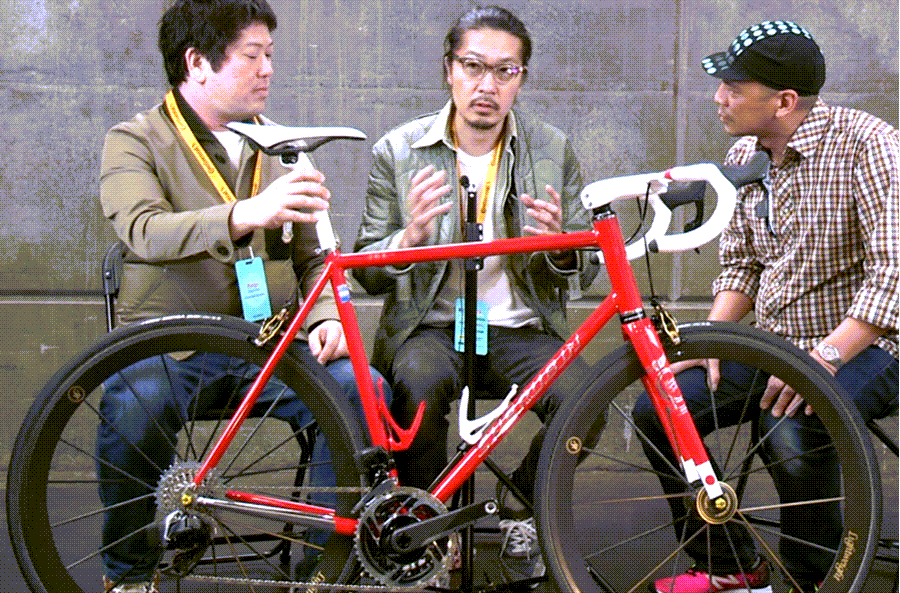
Kono and the bicycle tubing

Learning Through Building

The Airline project has already yielded valuable insights in tube shaping. Notably, both the innovative dropout design and external butted tubing techniques have proven production-ready. Moreover, this approach to bicycle tubing development illustrates how traditional steel alloys can adapt to modern standards.

As the team continues testing in Japan, they’ll gather more data about the frame’s unique characteristics. Consequently, future Cherubim frame geometry will benefit from these experiments.

In conclusion, the Cherubim Airline represents more than innovative bicycle tubing techniques. Rather, it demonstrates how dedicated frame building can push the boundaries of steel fabrication.

Through careful tube manipulation and bold frame geometry choices, Cherubim has created a bike that honors traditional steel craftsmanship while embracing modern technology. As a result, the Airline serves as both a showcase of current capabilities and a preview of future innovations in metal forming.

WAHOO KICKR SNAP WHEEL-ON TRAINER

Wahoo bundle
WAHOO ELEMNT BOLT V2 CYCLING COMPUTER BUNDLE

We earn from qualified Amazon purchases with NO cost to you. ANY item that you need or were going to purchased anyway through any of our links, helps support this site. Thank you for your support!

If you enjoyed learning about this week’s featured bicycle, don’t miss out on some cycling information you can use and enjoy! Visit our website at pacelinebikes.com Plus, check out our YouTube channel, Bicycle Restoration Man, for detailed restoration videos and showcases of our finished projects. Subscribe and join our community of bike enthusiasts!

Categories
Japanese Road Bikes

1988 NJS Bicycle: Mr. Kasuga’s Custom Remington

Competitive Cyclist Sale

1988 Remington NJS Bicycle

Remington njs bicycle
SPECIAL THANKS TO THE PEDALROOM.COM FOR THE IMAGE CONTAINED IN THIS ARTICLE!

The Historical Significance

A 1988 Remington NJS bicycle is this weeks “JapaneseJapanese Steel classic bicycle design from Japan Bicycle of the Week. In 1988, a legendary NJS bicycle took shape. Master frame builder Mr. Kasuga crafted this Remington frame specifically for Keirin racing champion Seiji Yabata. Consequently, this bike represents more than just steel and components.

Furthermore, it embodies the golden era of Japanese track cycling. Moreover, Mr. Kasuga, who sadly passed away in 2003, left behind a legacy of exceptional frame building craftsmanship. Additionally, this NJS bicycle carries the weight of racing history through every weld and joint.
one speed njs bicycle
The frame’s geometry follows strict NJS regulations, featuring steep angles and minimal clearances optimized for velodrome racing. Notably, Yabata’s racing career influenced specific frame dimensions, including a 55cm top tube and 74-degree head tube angle.

Professional-grade bike repair stand with 360° rotation and tool tray – best investment for home mechanics.

Master Craftsmanship Details

The frame showcases remarkable attention to detail. First, the 3Rensho Super End Fork Tips demonstrate superior engineering through their precise filing and chrome plating. Meanwhile, the Nagasawa Lugs display artistic flourishes typical of high-end racing frames.

njs bicycle stem

Additionally, the Remington Dropouts ensure precise wheel alignment with their 7mm thickness and forward-facing design. Therefore, these elements combine to create a track bike of exceptional quality. Furthermore, each component reflects the meticulous standards of NJS certification.

njs bicycle hub

The frame material consists of Kaisei 019 tubing, heat-treated and butted specifically for sprint racing. Subsequently, the bottom bracket shell features precise threading at 1.37″ x 24T JIS standard. Moreover, the seat tube maintains a 27.2mm internal diameter, typical of high-end NJS frames of this era. As a result, this NJS bicycle stands as a testament to Japanese bicycle manufacturing excellence.

Transform every ride with GPS-enabled cycling computers: track speed, routes, and performance metrics in real-time – from budget-friendly to pro-level options.

The Evolution to Urban Riding

Over time, this NJS bicycle adapted to modern city use. Initially, the conversion began with the handlebars. Subsequently, the original Nitto B123AA gave way to a more comfortable B220AAF model, offering a 40cm width and ergonomic drops.

njs bicycle seat stay bridge

Meanwhile, the saddle evolved from an Ariake Jaguar to a Kashimax Aero, providing better support for upright riding positions. Furthermore, the most significant change involved the drivetrain. Consequently, the original Shimano Dura-Ace track cog transformed into a practical 16T Dicta freewheel setup.

Daylight-bright USB bike lights for ultimate road safety

The gear ratio shifted from a steep 48×15 track combination to a more street-friendly 48×16. Therefore, these modifications made the bike more suitable for street riding. The addition of Dia-Compe BRS 101 brakes introduced stopping power while maintaining period correctness. Additionally, the MKS chain tensioners ensure proper chain tension despite the horizontal dropouts.

njs bicycle fork crown

Component Breakdown

The current build balances tradition with practicality. First, the Sugino Mighty crankset maintains its original NJS certification with its 170mm arms and 48T chainring. Meanwhile, the Hatta Swan Super Deluxe headset ensures smooth steering through its 32mm race diameter and high-polish steel bearings.

njs bicycle saddle

Additionally, the Kyokuto Pro Ace pedals offer reliable power transfer with their wide platform and precision bearings. Furthermore, the wheelset features authentic Ayara 16B rims, measuring 36mm in height and 22mm in width.

Competitive Cyclist 50% Off

Moreover, these pair perfectly with Hoshi Double-butted Racing Spokes and Shimano Dura-Ace BIA hubs, both maintaining their NJS certification. The Challenge Vulcano Pro Series tires provide modern 700x23c performance while respecting the bike’s racing heritage. The Sugino Mighty seatpost features a one-bolt adjustment mechanism typical of NJS components.

Contemporary Revival

Local expertise brought this NJS bicycle back to life. First, Live to Ride Bike Shop began the restoration process with a complete frame inspection and alignment check. Subsequently, LPR Bicycle Shop in Bangkok completed the transformation through careful component selection and assembly. Meanwhile, they preserved the frame’s original character by maintaining its distinctive blue-green paint and chrome details.

Furthermore, their work balanced vintage bicycle authenticity with modern rideability through careful component choices. The restoration process included repacking all bearings with high-grade lubricants and installing new seals throughout. The mechanics performed precise facing operations on the bottom bracket shell and head tube to ensure perfect alignment.

Consequently, this NJS bicycle now serves as both a practical machine and a preserved piece of cycling history. The wheelbuilding process involved careful spoke tension balancing to achieve less than 0.5mm of runout. Therefore, it continues to tell the story of Japanese track racing excellence while adapting to contemporary urban use.

This NJS bicycle bridges two worlds. Moreover, it connects racing heritage with modern street use. Furthermore, it preserves the craftsmanship of a master framebuilder. Finally, it demonstrates how classic racing machines can evolve while maintaining their soul. Therefore, this Reminton frame stands as a rolling testament to cycling history and adaptation.


camelbak water bottle

We earn from qualified Amazon purchases with NO cost to you. ANY item that you need or were going to purchased anyway through any of our links, helps support this site. Thank you for your support!

If you enjoyed learning about this week’s featured bicycle, don’t miss out on some cycling information you can use and enjoy! Visit our website at pacelinebikes.com Plus, check out our YouTube channel, Bicycle Restoration Man, for detailed restoration videos and showcases of our finished projects. Subscribe and join our community of bike enthusiasts!