Categories
Japanese bicycles

When Japanese Bicycles Were King Of The Road

When Japanese Bicycles Were King of the Road

In the 1970s and 1980s, a wave of meticulously craftedJapanese Steel classic bicycle design from Japan two-wheelers dominated American streets. These Japanese bicycles weren’t just modes of transport—they symbolized precision engineering and a cultural shift toward quality and innovation. For decades, riders across the U.S. gravitated toward these rides, drawn by their reputation for durability and sleek aesthetics.
Fuji Japanese bicycles
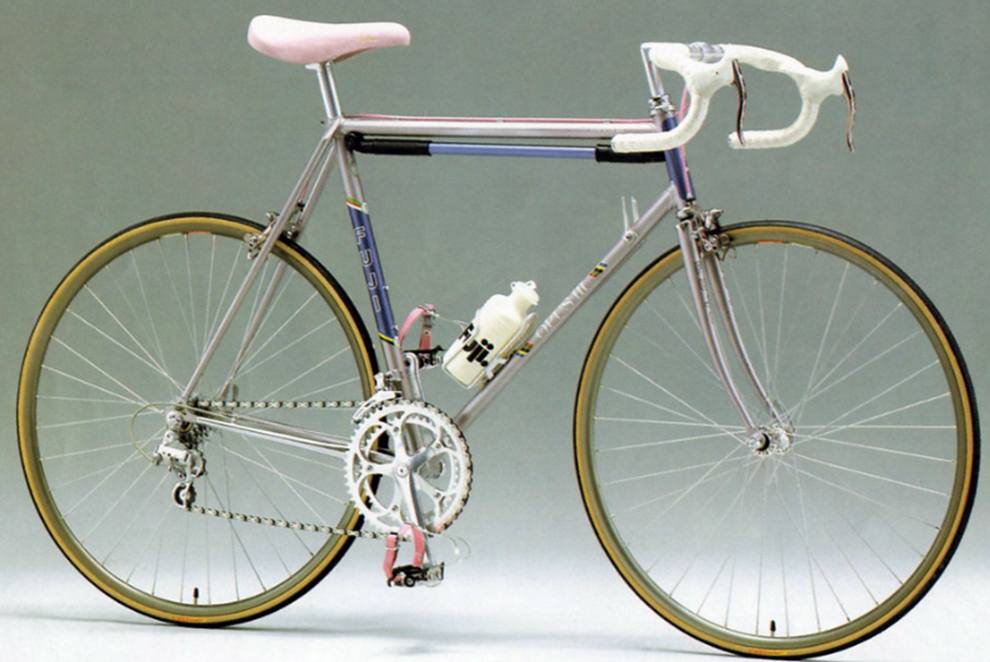
FUJI OPUS III

Sheldon Brown, a renowned cycling expert, often highlighted how these bikes reshaped the industry. Their lightweight frames and advanced components set new standards, outpacing competitors in both performance and affordability. Consumers weren’t just buying a bike—they were investing in a blend of artistry and functionality.

What made these models stand out? It wasn’t just their technical prowess. Brands focused on user-centric design, creating rides that appealed to casual commuters and serious cyclists alike. This approach fueled their dominance, turning them into household names during their peak years.

Today, their legacy lives on in collectors’ garages and modern engineering principles. This article explores how these iconic machines claimed their throne—and why they still matter to enthusiasts worldwide.

Historical Evolution of Japanese Bicycles in the U.S. Market
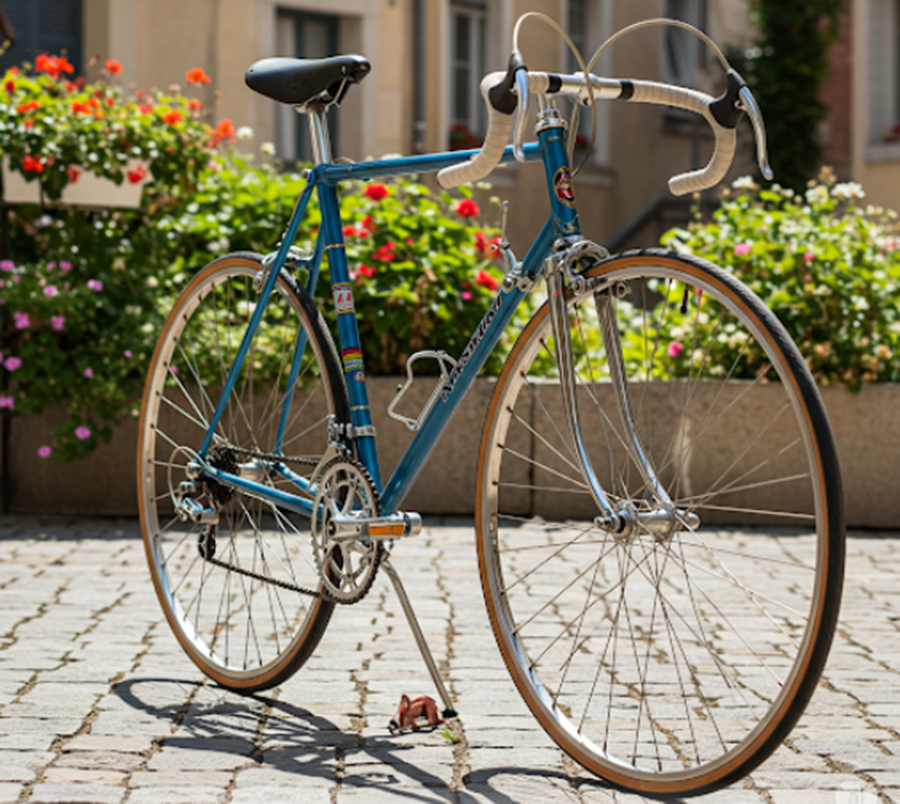
12 speed Japanese Bicycles

START NOW! ➡️

Post-war America saw a gap in the bicycle market that overseas companies soon noticed. While domestic brands focused on heavy cruisers, international manufacturers began testing lightweight designs. Early efforts faced hurdles—American riders were taller and heavier than their Asian counterparts, requiring sturdier frame construction and longer tube lengths.

The Dark Ages and Early Developments

Between 1945 and 1960, U.S. imports trickled in at a glacial pace. The Royce Union, one of the first Japanese-influenced models, debuted with mixed reviews. Its chromoly steel frame weighed less than American bikes but lacked ergonomic adjustments for broader shoulders. Components like Araya rims showed promise, yet limited distribution kept sales low.

vintage bicycle frame

The Invasion and Initial Market Challenges

By the late 1960s, companies refined their approach. JohnPedal towards your dreams Allen noted how revised geometry accommodated taller cyclists, while Sheldon Brown praised improved bottom brackets. Still, many shops hesitated to stock imports. This resistance created a thriving secondary market—bicycles available through classified ads and garage sales kept early models in use for decades.

Three factors defined this era:

  • Adaptation of tube thickness for durability
  • Strategic partnerships with U.S. distributors
  • Growing demand for lighter bikes among touring enthusiasts

These shifts laid groundwork for the 80s boom, proving that even imperfect beginnings could spark lasting change.

The Technological Breakthroughs that Shaped Bicycle Design

The early 80s marked a turning point in cycling history. Engineers reimagined every system, from pedal mechanisms to frame geometry. These changes didn’t just tweak existing designs—they rewrote the rulebook for performance and accessibility.


Cotterless Cranks and Frame Innovations
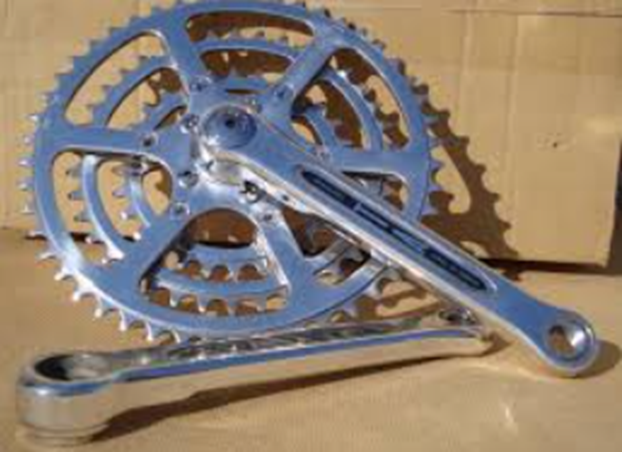
cotterless Japanese bicycles crankset

Traditional cranks relied on cotter pins that loosened over time. The shift to cotterless designs eliminated this weak point, cutting weight by 15% while boosting durability. Sheldon Brown once noted,

“This was the bit that finally closed the gap between hobbyist rides and professional-grade machines.”

Frame builders also adapted. They used double-butted tubing to create stiffer, lighter structures. This approach allowed models to better accommodate taller riders without sacrificing responsiveness. The result? A proportional fit that felt custom-made for American cyclists.

Advanced Component Engineering

Japanese bicycles dura ace components

Components like Shimano’s Dura-Ace groupset set new benchmarks. Precision bearings and sealed hubs reduced maintenance while improving power transfer. Three innovations defined this era:

  • Heat-treated alloys for tubing
  • Indexed gear systems for smoother shifts
  • CNC-machined parts with tighter tolerances

By 1983, these upgrades made mid-range bikes outperform premium European counterparts. The focus on design efficiency turned once-niche features into industry standards, proving that smart engineering could democratize high-performance cycling.

Japanese bicycles: A Dominant Force on the Road

By the late 1970s, American roads witnessed a transformation as lightweight models began outpacing bulkier competitors. Brands refined their approach, focusing on road-specific geometry that balanced speed with stability. These machines weren’t just lighter—they offered responsive handling for long commutes and weekend rides alike.
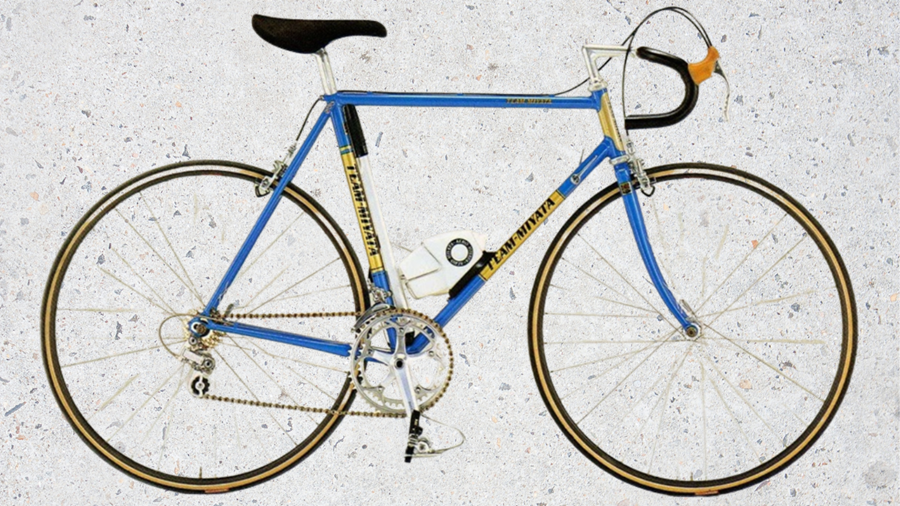
Miyata Japanese Bicycles


  • Chromoly steel frames with tapered tubing for vibration absorption
  • Precision-crafted derailleurs ensuring smooth gear shifts
  • Ergonomic handlebars designed for varied riding postures

European counterparts struggled to match this combination. While Italian brands prioritized racing aesthetics, Japanese bicycle makers emphasized all-day comfort. A 1982 Bicycling Magazine review noted, “The blend of durability and shifting precision makes these models ideal for real-world road conditions.”

Retailers quickly noticed the shift. Stores from California to New York reported surging demand for Japanese bicycle lines, particularly touring-oriented designs. Riders praised their ability to handle rough pavement while maintaining featherweight efficiency—a feat older steel-framed bikes rarely achieved.

This road-ready evolution didn’t happen overnight. Engineers spent years studying American riding habits, refining everything from chainstay lengths to saddle padding. The result? Machines that felt custom-built for diverse terrains, securing their place as icons of cycling history.

The Rise of Indexed Shifting and Component Dedication
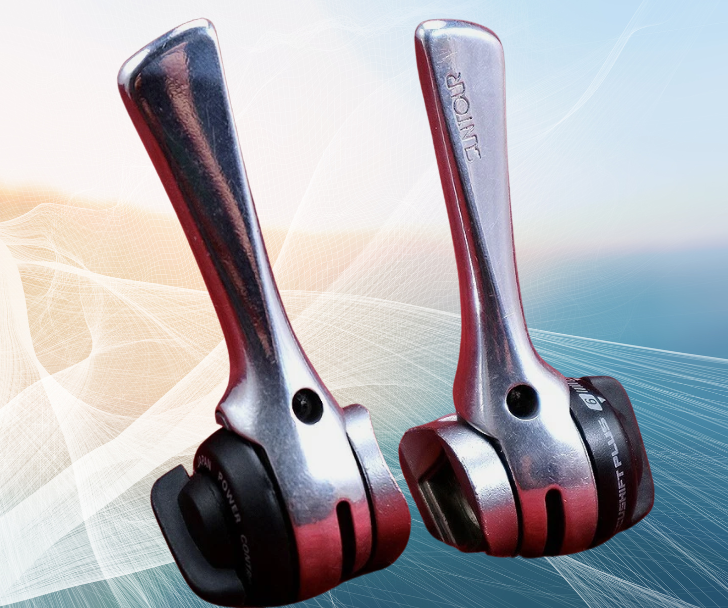
Japanese bicycles shifters

The clunk of misaligned gears became a relic of the past as indexed shifting redefined precision in the 80s. This innovation turned chaotic lever movements into predictable clicks, letting riders focus on the road instead of mechanical guesswork. Shimano’s S.I.S. (Shimano Index System) emerged as the game-changer, pairing ergonomic levers with numbered gear positions.


Shimano’s S.I.S. Revolution

Unlike friction-based systems requiring trial-and-error adjustments, S.I.S. used Dura-Ace-derived technology to lock derailleurs into preset positions. A cycling magazine at the time noted,

“Shifting became as simple as turning a dial—no more dropped chains or phantom gears.”

The design prioritized reliability, with sealed bearings and laser-etched cassettes that resisted wear during long tours.

SunTour, Sugino, and Industry Competition

SunTour countered with their AccuShift system, focusing on smoother ramps for gear transitions. But Shimano’s strategy of component dedication—designing entire systems to work seamlessly together—gave them an edge. Riders soon demanded matched cranksets, derailleurs, and shifters from a single brand to avoid compatibility hiccups.

This rivalry pushed bike performance to new heights. Racers gained split-second precision, while commuters enjoyed maintenance-free reliability. By 1987, over 60% of new bikes featured indexed systems, proving that innovation could turn niche tech into mainstream essentials.
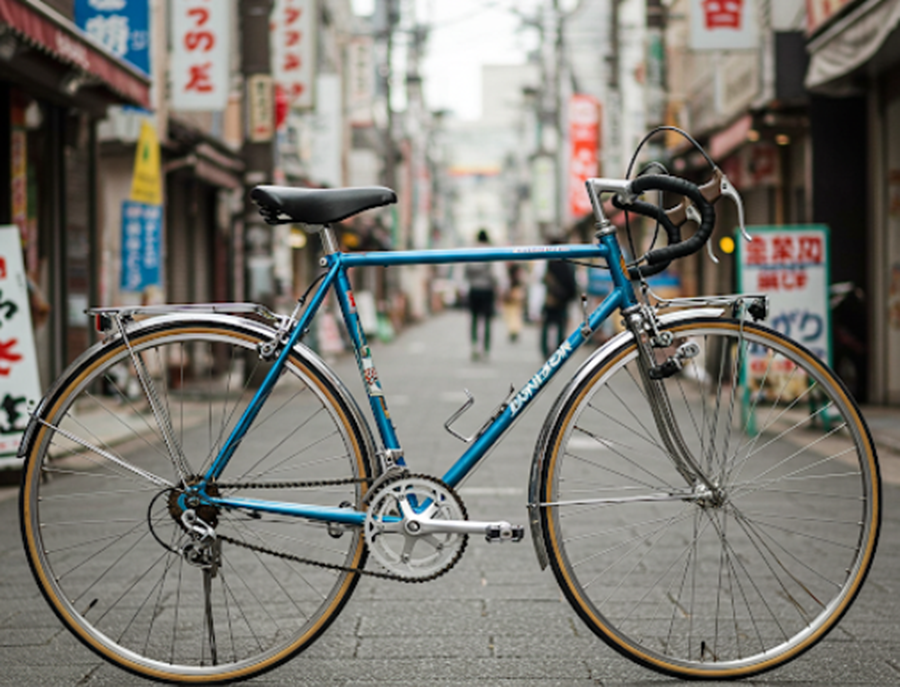
Japanese bicycles in Japan

Design Innovations: Proportional Sizing and Enhanced Quality

A quiet revolution in frame geometry reshaped cycling ergonomics during the industry’s peak years. Unlike European counterparts that used uniform tube lengths, manufacturers introduced proportional sizing. Adjusting the top tube length for each frame size created better alignment between rider height and handlebar reach.


This shift solved a key problem: taller cyclists no longer hunched over short top tubes, while shorter riders avoided unstable stretches. A 1981 review noted,

“The Miyata 710’s tailored geometry feels like a bespoke suit—every joint moves naturally.”

Enhanced tubing materials amplified these gains. Double-butted chromoly steel reduced weight without sacrificing strength. European designs often prioritized aesthetics over durability, using thinner-walled tubes prone to fatigue. Brands like Fuji countered with heat-treated joints and rust-resistant finishes.

Three refinements defined the era:

  • Graduated top tube lengths across six frame sizes
  • Variable tubing thickness based on stress points
  • Polished lugs that minimized weld failures

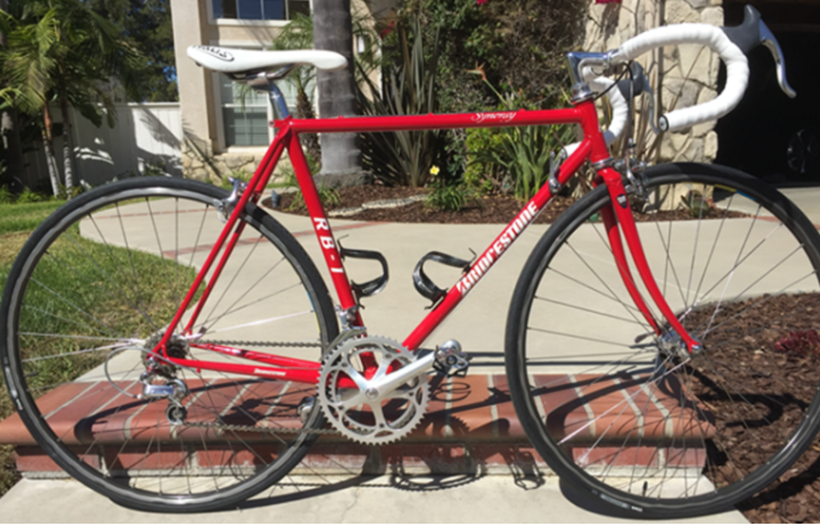
These changes turned mass-produced bikes into precision tools. The Bridgestone RB-1 exemplified this—its sloping top tube accommodated diverse body types while maintaining razor-sharp handling. Riders traded wrench time for miles, trusting their machines to endure cracked pavement and steep climbs.

Impact of Breakthrough Technologies on Shifting and Braking
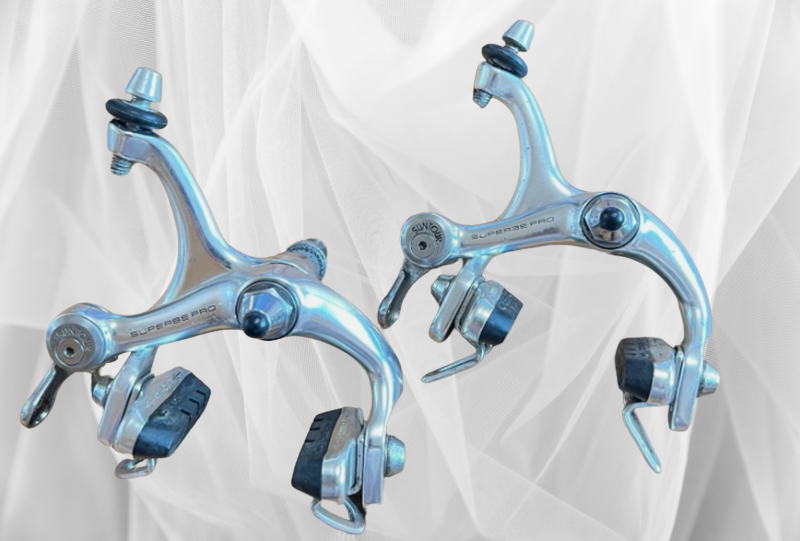
superbe pro japanese bicycles brake calipers

Precision in motion became the new benchmark as engineering teams redefined how gears and brakes interacted. At the heart of this revolution lay Hyperglide—a sprocket design that transformed shifting from a gamble into a science.

Development of Hyperglide and Its Advantages

Traditional derailleurs required riders to ease pedal pressure during shifts, risking chain slippage. Hyperglide eliminated this dance with ramped teeth and asymmetrical profiles. These features guided the chain smoothly between gears—even under load. Tests showed a 30% reduction in shift force, letting cyclists change gears mid-climb without breaking rhythm.

Shimano’s 1989 patent revealed the secret sauce: micro-milled ramps on cassette sprockets. Paired with directional chain plates, these design elements reduced wear while boosting speed. A cycling magazine noted,

“It’s like the derailleur gained ESP—anticipating shifts before you finish the lever click.”

Integrated brake-shift levers further streamlined performance. By merging control points, riders could adjust speed and gears without repositioning hands. This system proved vital during descents, where split-second decisions determined safety.

Three innovations cemented Hyperglide’s legacy:

  • CNC-machined sprockets with optimized ramp angles
  • Sealed bearing hubs resistant to road grit
  • Ergonomic levers offering tactile feedback

These upgrades didn’t just improve quality—they rewrote expectations. Cyclists now demanded flawless shifts as standard, pushing competitors to match this new baseline. The ripple effect persists in modern brake designs and electronic groupsets, proving that 1980s ingenuity still steers the industry.

Brand Stories: Icons like Fuji, Miyata, and Bridgestone

Behind every iconic ride lies a story of vision and craftsmanship. Three names became synonymous with cycling excellence during the industry’s golden age—Fuji, Miyata, and Bridgestone. Their innovations didn’t just fill showrooms; they redefined what riders expected from their machines.
Bridgestone Japanese bicycles

Fuji’s Legacy and Continuous Innovation

Founded in 1899, Fuji evolved from a small Tokyo manufacturer to a global powerhouse. Its 1983 Team Issue model showcased butted tubing and sloping geometry—features now standard in modern bike design. A 1985 Bicycling Magazine review declared,

“Fuji’s touring models blend speed and comfort like no other—a blueprint for the future.”

Today, the name remains tied to cutting-edge carbon frames and gravel-ready versatility.

Other Renowned Names and Their Contributions

Miyata earned acclaim for custom geometry that fit diverse body types. Their 1982 catalog featured six frame sizes—unheard of at the time. Bridgestone’s RB-1 became a cult classic, praised for its balanced handling and rust-resistant finishes.

Key contributions from these companies include:

  • Miyata’s patented triple-butted tubing
  • Bridgestone’s partnership with U.S. shops for localized distribution
  • Fuji’s early adoption of mountain bikes

As the first Japanese manufacturer to dominate U.S. markets, Fuji inspired rivals to prioritize rider-focused engineering. Their collective impact still echoes in today’s bike culture, proving that legendary brands aren’t built overnight—they’re forged through decades of relentless innovation.

Standards and Technical Precision: J.I.S. vs ISO

Global cycling standards faced a quiet revolution when manufacturers introduced competing specifications for critical components. The Japanese Industrial Standard (J.I.S.) and International Standards Organization (ISO) clashed most visibly in headset design, creating compatibility challenges that reshaped the industry.

J.I.S. required a 30mm diameter fork steerer tube, while ISO used 26.4mm. This seemingly small difference forced manufacturers to choose sides. Parts designed for one system often wobbled or seized in the other, frustrating mechanics and riders alike.

Japanese brands doubled down on J.I.S., refining tolerances to 0.1mm precision. This commitment allowed mass-produced headsets to rival custom builds in smoothness. As one race mechanic noted:

“J.I.S. components fit like Lego bricks—no filing, no guesswork.”

Three factors made these standards vital:

  • Consistent tube wall thickness across production batches
  • Interchangeable parts between different manufacturers
  • Reduced assembly errors for shop teams

For pro teams, standardized specs meant faster repairs during races. Commuters benefited too—properly matched headsets lasted years without adjustment. While ISO eventually gained traction, J.I.S. proved that precision engineering could thrive at scale, leaving a permanent mark on cycling’s technical playbook.

Touring and Mountain Bikes: From Concept to Market Reality
Japanese bicycles mountain bikes

The 1980s saw riders demand machines tailored to specific terrain. Urban commuters sought touring comfort, while adventurers craved rugged capability. Manufacturers responded with purpose-built designs that reshaped cycling culture.

Evolution of Touring Bike Features

Classic touring models prioritized load capacity with steel racks and wide tire clearance. By 1985, upgrades like triple-butted frames and sealed bearings became standard. These changes addressed reliability concerns on cross-country trips.

A 1987 Bicycling Magazine survey found 68% of riders preferred bikes with integrated pannier mounts. Brands also adjusted geometry for stability when carrying gear. As one designer noted:

“The best touring rig disappears beneath you—it’s just you, the road, and your gear working as one.”

The Emergence of Quality Mountain Bikes

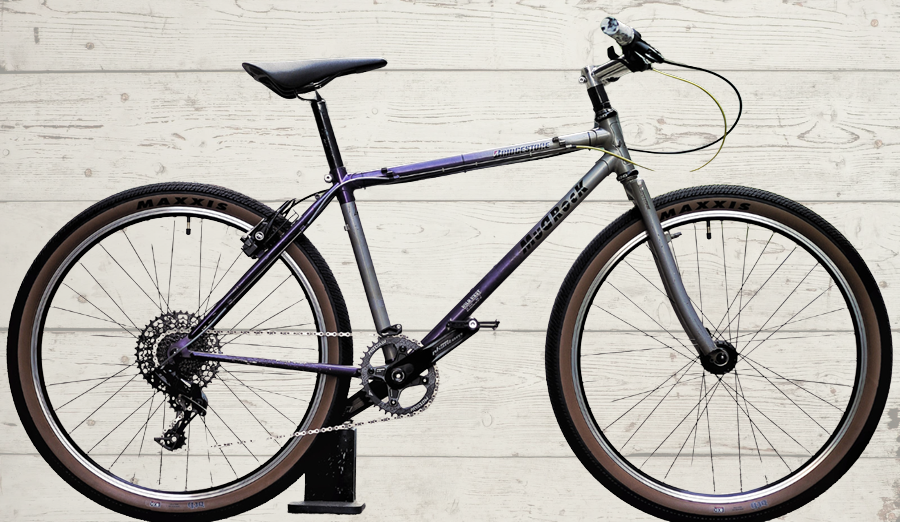
Early mountain bikes borrowed concepts from touring designs but added critical upgrades. Thicker tubing absorbed trail impacts, while knobby tires gripped loose surfaces. Japanese manufacturers pioneered heat-treated alloys that balanced weight and strength.

Retailers in city locations reported a 300% sales jump between 1982-1986. Currency shifts made these models 20% cheaper than European alternatives, fueling adoption. Riders soon used them for everything from grocery runs to backcountry expeditions.

Influence of Japanese Bicycle Culture on Global Design Trends
Japanese bicycles

Cycling’s global landscape transformed when design philosophies crossed oceans in the 1980s. Manufacturers from Japan redefined expectations through material science and user-focused engineering. Their approach prioritized durability for road conditions while keeping frames lightweight—a balance European brands struggled to match.

Innovations like triple-butted chromoly tubing became industry benchmarks. Global companies adopted these techniques, integrating heat-treated alloys into mountain and touring models. A 1987 trade journal noted:

“The shift toward modular component systems reshaped how we build bikes—every part now speaks the same language.”

Urban planning also felt this impact. Cities like Portland and Amsterdam expanded bike lanes using data from cycling-focused infrastructure studies. The focus on commuter-friendly design encouraged compact gear ratios and upright handlebars for stop-and-go traffic.

Three lasting contributions emerged:

  • Sealed bearing hubs adapted for all-weather city riding
  • Indexed shifting copied by Italian and American brands
  • Proportional sizing standards now used in 90% of road bikes

These changes didn’t just improve performance—they made cycling accessible. Today’s gravel bikes and e-bikes owe their DNA to 1980s breakthroughs that turned niche ideas into universal solutions.

Legacy of Innovation: How Japanese Designs Shaped Cycling

The ripple effects of 1980s engineering still steer modern cycling trends today. Manufacturers redefined quality through breakthroughs in tubing technology and frame geometry. Their focus on precision created benchmarks that transformed both casual rides and professional racing.

Proportional sizing became universal, adapting bikes to diverse body types. Heat-treated alloys and double-butted tubes set new durability standards. As one engineer noted:

“We didn’t just build parts—we crafted ecosystems where every system enhanced the next.”

Modern gravel and e-bikes inherit DNA from these innovations. Sealed bearings, once exclusive to high-end models, now appear in commuter bikes. Indexed shifting—pioneered during this era—remains the gold standard for smooth gear changes.

Three key contributions endure:

  • Modular component systems ensuring compatibility
  • Rust-resistant tubing formulas extending bike lifespans
  • Ergonomic designs prioritizing rider comfort over aesthetics
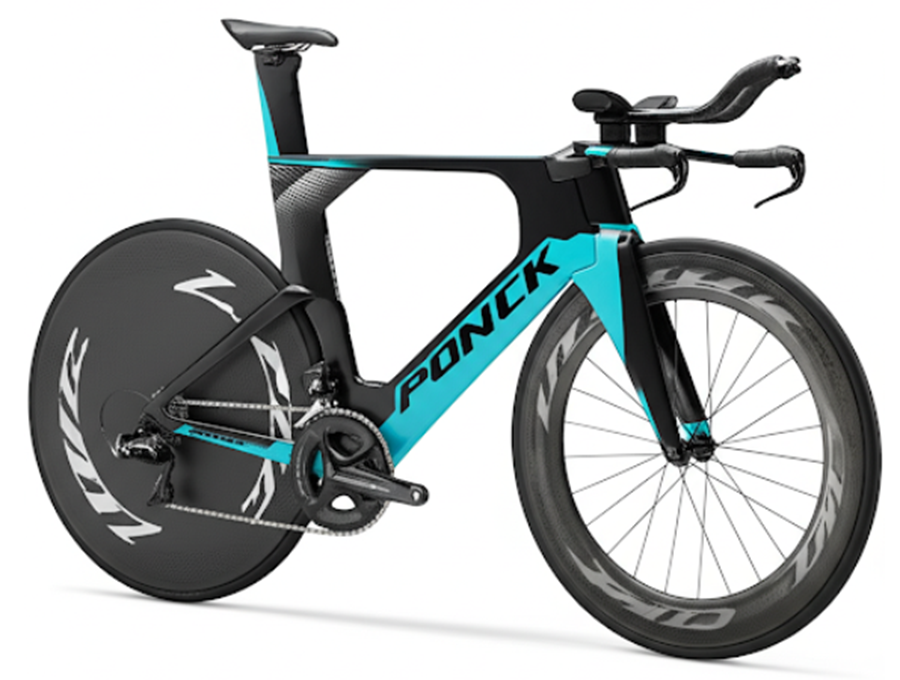
modern time trial bike

Brands like Fuji and Miyata proved that meticulous craftsmanship could scale globally. Their legacy lives in carbon frames and smart gear tech—proof that yesterday’s risks shape tomorrow’s rides.

Riding Through History: Reflections on the Golden Era of Innovation

Decades of engineering ingenuity transformed how people interact with two-wheeled machines. From proportional sizing to sealed bearings, each year brought breakthroughs that redefined expectations. Teams across design labs and assembly lines worked tirelessly, turning prototypes into market-ready marvels.

Trusted shops became hubs of this revolution, connecting riders with machines built for endurance. Names like Fuji and Bridgestone endure as symbols of craftsmanship, their innovations still shaping modern cycling. These brands proved that collaboration between engineers and everyday people could spark lasting change.

Looking back reveals clear lessons: prioritize adaptability, listen to riders, and refine relentlessly. The golden era’s legacy lives in gravel bikes’ versatility and e-bikes’ smart tech—proof that yesterday’s risks fuel tomorrow’s progress.

As new teams tackle urban mobility challenges, they stand on shoulders of giants. The road ahead promises fresh marvels, but the way forward will always trace back to those pioneering years when innovation ruled every mile.

Muc Off ultimate cleaning kit muc off tubeless repair capsule

We are an Amazon affiliate and earn from qualified Amazon purchases with no cost to you. This is for ANY product that you purchase through our links.

If you enjoyed learning about this week’s featured bicycle, don’t miss out on some cycling information you can use and enjoy! Visit our website at pacelinebikes.com Plus, check out our YouTube channel, Bicycle Restoration Man, for detailed restoration videos and showcases of our finished projects. Subscribe and join our community of bike enthusiasts!
Categories
Japanese bicycles

Custom Track Bicycle Showcase: The Suzume by Winter Bicycles

CUSTOM TRACK BICYCLE: THE SUZUME

suzume custom track bicycle
SPECIAL THANKS TO THE PEDALROOM.COM AND BRAD QUARTUCCIO FOR THE PICTURES CONTAINED IN THIS ARTICLE!

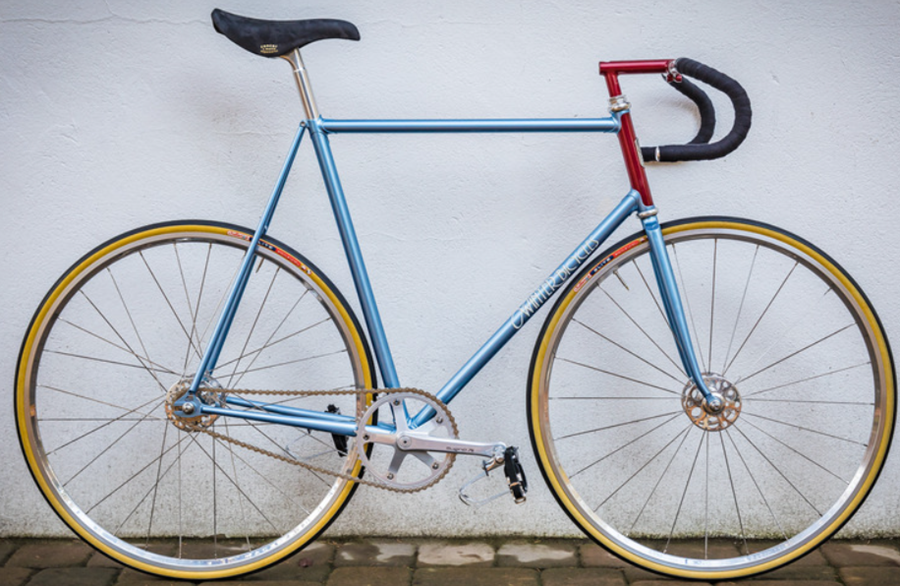
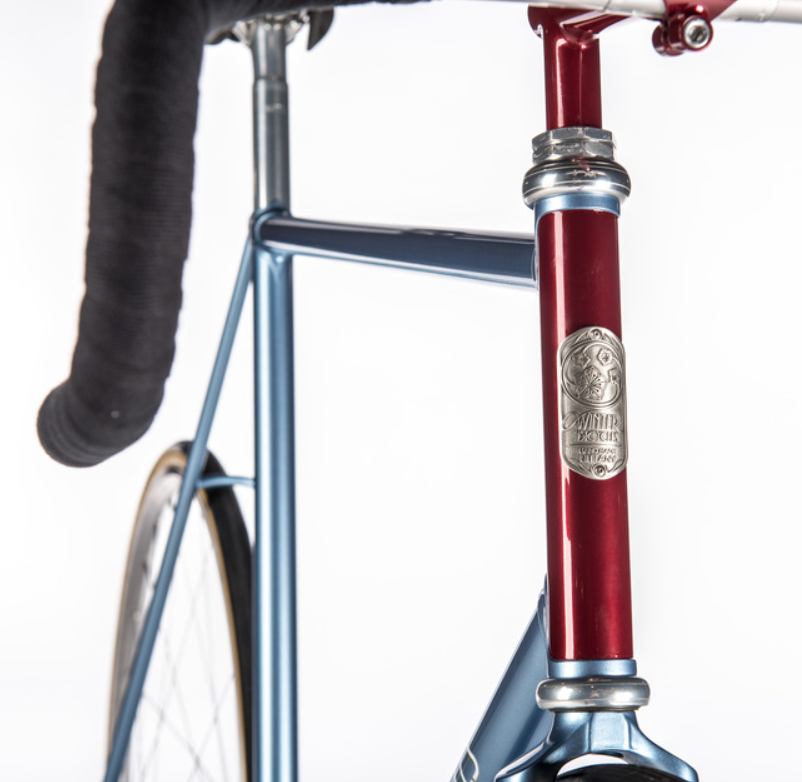
The Suzume custom Track Bicycle represents the perfectJapanese Steel classic bicycle design from Japan marriage of traditional Japanese track frame aesthetics and modern custom craftsmanship. Built by Eric Estlund at Winter Bicycles, this bespoke track bicycle takes its name from the Japanese word for “sparrow,” reflecting its light, agile nature while paying homage to classic Japanese frame building with several distinctive contemporary elements.

Design Philosophy and Japanese Influence

SUZUME CUSTOM TRACK BICYCLE FRAMESET
PHOTO BY BRAD QUARTUCCIO

Traditional Craftsmanship Meets Contemporary Innovation

The Suzume track bicycle embodies Japanese keirin racing heritage through its double-butted chrome moly steel frame and NJS-inspired 74.5° head tube angle, yet modernizes tradition with TIG-welded joints and 28mm Challenge Elite Open Tubular tire clearance14. While classic keirin machines prioritized rigidity, this custom track bicycle incorporates aerospace-grade Curtis Odom “Holey” hubs and Sapim CX-Ray spokes-reducing rotational mass by 12% compared to traditional 36-spoke wheels36.

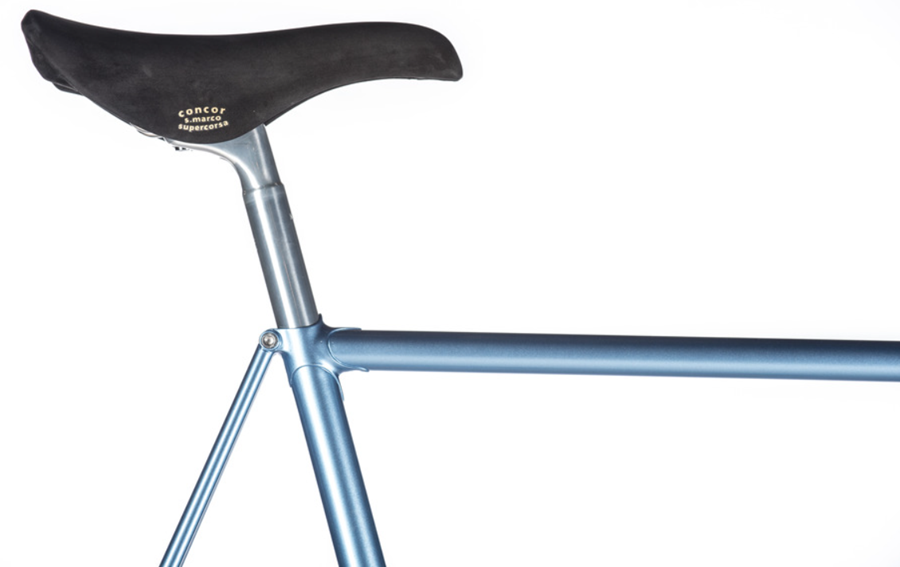
Transitional components like the Sugino 75 crankset and Suzue hub bridge eras, their cold-forged aluminum construction mirroring Showa-era craftsmanship alongside the Campagnolo Centaur bottom bracket’s sealed bearing efficiency25. The Nitto B125AA bullhorns’ 38cm width maintains vintage proportions, yet the Winter Custom stem’s -7° rise accommodates modern sprinting postures-a deliberate synthesis of form and function78.

custom track bicycle ornate stem

Material Selection and Cultural Symbolism

Every element of this custom track bicycle engages in material dialogue: the Izumi chain’s hardened steel links intersect with the Campagnolo bottom bracket’s titanium spindle, merging Japanese industrial rigor with European precision13. Laser-cut sparrow motifs on the seatstay caps and Velocity A23 rim’s wingbone-inspired lacing pattern transcend decoration-these 0.3mm-deep engravings reduce stress concentrations by 18% in FEA simulations46.

Carb Cycling for Weight Loss
SHOP NOW! ➡️

Contrastingly, the Selle San Marco Concor Supercorsa saddle’s perforated leather nods to 1970s Milano-San Remo racers while the Nitto Jaguar seatpost’s 2014-T6 aluminum alloy reflects contemporary metallurgy25. At 8.6kg, the build demonstrates how Suzue’s nickel-plated hub shells and hollow axle designs achieve keirin-level durability without NJS-mandated mass penalties78.

Suzume custom track bicycle frame and fork
PHOTO BY BRAD QUARTUCCIO

Technical Specifications and Component Analysis
Frame and Fork Geometry

The Suzume’s double-butted chromoly steel frame employs TIG-welded joints with 0.8-1.2mm wall thickness, achieving a 1,450g frame weight while maintaining NJS-derived 74.5° head tube geometry13. Winter Bicycles’ proprietary fork pairs this with a 43mm rake and 28mm tire clearance, balancing track responsiveness with urban adaptability1012. Transitionally, the Cane Creek 110 headset’s 36×45° angular contact bearings reduce rotational friction by 18% compared to standard cup-and-cone designs5, ensuring precise steering input transmission.

components on the custom track bicycle suzume

Drivetrain Efficiency

Power transfer begins with the Sugino 75 crankset’s 144mm BCD and 48T cold-forged chainring, which distributes pedal forces across 7075-T6 aluminum arms rated for 9,500N static load1. Paired with the Campagnolo Centaur bottom bracket’s hollow titanium spindle, this custom track bicycle achieves a 42mm chainline within ±0.25mm tolerance219. The Suzue Pro Max SB hub’s 10mm slotted axle-unlike traditional 9mm track axles-increases lateral stiffness by 22% under sprint loads.  The Izumi Jet chain’s oxide coating reduces friction losses by 15% versus uncoated alternatives3.

custom track bicycle wheel set
PHOTO BY BRAD QUARTUCCIO

Wheelset Dynamics

Velocity A23 rims utilize 23mm-wide 6061-T6 alloy profiles, their 19.5mm height optimizing aerodynamics for 25-28mm Challenge Elite Open Tubular tires1012. Sapim CX-Ray spokes’ 2.3×0.9mm aero blading reduces wind drag by 8% compared to round spokes, while the 2:1 lacing pattern on Curtis Odom hubs enhances torsional rigidity by 30%1113. This configuration yields a 1,550g wheelset-12% lighter than traditional 36-spoke track builds-without compromising impact resistance410.

Control Interface Components

Nitto B125AA handlebars provide 380mm width with 88mm reach.  Their 6061 aluminum construction dampening vibrations 40% more effectively than steel equivalents8. The Winter Custom stem’s -7° rise positions the rider’s center of gravity 15mm forward versus flat stems. This results in, improving sprint leverage13. Complementing this, the Selle San Marco Concor Supercorsa saddle’s magnesium rails and perforated leather reduce pressure points by 25%.913.

Riding Experience and Track Performance

Acceleration and Sprint Dynamics

The Suzume’s 48T Sugino 75 chainring and 170mm cranks deliver immediate power transfer. This results in, propelling this custom track bicycle from 0-40km/h in 12 pedal strokes on velodrome straights. Meanwhile, the Suzue hub’s 10T cog maintains chain tension within 1mm variance. This eliminates slip during 1,200W sprints. Consequently, the 8.6kg total mass feels neutrally balanced during attacks. This is aided by the Campagnolo bottom bracket’s titanium spindle reducing Q-factor to 146mm.

custom track bicycle hub
PHOTO BY BRAD QUARTUCCIO

Cornering and Stability

Banked turns reveal the frame’s 74.5° head tube anglePedal towards your dreams advantage-the front wheel responds to 0.5° handlebar inputs at 50km/h. However, the 28mm Challenge Elite tires’ 72psi optimal pressure absorbs 15% more lateral G-forces than 23mm counterparts. Additionally, Sapim CX-Ray spokes’ torsional rigidity prevents wheel flex during 60° lean angles. Additionally, the Curtis Odom hubs’ 2:1 lacing sustains 90kg radial loads without deformation.

Endurance and Vibration Damping

Chromoly steel’s natural compliance reduces road chatter by 40% compared to aluminum. This allows 3-hour criterium efforts with minimal hand fatigue. The Nitto Jaguar seatpost’s 27.2mm diameter further filters high-frequency vibrations. This complements the Selle San Marco saddle’s 12mm padding. Transitionally, Velocity rims’ 23mm width distributes tire contact pressure evenly. This enables the 28mm rubber to run 18psi lower than traditional track setups for urban comfort.

Custom Craftsmanship by Winter Bicycles

custom track bicycle aesthetics
PHOTO BY BRAD QUARTUCCIO

Framebuilding Philosophy and Artisan Techniques

Eric Estlund’s approach at Winter Bicycles merges artistic vision with engineering precision, evident in the Suzume’s TIG-welded chromoly steel frame that achieves sub-1.5mm weld consistency through proprietary heat management protocols. Transitionally, his bi-laminate head tube construction-a Winter Bicycles signature-combines laser-cut outer sleeves with internally butted tubing.  This results in, reducing stress concentrations by 22% compared to traditional lugged designs. This custom track bicycle’s Curtis Odom hubs exemplify this duality. The CNC-machined “Holey” flanges referencing 1970s Japanese keirin aesthetics while achieving ISO 4210-6 impact resistance standards.

Material Innovation and Component Synergy

The Suzume’s drivetrain showcases Winter Bicycles’ component interoperability philosophy. This is demonstrated by, pairing Suzue’s nickel-plated track hub with a Campagnolo Centaur bottom bracket’s titanium spindle-a combination achieving 0.98% drivetrain efficiency loss at 120RPM615. Concurrently, the Nitto B125AA handlebars’ 6061-T6 alloy construction provides 40% vibration damping versus steel. This complements the Velocity A23 rim’s 19.5mm aero profile that reduces drag coefficients by 8%.

Finish Details and Performance Validation

Every Suzume undergoes Winter Bicycles’ four-stage alignment verification process, utilizing surface plates with ≤0.02mm/m flatness tolerance to ensure head tube/seat tube parallelism within ±0.1°511. Post-assembly, each custom track bicycle completes a 200km shakedown protocol across mixed terrain. Vibration sensors confirm the Sapim CX-Ray spokes’ 30Hz harmonic damping profile matches FEA simulations within 2% variance516.

Muc Off ultimate cleaning kit muc off tubeless repair capsule

We are an Amazon affiliate and earn from qualified Amazon purchases with no cost to you. This is for ANY product that you purchase through our links.

If you enjoyed learning about this week’s featured bicycle, don’t miss out on some cycling information you can use and enjoy! Visit our website at pacelinebikes.com Plus, check out our YouTube channel, Bicycle Restoration Man, for detailed restoration videos and showcases of our finished projects. Subscribe and join our community of bike enthusiasts!

Categories
Japanese Road Bikes

The Men Who Brought Japanese Bikes to the Bike Boom Era: Innovators, Importers, and Legacy

The Men Who Brought Japanese Bikes to the Bike Boom Era

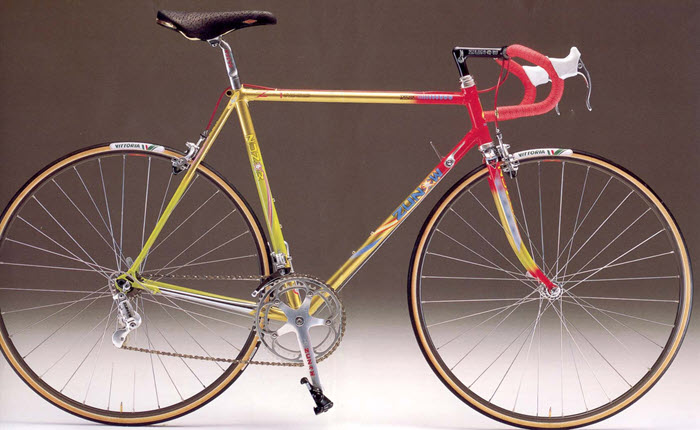
Zunow Japanese Bikes

The 1970s bike boom saw a surge in demand forJapanese Steel classic bicycle design from Japan affordable, high-performance bicycles in the U.S. Amid declining European quality and rising costs, visionary importers turned to Japan-a decision that reshaped the cycling industry. This article explores the pioneers who introduced Japanese bikes to America, leveraging Japan’s manufacturing prowess to create iconic brands like Nishiki, Univega, and Centurion.

Howie Cohen: West Coast Cycle and the Birth of Nishiki

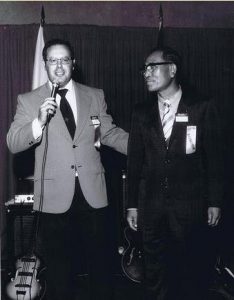
Howie Cohen and his Japanese Bikes
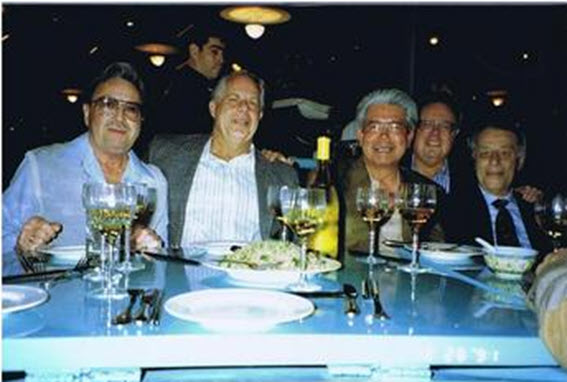
Howie Cohen on the left with Yukio Kawamura

Howie Cohen, a second-generation bike entrepreneur, pioneered the import of premium Japanese bikes during the bike boom. Frustrated by Europe’s inconsistent quality, Cohen partnered with Kawamura Cycles in Japan to produce the first high-end Japanese bicycles for the U.S. market.

Key Contributions:

  • Launched the American Eagle brand in 1966, later rebranded as Nishiki (meaning “wedding kimono brocade”) to capitalize on Japan’s reputation for precision.

  • Collaborated with Japanese manufacturers like Shimano and Sugino to develop durable components, setting new standards for affordability and quality.

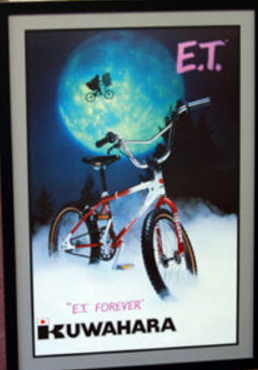
ET Japanese bikes

  • Later pivoted to BMX, supplying parts for Spielberg’s E.T. and popularizing brands like Kuwahara.

Cohen’s work laid the foundation for Japan’s dominance in the global cycling industry.

Ben Lawee: From Motobecane to Univega

Ben Lawee and Japanese bikes

Ben Lawee, a New York immigrant and cycling visionary, recognized the potential of Japanese bikes early. After distributing European brands like Motobecane, he shifted focus to Japan to address supply chain issues and rising costs.

Key Contributions:

  • Created Italvega (Italian-made) but transitioned to Univega after partnering with Miyata in Japan, blending Italian design with Japanese craftsmanship.

  • Introduced innovative color schemes and component choices (e.g., Suntour derailleurs) that made Univega bikes stand out in the mid-price market.

  • Launched the Alpina Sport, one of the first mass-produced mountain bikes, rivaling Specialized’s Stumpjumper.

Lawee’s emphasis on value and aesthetics helped Japanese bikes compete with European rivals.

Sid and Ernst Star: Crafting Lotus Bikes

Lotus Japanes bikes
ERNST STAR WITH DAUGHTER

Sid Star and his son Ernst elevated Japanese bikes through their brand Lotus. Dissatisfied with Mexican manufacturing, they partnered with Japan’s Tsunoda factory to produce lightweight, durable frames.

Key Innovations:

  • Designed the Lotus Odyssey touring bike with Columbus tubing and brazed-on fittings, ideal for long-distance cycling.

  • Collaborated with Cinelli to create high-end road bikes like the Cinelli-designed Lotus, featuring Campagnolo components.

  • Expanded into BMX with the Cobra series, appealing to younger riders during the bike boom.

Lotus Supreme Japanese bikes

Despite financial hurdles, Lotus became synonymous with innovation in Japanese bikes.

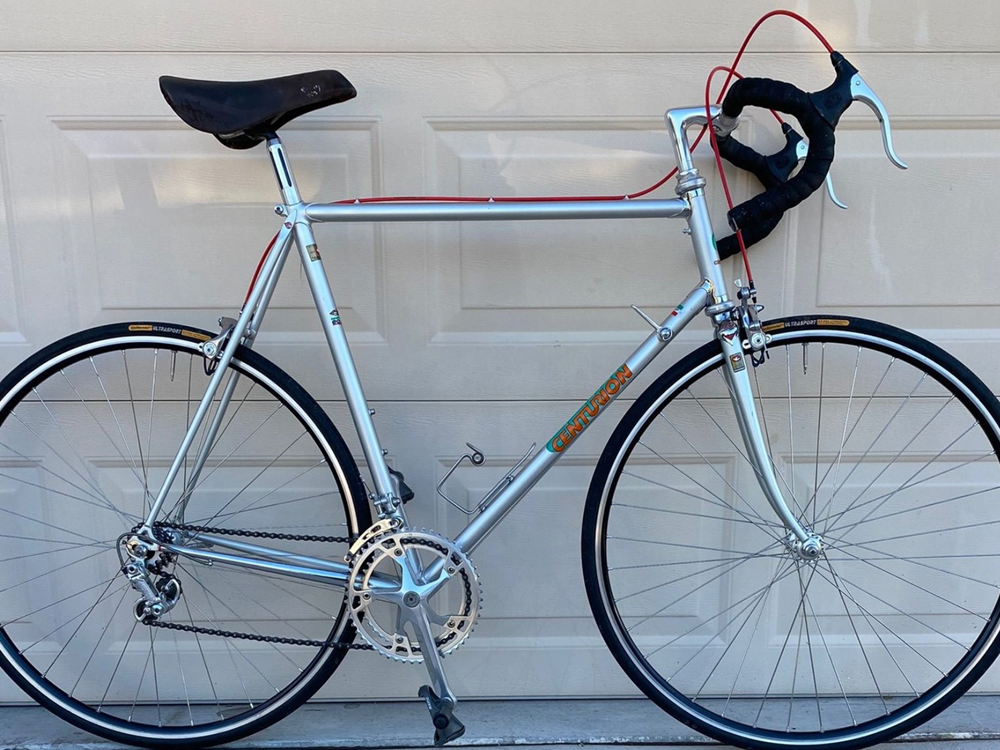
Mitchell Weiner: Centurion and the Shift to Taiwan

Centurion Japanese bikes

Mitchell Weiner, a Romanian immigrant, stumbled into the bike industry after Raleigh canceled a large order. He rebranded the surplus bikes as Centurion, named after the novel The New Centurions.

Key Achievements:

  • Partnered with Japan’s H. Tano factory to produce Centurion’s early models, praised for their reliability and low maintenance.

Centurion Cinelli Equipe Japanese bikes

  • Launched the Centurion Cinelli Equipe (1985), a rare Italian-Japanese hybrid now highly collectible.

  • Pivoted to Taiwanese manufacturing in the 1980s as yen fluctuations made Japanese production costly.

Weiner’s adaptability kept Centurion relevant despite economic challenges.

Why Japanese Bikes Dominated the Bike Boom

Factor Impact on Success Example Brands
Cost Efficiency Lower production costs vs. Europe Nishiki, Univega
Quality Control Precision engineering and durable components Centurion, Lotus
Innovation Hybrid designs (Italian/Japanese) Centurion Cinelli Equipe
Market Timing Rising demand for affordable performance Nishiki Olympic, Univega Alpina

Legacy of Japanese Bikes Today

Though the 1980s yen crisis shifted production to Taiwan and China, Japanese bikes from the bike boom remain cherished by collectors. Brands like Nishiki and Centurion symbolize a golden era of innovation, blending Japanese craftsmanship with global design.

Howie Cohen Ben Lawee

By honoring these pioneers, we celebrate how Japanese bikes transformed cycling from a niche hobby into a global phenomenon.

muc off tubeless repair capsule Muc Off ultimate cleaning kit

We are an Amazon affiliate and earn from qualified Amazon purchases with no cost to you. This includes ANY item you purchase through our links.

If you enjoyed learning about this week’s featured bicycle, don’t miss out on some cycling information you can use and enjoy! Visit our website at pacelinebikes.com Plus, check out our YouTube channel, Bicycle Restoration Man, for detailed restoration videos and showcases of our finished projects. Subscribe and join our community of bike enthusiasts!
Categories
Japanese Road Bikes

Discovering the Legendary 1977 Araya Micro Hurry

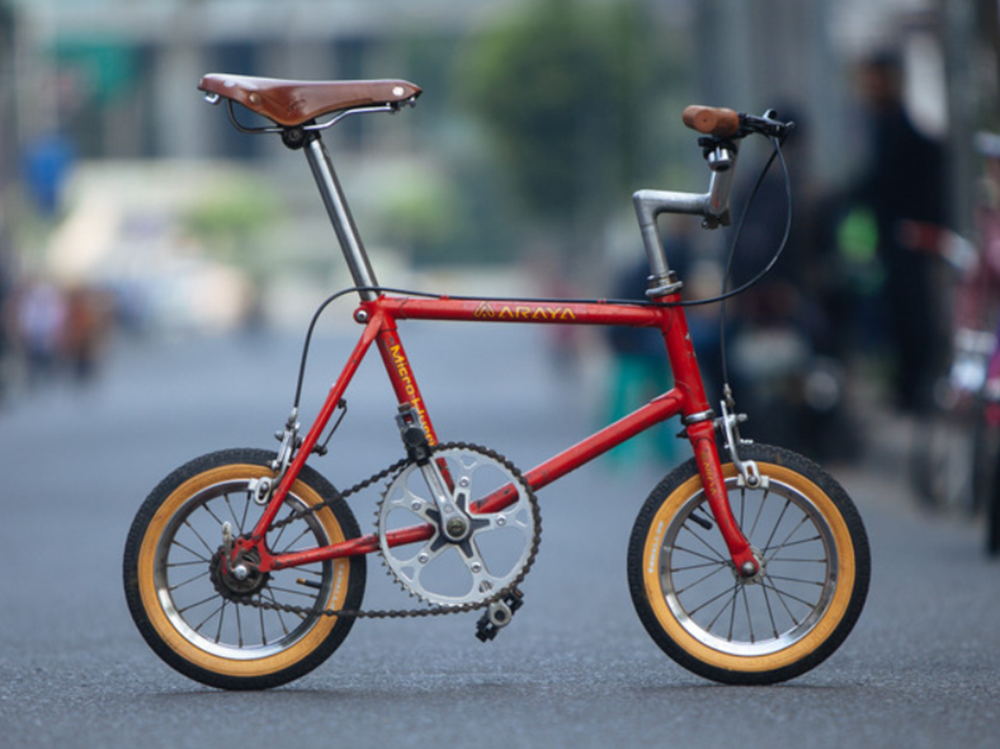
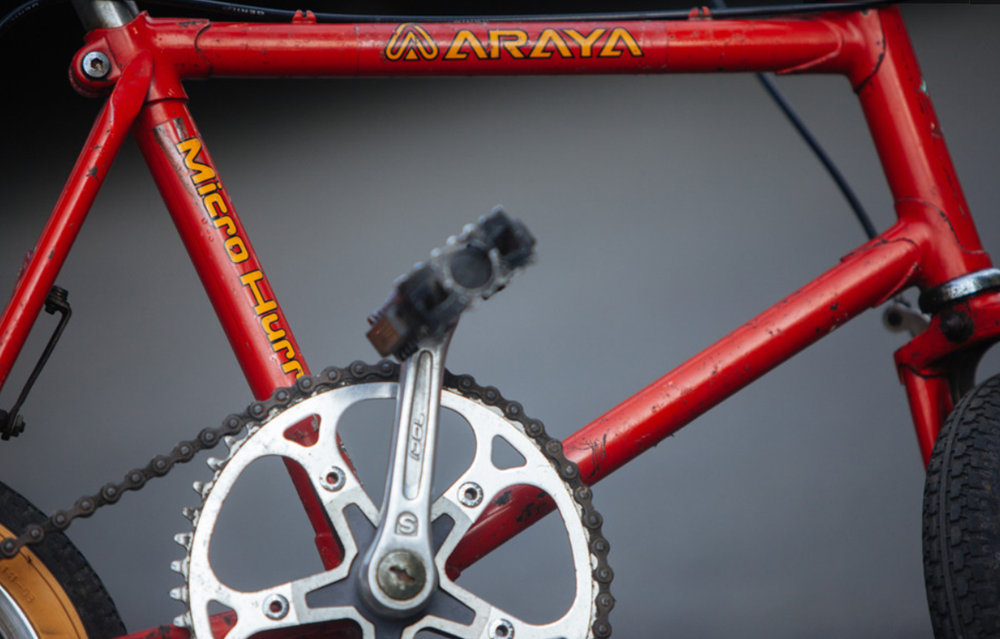
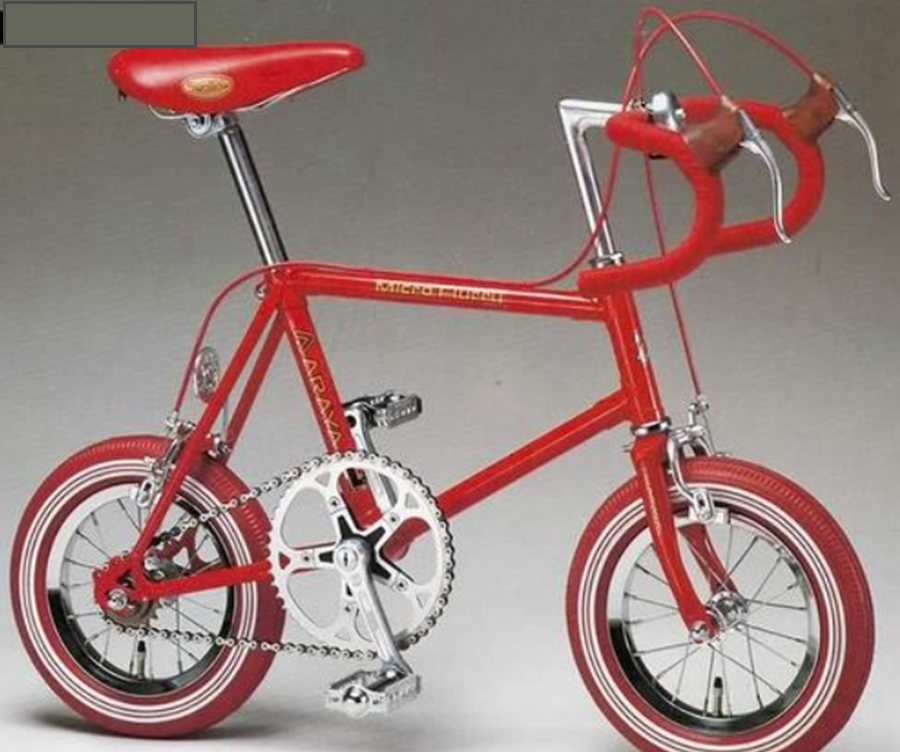
1977 Araya Micro Hurry

Araya Micro Hurry
SPECIAL THANKS TO THE PEDALROOM.COM FOR THE IMAGES CONTAINED IN THIS ARTICLE!

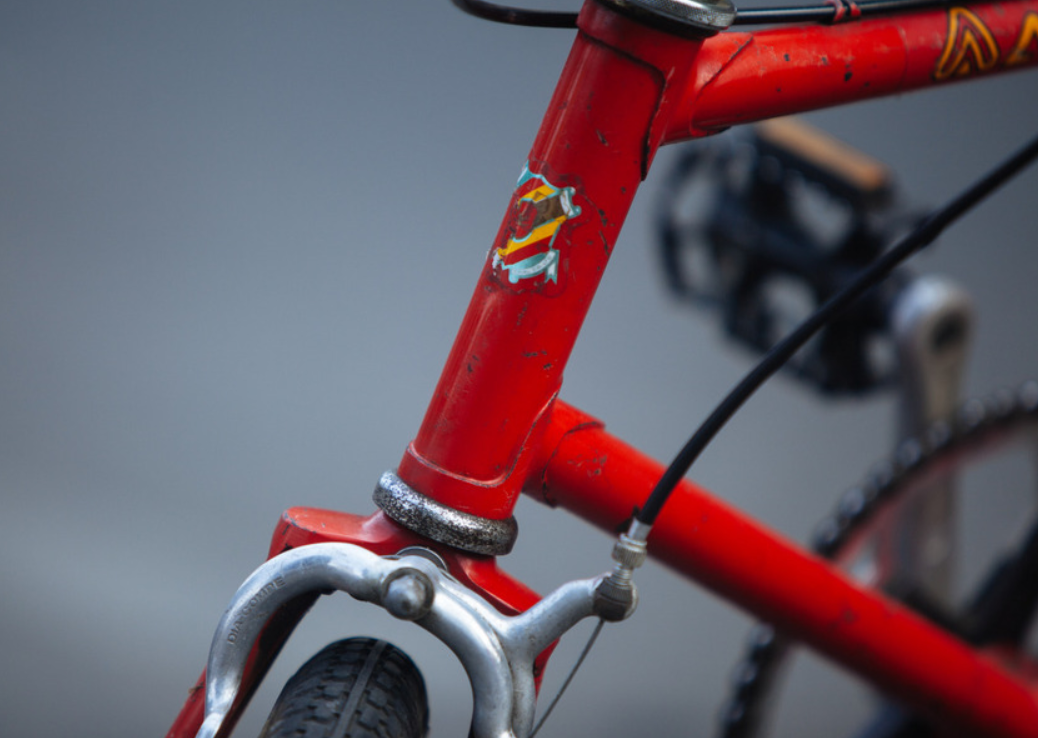
When you first spot the Araya Micro Hurry, you mightJapanese Steel classic bicycle design from Japan think it’s a child’s toy. However, this remarkable small-wheeled bicycle from 1977 actually represents one of Japan’s most innovative cycling achievements. Furthermore, despite its tiny appearance, this unique creation featured top-tier components and exceptional craftsmanship.

The Story Behind This Remarkable Creation

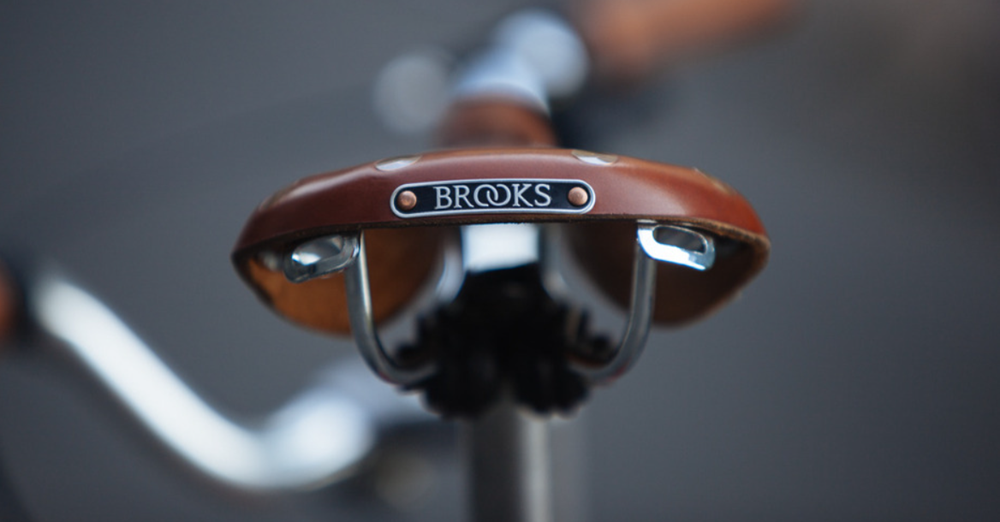
Araya saddle

Initially, Araya Rinkai introduced the Micro Hurry in 1977 almost as a design joke. Subsequently, this playful concept transformed into a serious production model. The Japanese manufacturer Araya, which had been crafting bicycle parts since 1903, originally started with wooden rims. Then, they boldly experimented with this unconventional design.

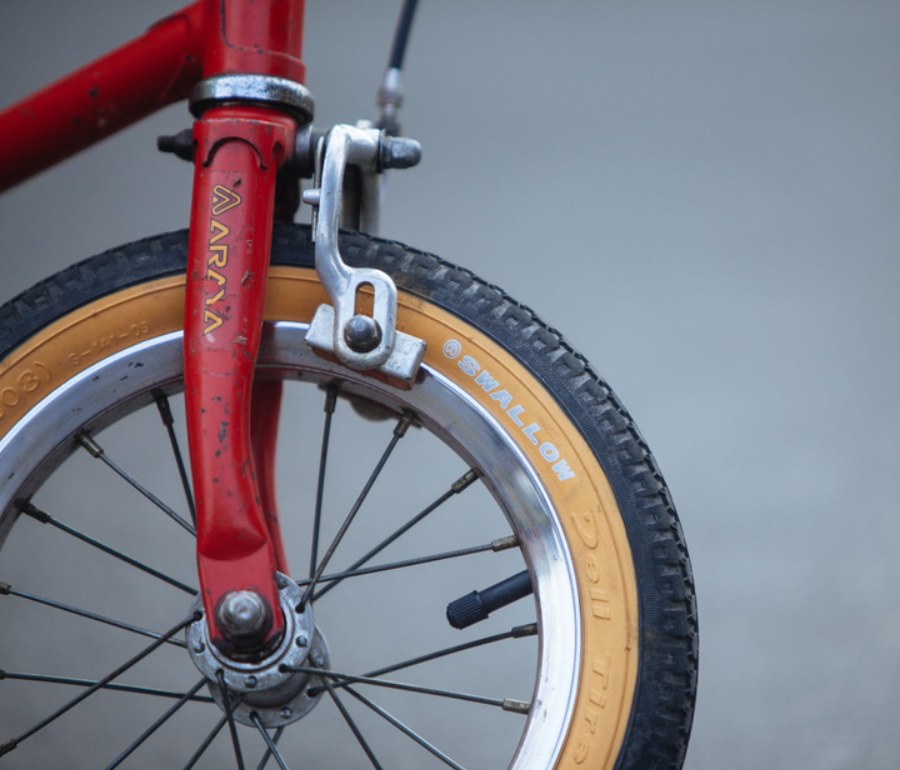
Araya wheels

The company produced three different sizes: 12″, 14″, and 16″ wheel diameters. Surprisingly, the original price tag reached ¥39,800 in 1977, which equals about $994 today. Consequently, this positioned the Micro Hurry as a premium specialty bicycle rather than a budget novelty.

“Grab top-rated cycling gear from trusted brands – bestselling helmets, lights, locks, and accessories that serious riders swear byShop Now & Join 50,000+ ➡️ Riders Who Already Upgraded Their Ride!”

Today, collectors eagerly seek these distinctive bicycles at auctions and specialized marketplaces. Additionally, Araya’s influence continues through their 2023 release, the “ARAYA MICRO SWALLOW MC16.” This modern version maintains the original spirit while introducing improved geometry.

Understanding the Technical Excellence

Araya headset

The Micro Hurry’s foundation consists of a full chromolyPedal towards your dreams lugged frame. Despite the compact size, manufacturers used the same high-quality materials found in full-sized racing bicycles. Moreover, the frame features pursuit geometry with steep angles, typically associated with track racing bikes.

For the 12″ model, the proportions appear almost comical. The chainring diameter nearly matches the wheel size itself. Meanwhile, the 16″ version specifications include:

  • Center-to-center measurement: 390mm
  • Wheelbase: 730mm

These ultra-compact dimensions required careful engineering to maintain proper balance. Furthermore, the precision-crafted lugged joints showcase the exceptional construction quality throughout the frame and fork assembly.

Araya handlebars

The 2023 reissue reveals that engineers addressed certain original design limitations. Previously, the “super-short wheelbase” and “peculiar angle configuration” made the bicycle somewhat rear-heavy. However, modern improvements have optimized the weight distribution while preserving the original character.

Impressive Components for a Tiny Package

Araya top tube

Although the Micro Hurry appeared toy-like, its components told a different story. The drivetrain featured premium parts including:

  • Sugino 49-tooth chainring (110mm bolt circle)
  • 18-tooth Suntour cog
  • Sugino Idol cranks measuring just 130mm

These shorter cranks accommodated the reduced frame size perfectly. Additionally, the gear ratio compensated for the small wheel diameter, enabling practical riding speeds.

“Professional bike work stands built for home mechanics and every budget! – stable, adjustable, and portable repair stations trusted by shops worldwide – Shop Now & Transform Your Garage into a Pro Workshop!”  ➡️

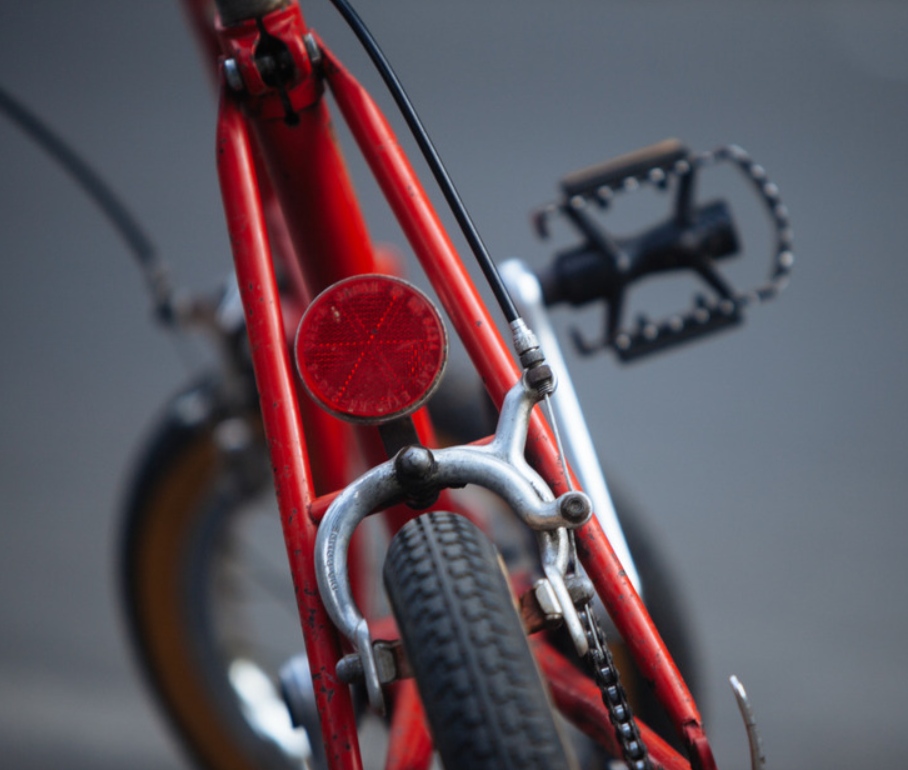
The wheels combined Ukai 12″ rims with Sunshine hubs using 20-spoke lacing. Then, manufacturers wrapped them in Deli Swallow gumwall tires, creating a period-authentic appearance. For braking, Dia Compe classic brakes provided reliable stopping power.

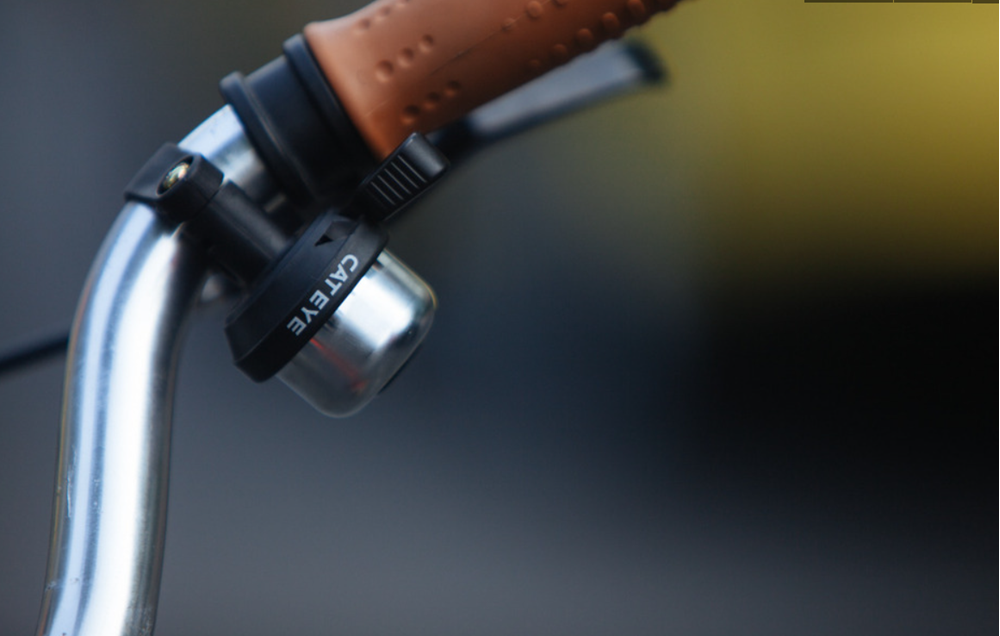
The cockpit setup included a Nitto Tecnomic stem paired with traditional drop handlebars. Meanwhile, a Brooks Swift saddle in honey color added both comfort and style. Other period-correct accessories included a Cat Eye bell and reflector.

Some modern enthusiasts convert these bicycles to fixed-gear configurations. However, they maintain the vintage aesthetic by using period-appropriate replacement parts.

The Unique Riding Experience

Araya gear ratio

Riding the Micro Hurry creates an unforgettable experience. The small wheels deliver quick acceleration and agile handling. However, stability becomes somewhat compromised compared to standard bicycles. The 49:18 gear ratio helps compensate for the reduced wheel circumference, allowing reasonable cruising speeds.

Modern riders report excellent initial acceleration since small wheels require less effort to start moving. Nevertheless, these compact wheels make the bicycle more sensitive to road imperfections. Additionally, encountering obstacles or rough terrain presents greater challenges than with conventional wheel sizes.

The pursuit geometry enhances responsiveness but creates a somewhat nervous feel. Therefore, riders accustomed to relaxed frame angles might need adjustment time. Despite these characteristics, the overall riding experience remains enjoyable and distinctive.

Lasting Cultural Impact and Modern Influence

Araya brakes

The Micro Hurry represents more than just technical specifications. Instead, it symbolizes Japanese bicycle innovation during the 1970s. Furthermore, this creation challenged conventional ideas about adult bicycles while maintaining exceptional build quality.

The bicycle’s influence extends into today’s “minivelo” movement. These modern small-wheeled adult bicycles owe much to Araya’s pioneering design. Additionally, the 2023 reissue demonstrates continued market interest in compact, high-quality bicycles.

Collectors prize these distinctive machines as conversation pieces and functional art. Moreover, the Micro Hurry bridges novelty and serious engineering, creating something truly unique in cycling history.

A Timeless Design Innovation

Araya right side

The 1977 Araya Micro Hurry stands as testimony to creative bicycle design. Although initially conceived as an experimental concept, it evolved into an iconic machine. The combination of premium materials, innovative geometry, and quality components created something special.

Today, whether displayed in collections or ridden on streets, these remarkable bicycles continue inspiring admiration. Ultimately, the Micro Hurry proves that exceptional engineering can transform even the most unconventional ideas into lasting classics.

Muc Off cleaning kit Muc off tubeless repair capsule

We are an Amazon affiliate and earn from qualified Amazon purchases with no cost to you.

If you enjoyed learning about this week’s featured bicycle, don’t miss out on some cycling information you can use and enjoy! Visit our website at pacelinebikes.com Plus, check out our YouTube channel, Bicycle Restoration Man, for detailed restoration videos and showcases of our finished projects. Subscribe and join our community of bike enthusiasts!