
Contents
- 1 Quick Facts: 1988 Fuji Ace at a Glance
- 1.1 What Is the 1988 Fuji Ace?
- 1.2 1988 Fuji Ace Frame Construction and Materials
- 1.3 Complete 1988 Fuji Ace Component Specifications
- 1.4 History of Fuji Bicycles and the Ace Model Line
- 1.5 The Fuji Ace Model Evolution
- 1.6 How the 1988 Fuji Ace Compares to Other Vintage Japanese Road Bikes
- 1.7 1988 Fuji Ace Collector Guide: Values and Identification
- 1.8 How to Identify a Genuine 1988 Fuji Ace
- 2 Frequently Asked Questions About the 1988 Fuji Ace
- 2.1 What is the 1988 Fuji Ace worth today?
- 2.2 Is the 1988 Fuji Ace a good bike?
- 2.3 Where was the 1988 Fuji Ace made?
- 2.4 What size 1988 Fuji Ace do I need?
- 2.5 Can I convert a 1988 Fuji Ace to modern components?
- 2.6 How do I maintain a 1988 Fuji Ace?
- 2.7 What is Ishiwata tubing?
- 2.8 Why the 1988 Fuji Ace Matters to Cycling History
- 2.9 Image Credits and Sources
- 3 Related Topics
Quick Facts: 1988 Fuji Ace at a Glance
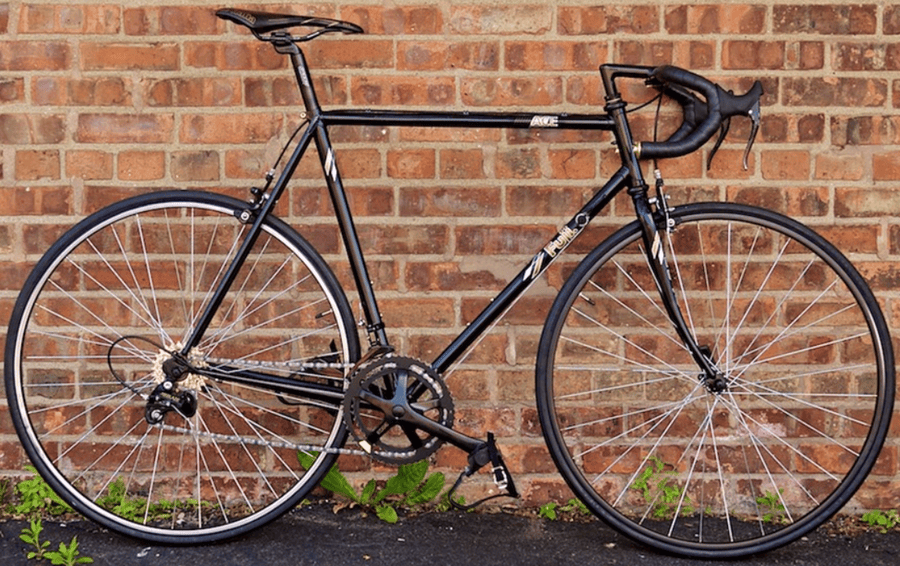
- Manufacturer: Nichibei Fuji Cycle Company (Japan)
- Production Year: 1988
- Frame Material: Ishiwata Feather Si35 triple-butted chromoly steel
- Original MSRP: $400-$450 USD (1988)
- Current Collector Value: $300-$800 USD depending on condition
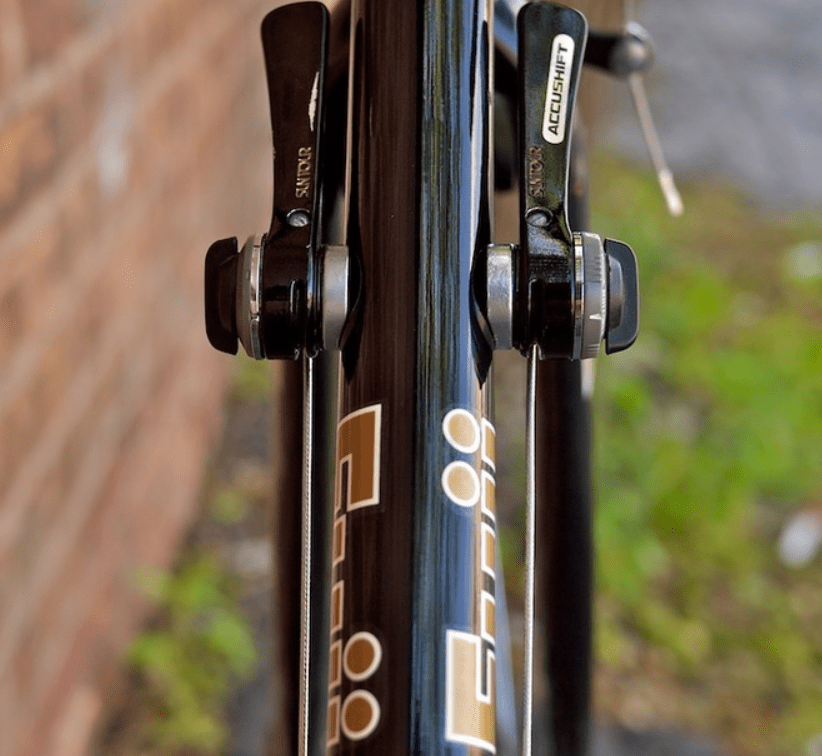
- Groupset: SunTour Blaze Accushift PLUS 7-speed
- Weight: Approximately 24-25 lbs (10.9-11.3 kg)
- Country of Origin: Japan (later models Taiwan)
What Is the 1988 Fuji Ace?
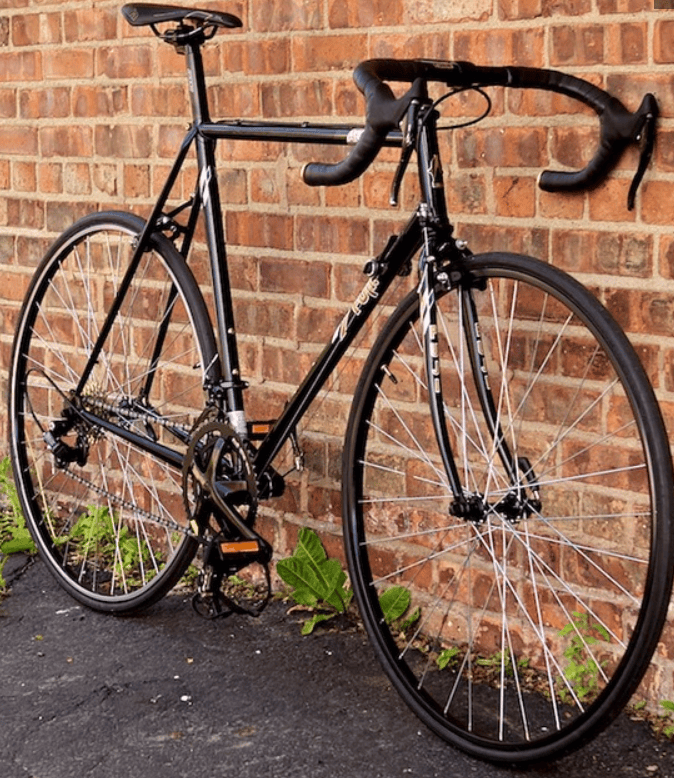
The 1988 Fuji Ace is a mid-range Japanese steel road bicycle manufactured by Nichibei Fuji Cycle Company, featuring Ishiwata Feather Si35 triple-butted chromoly tubing and a complete SunTour Blaze Accushift PLUS 7-speed drivetrain. Positioned as an entry point to serious road cycling, the Fuji Ace offered premium Japanese craftsmanship at an accessible price point of $400-$450 when new. The bicycle represents the final era of Japanese-manufactured Fuji road bikes before production shifted to Taiwan in the early 1990s.
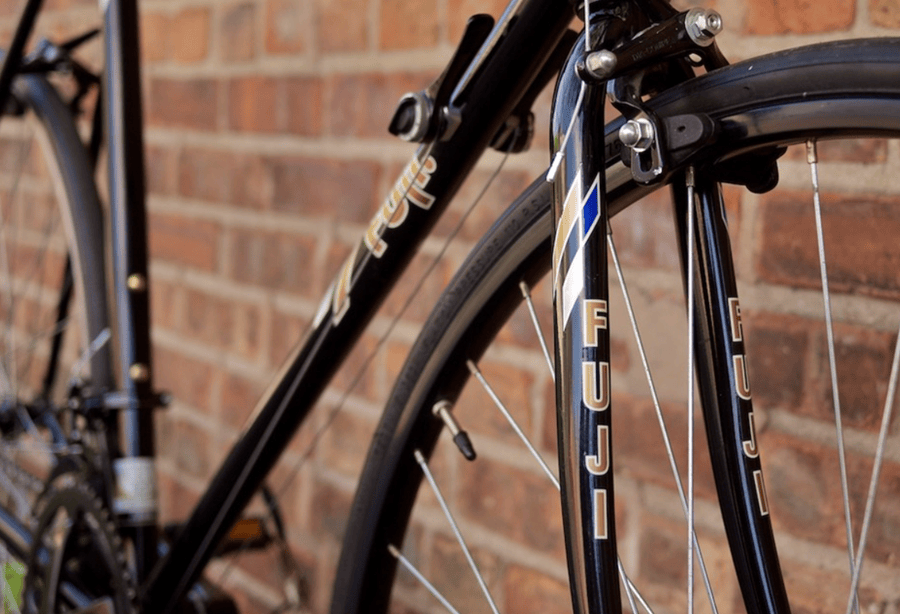
The Fuji Ace holds historical significance as a direct descendant of the original 1973 Fuji Ace, which became the first production bicycle equipped with Shimano Dura-Ace components. By 1988, the Ace had evolved into a refined road machine that balanced performance, durability, and value in ways that continue to attract collectors and vintage cycling enthusiasts today.
1988 Fuji Ace Frame Construction and Materials
Ishiwata Feather Si35 Tubing Explained
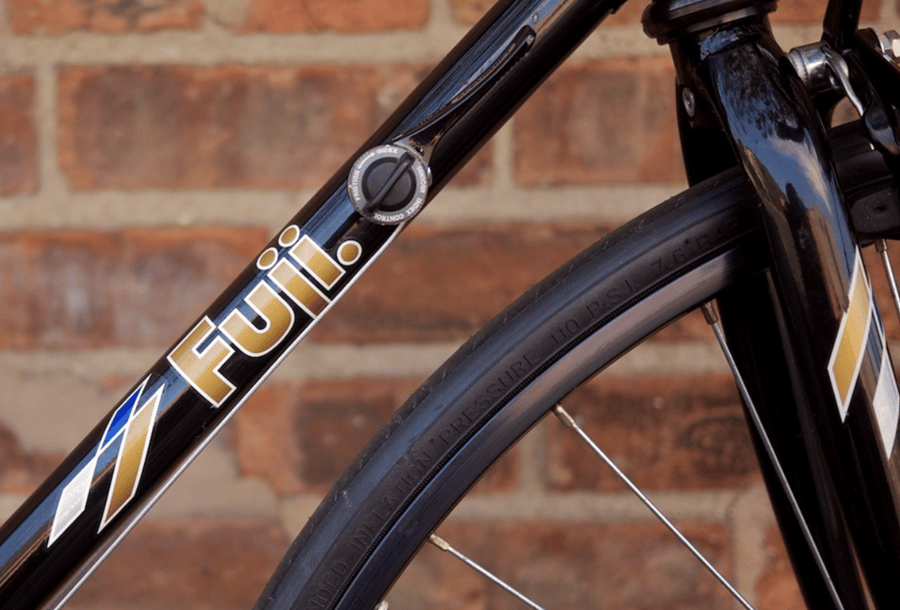
The 1988 Fuji Ace frame is constructed from Ishiwata Feather Si35 triple-butted channeled chromoly tubing. Ishiwata was a Japanese steel tubing manufacturer active from the 1970s until 1993, whose products were used by major bicycle brands including Bianchi, Bridgestone, Nishiki, Panasonic, Trek, and Specialized. According to cycling historian Sheldon Brown, Ishiwata’s top-range tubes were seamless double-butted with finish quality higher than Columbus, and the material was virtually identical to Columbus SP/SL/SLX.
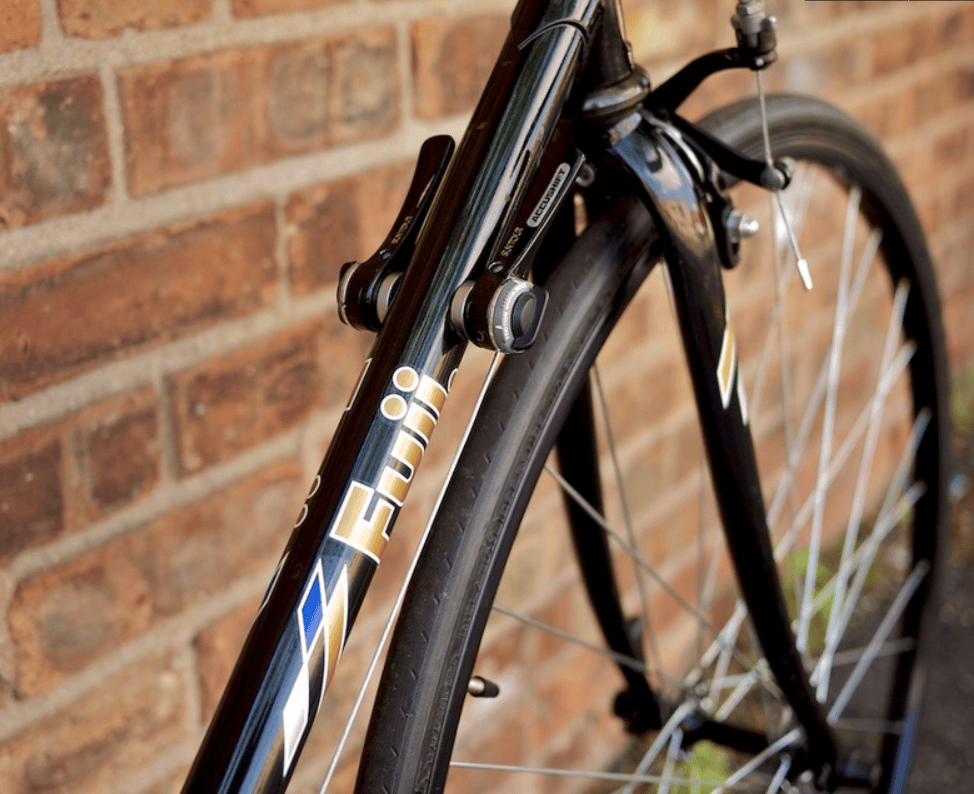
Triple-butted construction means each frame tube has three distinct wall thicknesses: thicker sections at both ends where the tube joins other frame members (typically 0.9mm), and a thinner middle section (typically 0.6mm) to reduce weight. The “channeled” designation refers to internal reinforcement ribs that increase torsional stiffness without adding significant weight.
The Si35 specification indicates the specific chromium-molybdenum steel alloy composition. This alloy provides an optimal balance of strength, weight, and fatigue resistance for bicycle frames. The resulting frame weighs approximately 4.5-5 lbs (2.0-2.3 kg) for a typical 56cm size.
Frame Geometry and Sizing
The 1988 Fuji Ace was produced in frame sizes ranging from 50cm to 64cm (center-to-top measurement). The geometry follows classic road racing proportions with a 73-degree head tube angle and 73-degree seat tube angle, providing responsive handling characteristics. The chain stay length measures approximately 405mm, contributing to efficient power transfer and stable cornering.
Fuji Team Spinner Fork
The 1988 Fuji Ace is equipped with a Fuji Team Spinner semi-sloping chromoly fork. The semi-sloping crown design, popular during the late 1980s, positions the fork blades at a slight angle from the crown rather than perpendicular. This design provides a balance of steering responsiveness and road vibration dampening. The fork features approximately 43mm of rake (offset), which combined with the head tube angle produces trail measurements suitable for stable high-speed handling.
Complete 1988 Fuji Ace Component Specifications
Drivetrain Components
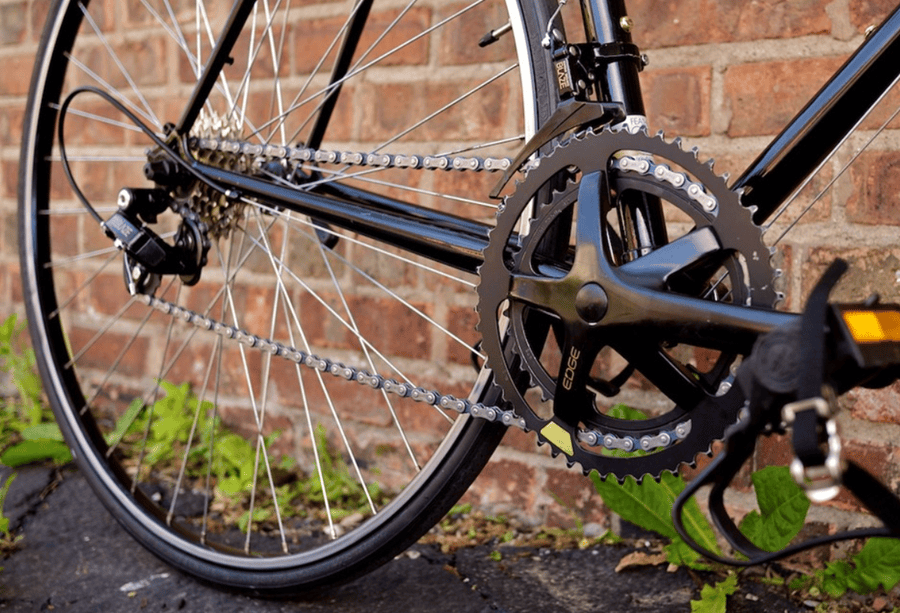
Crankset: SunTour Edge, 170mm crank arms, 42/52 tooth chainrings, 130mm BCD
Bottom Bracket: Fuji-branded sealed cartridge, 68mm shell, 113mm spindle
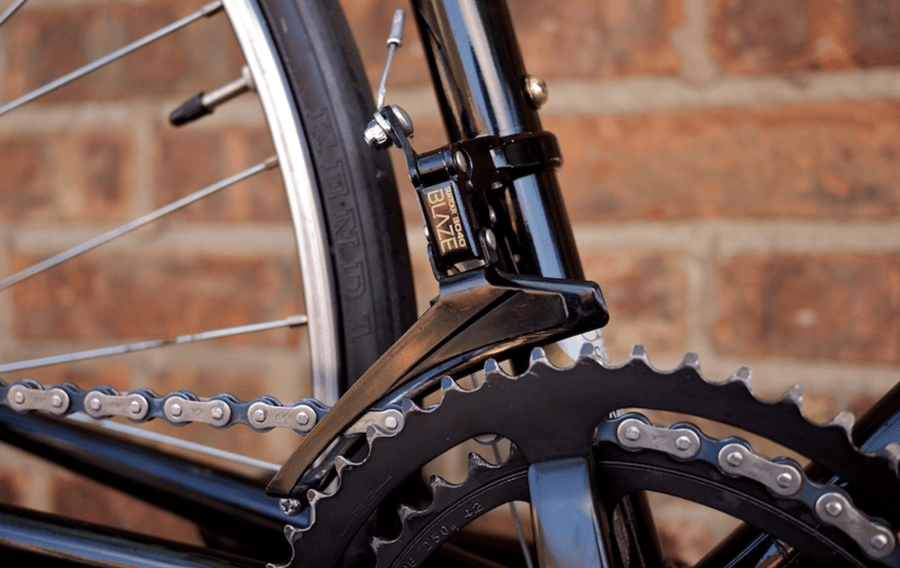
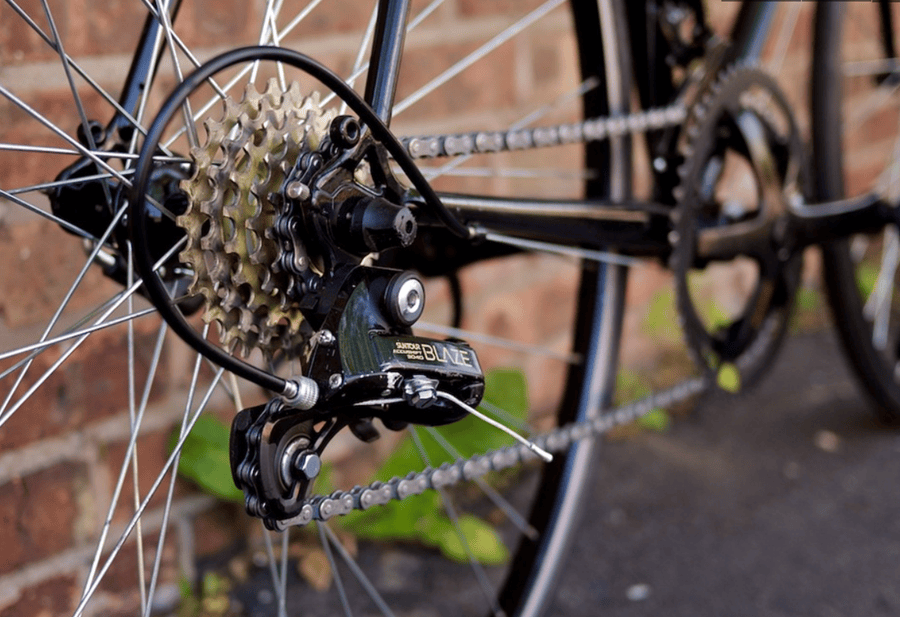
Front Derailleur: SunTour Blaze Accushift PLUS, braze-on mount
Rear Derailleur: SunTour Blaze Accushift PLUS, short cage
Shifters: SunTour Blaze Accushift PLUS indexed downtube shifters
Freewheel: SunTour Accushift PLUS 7-speed, 13-26 tooth, gold anodized
Chain: SunTour Blaze Accushift PLUS, 3/32″ width
Gear Range: 42-52 front x 13-26 rear = 42.3 to 108 gear inches
Cockpit Components
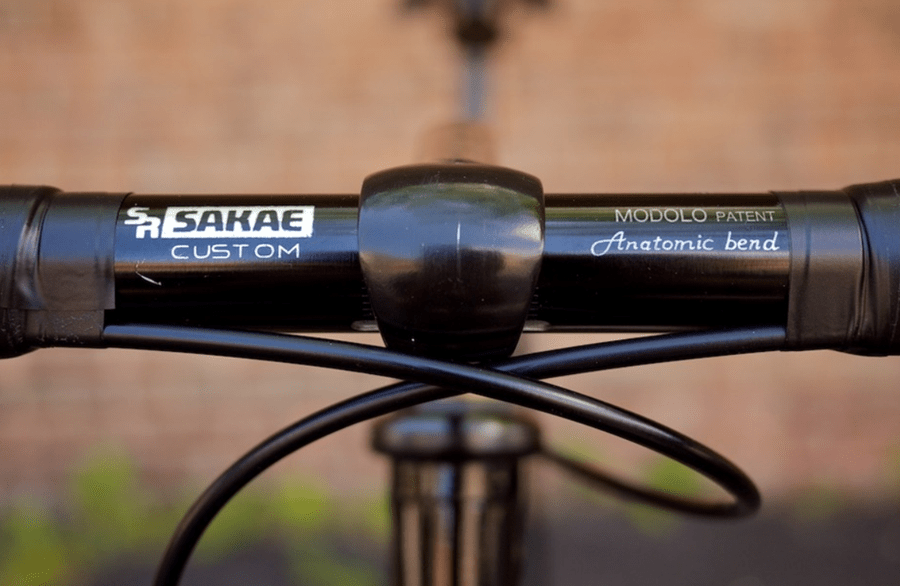
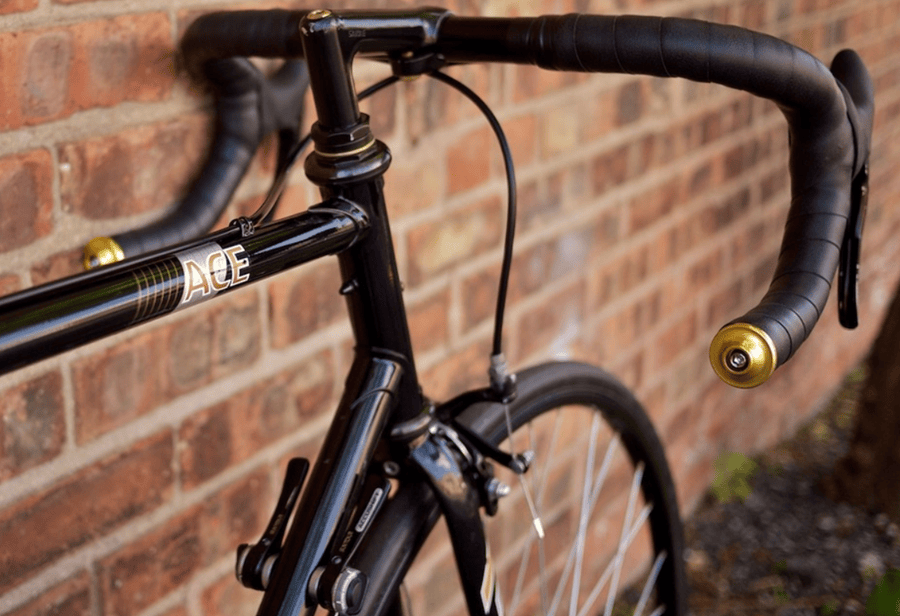
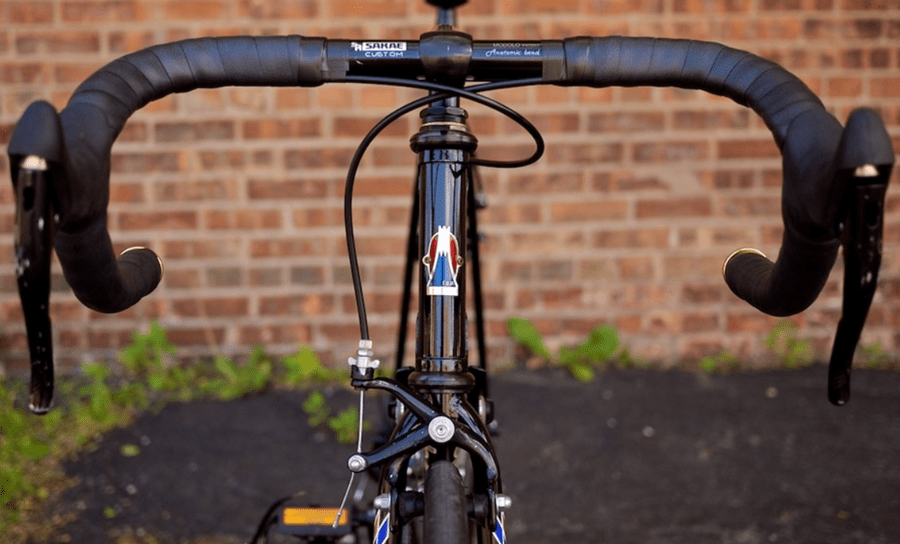
Handlebars: SR Sakae Custom, anatomical bend, 40cm width (c-c), 26.0mm clamp
Stem: SR Sakae Aero, forged alloy, 90-120mm length depending on frame size
Headset: Fuji-branded, 1″ threaded, loose ball bearings
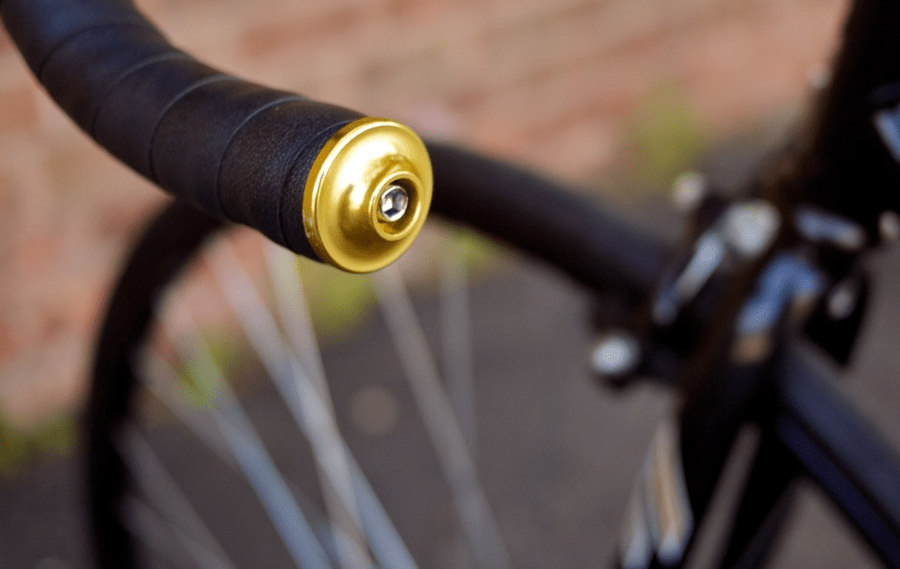
Bar Tape: Padded leather with metal bar-end plugs
Braking System
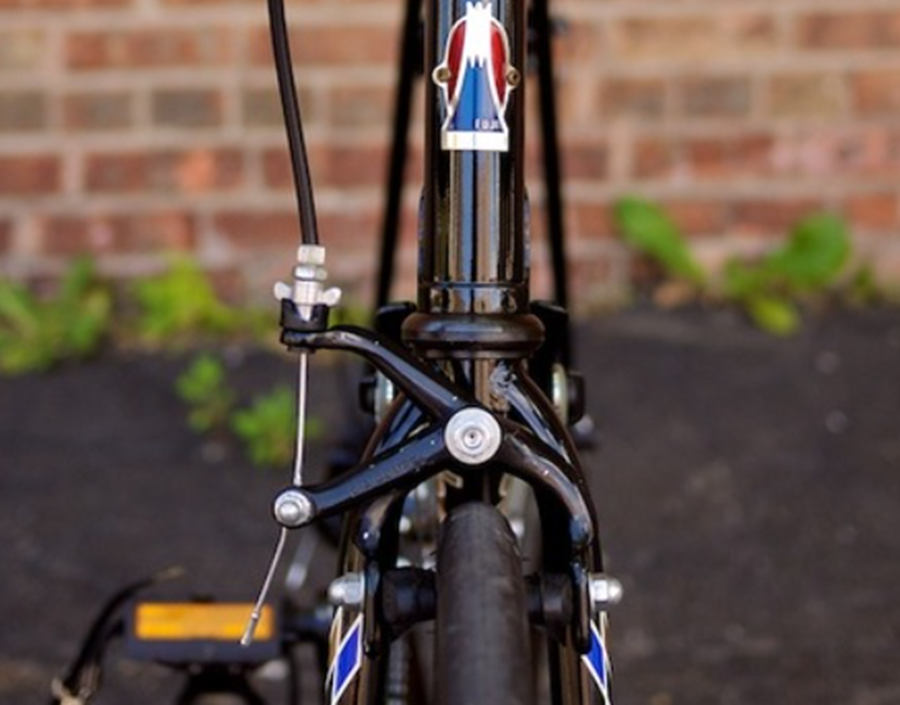
Brake Calipers: Dia Compe alloy dual-pivot side-pull, 39-49mm reach
Brake Levers: Dia Compe aero-style with concealed cable routing
Brake Pads: Dia Compe rubber compound, threaded post mount
Wheels and Tires
Front Wheel: Araya SS45 700c rim, 32 hole, Fuji high-flange hub, 14g spokes
Rear Wheel: Araya SS45 700c rim, 36 hole, Fuji high-flange hub, 14g spokes
Tires: 700x25c clincher (original spec), accepts up to 700x28c
Rim Material: Aluminum alloy, machined sidewalls for braking
Saddle and Seatpost
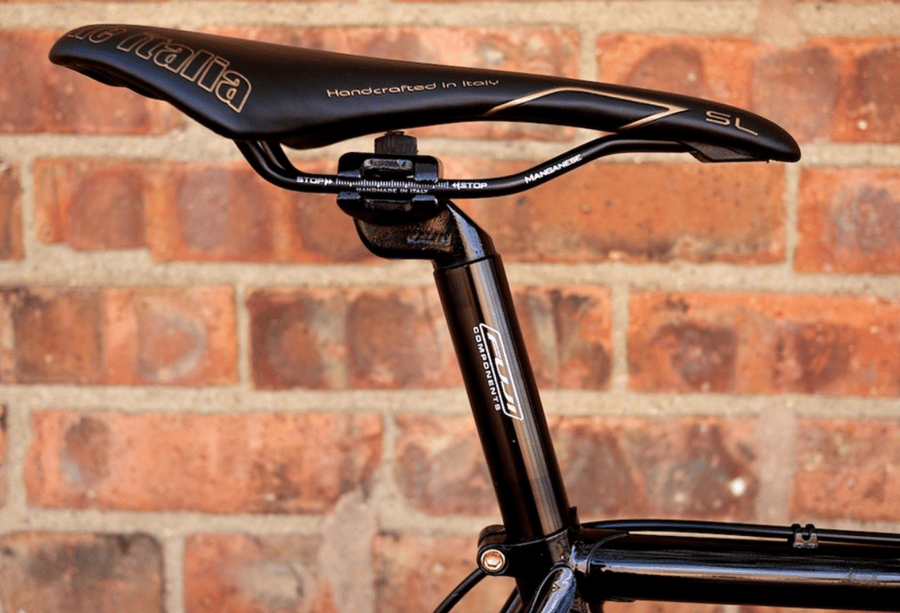
Saddle: Fuji-branded racing saddle with padding, plastic base, steel rails
Seatpost: Alloy micro-adjust, 27.0mm diameter, 250mm length
History of Fuji Bicycles and the Ace Model Line
Fuji Bicycle Company Timeline
1899: Okazaki Kyūjirō founds Nichibei Shōkai (Japanese-American Trading Company) in Japan
1920s: Fuji becomes Japan’s most popular bicycle brand
1930s: Fuji establishes Japan’s first national stage race between Osaka and Tokyo
1951: Shoichiro Sugihara wins first Asian Games cycling event on a Fuji
1971: Fuji America established; Fuji bicycles enter U.S. market
1973: Fuji Ace becomes first production bike with Shimano Dura-Ace components
1974, 1976, 1980: Fuji ranked #1 in Consumer Reports bicycle tests
1986: Fuji becomes one of first manufacturers to produce titanium bicycle frames
1988: Peak of Japanese production era; 1988 Fuji Ace manufactured
Early 1990s: Production gradually shifts from Japan to Taiwan
1997: Toshoku America (Fuji distributor) files bankruptcy
1998: Nichibei Fuji Cycle Company declares bankruptcy; Advanced Sports International acquires brand
The Fuji Ace Model Evolution
The Fuji Ace nameplate has a distinguished history spanning multiple decades. The original Fuji Ace, introduced in 1973, made history as the first mass-produced bicycle equipped with Shimano’s newly developed Dura-Ace component group. This partnership introduced professional-grade shifting and braking technology to everyday cyclists for the first time.
By 1988, the Ace had evolved significantly. While no longer positioned as Fuji’s flagship model (that honor went to the Professional and Team Fuji), the Ace remained a serious road bike offering exceptional value. The 1988 Fuji Ace occupied a mid-range position in Fuji’s lineup, priced below the top-tier models but featuring genuine performance components rather than entry-level parts.
How the 1988 Fuji Ace Compares to Other Vintage Japanese Road Bikes
1988 Fuji Ace vs. Miyata 912
The Miyata 912 occupied a similar market position to the Fuji Ace. Both featured triple-butted chromoly frames and full Shimano 600 or SunTour Blaze groupsets. The Miyata typically commanded a $50-100 premium due to its proprietary spline-butted tubing technology. In terms of ride quality, both bikes offer comparable performance, though Miyata frames are often considered slightly stiffer due to their unique tube profiles.
1988 Fuji Ace vs. Bridgestone 400
The Bridgestone 400 series represented direct competition to the Fuji Ace. Bridgestone frames used Ishiwata tubing (the same supplier as Fuji) and offered similar component specifications. The key difference lay in geometry: Bridgestone’s Grant Petersen-influenced designs tended toward longer wheelbases and slacker angles for touring-oriented handling, while the Fuji Ace maintained racier geometry suited to spirited road riding.
1988 Fuji Ace vs. Nishiki Prestige
The Nishiki Prestige, built by Kawamura cycle works, competed directly with the Fuji Ace. Both bikes featured comparable Ishiwata or Tange chromoly tubing and SunTour or Shimano mid-range groupsets. Nishiki generally offered slightly lower prices but with less refined finishing details. The Fuji Ace’s advantage lay in its factory paint quality and component selection consistency.
1988 Fuji Ace Collector Guide: Values and Identification
Current Market Values (2024-2025)
Excellent/Restored Condition: $600-$800 USD
Good Condition (rideable, original): $350-$550 USD
Fair Condition (needs work): $150-$300 USD
Frame Only: $100-$200 USD
Note: Japanese-made examples (identified by serial number and components) command 20-30% premiums over later Taiwan-produced frames bearing the same model name.
How to Identify a Genuine 1988 Fuji Ace
Authentic 1988 Fuji Ace bicycles can be identified by several key features:
- Serial Number Location: Stamped on bottom bracket shell, typically beginning with “F” followed by production date code
- Tubing Decal: Ishiwata Feather Si35 decal on seat tube (may be missing on older bikes)
- Head Badge: Metal Fuji head badge with “Made in Japan” marking
- Component Date Codes: SunTour components with 1987-1988 date stamps
- Frame Details: Lugged construction (not TIG welded), internal cable routing for rear brake
Frequently Asked Questions About the 1988 Fuji Ace
What is the 1988 Fuji Ace worth today?
A 1988 Fuji Ace in good, rideable condition typically sells for $350-$550 USD as of 2024-2025. Fully restored examples with period-correct components can command $600-$800 or more. Factors affecting value include frame condition, originality of components, and whether the bike was manufactured in Japan or Taiwan.
Is the 1988 Fuji Ace a good bike?
Yes, the 1988 Fuji Ace is considered an excellent vintage road bike. Its Ishiwata Feather Si35 triple-butted chromoly frame offers ride quality comparable to much more expensive Italian and French frames of the same era. The SunTour Blaze Accushift PLUS drivetrain provides reliable indexed shifting, and the overall build quality reflects Japanese manufacturing standards at their peak. For vintage cycling enthusiasts, commuters, or those seeking an affordable steel road bike, the 1988 Fuji Ace represents exceptional value.
Where was the 1988 Fuji Ace made?
The 1988 Fuji Ace was manufactured in Japan by Nichibei Fuji Cycle Company. This represents the final years of Japanese production before Fuji gradually shifted manufacturing to Taiwan in the early 1990s due to currency fluctuations and cost pressures. Japanese-made Fuji bicycles are generally considered superior in fit and finish to later Taiwan-produced models.
What size 1988 Fuji Ace do I need?
The 1988 Fuji Ace was produced in sizes from 50cm to 64cm (center-to-top of seat tube). As a general guide: riders 5’4″-5’7″ typically fit 50-52cm frames; 5’7″-5’10” fit 54-56cm; 5’10”-6’1″ fit 56-58cm; and 6’1″+ fit 58-64cm. Standover height should allow 1-2 inches of clearance. Due to the era’s geometry (longer top tubes), sizing down may be appropriate for riders accustomed to modern compact frames.
Can I convert a 1988 Fuji Ace to modern components?
Yes, with some limitations. The 1988 Fuji Ace has 126mm rear dropout spacing (standard for 6-7 speed freewheels), while modern 8-11 speed systems require 130mm. Options include: cold-setting the frame to 130mm (safe for quality chromoly frames), using a 126mm-compatible 7-8 speed hub, or installing a friction-shifted wide-range cassette. The 1″ threaded headset can be retained or converted to threadless with an adapter. Bottom bracket is standard 68mm BSA threading.
How do I maintain a 1988 Fuji Ace?
Maintaining a 1988 Fuji Ace requires attention to its vintage components. The SunTour Accushift PLUS rear derailleur uses indexed shifting that may need cable tension adjustment. Brake pads should be replaced with modern compatible replacements (Kool-Stop or similar). The headset and bottom bracket use loose ball bearings requiring periodic repacking with grease. Frame protection involves waxing the paint and treating the interior tubes with frame-saver or similar rust inhibitor. Most consumables (cables, brake pads, tires, chains) remain widely available.
What is Ishiwata tubing?
Ishiwata was a Japanese steel tubing manufacturer that operated from the 1970s until 1993. The company produced high-quality chromium-molybdenum (chromoly) steel tubes for bicycle frames. Ishiwata tubing was used by major brands including Fuji, Bianchi, Bridgestone, Nishiki, Panasonic, Trek, and Specialized. According to cycling authority Sheldon Brown, Ishiwata’s top tubes matched or exceeded Columbus quality. The company offered multiple grades including standard chromoly, Magny (manganese alloy), and premium triple-butted variants like the Feather Si35 used in the Fuji Ace.
Why the 1988 Fuji Ace Matters to Cycling History
The 1988 Fuji Ace represents a pivotal moment in bicycle manufacturing history. It embodies the peak of Japanese bicycle production before economic forces shifted the industry toward Taiwanese manufacturing. The bike demonstrates that mid-range prices and premium quality were once compatible, a combination rarely seen in modern cycling markets.
For collectors, the 1988 Fuji Ace offers an accessible entry point into vintage Japanese steel. Unlike rare professional-level bikes that command premium prices, the Ace provides authentic 1980s Japanese craftsmanship at reasonable cost. The bike rides as well today as when it was new, demonstrating the durability advantages of quality steel construction over carbon fiber and aluminum alternatives.
The 1988 Fuji Ace also serves as a practical daily rider. Its chromoly frame absorbs road vibration effectively, the geometry suits comfortable all-day riding, and replacement parts remain available. For cyclists seeking an alternative to modern mass-produced bicycles, the 1988 Fuji Ace offers timeless design, proven durability, and the satisfaction of owning a piece of cycling history.
Image Credits and Sources
Featured bicycle photography courtesy of Pedalroom.com and contributor peterpaulmuller. The featured 1988 Fuji Ace in Black/Gold (“Nero”) finish underwent a complete two-month restoration to period-correct specifications, documented in 27 detailed photographs showing frame, components, and finished build.
Related Topics
- Vintage Japanese Bicycle Brands: Fuji, Miyata, Bridgestone, Nishiki, Panasonic
- Ishiwata Steel Tubing Guide and Specifications
- SunTour Accushift PLUS Groupset History and Maintenance
- How to Identify Japanese vs. Taiwan-Made Vintage Bicycles
- Vintage Road Bike Restoration Guide
- Converting Vintage Bikes to Modern Drivetrains
Top Bicycle Essentials Worth Adding to Your Setup
GARMIN VARIA RTL515 REARVIEW RADAR WITH TAIL LIGHT – Rearview radar with tail light provides awareness of vehicles approaching from behind up to 153 yards. 2k sold last month! Don’t wait to be safe!!
WORKPRO Cable Cutter – High-Quality Material: Forged and polished chrome vanadium steel jaws ensure long-lasting durability and cutting strength, Over 800 sold this last month! Check them out!
MUC-OFF BIO DRY BIKE CHAIN LUBE – A ultra-durable bike chain lube that penetrates deep to provide long-lasting lubrication. Over 3K sold past month! Try It Today!
PARK TOOL CHAIN CHECKER – This tool quickly checks chain stretch and wear it will determine if a chain is good or bad. A bad chain can ruin expensive drivetrain components! Over 200 sold past month! Get One Today!
ORANGE SEAL Tubeless Bike Tire Sealant – Long Lasting, Fast Sealing for MTB, Road, CX and Gravel Bicycle Tires. Over 900 sold past month! Sealant can dry out fast. Keep some on hand
We are an Amazon affiliate and earn from qualified Amazon purchases with no cost to you. This is for ANY product that you purchase through our links.
If you enjoyed learning about this week’s featured bicycle, don’t miss out on some cycling information you can use and enjoy! Visit our website at pacelinebikes.com Plus, check out our YouTube channel, Bicycle Restoration Man, for detailed restoration videos and showcases of our finished projects. Subscribe and join our community of bike enthusiasts!
Article Information
Last Updated: December 2024
Category: Japanese Bicycle of the Week