
1986 Team Fuji Road Bike
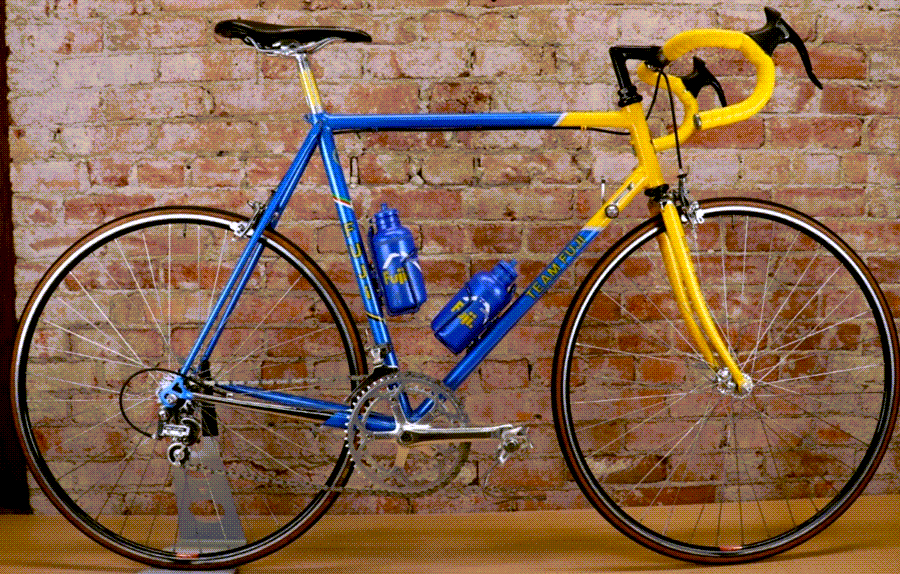
Quick Answer: This 1986 Fuji is a Japanese-made Team Fuji road bike built around an Ishiwata EX-O-M quad-butted steel frameset with full Suntour Sprint componentry, Araya 1W aero rims, and a 56cm/55cm geometry designed for competitive road racing.
The 1986 Team Fuji doesn’t need introduction to anyone who followed Japanese road racing in the mid-eighties. It was built to race, and everything on it reflects that purpose.
Frame and Tubing
The foundation of the 1986 Team is an Ishiwata EX-O-M “Fuji” quad-butted tubeset — a collaboration-grade steel that Fuji specified for its upper-tier road models during this period. Quad butting means each tube varies in wall thickness at four points rather than the standard two, allowing engineers to remove material where stress is lowest while reinforcing the areas that take the most load. The result is a frame that rides with the compliance of steel but without unnecessary weight.
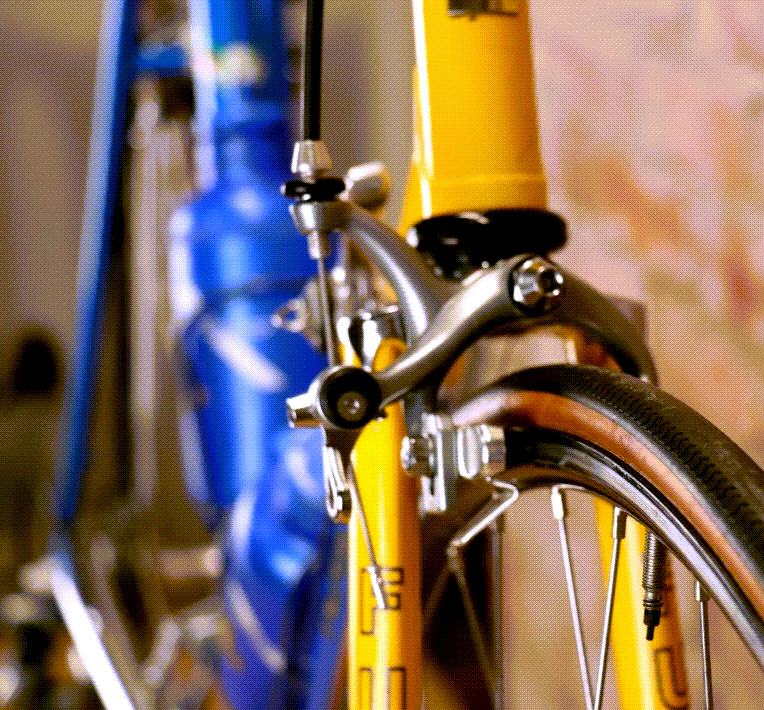
Frame geometry is 56cm seat tube and 55cm top tube — a configuration that places this bike in the medium-large range and suits riders in the 5’9″ to 5’11” range depending on reach preference. The geometry reflects the era’s preference for a longer, lower position consistent with road racing demands of the time.
|
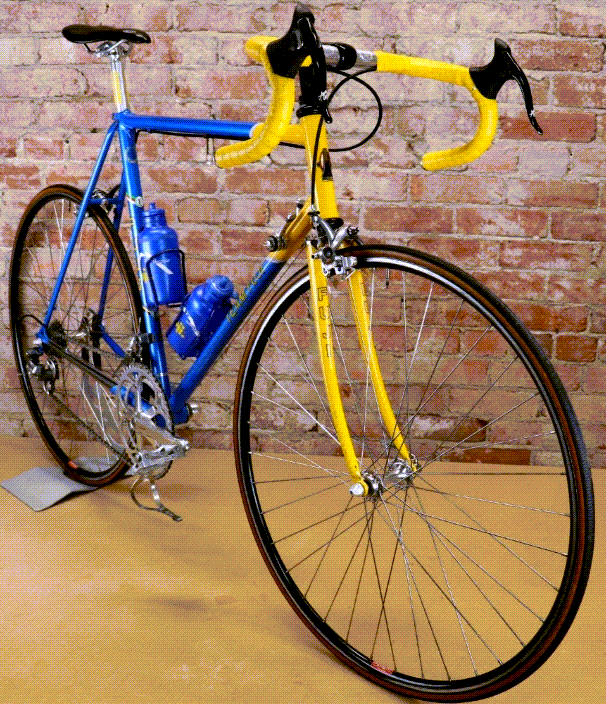
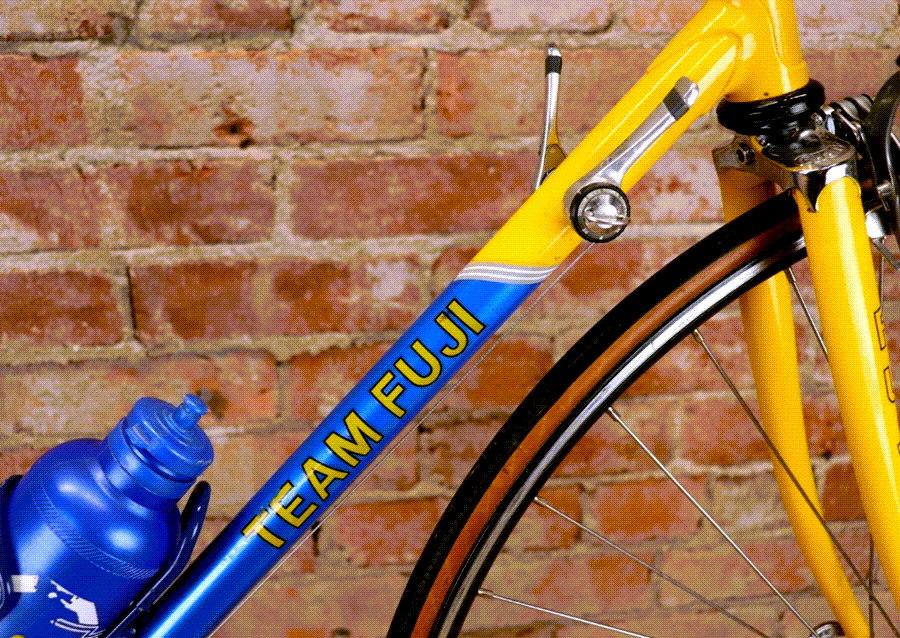
The blue and yellow colorway is original to the model and ties directly to Fuji’s team livery of the period, reinforcing its identity as a Fuji team road bike built for visibility in the peloton as much as performance.
Drivetrain and Components
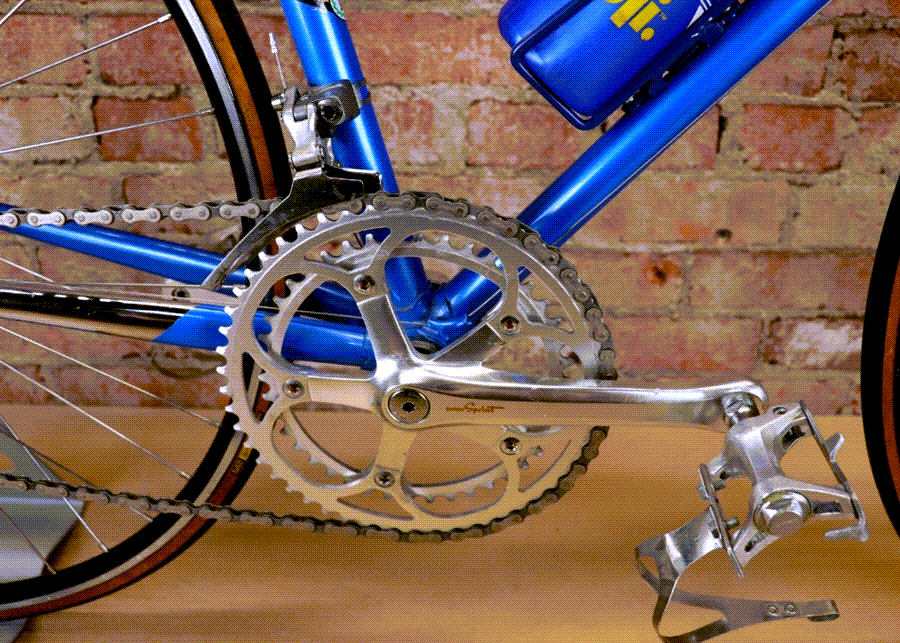
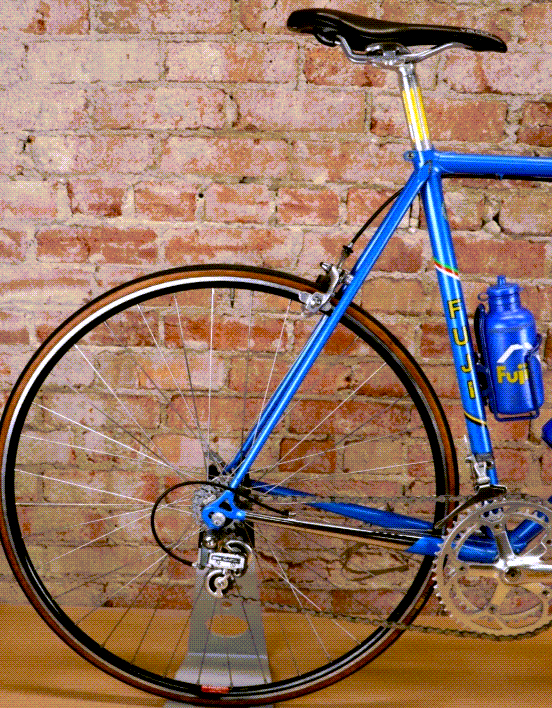
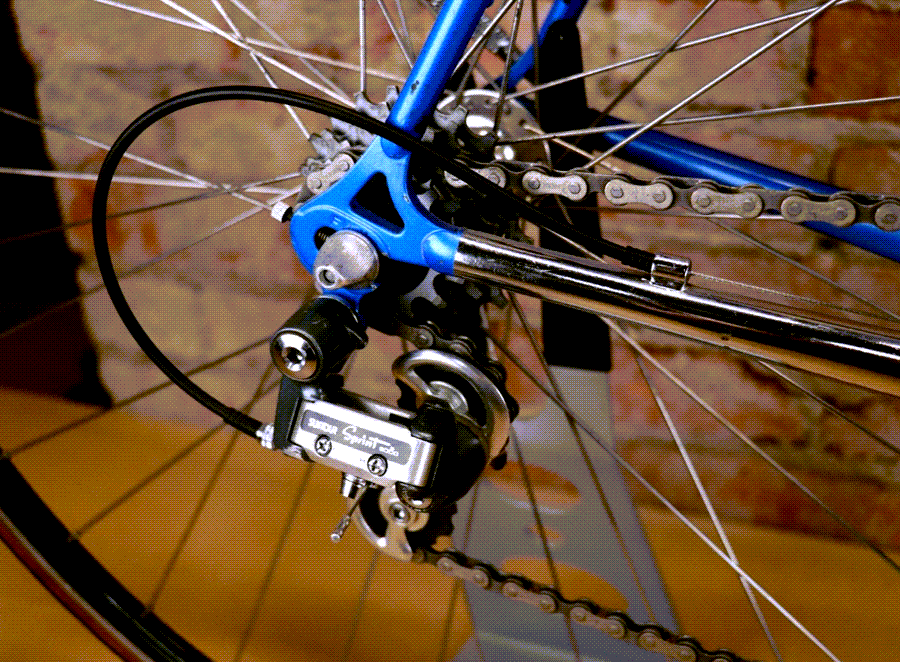
Suntour Sprint componentry runs throughout the drivetrain — derailleurs, crankset, and chain are all present and confirmed in fine working order. Suntour Sprint occupied a strong mid-to-upper tier in the Suntour hierarchy during the mid-eighties, offering reliable indexing performance and durability that has proven itself over decades of use. The fact that the crankset and derailleurs remain functional nearly four decades later speaks to the build quality that characterized Japanese component manufacturing during this period.
The brake levers are black Dia Compe Aero Compe units — a deliberate contrast to the rest of the build that mirrors the stem color. This kind of intentional color coordination was a hallmark of Japanese bicycle design in the eighties, where component matching extended beyond function into visual cohesion. The side-pull caliper brake configuration is standard for road racing geometry of this era.
Wheels and Tires
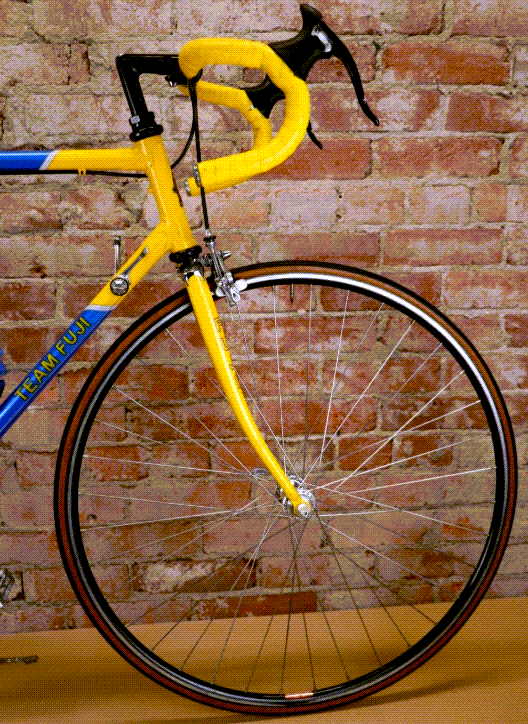
The wheelset on this Team Fuji road bike is built around Araya 1W aero section rims laced to period-correct hubs. Araya was one of the dominant Japanese rim manufacturers of the era, and the 1W aero profile was a direct response to the aerodynamic focus that was reshaping professional road racing during the mid-eighties. These rims were specified on competition-grade Japanese road bikes precisely because they offered a measurable aerodynamic advantage without the weight penalty of deeper carbon sections that hadn’t yet become practical for production bicycles.
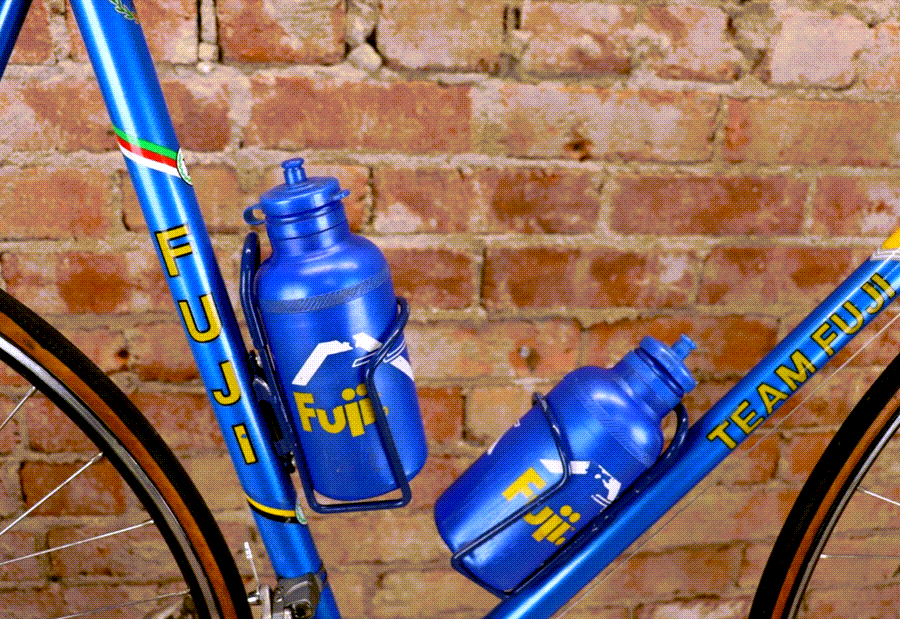
Notably, this example still runs its original Mitsuboshi 700c x 19mm tires. The 19mm width was the “go fast” specification of the era — narrower than modern performance tires, designed to minimize rolling resistance on smooth road surfaces. The fact that these tires have survived intact is unusual and adds to the documentation value of this particular example.
Finishing Kit
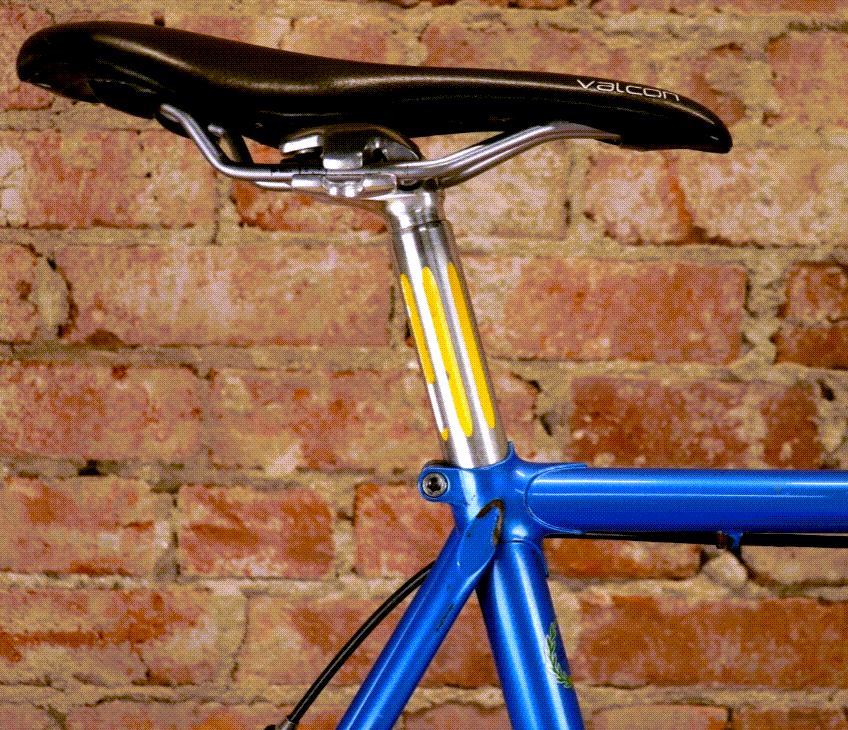
The seatpost is a fluted Fuji unit painted to match the frame’s blue and yellow color scheme — a detail that confirms this bike was assembled with attention to presentation equal to its mechanical specification. Fluted seat posts were a weight-reduction feature common on competition-grade Japanese road bikes of this period. The pedals spin smoothly, consistent with the overall condition of the drivetrain.
Frequently Asked Questions
What tubeset is used on the 1986 Team Fuji ? The 1986 Team Fuji uses an Ishiwata EX-O-M “Fuji” quad-butted tubeset, a collaboration-grade steel specified by Fuji for its competition road models during the mid-eighties.
What components are on the 1986 Team Fuji? The bike is equipped with Suntour Sprint throughout the drivetrain, Dia Compe Aero Compe brake levers, Araya 1W aero section rims, a fluted Fujita seatpost, and original Mitsuboshi 700c x 19mm tires.
What size is the 1986 Team Fuji frame? The frame measures 56cm seat tube and 55cm top tube, placing it in the medium-large range suitable for riders approximately 5’9″ to 5’11”.
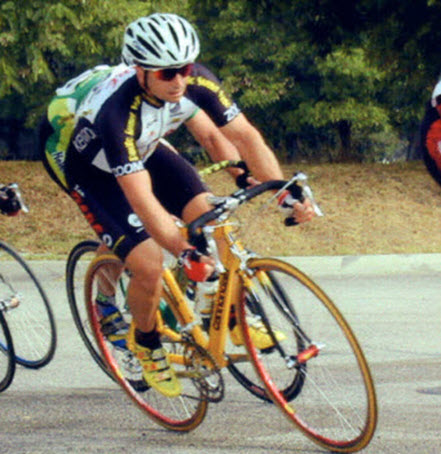
James Hickman is a former USA Cycling Expert-level coach who has worked with cyclists at every level, from beginners to competitive racers. He served as a coach for the Leukemia & Lymphoma Society’s Team In Training program, helping riders prepare for and complete century events. A Masters-category racer himself, he competed and earned podium finishes in Southern California events and holds a Platinum finish at El Tour de Tucson, completing the 100+ miles in under five hours.
Sponsored · Competitive Cyclist
We are an Amazon affiliate and earn from qualified Amazon purchases with no cost to you. This is for ANY product that you purchase through our links. We are also an affiliate for Competitive Cyclist and JensonUSA. This way we can provide you with competitive pricing and products.